Artwork
The Geese
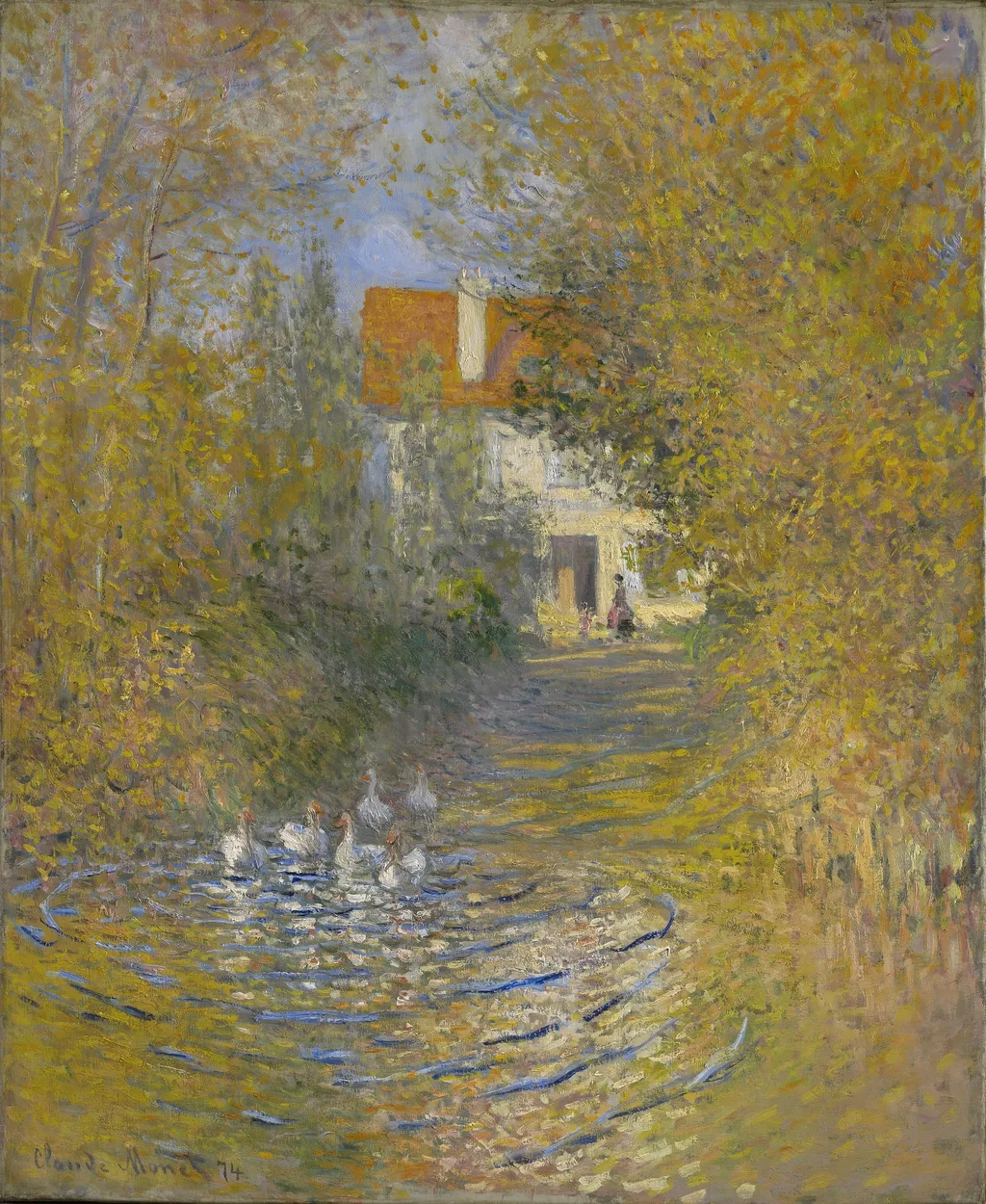
The Geese is an oil painting by the Impressionist artist Claude Monet. It dates from 1874 and is held in the collection of the Clark Art Institute.
About this work
Overview
The composition centers on a group of white geese gliding across still water, framed by dense foliage and distant trees.
Painted in 1874, The Geese is an oil on canvas work by Claude Monet, capturing a quiet rural pond scene. It resides in the collection of the Clark Art Institute. The composition centers on a group of white geese gliding across still water, framed by dense foliage and distant trees. The painting reflects Monet’s interest in natural light and everyday landscapes during his early Impressionist period.
Subject & Meaning
The painting portrays geese in a tranquil aquatic setting, their presence suggesting harmony between wildlife and domesticated land. A modest house with a brown roof appears in the background, hinting at human habitation without intrusion. The scene conveys quietude rather than narrative, emphasizing the rhythm of nature over dramatic event. Monet invites contemplation through stillness and subtle detail.
Technique & Style
Monet applied loose, textured brushwork to render water, foliage, and feathers, using varied tones of green, white, and soft brown. Light is suggested through shifts in hue rather than sharp definition, characteristic of his emerging Impressionist approach. The surface retains visible strokes, avoiding smooth blending, which enhances the sense of atmosphere and fleeting moment over precise form.
History & Provenance
Created during Monet’s time in Argenteuil, the painting was likely made as part of his ongoing study of light and water. It entered the Clark Art Institute’s collection in the 20th century through the bequest of Sterling and Francine Clark. Its provenance remains relatively straightforward, with no major shifts in ownership documented between its creation and acquisition by the institute.
Context
Painted in 1874, the year of the first Impressionist exhibition, The Geese reflects Monet’s focus on ordinary outdoor scenes. While contemporaries explored urban life or dramatic effects, Monet turned to pastoral quietude. This work aligns with his broader practice of painting en plein air, capturing transient conditions of light and weather in the French countryside near his home.
Legacy
The Geese exemplifies Monet’s early commitment to observing nature without idealization. Though less known than his water lilies or haystacks, it contributes to understanding his development of atmospheric painting. Its quiet composition continues to inform interpretations of Impressionism as a movement rooted in intimate, everyday observation rather than grand spectacle.
Own this work as a print
Artist & collection
Artist
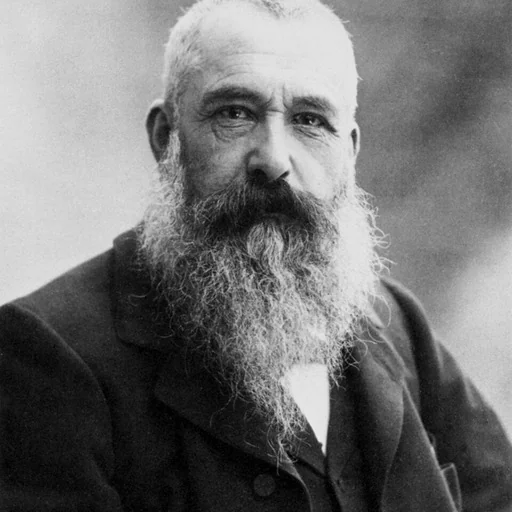
Oscar-Claude Monet was born in Paris on November 14, 1840, and raised from the age of five in Le Havre, where he began selling charcoal caricatures as a teenager.

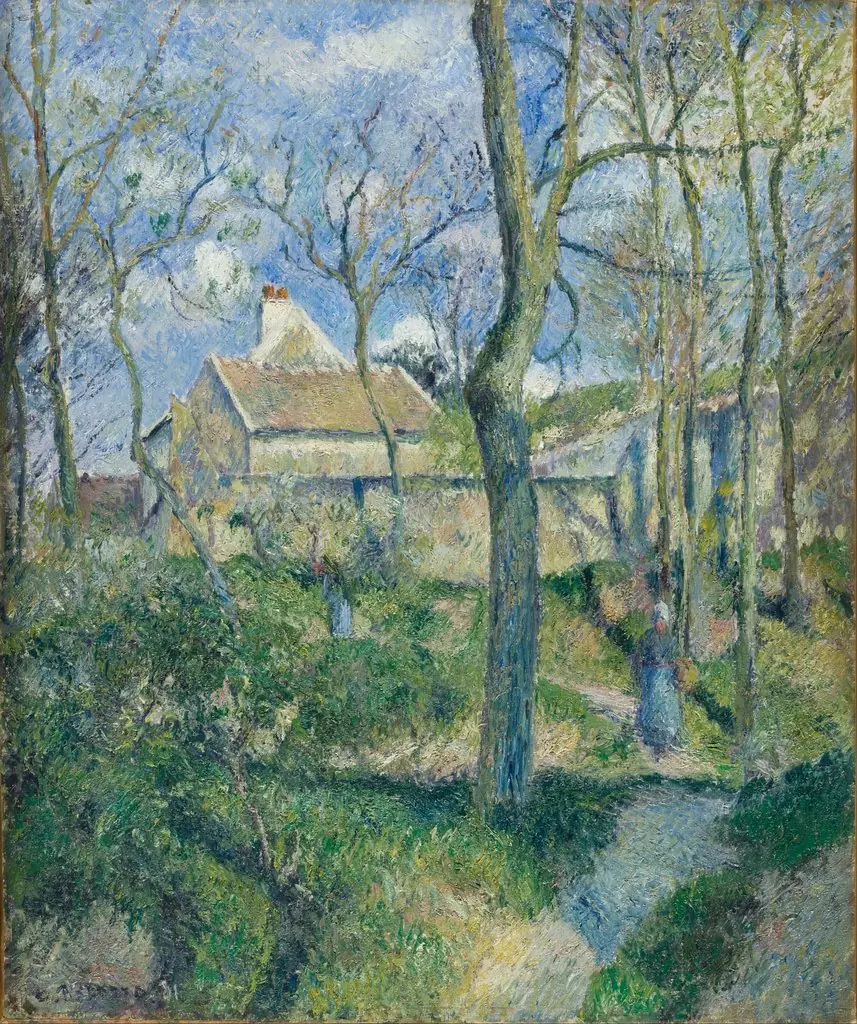 The Path to Les Pouilleux, Pontoise
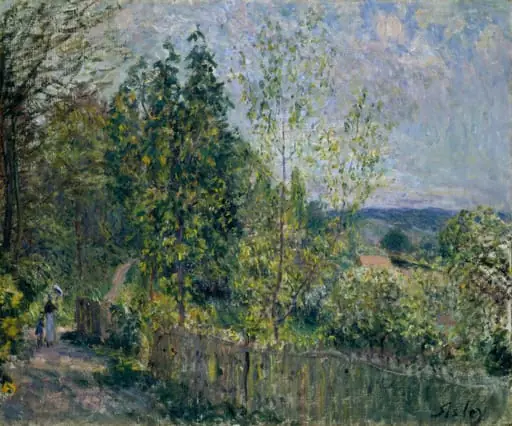 The Road in the Woods
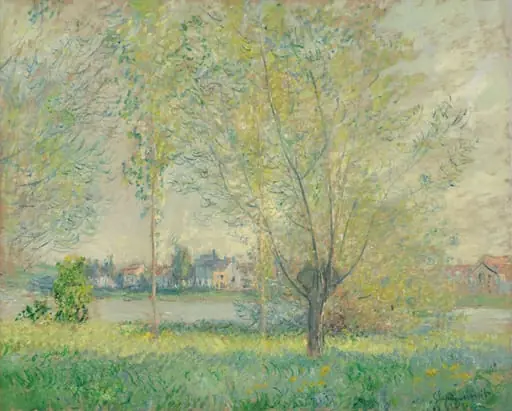 The Willows
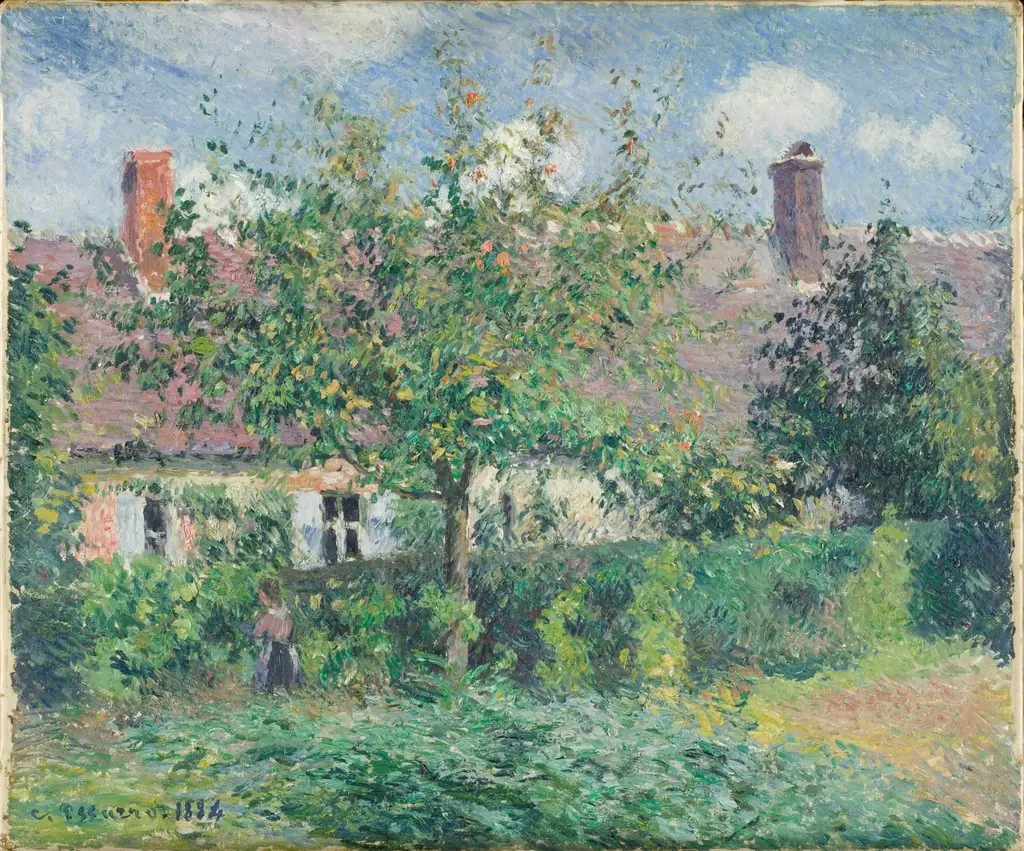 Peasant House at Éragny
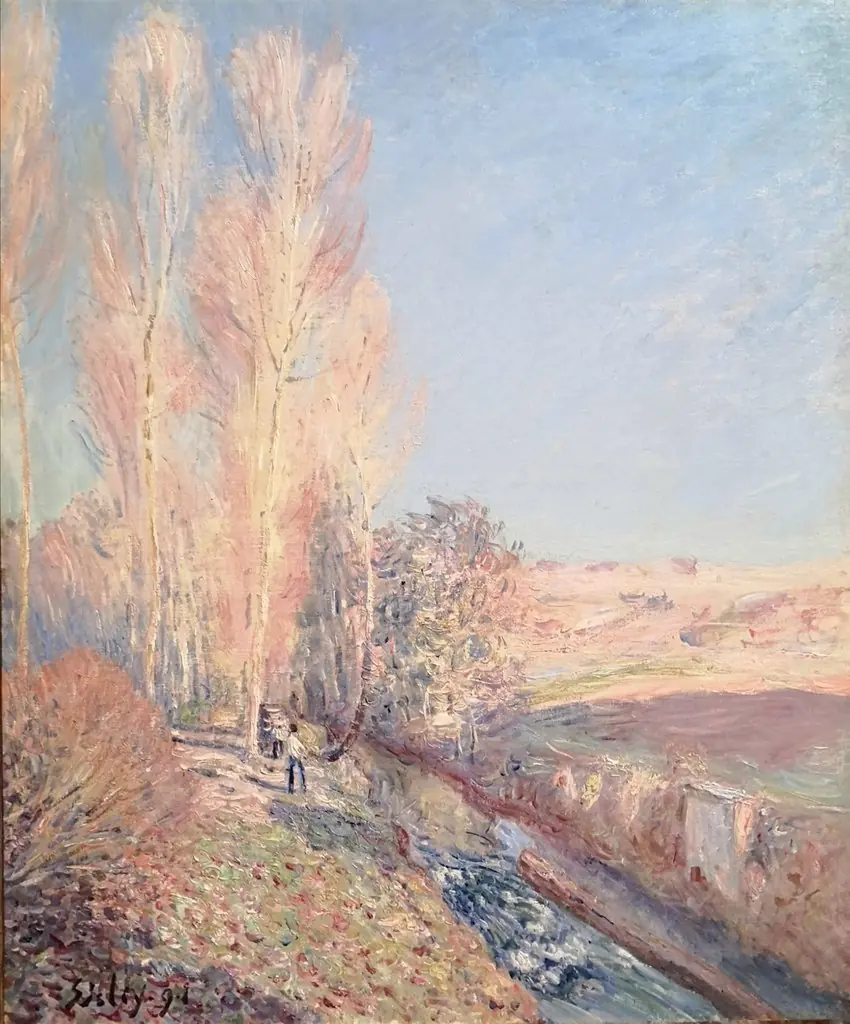 St. Martin's Summers, near Moret-sur-Loing
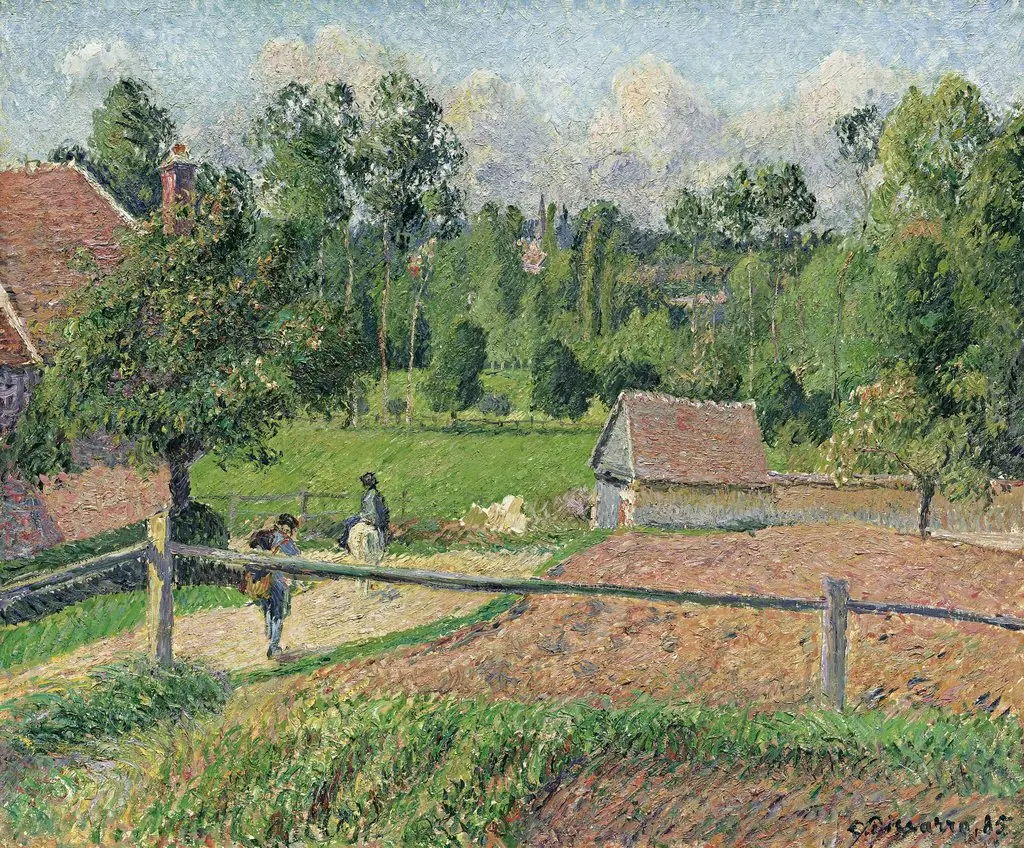 The Delafolie House, Éragny
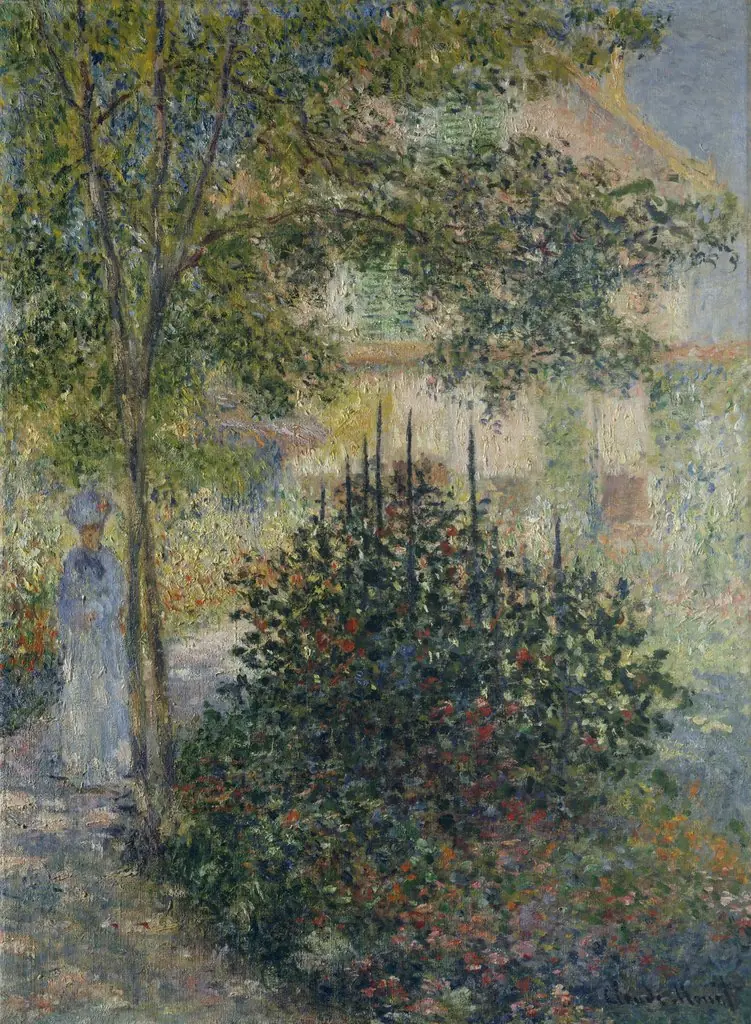 Camille Monet (1847–1879) in the Garden at Argenteuil
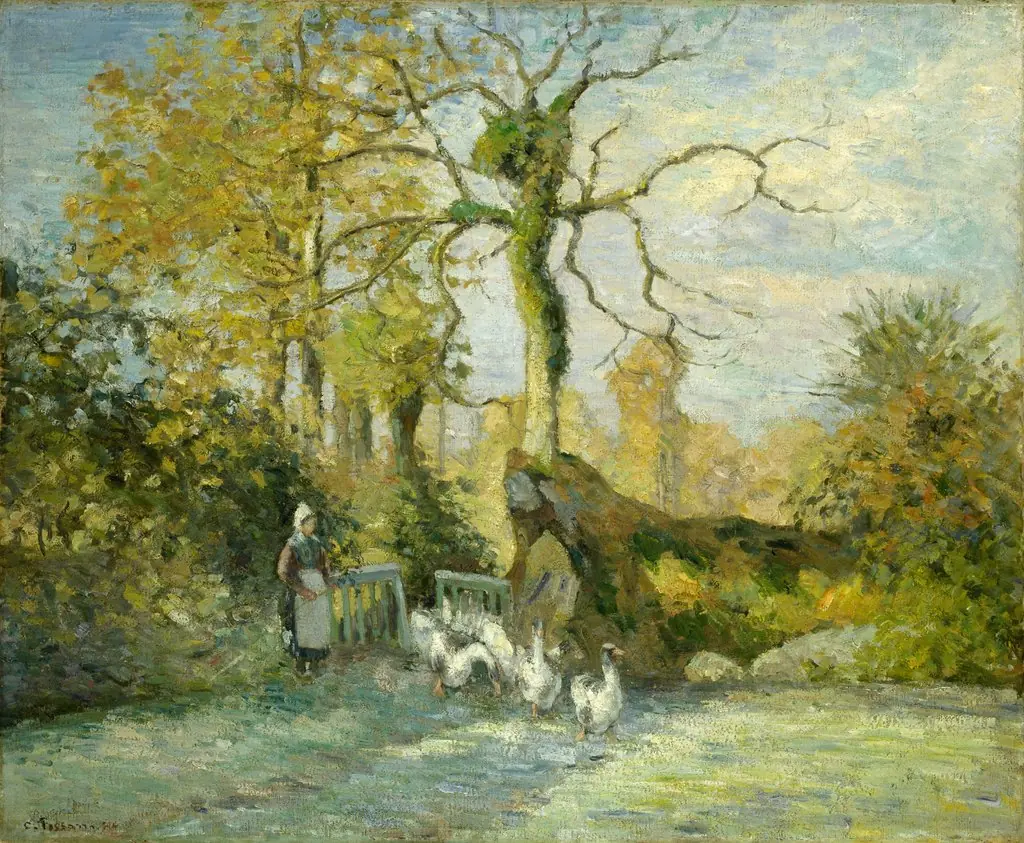 The Goose Girl at Montfoucault (White Frost)
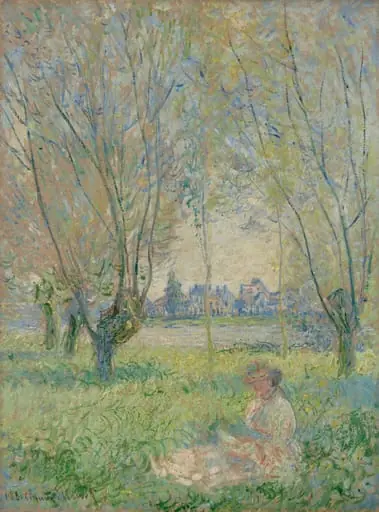 Woman Seated under the Willows
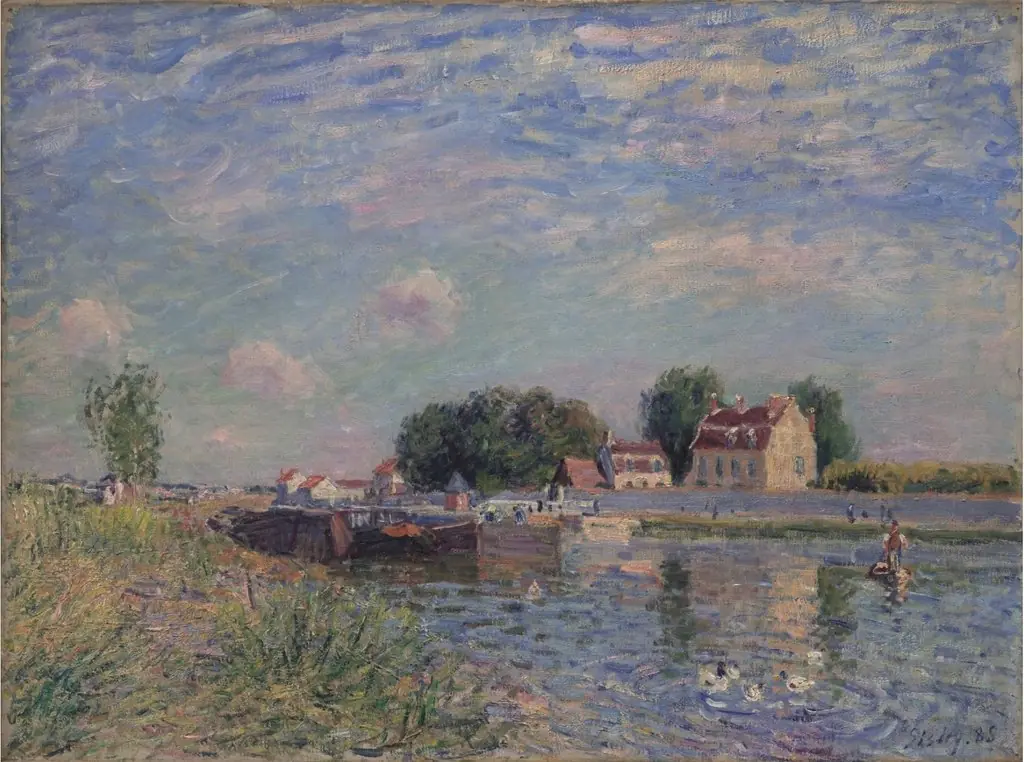 The Canal at Saint-Mammes
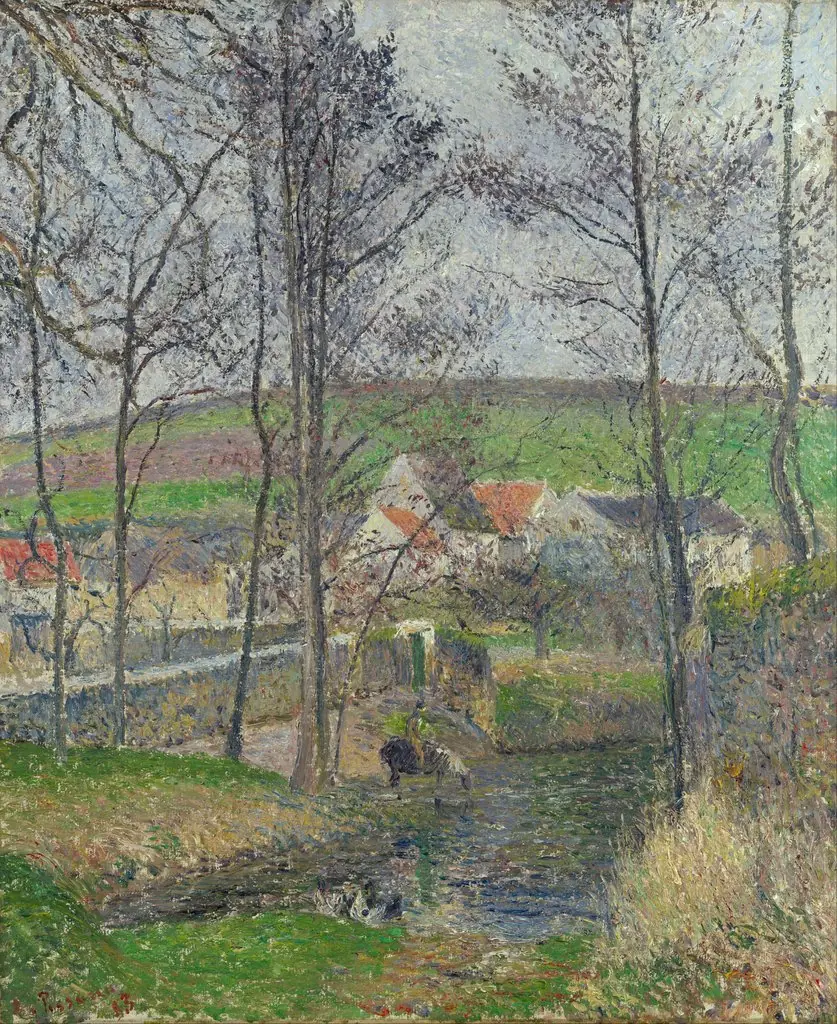 The banks of the Viosne at Osny in grey weather, winter
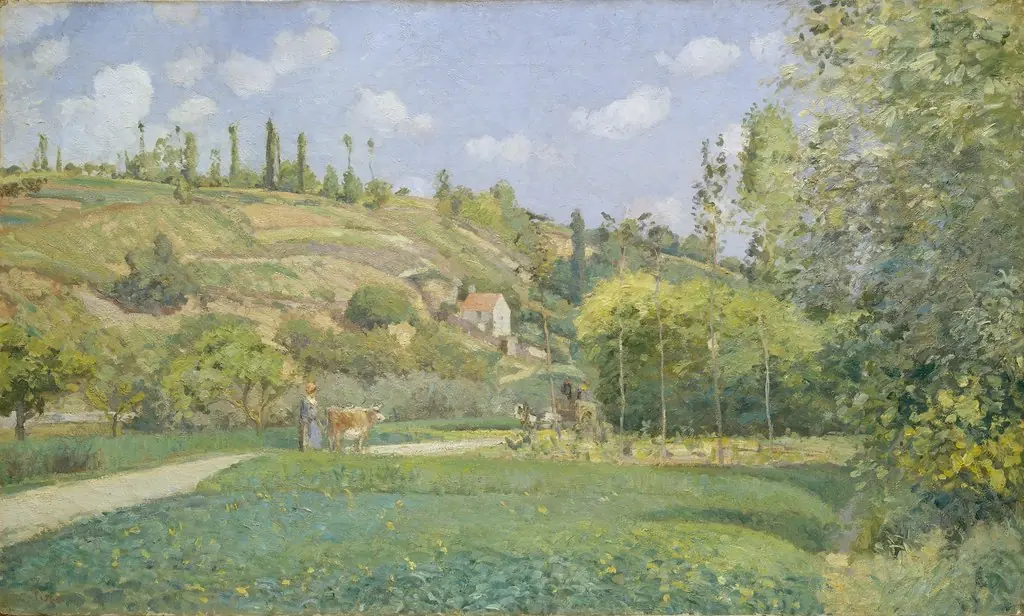 A Cowherd at Valhermeil, Auvers-sur-Oise