Artwork
H Beard Print Collection
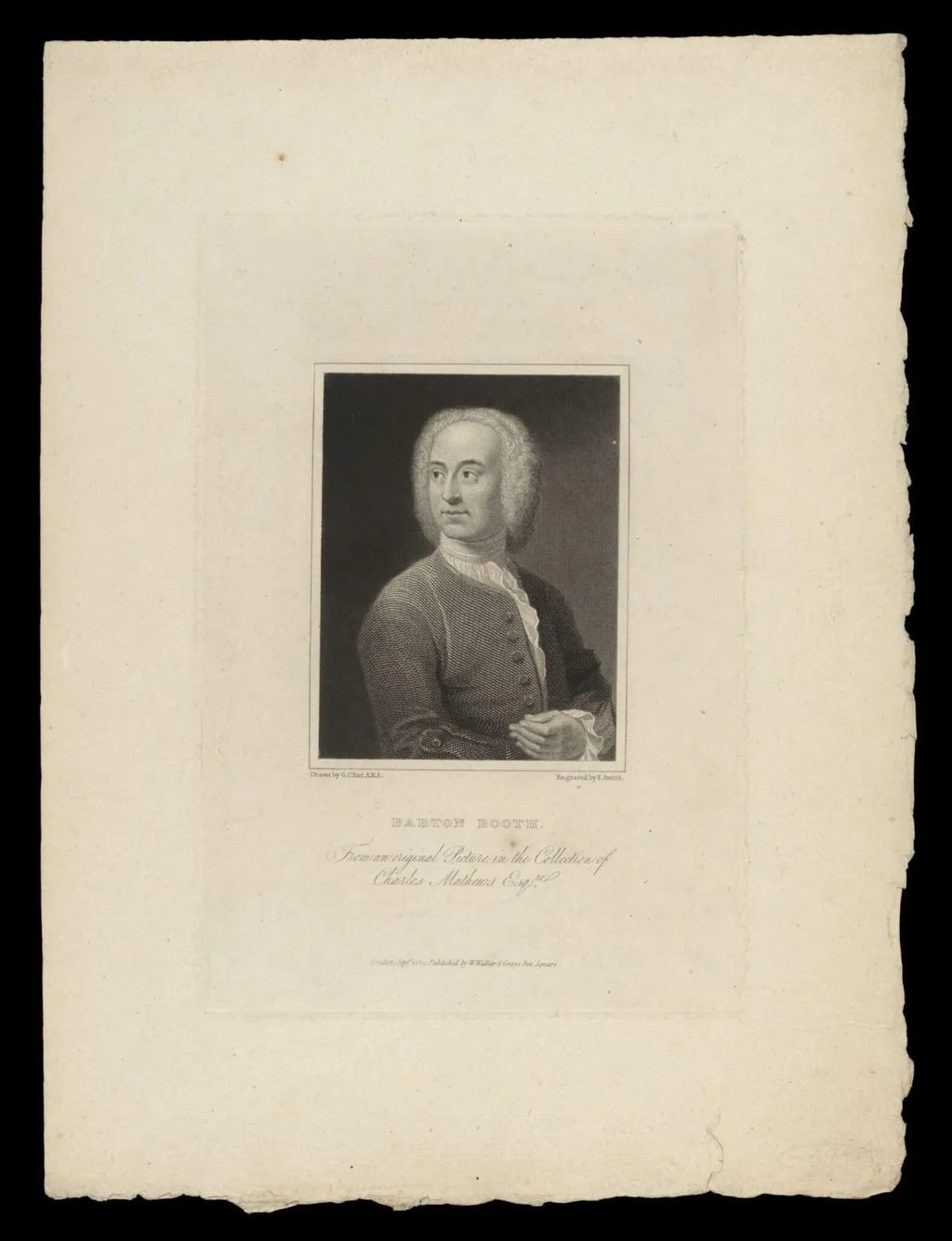
H Beard Print Collection is a print by the Romanticist artist George Clint. It dates from 1 and is held in the collection of the Victoria and Albert Museum. A portrait print of actor Barton Booth, issued in 1822 by publisher W.
About this work
His powdered wig and ruffled shirt look crisp against the plain background.
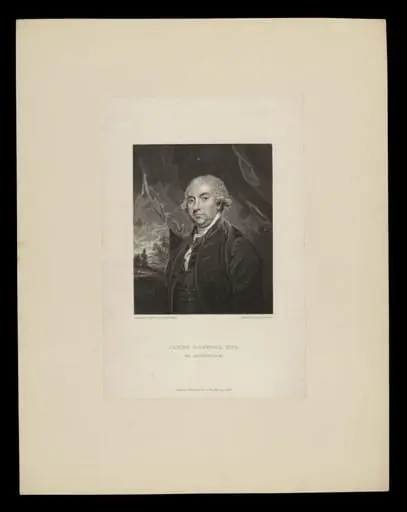
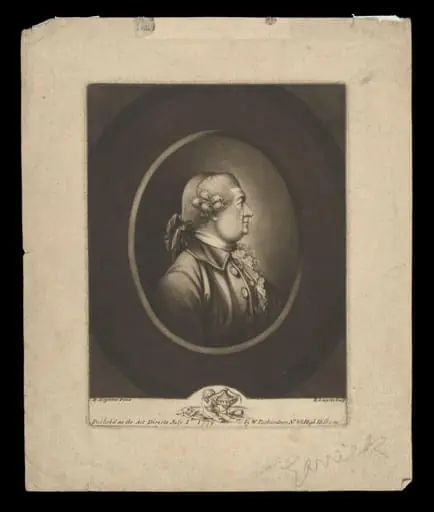
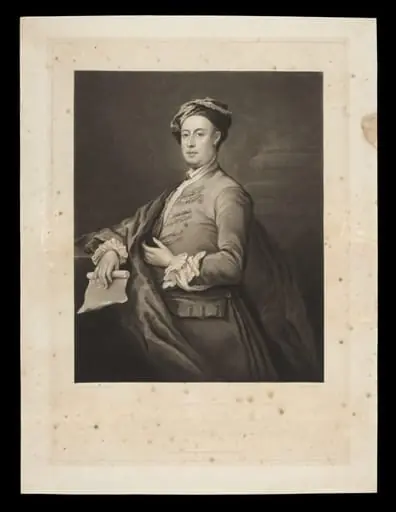
This print shows actor Barton Booth in a three-quarter pose. Light hits his face from the left, casting a soft shadow on his cheek. His powdered wig and ruffled shirt look crisp against the plain background.
It’s one of the last prints made by George Clint before he died. The print was published by W. Walker in 1822, just months after Clint passed. The plate shows fine lines and delicate shading.
If you like this style, check out prints at the Victoria and Albert Museum.
Overview
A portrait print of actor Barton Booth, issued in 1822 by publisher W. Walker, captures the performer in a three-quarter view. Created by George Clint shortly before his death, the print was released posthumously. Its restrained composition and precise line work reflect the conventions of late Georgian theatrical portraiture, emphasizing the actor’s dignified presence without embellishment.
Subject & Meaning
Barton Booth, a prominent stage actor of the early 18th century, is depicted in formal attire befitting his status. The powdered wig and ruffled collar signify his role within the theatrical elite. The print serves not as a dramatic performance still, but as a commemorative image, preserving his public persona for audiences who admired him on stage and sought to own his likeness.
Technique & Style
Executed in fine line engraving, the print demonstrates Clint’s mastery of subtle tonal gradation. Light falls from the left, modeling Booth’s face with soft shadows that enhance depth without drama. The background is deliberately plain, directing focus to the figure’s refined costume and composed expression. The precision of the lines suggests careful preparation and skilled handwork.
History & Provenance
George Clint completed the engraving plate shortly before his death in 1822. The print was published by W. Walker later that year, making it one of Clint’s final works. Its release coincided with the waning era of hand-engraved theatrical portraits, as newer reproductive methods began to emerge. The print’s survival reflects its value as a record of a respected performer and artist.
Context
In the early 19th century, theatrical portraits were widely circulated as both memorials and advertisements. Actors like Booth, who had dominated London stages decades earlier, remained cultural figures through such images. Print publishers like Walker catered to a public eager to own tangible connections to the theater, even after performers had retired or passed away.
Legacy
Clint’s engraving stands as a quiet testament to the transition between handcrafted portraiture and industrial reproduction. While not widely known today, it remains a representative example of how theatrical fame was preserved in print. Institutions such as the Victoria and Albert Museum hold similar works, offering insight into the visual culture of British theater during the period.
Artist & collection
Artist
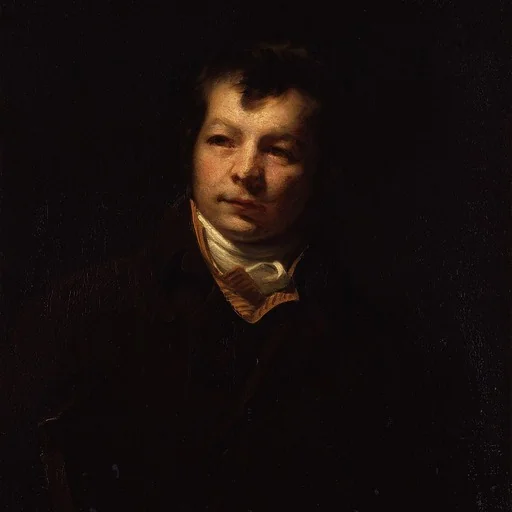
George Clint (12 April 1770 – 10 May 1854) was an English portrait painter and engraver, especially notable for his many theatrical subjects.

 John Bell (1745–1831), Publisher
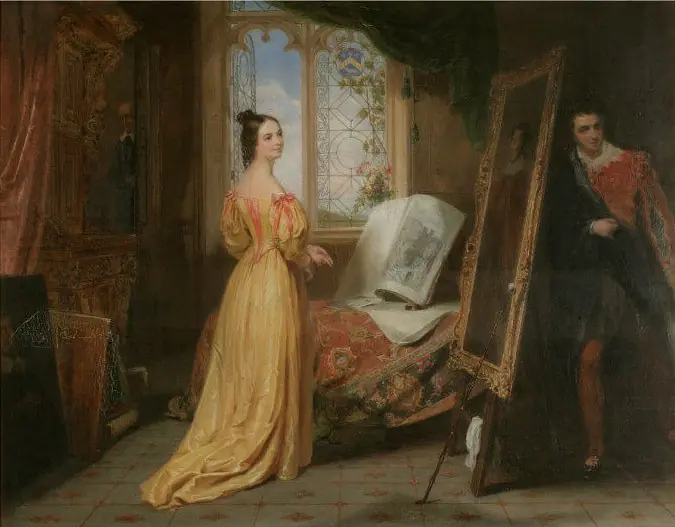 Scene from 'The Honeymoon'
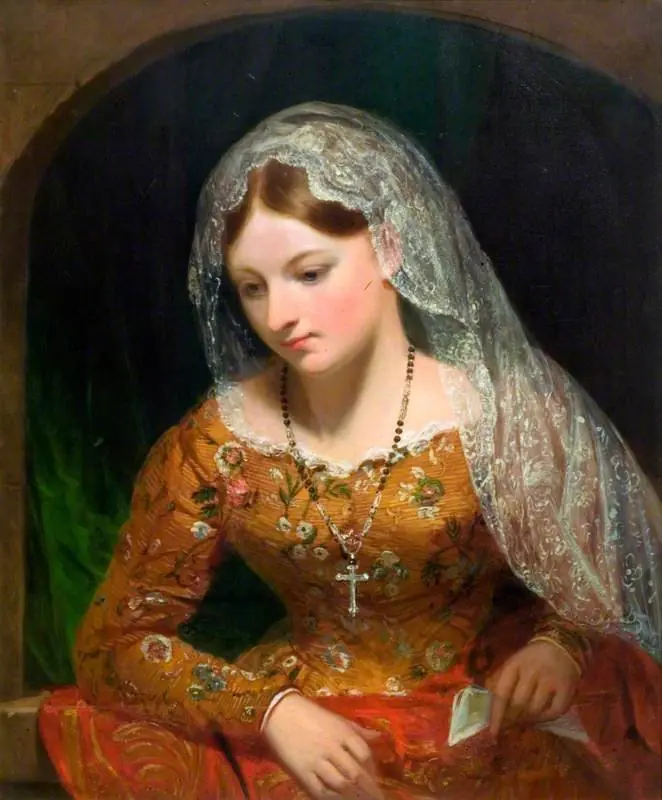 La Palermitana
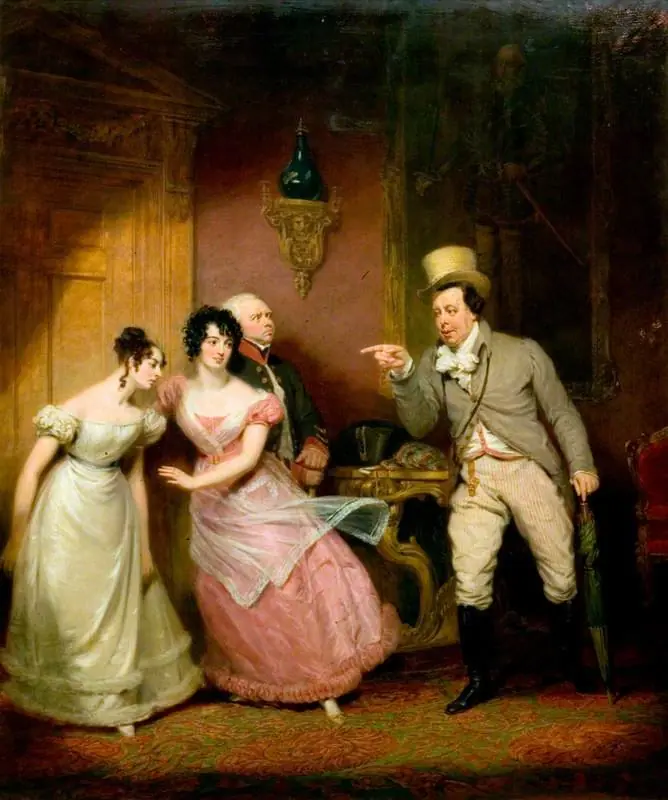 Scene from John Poole's Comedy 'Paul Pry', with Portraits of Madame Vestris, Miss P. Glover, Mr Williams, and Mr Liston
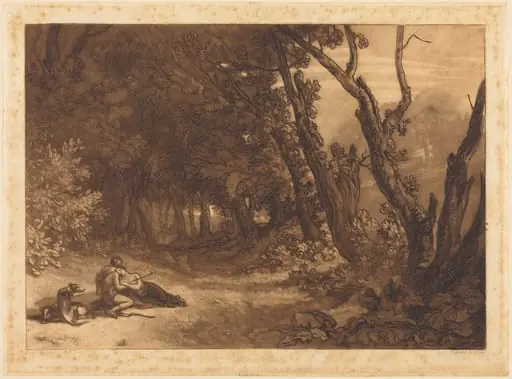 Procris and Cephalus
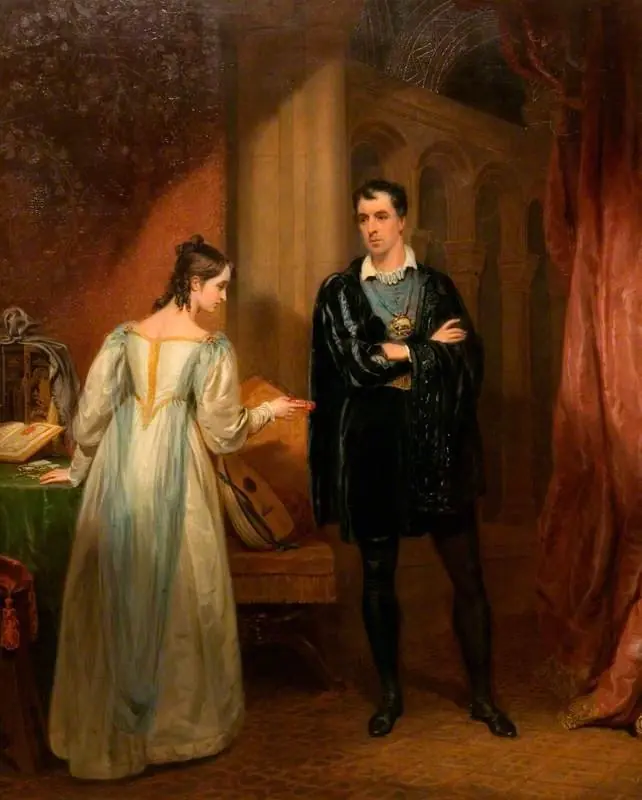 Charles Mayne Young (1777–1856), as Hamlet and Mary Glover as Ophelia in 'Hamlet' by William Shakespeare
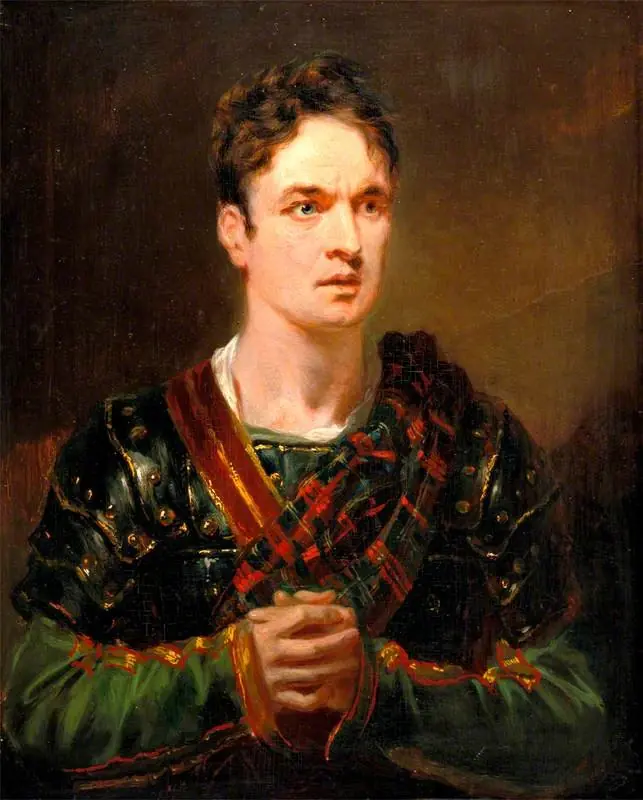 William Charles Macready (1793–1873), as Macbeth in 'Macbeth' by William Shakespeare
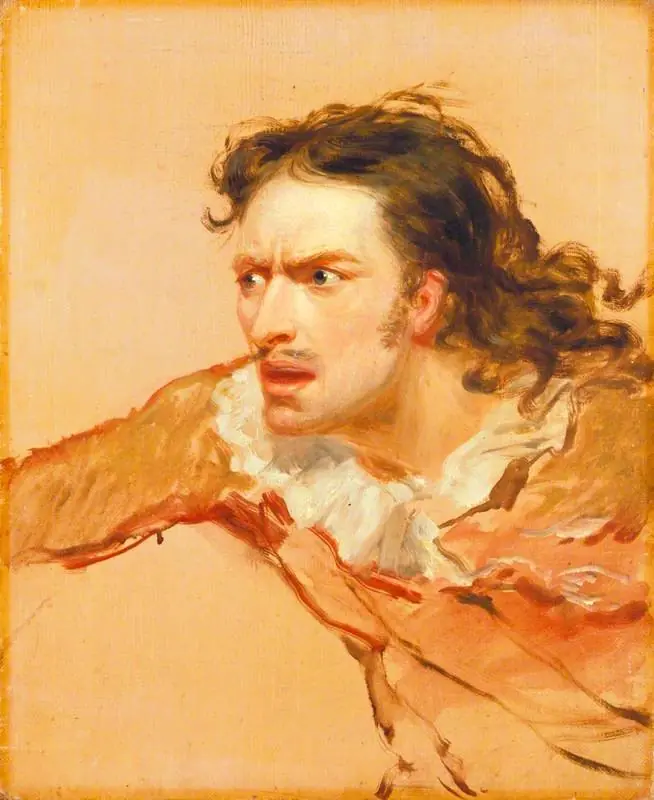 Edmund Kean (1787–1833), as Sir Giles Overreach in 'A New Way to Pay Old Debts' by Philip Massinger