Artwork
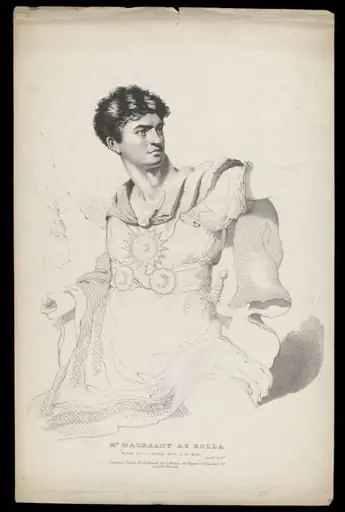
William Charles Macready (1793–1873), as Macbeth in 'Macbeth' by William Shakespeare
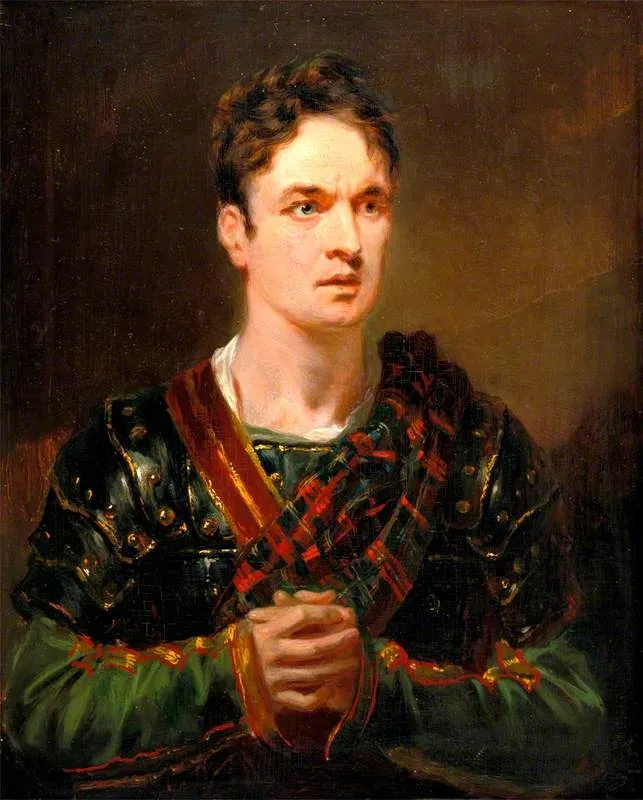
William Charles Macready (1793–1873), as Macbeth in 'Macbeth' by William Shakespeare is an oil painting by George Clint. It dates from 1821 and is held in the collection of the Victoria and Albert Museum.
About this work
Overview
George Clint’s 1821 oil painting presents the celebrated English actor William Charles Macready in costume as Shakespeare’s tragic hero, Macbeth. Executed in the portrait genre, the work exemplifies Clint’s focus on theatrical subjects, a niche that defined his career as a portraitist and engraver in early‑nineteenth‑century England.
Subject & Meaning
Macready is shown with short dark hair, his hands joined before him, wearing a black and red tartan‑patterned shirt beneath a white collar, a black leather vest trimmed in gold and red. The attire aligns with stage costume for the title role, emphasizing the drama and psychological intensity associated with the character’s ambition and downfall.
Technique & Style
Rendered in oil on canvas, the portrait balances meticulous detail in the fabric’s pattern and metal accents with a looser treatment of the background, focusing attention on the actor’s expression and posture. Clint’s brushwork captures the sheen of the vest and the texture of the tartan, while the chiaroscuro lighting heightens the theatrical atmosphere.
History & Provenance
Created in 1821, the painting was likely commissioned to commemorate Macready’s acclaimed performances as Macbeth, which solidified his reputation on the London stage. The work remained within theatrical circles before entering public collections, reflecting the period’s practice of honoring leading actors through portraiture.
Context
During the early nineteenth century, portraiture of actors in character became a popular means of documenting theatrical culture. Clint, already known for similar subjects, contributed to this tradition, offering a visual record of performance practice and costume design in the Regency era.
Legacy
The portrait stands as a visual testimony to both Macready’s impact on Shakespearean performance and Clint’s role in preserving theatrical history through painting. It continues to inform scholars of stage aesthetics and the intersection of visual and performing arts in the period.
Artist & collection
Artist
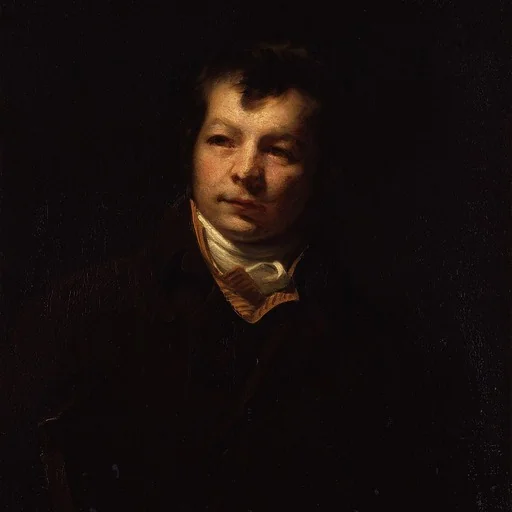
George Clint (12 April 1770 – 10 May 1854) was an English portrait painter and engraver, especially notable for his many theatrical subjects.

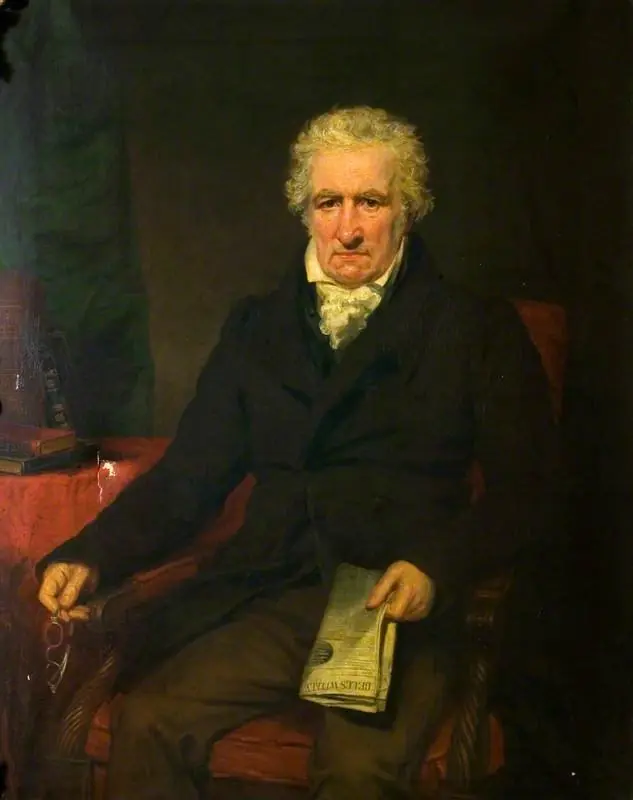 John Bell (1745–1831), Publisher
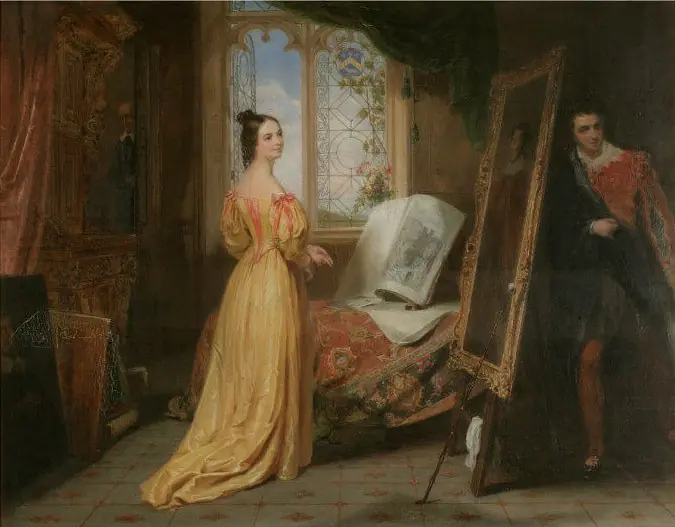 Scene from 'The Honeymoon'
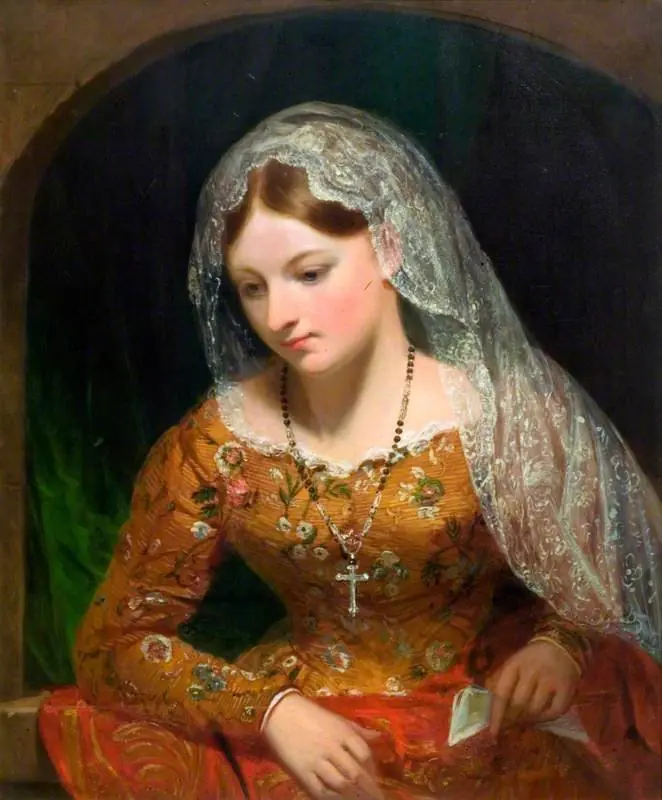 La Palermitana
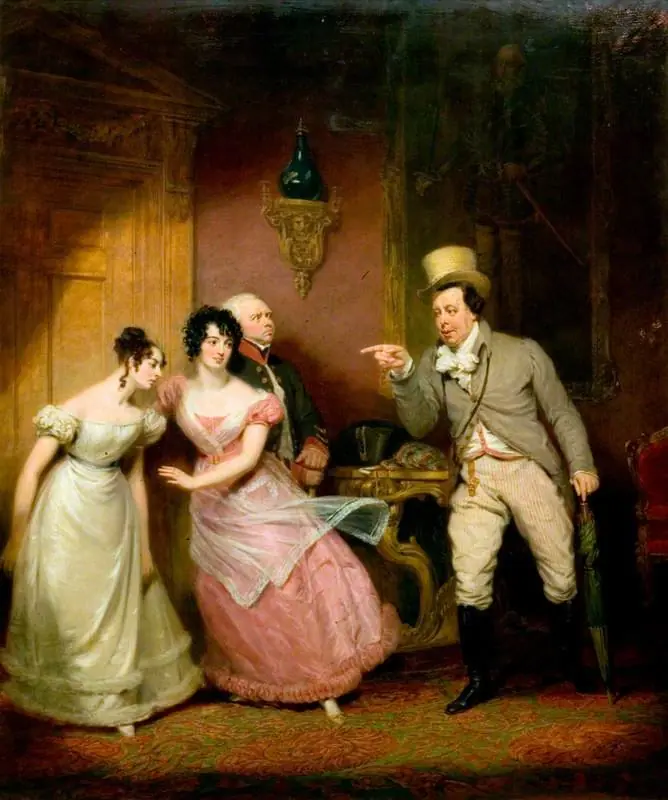 Scene from John Poole's Comedy 'Paul Pry', with Portraits of Madame Vestris, Miss P. Glover, Mr Williams, and Mr Liston
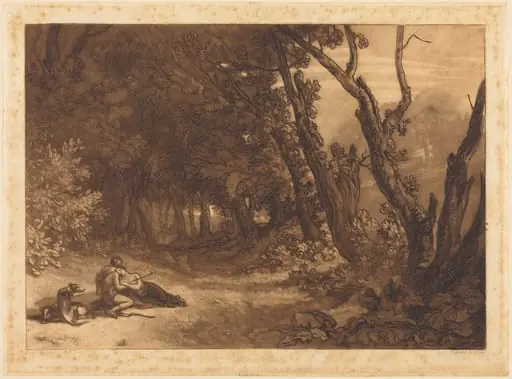 Procris and Cephalus
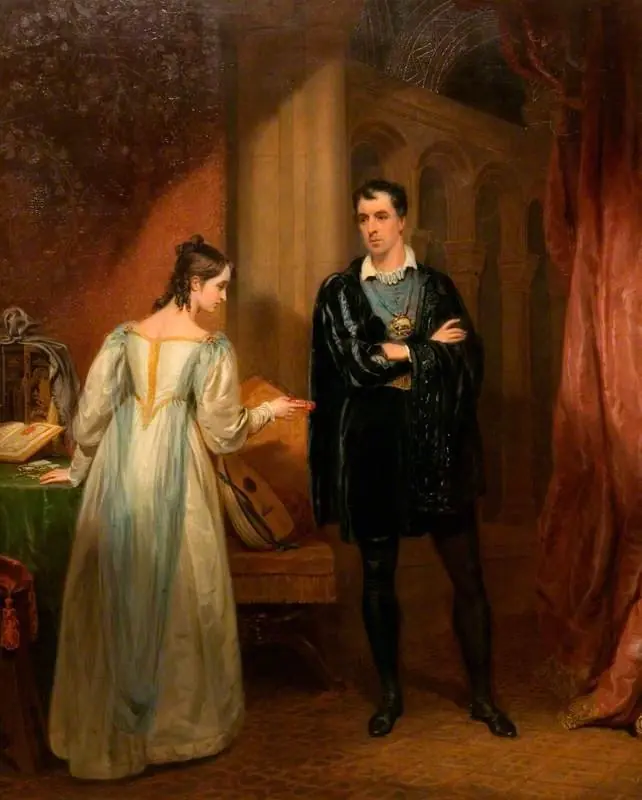 Charles Mayne Young (1777–1856), as Hamlet and Mary Glover as Ophelia in 'Hamlet' by William Shakespeare
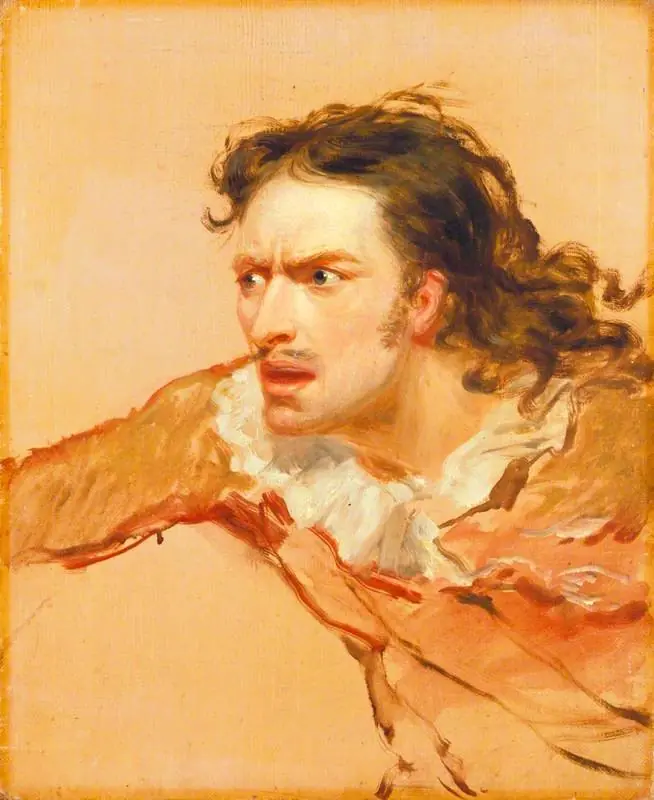 Edmund Kean (1787–1833), as Sir Giles Overreach in 'A New Way to Pay Old Debts' by Philip Massinger
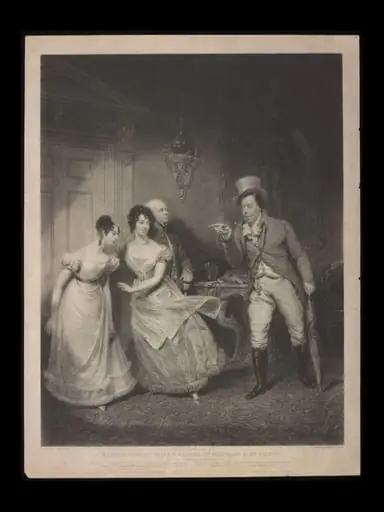 H Beard Print Collection
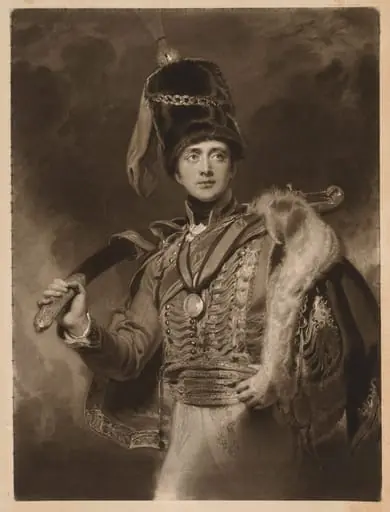 Lieutenant General Honorable C. W. Stewart
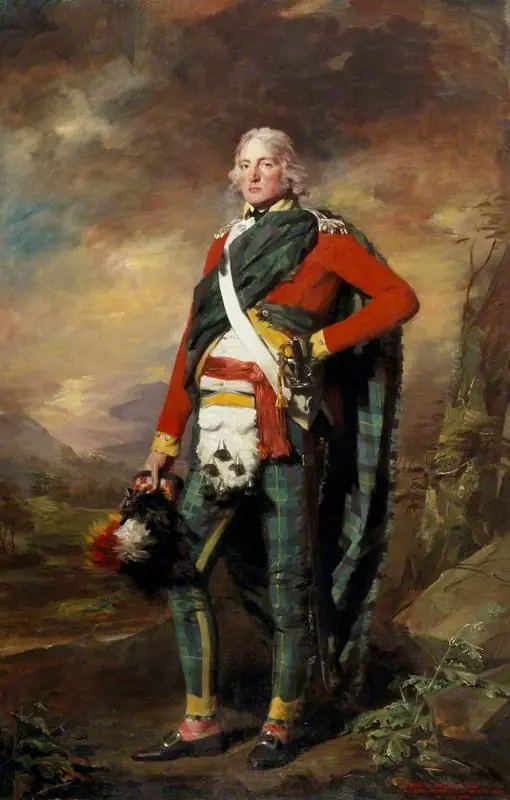 Sir John Sinclair, 1st Bart of Ulbster (1754 - 1835)
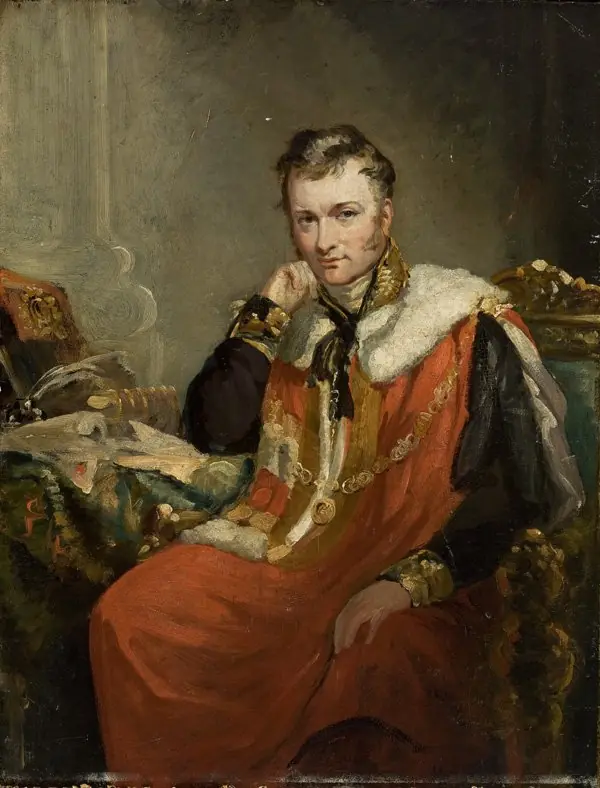 Lord Charles Stuart
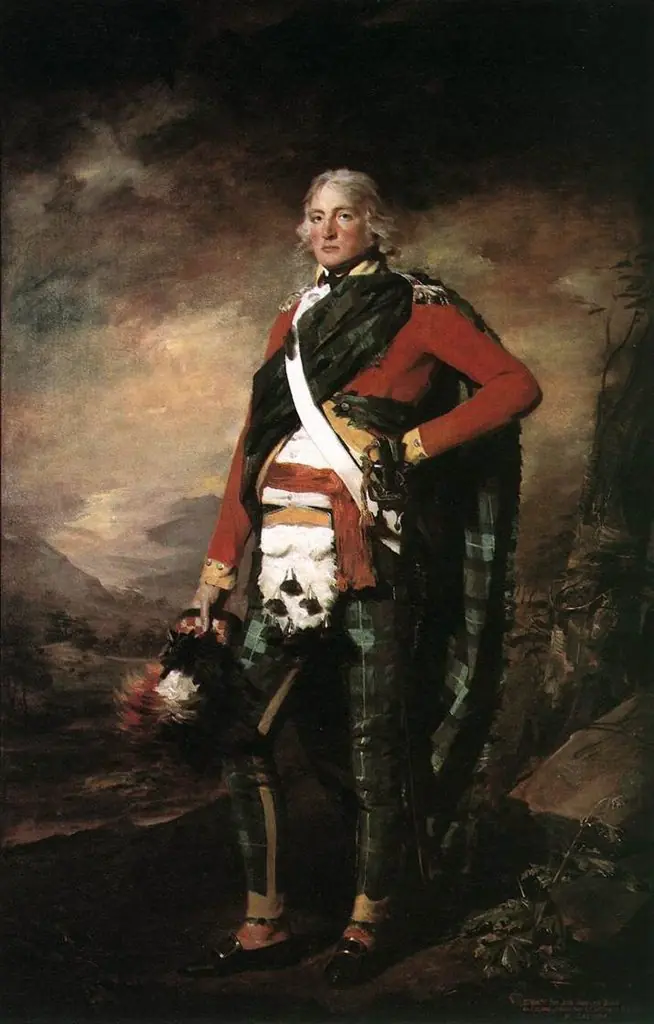 Porträt des Sir John Sinclair
 Portrait of Lord Edward FitzGerald (1763-1798)
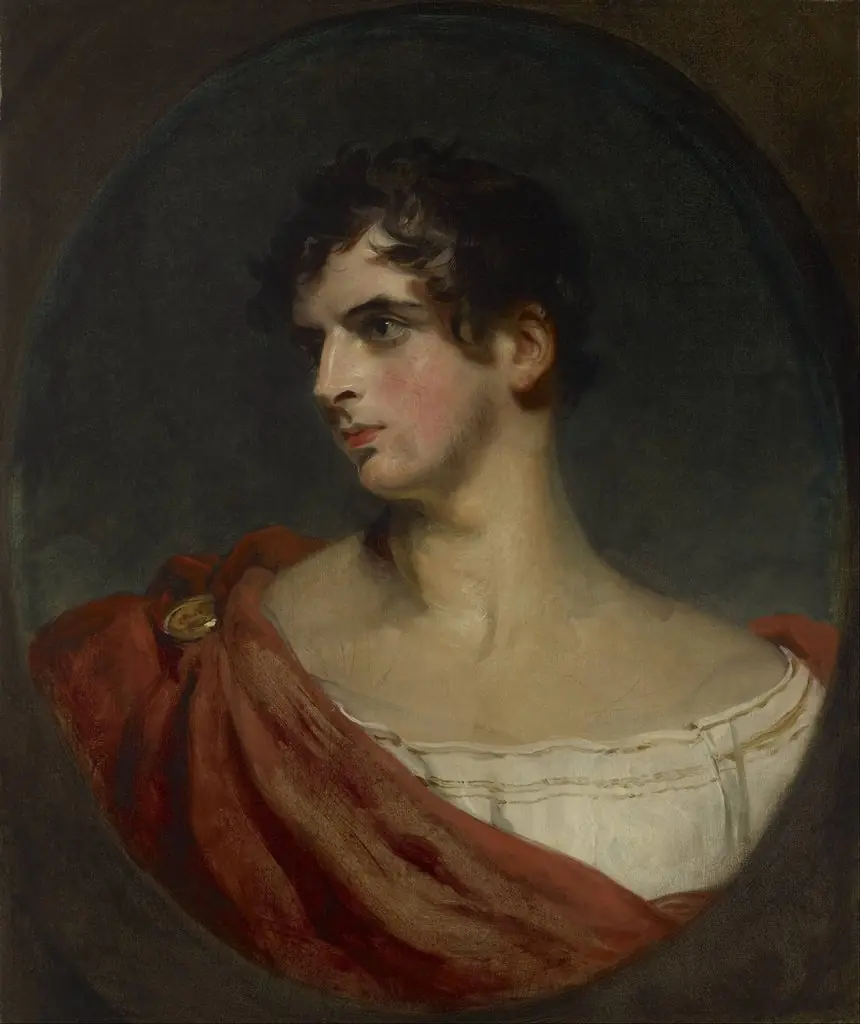 Portrait of Joseph Henry
 H Beard Print Collection
 'Thoughts too deep for tears'
 Portrait of Oliver Goldsmith (1728-1774), Playwright and Author