Artwork
Charles Mayne Young (1777–1856), as Hamlet and Mary Glover as Ophelia in 'Hamlet' by William Shakespeare
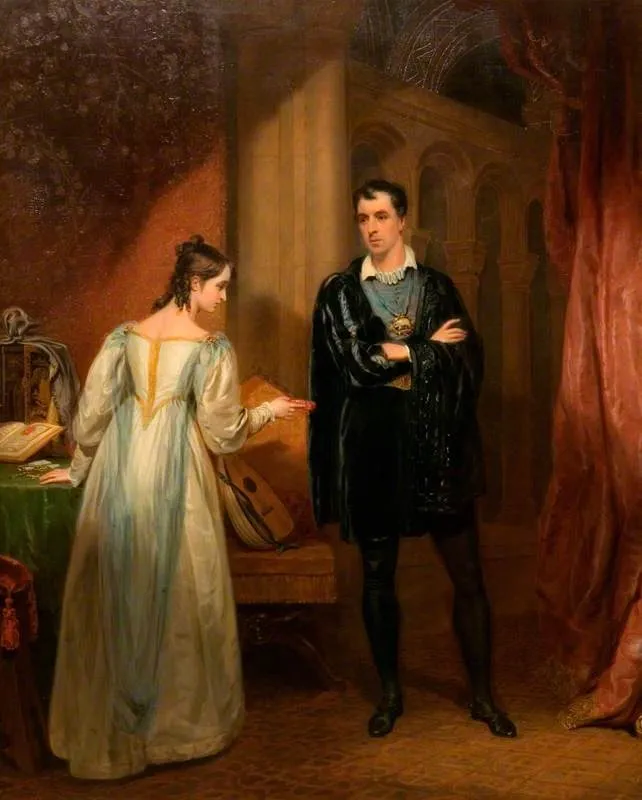
Charles Mayne Young (1777–1856), as Hamlet and Mary Glover as Ophelia in 'Hamlet' by William Shakespeare is an oil painting by George Clint. It dates from 1831 and is held in the collection of the Victoria and Albert Museum.
About this work
Overview
The work exemplifies Clint’s sustained interest in theatrical portraiture, merging portrait conventions with narrative scene.
George Clint’s 1831 oil painting presents a staged tableau of two leading performers from Shakespeare’s Hamlet. The composition centers on Charles Mayne Young, cast as the brooding prince, and Mary Glover, portraying the tragic Ophelia, captured in a moment of dramatic exchange. The work exemplifies Clint’s sustained interest in theatrical portraiture, merging portrait conventions with narrative scene.
Subject & Meaning
The figures are rendered in costume: Young in a dark robe over a blue shirt, arms crossed in a gesture of contemplation; Glover in a white gown with blue trim, extending a book toward him, evoking Ophelia’s melancholy intellect. The interaction suggests a pivotal emotional encounter, inviting viewers to contemplate the play’s themes of love, madness, and fate through the actors’ embodied performance.
Technique & Style
Executed in oil on canvas, Clint employs a refined, detailed brushwork that balances the clarity of portraiture with the atmospheric depth of a stage set. Light falls from a large arched window, illuminating the figures against a muted backdrop of red drapery and architectural columns, creating a chiaroscuro effect that heightens the scene’s theatrical tension.
History & Provenance
Created during the early nineteenth‑century boom in theatrical portraiture, the painting reflects Clint’s dual career as a portraitist and engraver. It was likely commissioned to commemorate a specific production of Hamlet featuring Young and Glover, and has remained within collections that document the intersection of visual art and stage performance.
Context
Clint’s work belongs to a broader English tradition of documenting celebrated actors and productions, a practice that both celebrated popular culture and provided visual records for audiences unable to attend the theatre. The painting thus serves as a historical snapshot of early‑Victorian theatrical aesthetics and the public’s fascination with Shakespearean performance.
Artist & collection
Artist
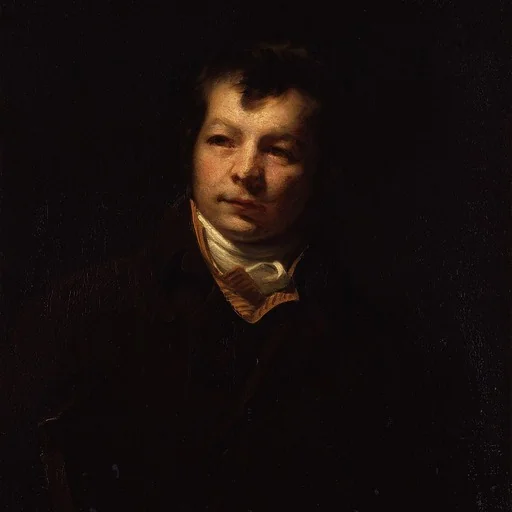
George Clint (12 April 1770 – 10 May 1854) was an English portrait painter and engraver, especially notable for his many theatrical subjects.

 John Bell (1745–1831), Publisher
 Scene from 'The Honeymoon'
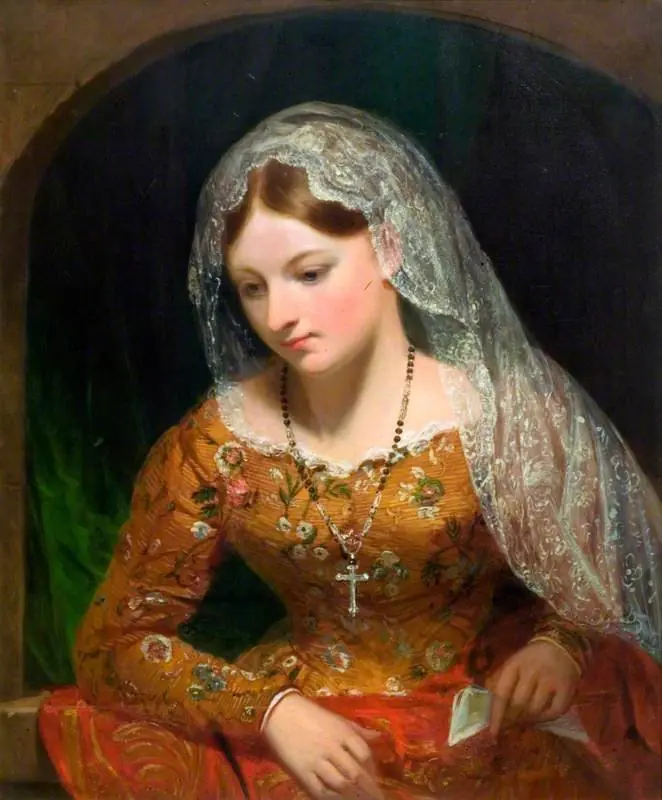 La Palermitana
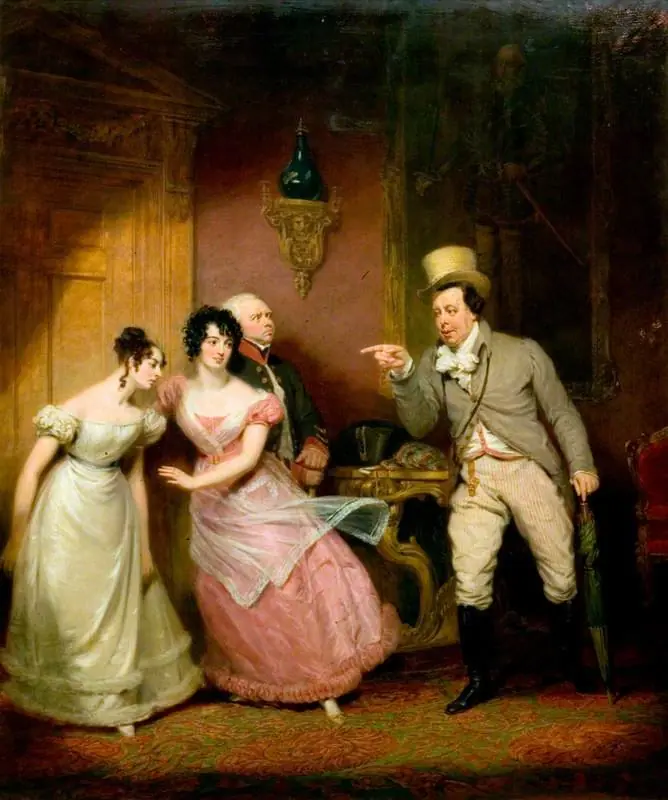 Scene from John Poole's Comedy 'Paul Pry', with Portraits of Madame Vestris, Miss P. Glover, Mr Williams, and Mr Liston
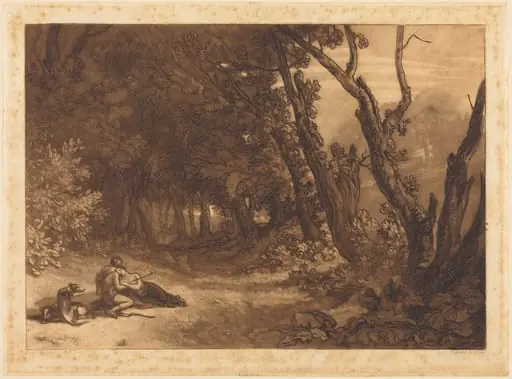 Procris and Cephalus
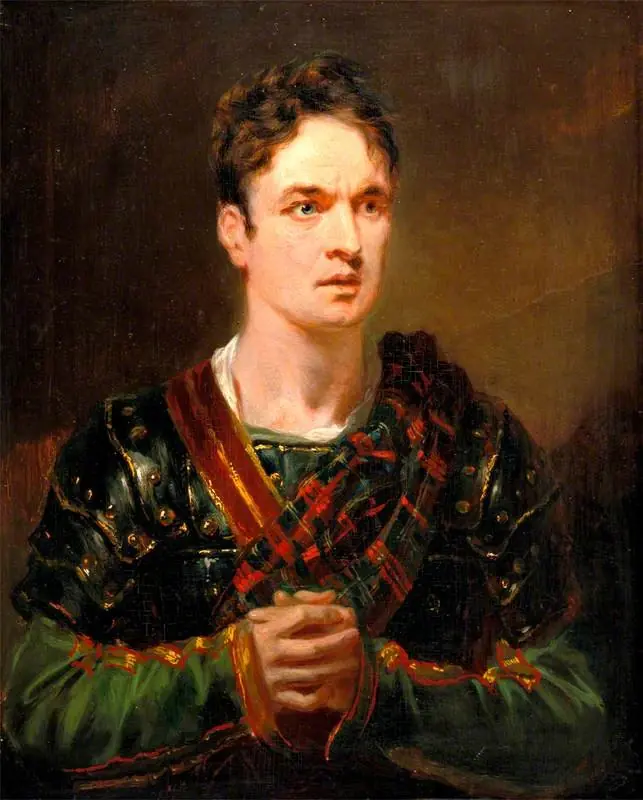 William Charles Macready (1793–1873), as Macbeth in 'Macbeth' by William Shakespeare
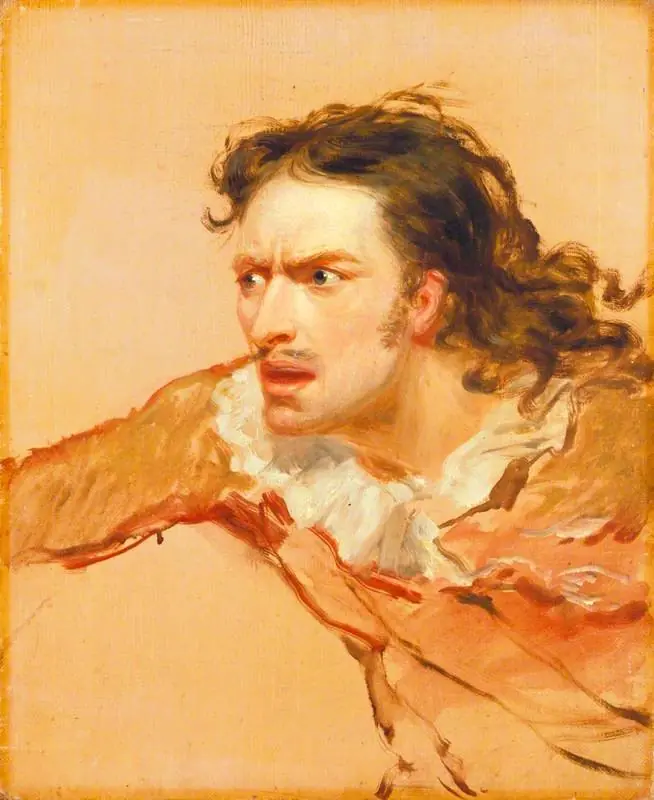 Edmund Kean (1787–1833), as Sir Giles Overreach in 'A New Way to Pay Old Debts' by Philip Massinger
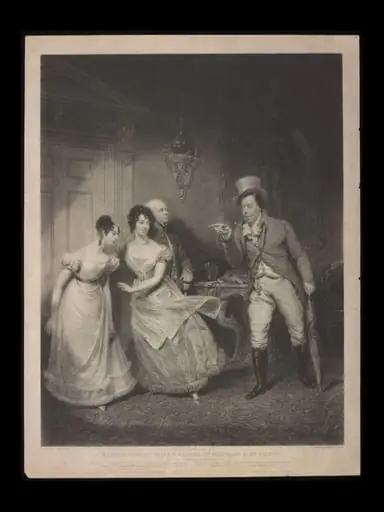 H Beard Print Collection
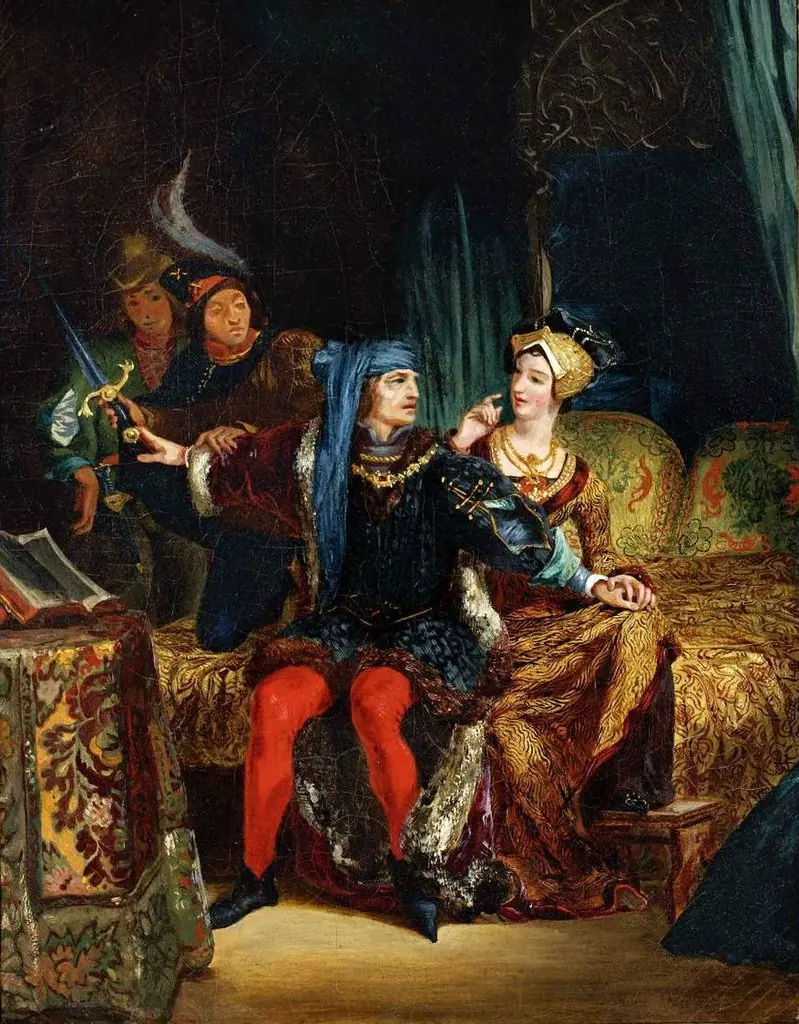 Charles VI et Odette de Champdivers
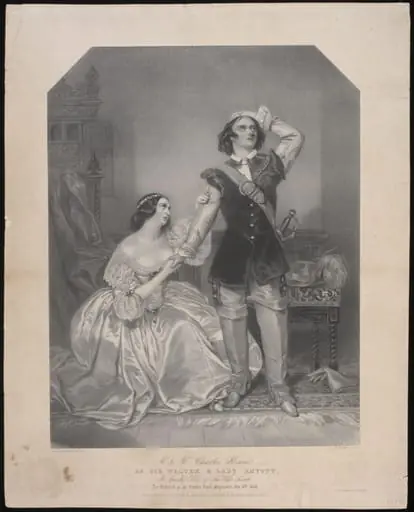 H Beard Print Collection
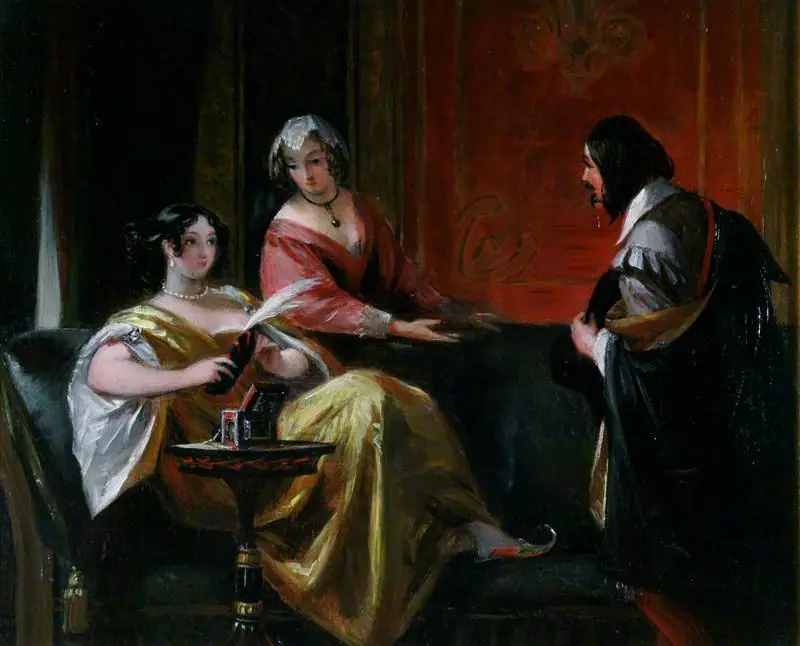 Laura Introducing Gil Blas to Arsenia
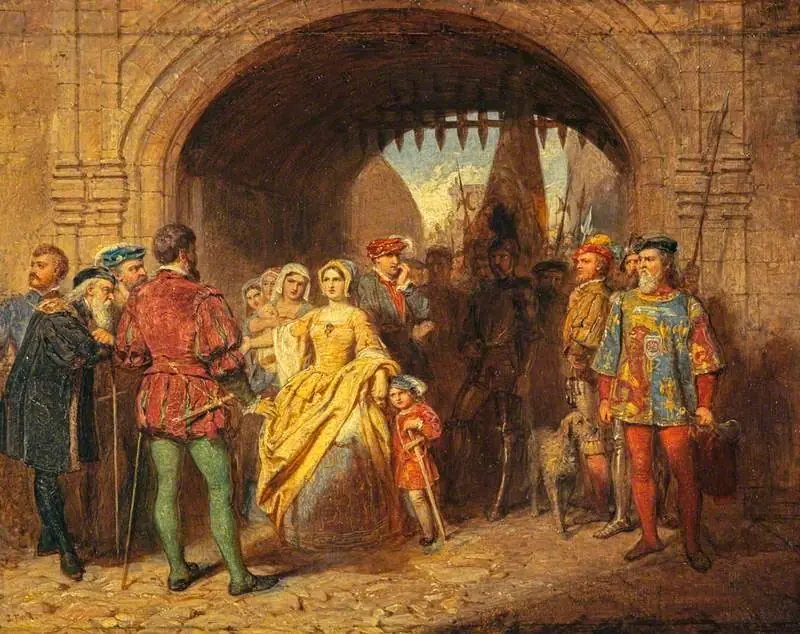 A Study for 'Queen Margaret's Defiance of the Scottish Parliament' (NG 2527)
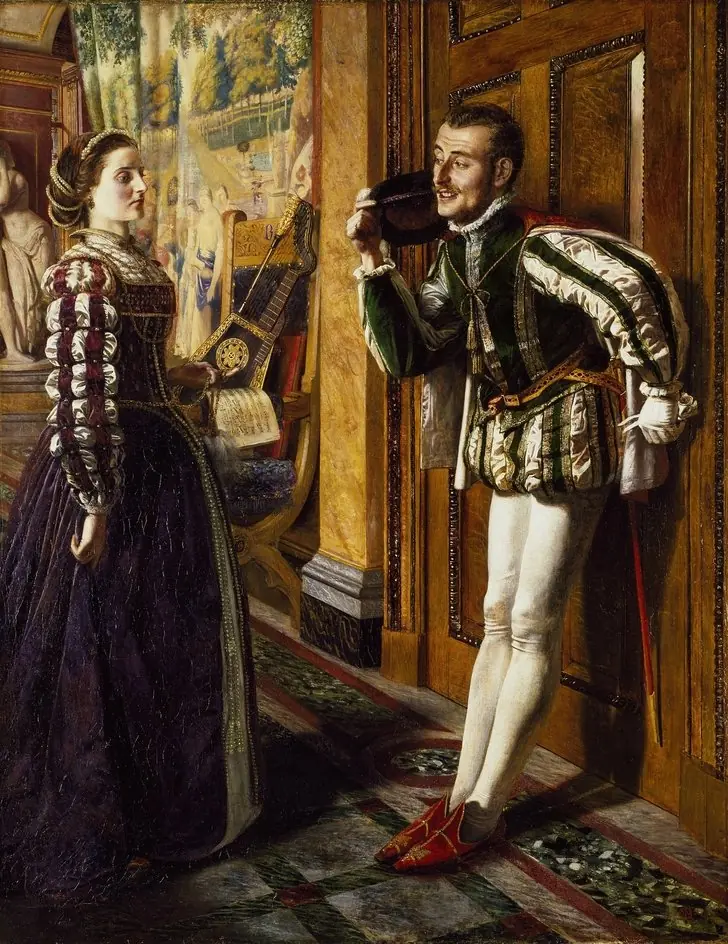 Katherine and Petruchio
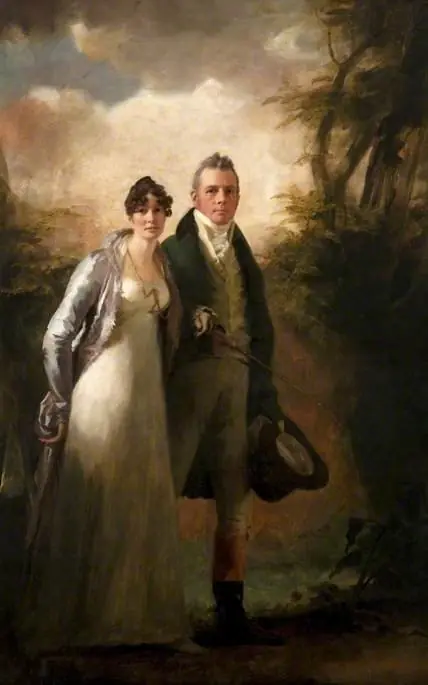 Mr and Mrs Robert N. Campbell of Kailzie
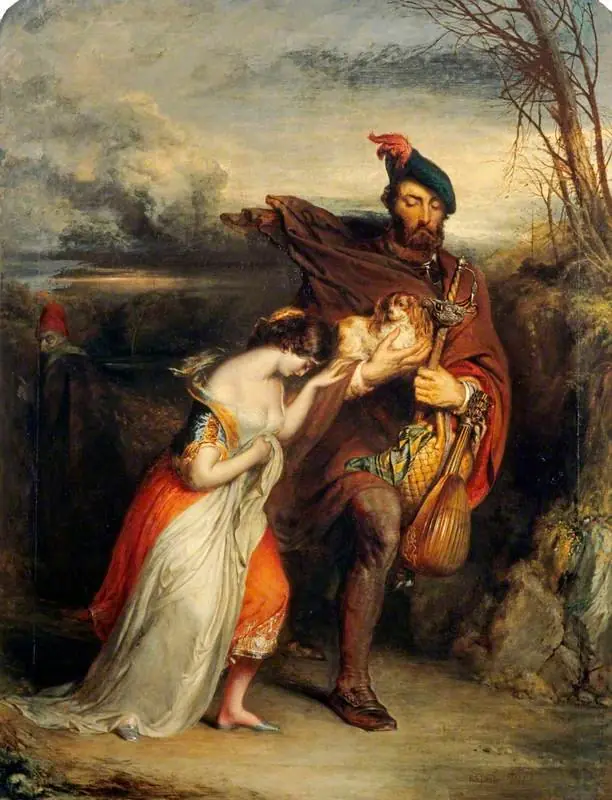 The Gow Chrom Reluctantly Conducting the Glee Maiden to a Place of Safety (from Scott's 'The Fair Maid of Perth')
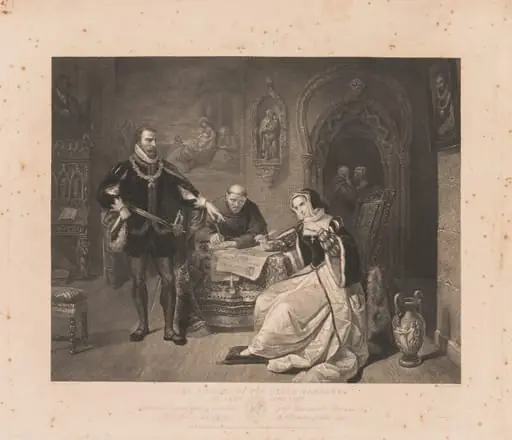 Signing of the Death Warrant of Lady Jane Grey
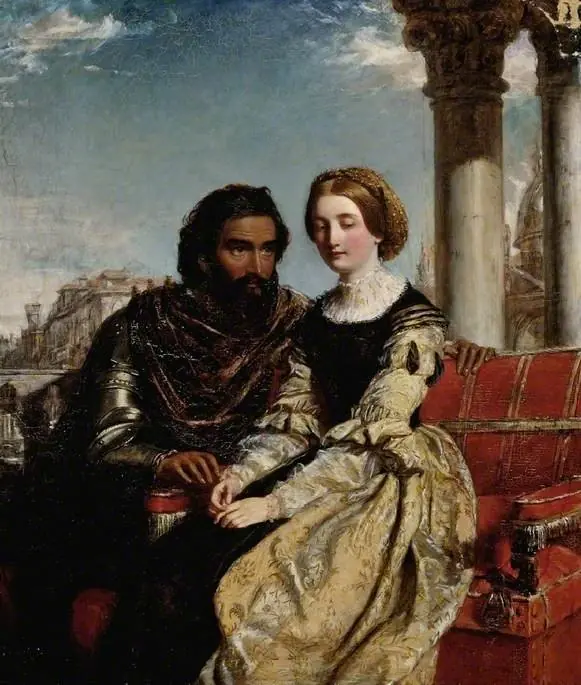 Othello and Desdomona (1856)