Artwork
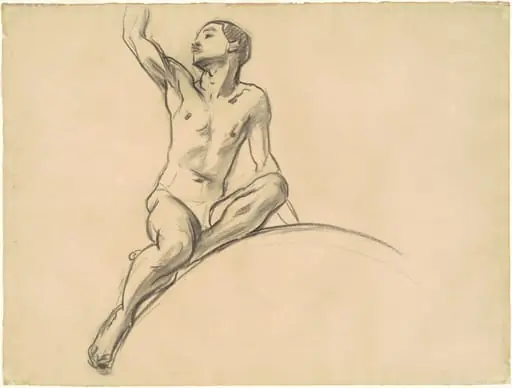
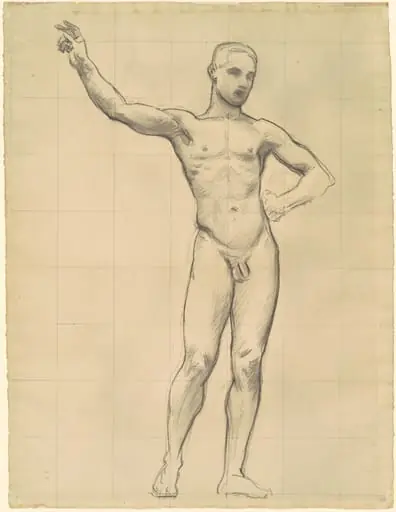
Seated Male Nude [recto]
![Seated Male Nude [recto], by James Goodwyn Clonney, graphite, 1832](https://artifactworldgallery.com/img/james-goodwyn-clonney--seated-male-nude-recto--597d54283cc8fd7f-w1024.webp)
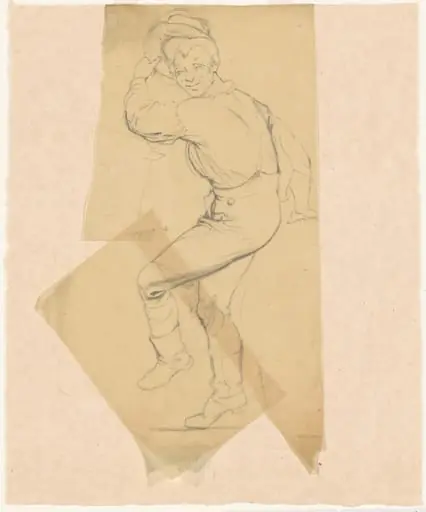
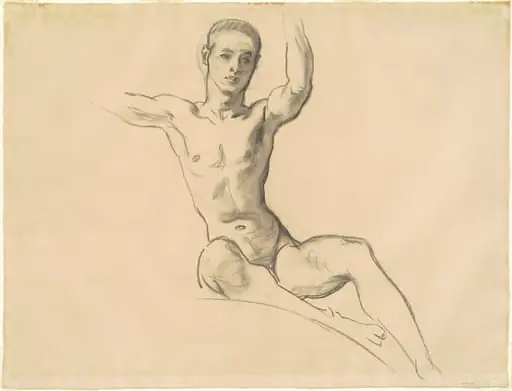
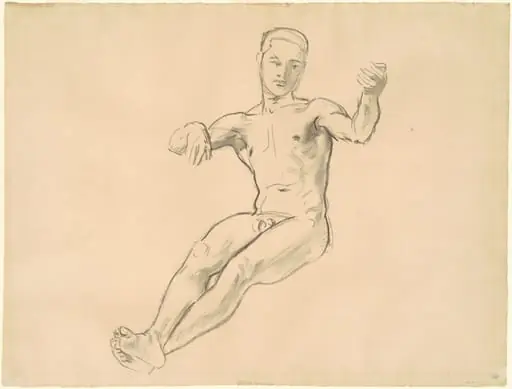
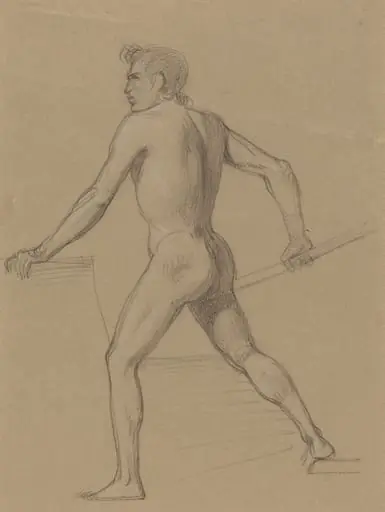
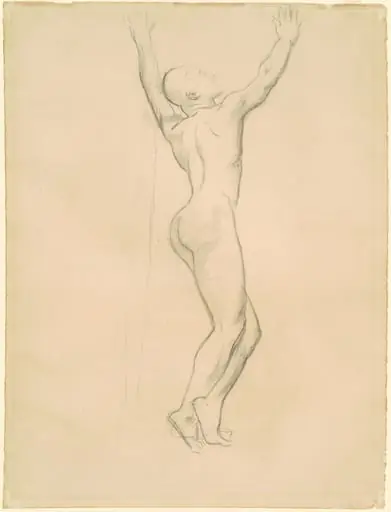
Seated Male Nude [recto] is a graphite drawing by the Romanticist artist James Goodwyn Clonney. It dates from 1832 and is held in the collection of the National Gallery of Art. Created circa 1832, this graphite drawing on wove paper presents a solitary male figure seated on the ground.
About this work
Overview
The study captures the nude’s relaxed posture, with arms resting on the knees and the head turned slightly, offering a concise exploration of human form.
Created circa 1832, this graphite drawing on wove paper presents a solitary male figure seated on the ground. The work is attributed to James Goodwyn Clonney, an English‑born artist active in the United States who is noted for small‑scale genre scenes. The study captures the nude’s relaxed posture, with arms resting on the knees and the head turned slightly, offering a concise exploration of human form.
Subject & Meaning
The drawing focuses solely on the anatomical study of a seated male nude, devoid of narrative props or background details. By isolating the figure, Clonney emphasizes the study of posture and bodily proportion, suggesting a preparatory purpose rather than a finished composition. The casual pose and modest expression invite contemplation of the body as a subject of observation rather than storytelling.
Technique & Style
Executed with graphite on smooth wove paper, the work features swift, loose lines that convey the mass and movement of the body without meticulous rendering. The sketchy quality reflects a rapid study, prioritizing the capture of volume and gesture over surface detail. The tonal range remains restrained, relying on varied pressure to suggest light and shadow across the figure’s musculature.
History & Provenance
Attributed to Clonney, the drawing aligns with his practice of producing preparatory studies for larger genre paintings. While the piece was likely kept among the artist’s personal papers, it later entered a public collection, though specific acquisition details remain undocumented. Its dating to the early 1830s places it within the period when Clonney was establishing his reputation in American art circles.
Context
The early nineteenth‑century American art scene saw a growing interest in academic drawing and the study of the human form, influenced by European academic traditions. Clonney’s work reflects this trend, integrating the disciplined observation of anatomy with the informal, spontaneous qualities associated with American genre painting. The drawing thus serves as a bridge between academic practice and the emerging regional sensibility of the era.
Artist & collection
Artist
James Goodwyn Clonney (28 December 1812, Liverpool (?) – 7 October 1867, Binghamton, NY) was an English-born American genre painter and lithographer.