Artwork
Study for "Apollo and Daphne"
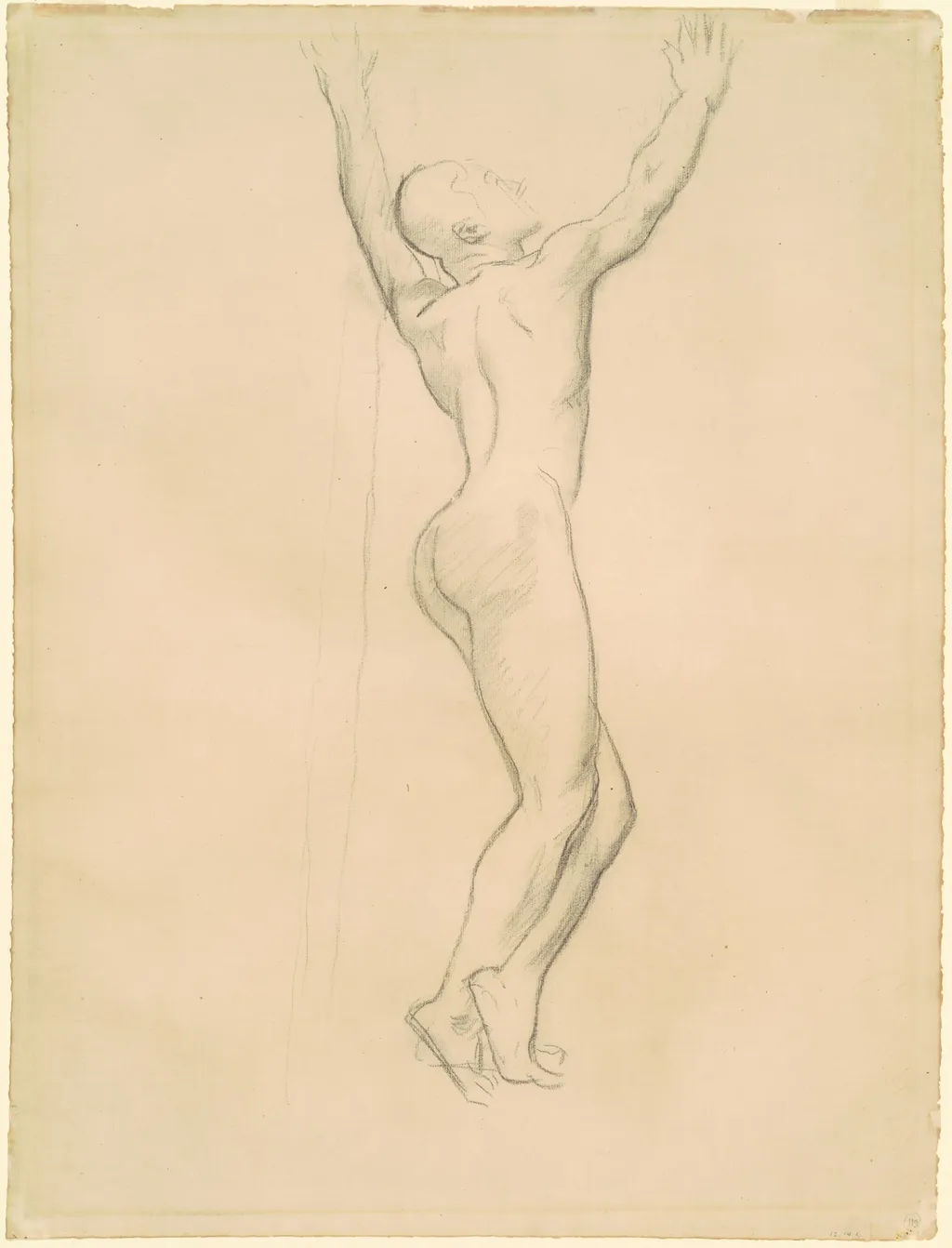
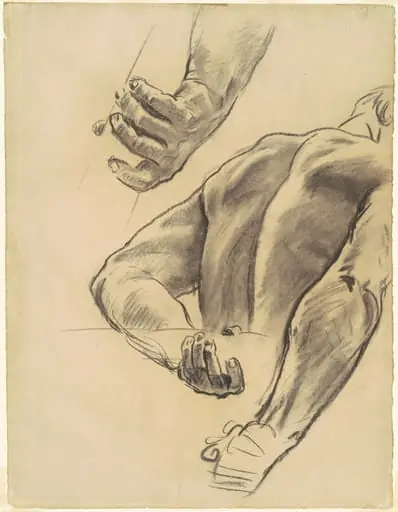
Study for "Apollo and Daphne" is a charcoal drawing by John Singer Sargent. It dates from 1918 and is held in the collection of the National Gallery of Art.
About this work
Overview
John Singer Sargent’s charcoal drawing, titled Study for “Apollo and Daphne,” presents a solitary nude figure seen from behind. The subject is poised on the tips of the feet, arms lifted, head inclined upward, creating a sense of ascent. Executed on laid paper, the work relies on stark monochrome lines to convey the figure’s form and implied motion.
Subject & Meaning
The composition alludes to the classical tale in which Apollo pursues Daphne, who transforms into a laurel tree to evade him. By depicting the body at the moment of extreme elongation, Sargent captures a fleeting instant of desperation and metamorphosis, emphasizing the tension between pursuit and escape inherent in the myth.
Technique & Style
Sargent employs swift, light charcoal strokes that outline the musculature without filling in surface detail, allowing the paper’s texture to suggest volume. The minimalistic approach accentuates the curvature of the spine and the tension in the raised limbs, while the absence of shading creates a sense of immediacy, as if the figure could dissolve into the surrounding space.
Context
Created as a preparatory study, the drawing reflects Sargent’s interest in classical subjects and his practice of using rapid sketches to explore pose and gesture before committing to a larger composition. The work fits within a broader 19th‑century revival of mythological themes among academic artists, who often employed charcoal studies to refine anatomical accuracy and dramatic effect.
Artist & collection
Artist
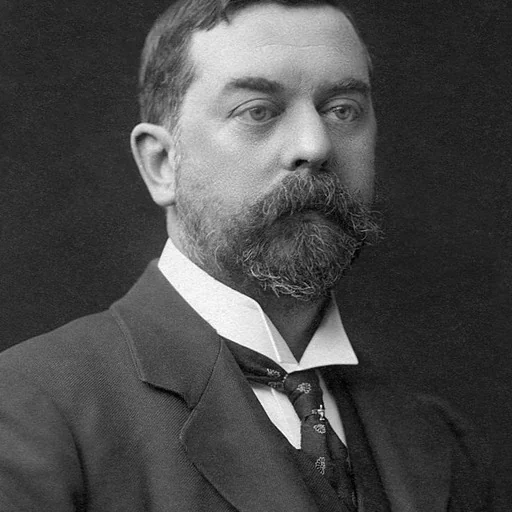
John Singer Sargent (; January 12, 1856 – April 15, 1925) was an American expatriate artist, considered the "leading portrait painter of his generation" for his evocations of Belle Époque and Edwardian-era luxury.


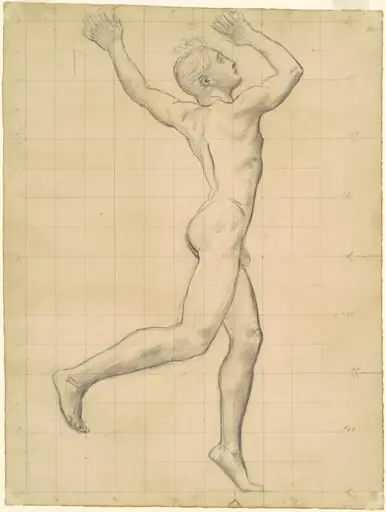 Study of Apollo for "Apollo and Daphne"
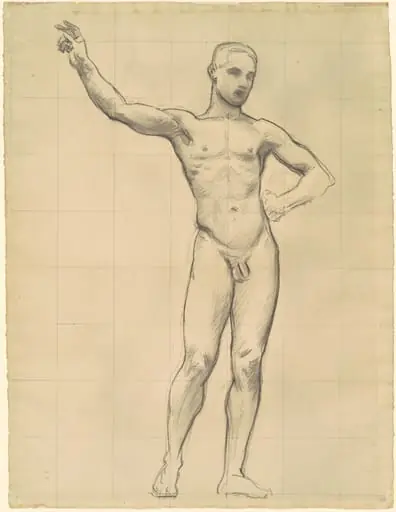 Study of Apollo for "Apollo and the Muses"
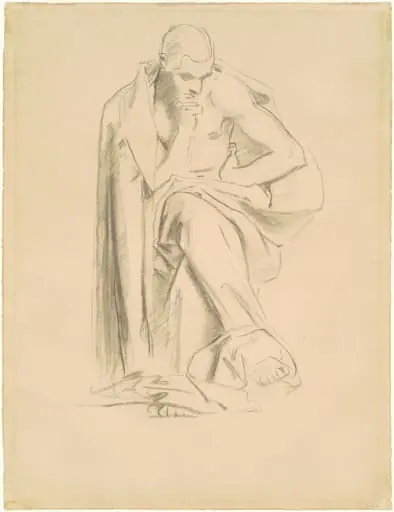 Study for "Philosophy"
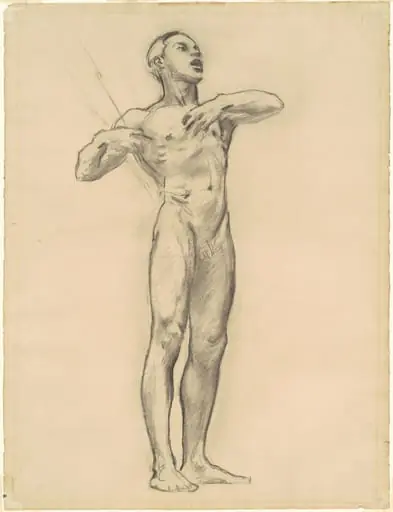 Study of Orpheus for "Classic and Romantic Art"
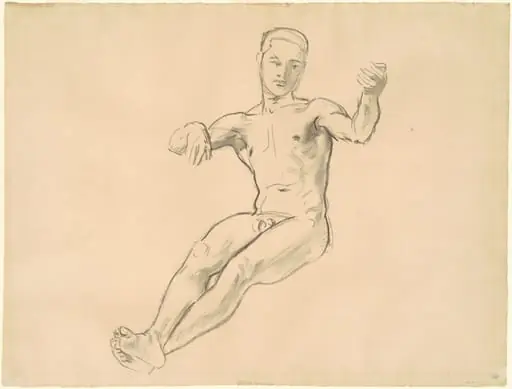 Study for "Arion"
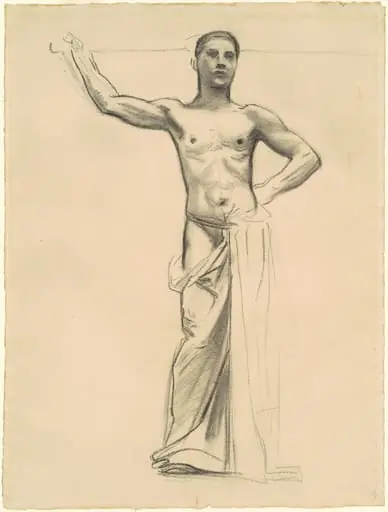 Study of Apollo for "Apollo and the Muses"
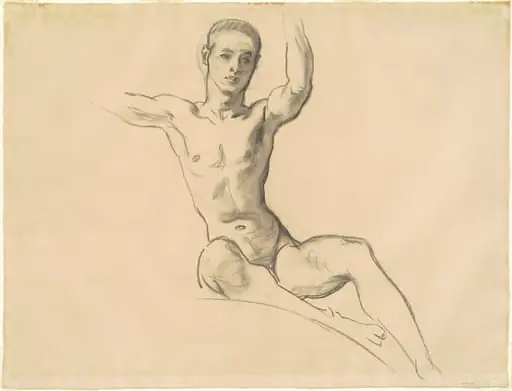 Study for Figure above "Music"
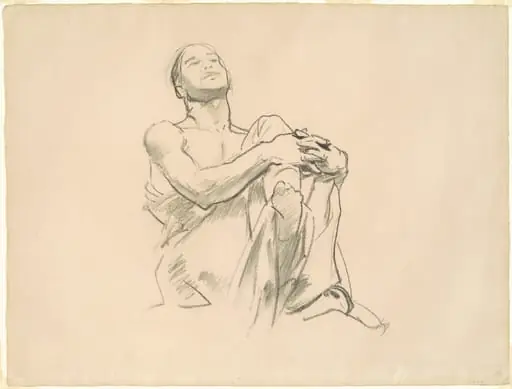 Study for "Astronomy"
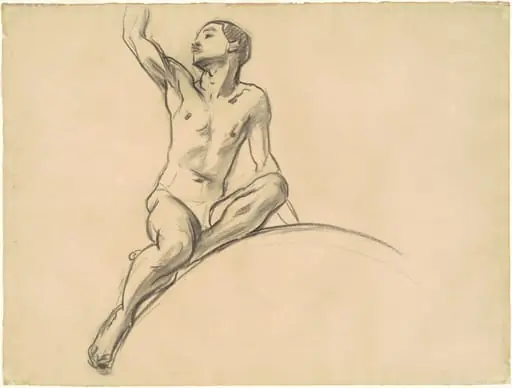 Study for Figure above "Music"
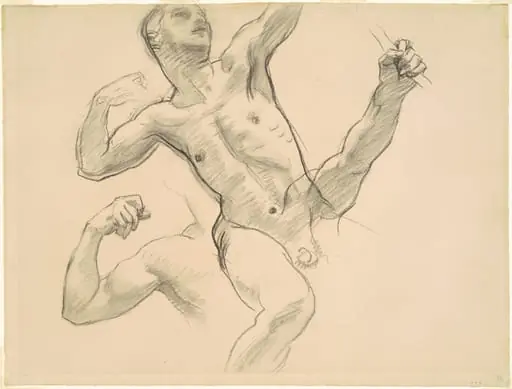 Studies of Achilles for "Chiron and Achilles"
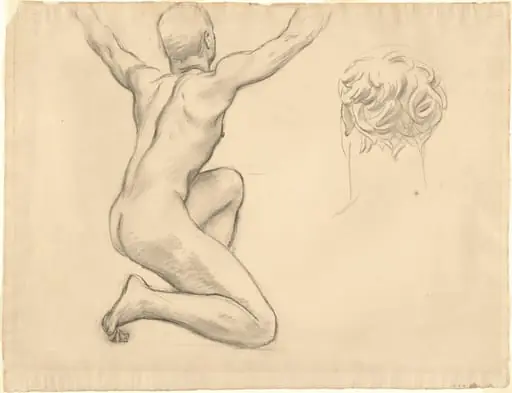 Studies for "The Unveiling of Truth"
 Studies for "Judgment"