Artwork
Flower Print no.2
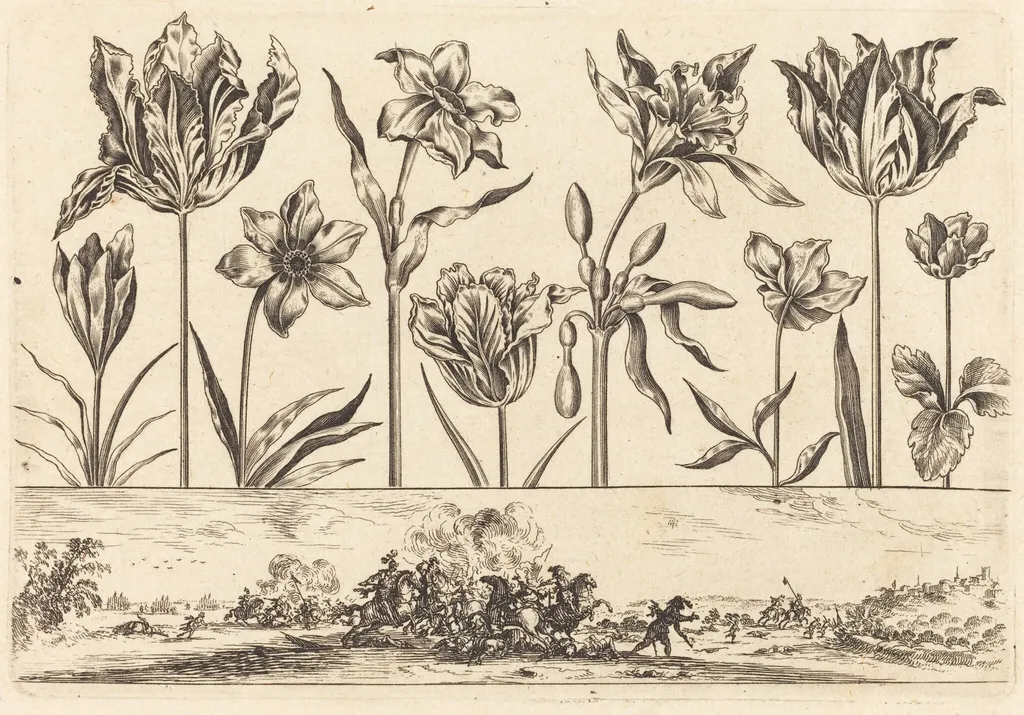
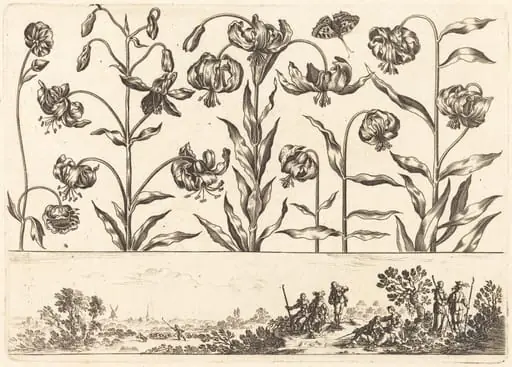
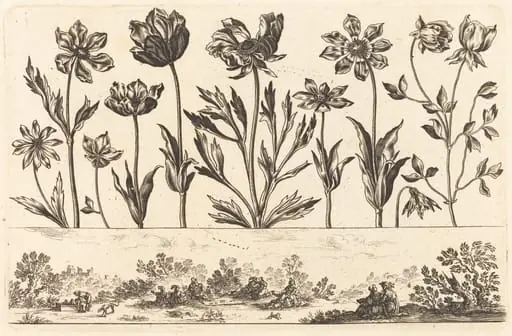
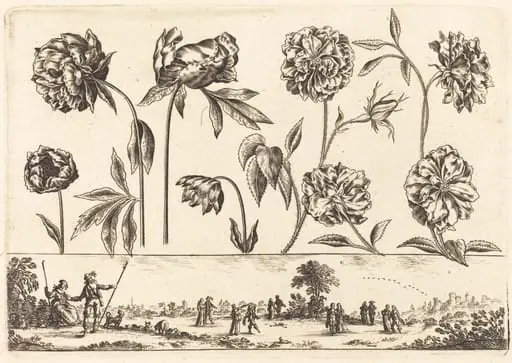
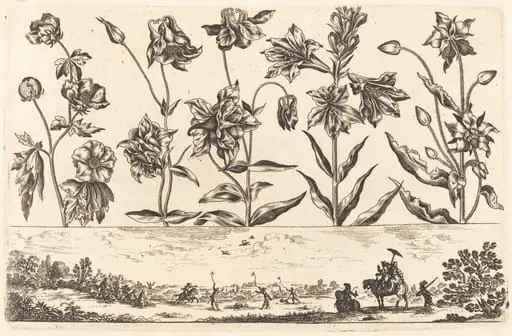
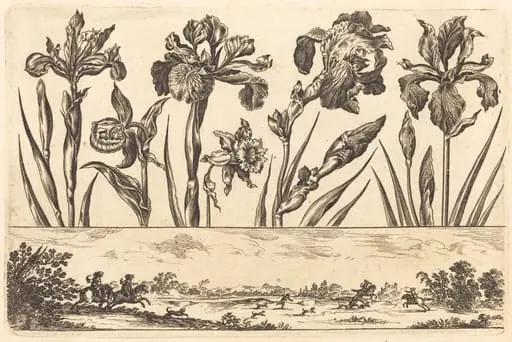
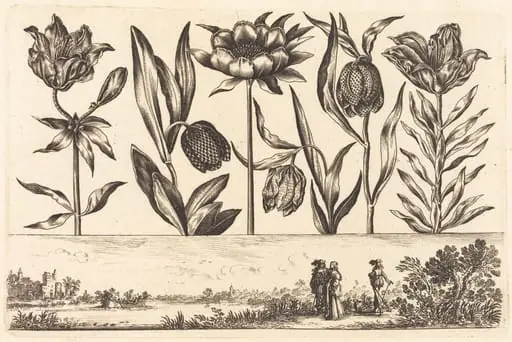
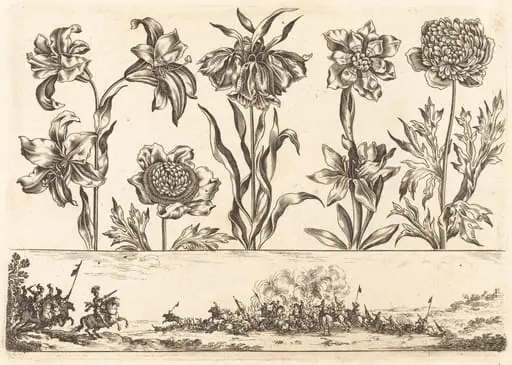
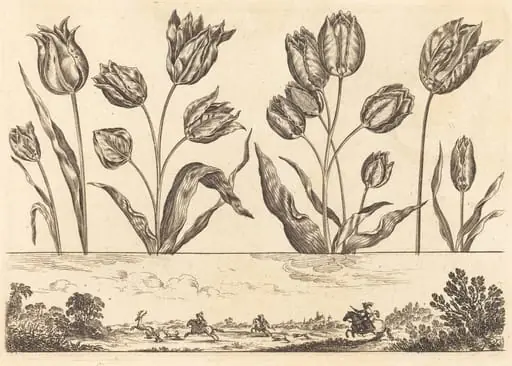
Flower Print no.2 is an ink print by the Baroque artist Nicolas Cochin. It dates from 1645 and is held in the collection of the National Gallery of Art. Flower Print no.
About this work
Overview
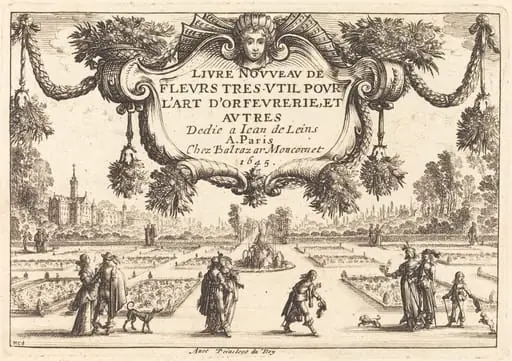
The work belongs to a small series of floral studies, each rendered with careful line work and minimal compositional distraction.
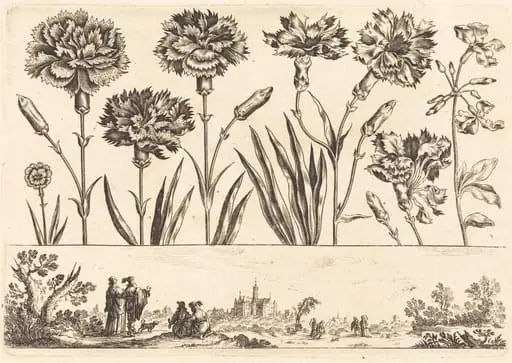
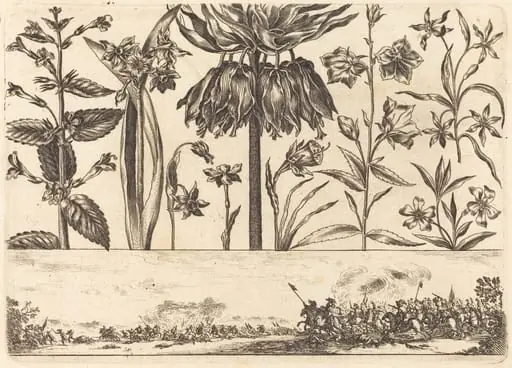
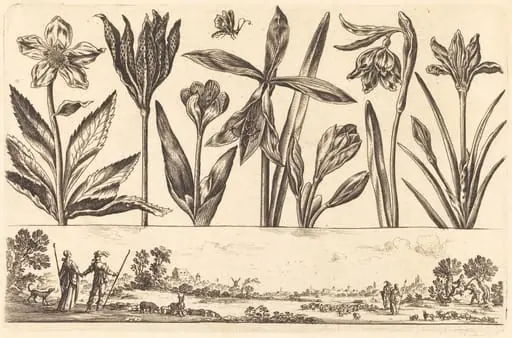
Flower Print no.2 is an etching produced by Nicolas Cochin in 1645. As a print made from a metal plate, it reflects the precision characteristic of 17th-century reproductive techniques. The work belongs to a small series of floral studies, each rendered with careful line work and minimal compositional distraction. Unlike painted flowers of the period, this piece emphasizes structure over color, relying on the tonal range of ink on paper.
Subject & Meaning
The subject is a single, unidentifiable flowering plant, rendered without context or background. Its isolation suggests an interest in botanical form rather than symbolic meaning. In mid-17th-century France, such studies often served as preparatory works or demonstrations of technical skill. The absence of insects, soil, or foliage points to a focus on the plant’s silhouette and internal detail, aligning with emerging scientific observation of natural forms.
Technique & Style
Cochin employed etching, a process involving acid-resistant wax and nitric acid to carve fine lines into a copper plate. The delicacy of the lines—thin, continuous, and evenly spaced—indicates a controlled hand and familiarity with the medium. The print’s clarity and uniformity suggest the plate was well-prepared and carefully inked, with no visible smudging or over-inking. The style is restrained, prioritizing accuracy over expressive flourish.
History & Provenance
The print was made during Cochin’s early career in Paris, when he was active in producing reproductive engravings for books and collections. Few individual impressions of Flower Print no.2 survive, and most are held in institutional archives rather than private collections. Its date aligns with a broader trend among French printmakers to document natural specimens, though this piece lacks the commercial or scholarly annotations common in contemporary botanical publications.
Context
In the 1640s, France saw growing interest in natural history, fueled by the expansion of botanical gardens and the rise of illustrated scientific texts. While Cochin was primarily known for portraiture and historical scenes, this etching reflects a wider cultural shift toward detailed observation of the natural world. Similar floral studies appeared in the work of Dutch and Flemish artists, but Cochin’s version remains distinct in its austerity and lack of decorative embellishment.
Legacy
Flower Print no.2 does not appear to have influenced major artistic movements, but it exemplifies the quiet precision of French printmaking in the Baroque era. It survives today as a specimen of technical discipline rather than artistic innovation. Scholars reference it primarily as evidence of Cochin’s versatility and the broader use of etching for non-narrative, observational subjects in 17th-century Europe.
Artist & collection