Artwork
Amsterdam Suite
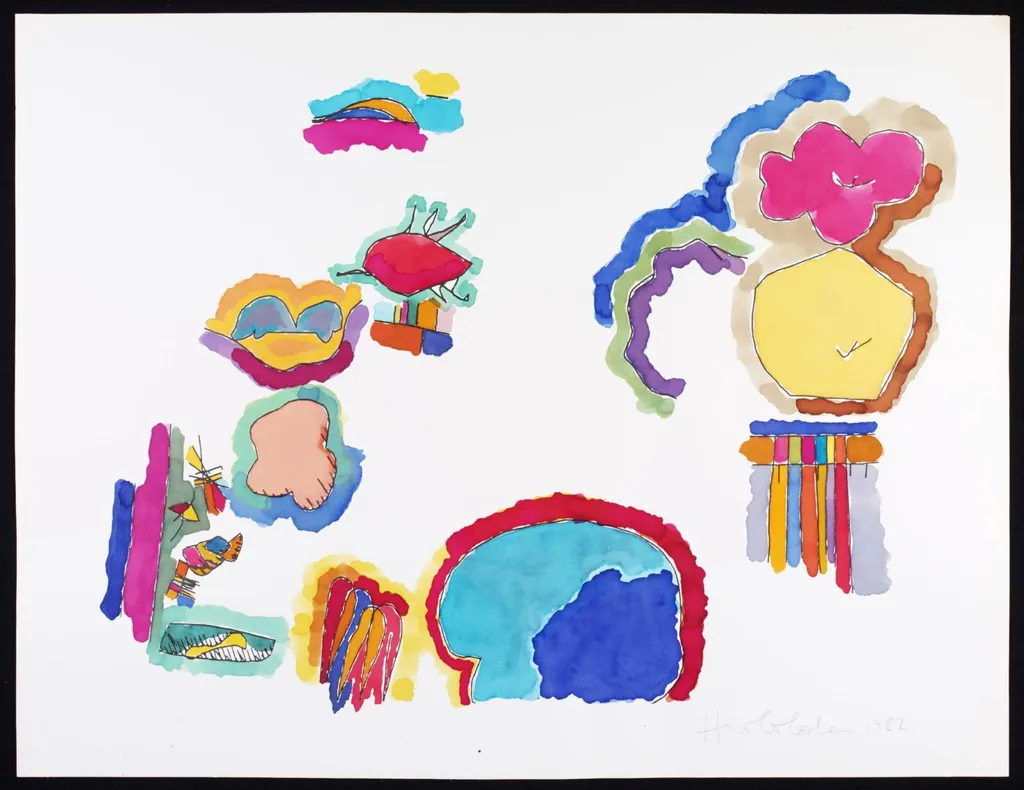
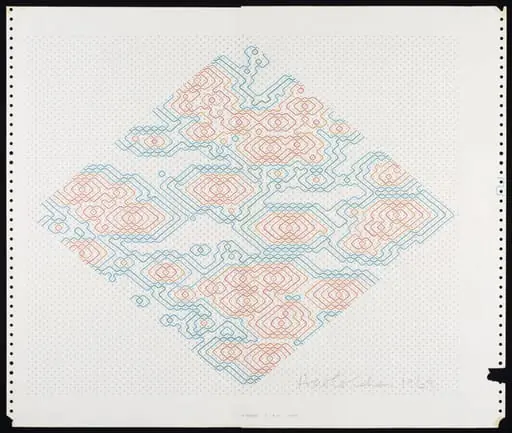
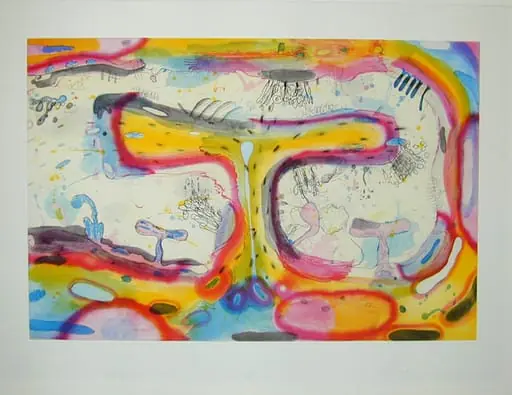
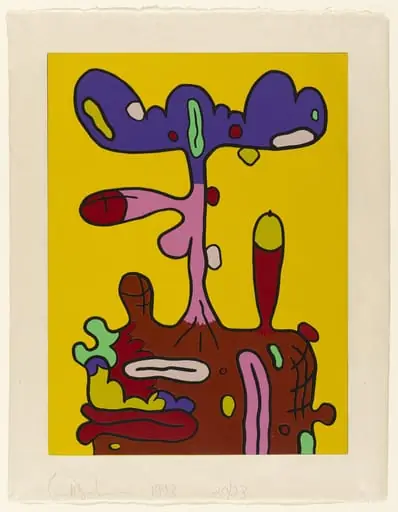
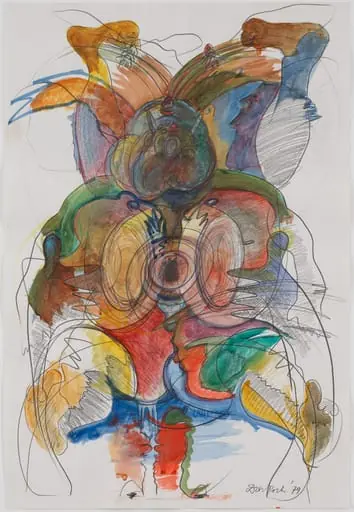
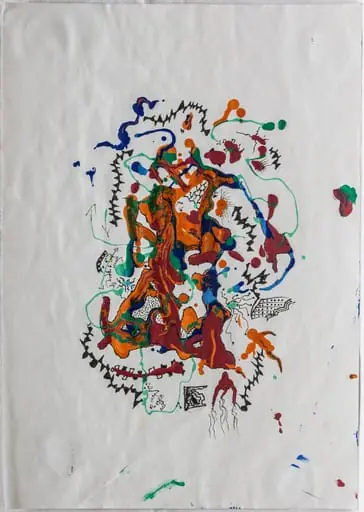
Amsterdam Suite is a drawing by Harold Cohen. It dates from 1977 and is held in the collection of the Victoria and Albert Museum.
About this work
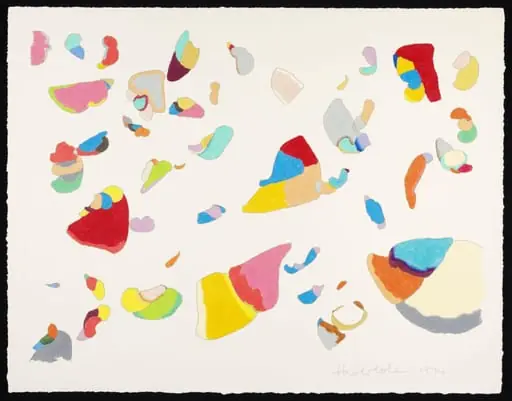
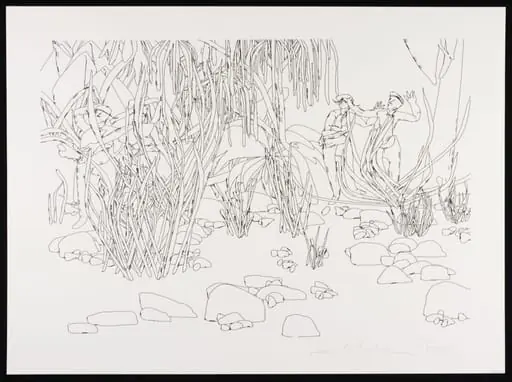
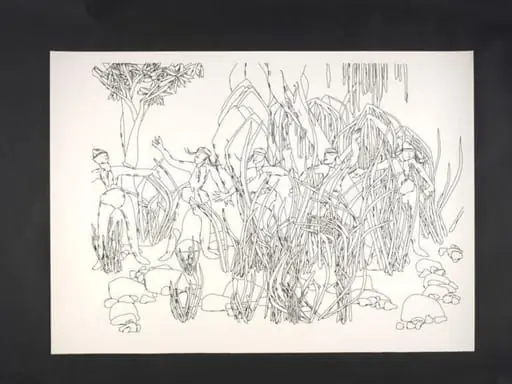
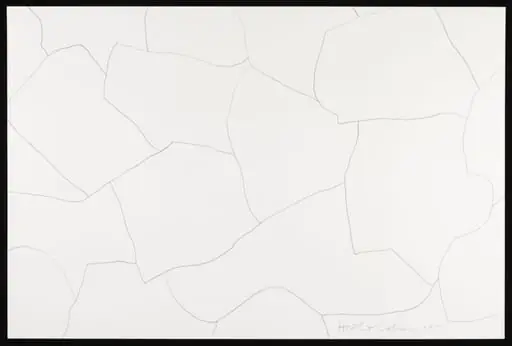
The drawing is called Amsterdam Suite, made by Harold Cohen in 1977.
It's an abstract drawing, which means it doesn't show recognizable objects.
Cohen used a computer program to create this drawing, which is interesting because it was a new way of making art at the time.
He developed this program, called Aaron, while working at a university lab.
Check out the work of artist: Cohen, Harold.
Overview
This work emerged from his time at Stanford’s Artificial Intelligence Laboratory, where he sought to translate the act of drawing into algorithmic rules.
Harold Cohen created the drawing known as Amsterdam Suite in 1977 using a computer program he developed called Aaron. This work emerged from his time at Stanford’s Artificial Intelligence Laboratory, where he sought to translate the act of drawing into algorithmic rules. It was part of a series prepared for his 1977–78 solo exhibition at the Stedelijk Museum in Amsterdam, marking one of the earliest instances of computer-generated art presented in a major museum context.
Subject & Meaning
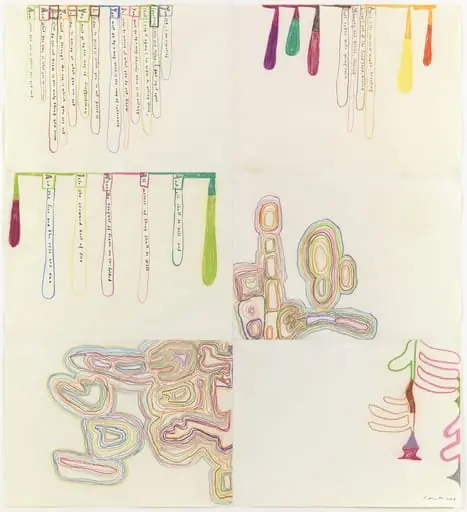
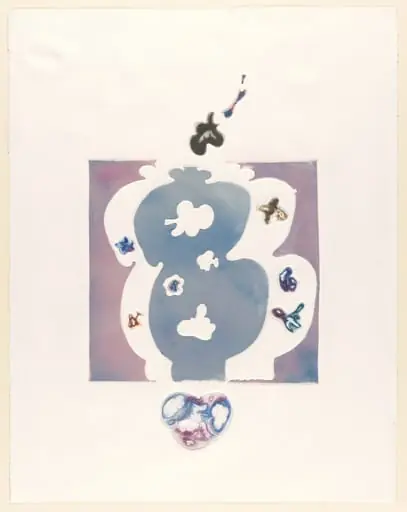
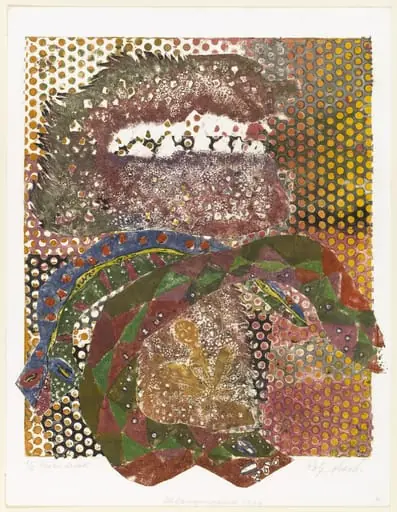
The drawing is abstract, avoiding representation of figures or objects. Its forms arise from procedural rules encoded in Aaron, reflecting Cohen’s interest in automating artistic decision-making rather than depicting the visible world. The absence of recognizable subject matter underscores his focus on the process of creation itself, positioning the machine as a collaborator in generating visual structure.
Technique & Style
Aaron produced the original line work in monochrome, using a computer-controlled turtle device that moved across paper to lay down ink. Cohen later added color by hand and signed and dated the work in 1982, blending machine-generated structure with manual intervention. The resulting composition consists of flowing, interwoven lines that suggest rhythm and growth without mimicking natural forms.
History & Provenance
Created for Cohen’s 1977–78 exhibition at the Stedelijk Museum, Amsterdam Suite was among the first computer-generated drawings exhibited as fine art. A black-and-white version, titled Amsterdam Suite A (E.328-2009), was produced the same year. The original turtle device used to generate the drawing was displayed alongside the prints but retired shortly after the exhibition, as Cohen shifted focus to refining the software.
Context
In the early 1970s, few artists engaged with computing as a medium. Cohen’s work at Stanford placed him at the intersection of art and artificial intelligence, a rare field at the time. His development of Aaron challenged assumptions about creativity and authorship, positioning the computer not as a tool but as a system capable of generating visual outcomes through programmed logic.
Legacy
Amsterdam Suite stands as an early example of algorithmic art entering institutional collections. Cohen’s persistence in refining Aaron over decades influenced later generations of digital artists. The work’s hybrid nature—machine-generated yet manually finished—helped establish a precedent for the role of human oversight in computer-assisted art, bridging analog tradition with emerging computational practices.
Artist & collection

Artist
Harold Cohen was a British-born artist who was noted as the creator of AARON, a computer program designed to produce paintings and drawings autonomously, which set it apart from previous programs.