Artwork
Rodin
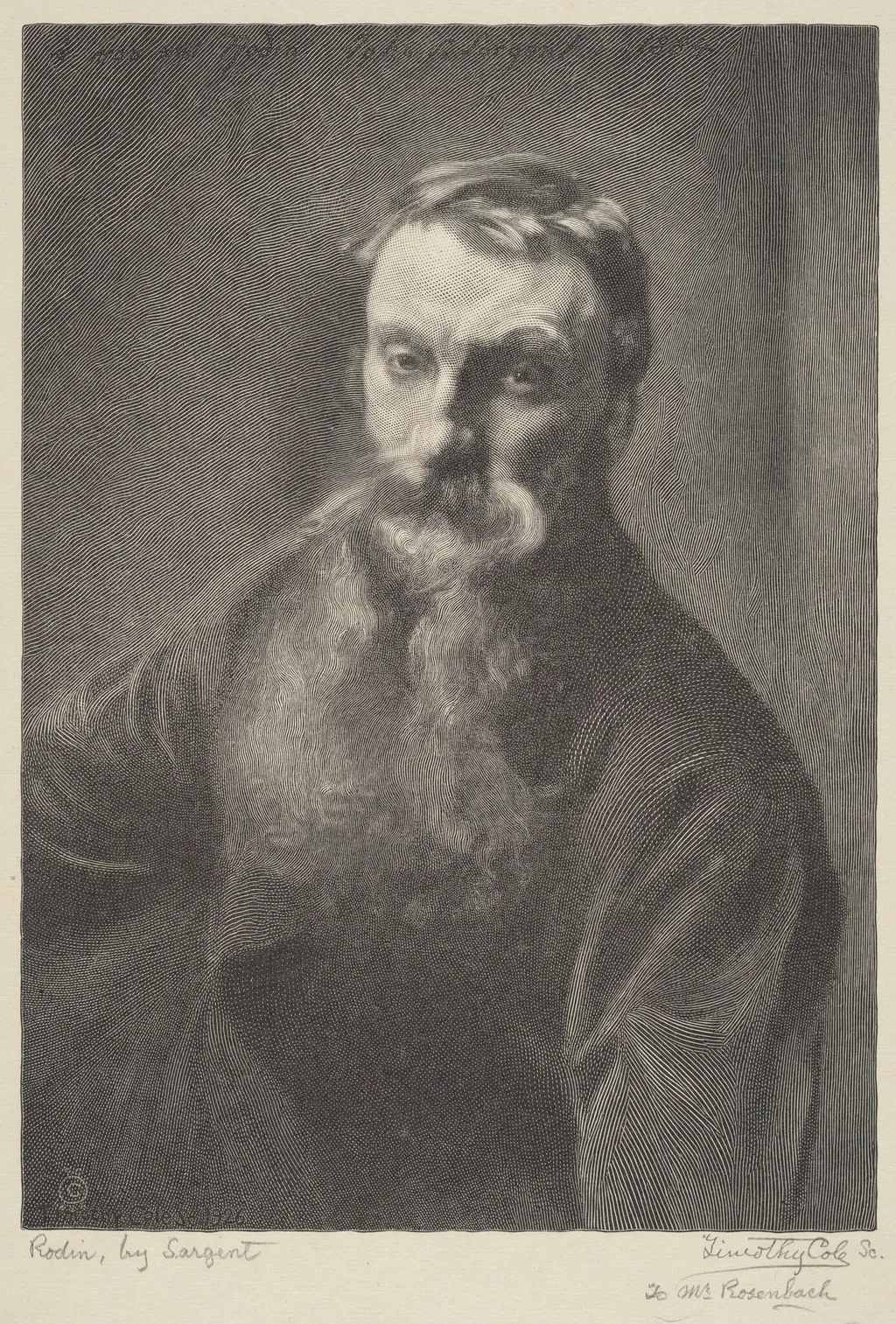
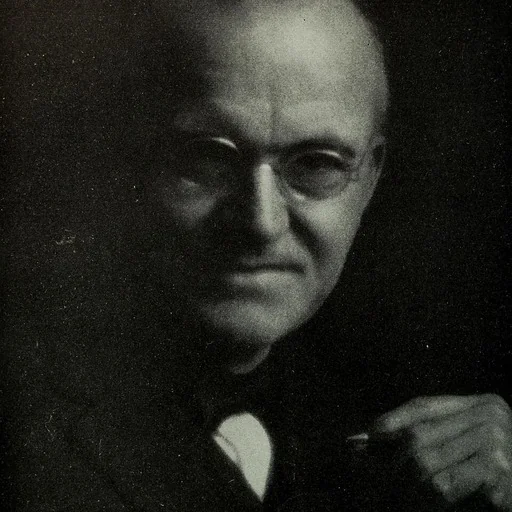
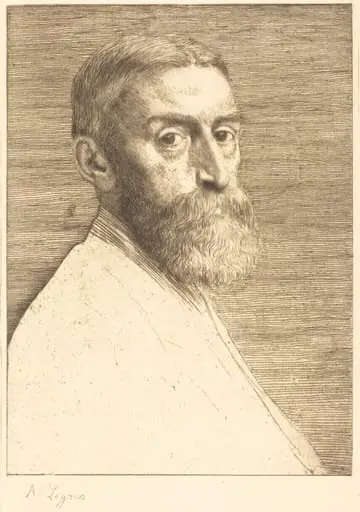
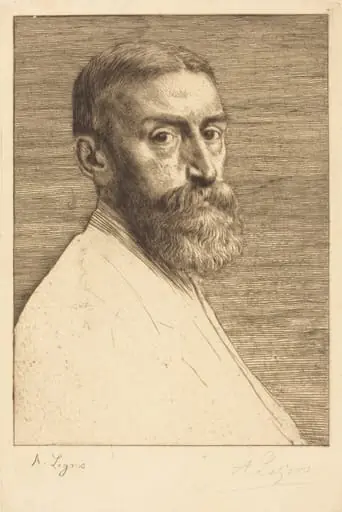
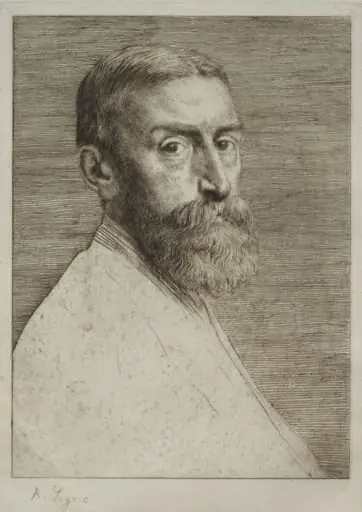
Rodin is an ink print by Timothy Cole. It dates from 1926 and is held in the collection of the National Gallery of Art.
About this work
Overview
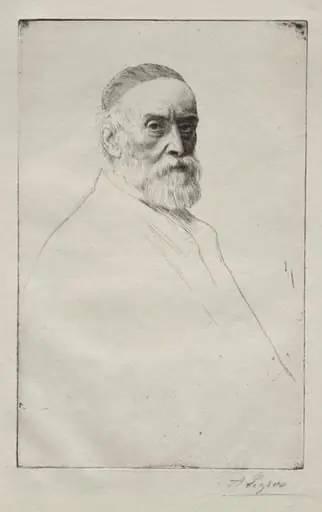
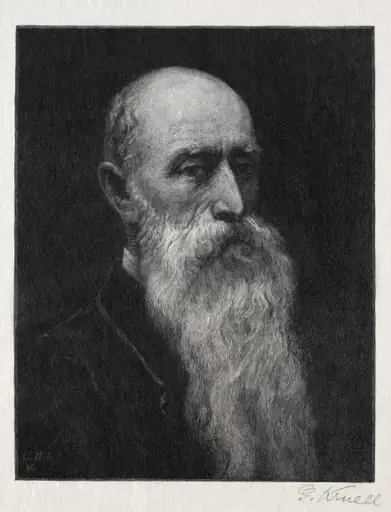
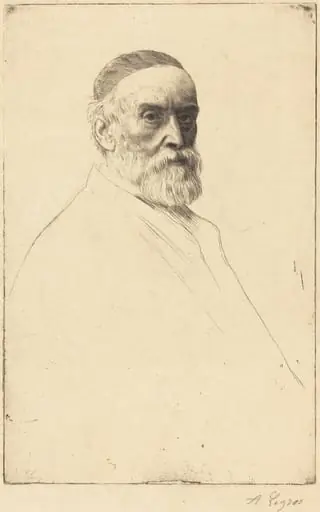
Timothy Cole’s 1926 wood engraving titled “Rodin” presents a monochrome portrait of an elderly man with a full beard and curly hair. The figure’s head is turned slightly, giving the impression of a contemplative gaze. The image is rendered entirely in black and white, emphasizing line and texture over color.
Subject & Meaning
The work depicts a distinguished, bearded gentleman, likely intended as a likeness of the sculptor Auguste Rodin, though the engraving does not include any overt symbols of his artistic practice. The thoughtful expression and turned profile suggest a moment of introspection, inviting viewers to consider the inner life of the sitter.
Technique & Style
Cole employed fine cross‑hatching, arranging countless parallel and intersecting lines to create tonal variation and depth. This method builds shadows and texture, especially evident in the dense rendering of the beard and hair. The precision of the woodcut technique gives the portrait a crisp, almost sculptural quality.
History & Provenance
Created in 1926, the engraving is part of Cole’s broader series of reproductions of notable figures and artworks. As a print, it would have been produced in limited numbers, allowing wider dissemination of the image during the early twentieth century.
Context
Wood engraving was a popular medium for portraiture in the late nineteenth and early twentieth centuries, valued for its ability to convey fine detail. Cole, a prolific American engraver, often translated paintings and photographs into prints, contributing to the era’s visual culture before the dominance of photographic reproduction.
Artist & collection