Artwork
Claudio Ridolfi
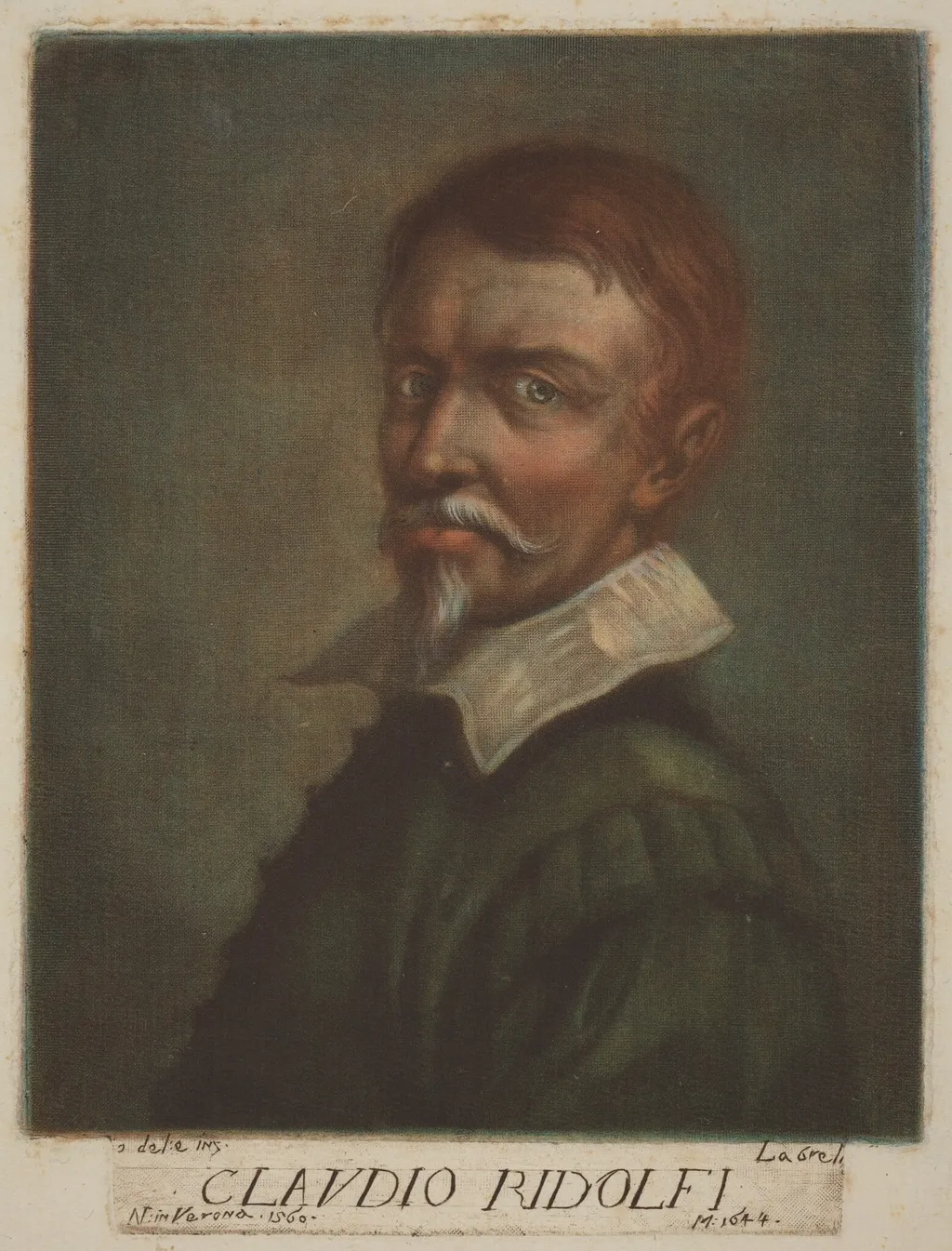
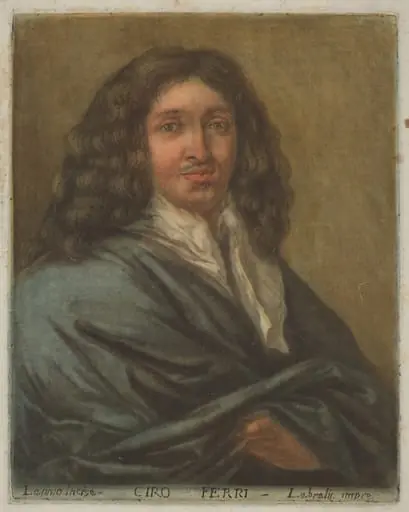
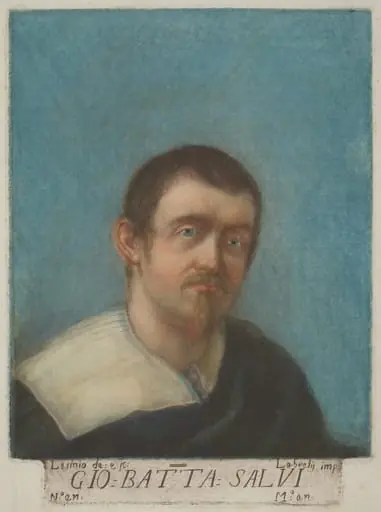
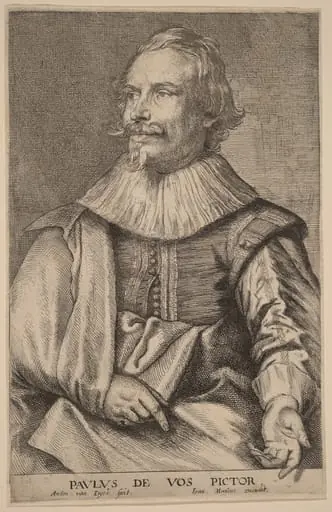
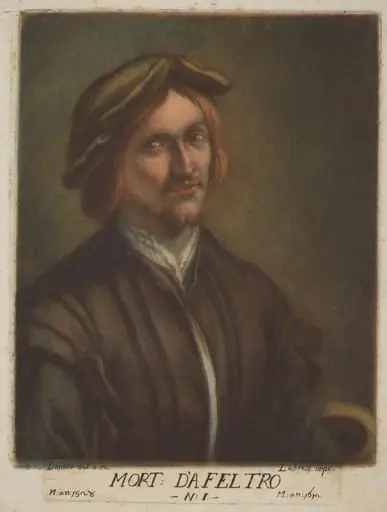
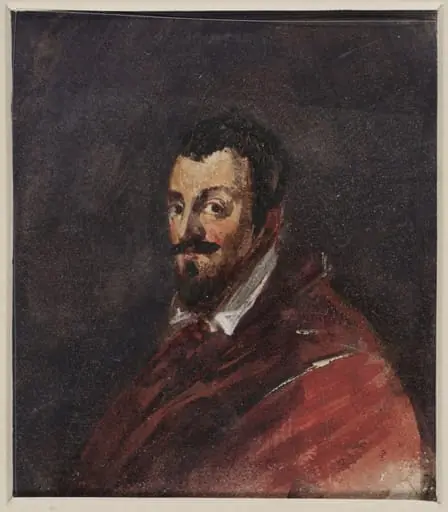
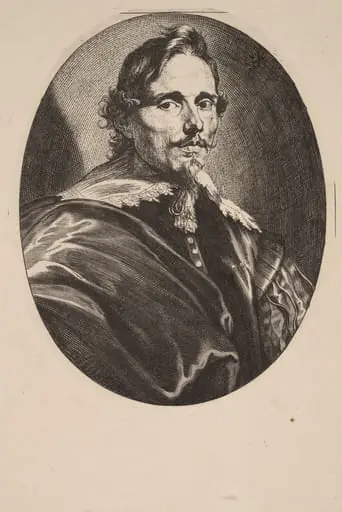
Claudio Ridolfi is an ink print by the Romanticist artist Carlo Lasinio. It dates from 1789 and is held in the collection of the National Gallery of Art.
About this work
The signature at the bottom says *Claudio Ridolfi* but the artist is actually Carlo Lasinio, who made this print in 1789.
This portrait shows a man with a serious expression, resting his chin on his hand. He’s wearing a dark coat with a white collar and a mustache. The background is plain and dark, keeping all the focus on his face.
The signature at the bottom says *Claudio Ridolfi* but the artist is actually Carlo Lasinio, who made this print in 1789. The technique uses soft shading to make the face look three-dimensional.
Look up chiaroscuro to see how this lighting trick works in other art.
Overview
This 1789 color mezzotint presents a portrait of the 17th‑century painter Claudio Ridolfi. Executed by the Italian printmaker Carlo Lasinio, the image captures Ridolfi in a contemplative pose, his chin supported by a hand and his gaze directed outward. The composition is framed by a plain, dark background that isolates the sitter and emphasizes the facial features.
Subject & Meaning
The work depicts Ridolfi, noted for his religious and mythological canvases, rendered here with a sober expression that suggests introspection or professional gravitas. The modest attire—a dark coat with a white collar—and the neatly trimmed mustache convey the dignified demeanor typical of artists of his era, while the lack of ornamental surroundings focuses attention on his identity as a painter.
Technique & Style
Lasinio employed the mezzotint process, a method that builds tonal depth through a textured plate and successive burnishing. The print’s soft gradations of light and shadow create a subtle three‑dimensionality, especially across the cheekbones and folds of the coat. This chiaroscuro effect, achieved without line work, lends the portrait a quiet realism characteristic of late‑18th‑century Italian printmaking.
History & Provenance
Created in 1789, the mezzotint bears Lasinio’s signature and the name of its subject, linking the two artists across a century. While the original drawing by Ridolfi is not known, the print circulated among collectors of Italian art in the early 19th century, eventually entering museum collections that document the interplay between painter and printmaker in the period.
Artist & collection