Artwork
Battle of Saint Ephesius
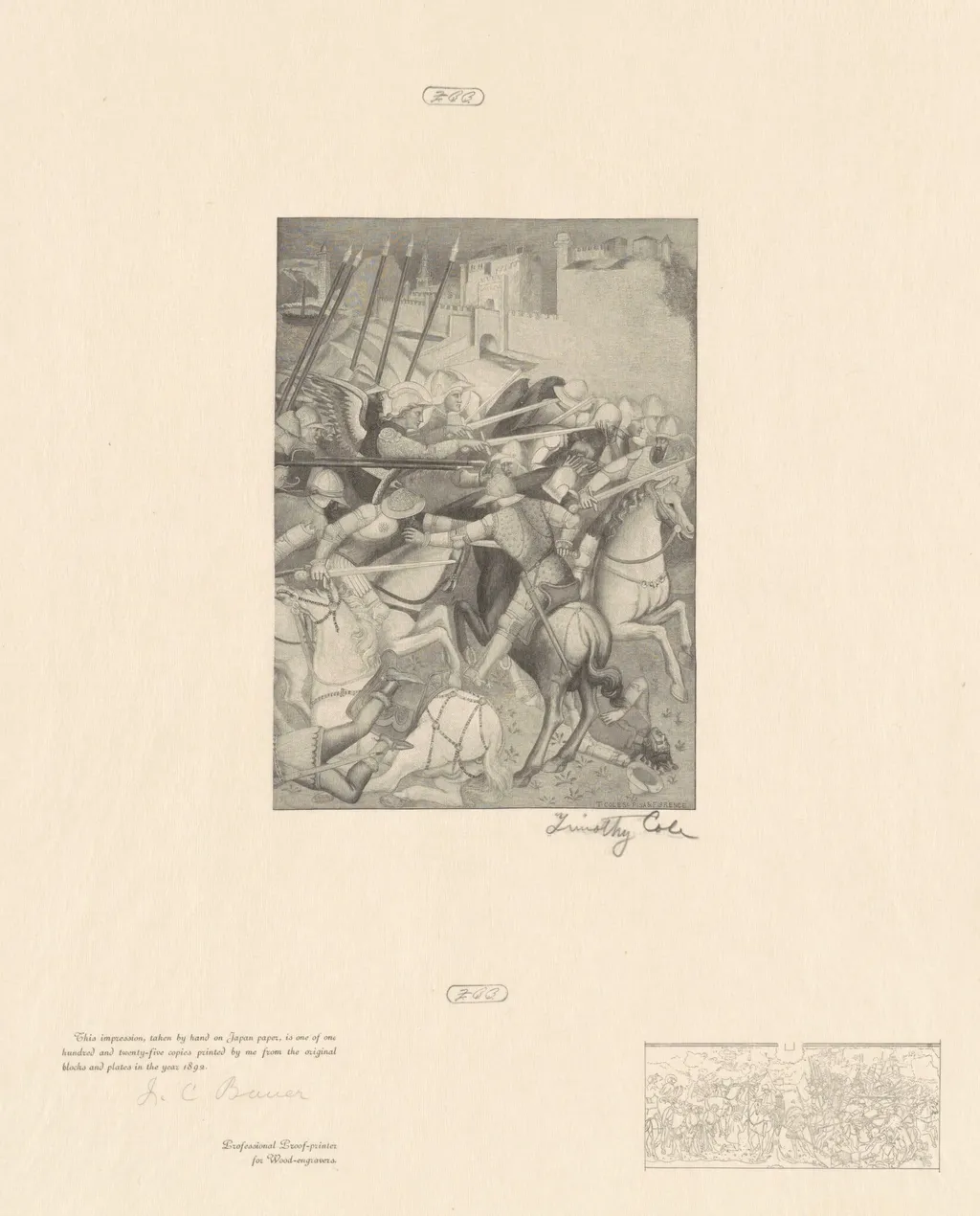
Battle of Saint Ephesius is an ink print by the Impressionist artist Timothy Cole. It dates from 1890 and is held in the collection of the National Gallery of Art.
About this work
Overview
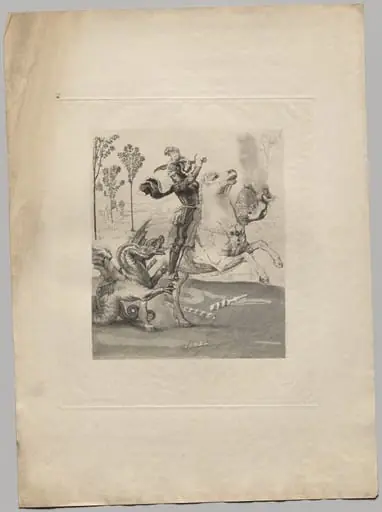
Created in 1890 by Timothy Cole, this black-and-white wood engraving depicts a violent medieval conflict centered on Saint Ephesius.
Created in 1890 by Timothy Cole, this black-and-white wood engraving depicts a violent medieval conflict centered on Saint Ephesius. Rendered in fine linear detail, the scene captures a moment of intense combat between mounted and infantry forces. The composition is tightly packed, with figures and architecture arranged to convey chaos and scale. The work belongs to the tradition of narrative religious prints, translating sacred history into a visceral visual drama.
Subject & Meaning
The scene portrays a legendary battle associated with Saint Ephesius, likely drawn from hagiographic tradition. Though the specific historical event is obscure, the imagery emphasizes divine intervention through human conflict—soldiers locked in combat beneath a looming castle, fallen warriors scattered across the foreground. The inclusion of architecture suggests a sacred site under siege, reinforcing the theme of spiritual struggle made manifest in physical warfare.
Technique & Style
Cole employed wood engraving, a method involving incising fine lines into the end grain of hardwood. This allowed for exceptional precision and contrast, enabling dense, intricate compositions. Sharp, angular strokes define armor, weapons, and motion, while areas of solid black create depth and drama. The technique’s capacity for fine detail suited Cole’s interest in historical narratives, producing images that balanced clarity with emotional intensity.
History & Provenance
The print was produced in 1890 during a period of renewed interest in religious and medieval themes in American printmaking. Cole, known for his book illustrations and reproductive engravings, likely created this as a standalone work for collectors or religious institutions. No documented early ownership is recorded, but it aligns with the broader 19th-century revival of engraved religious imagery in the United States.
Context
In late 19th-century America, wood engraving was widely used in illustrated periodicals and devotional materials. Cole’s work reflects this trend, blending academic precision with popular religious storytelling. The depiction of medieval combat resonated with contemporary fascination with chivalry and historical authenticity, even as the subject itself drew from obscure legend rather than documented history.
Legacy
Though not widely exhibited today, the print exemplifies Timothy Cole’s mastery of wood engraving and his role in sustaining narrative printmaking into the modern era. It stands as a testament to the technical rigor of pre-photographic illustration and the enduring appeal of religious conflict as a visual subject. The work remains a reference point for understanding how sacred stories were rendered in mechanical media during the Gilded Age.
Artist & collection

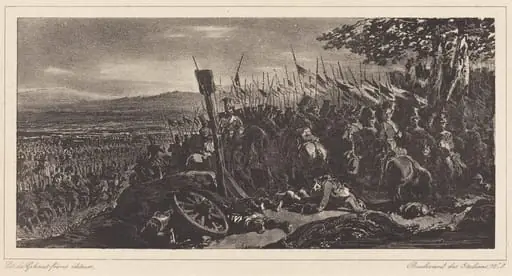 Battle Scene
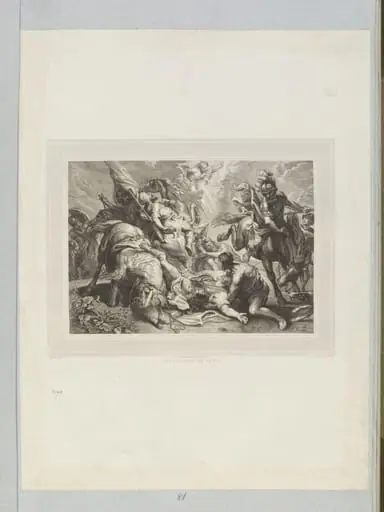 The Conversion of Saul
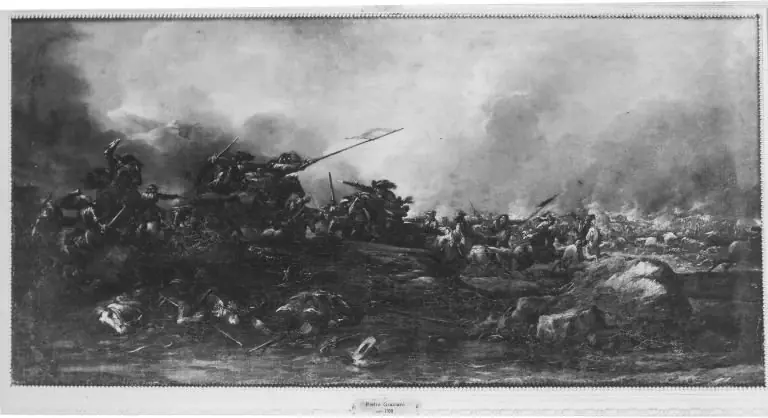 Reitergefecht
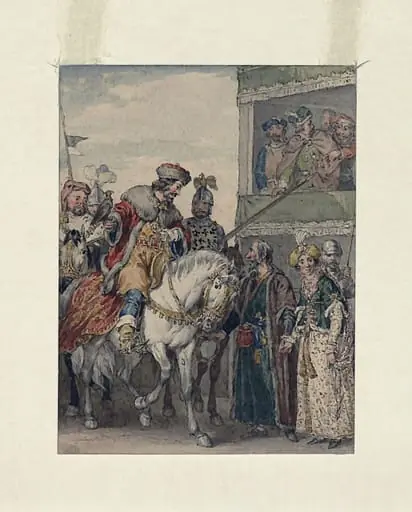 Prince John and Isaac the Jew at the Passage of Arms at Ashby, in the county of Leicester.
 Thomas Le Hardouaye
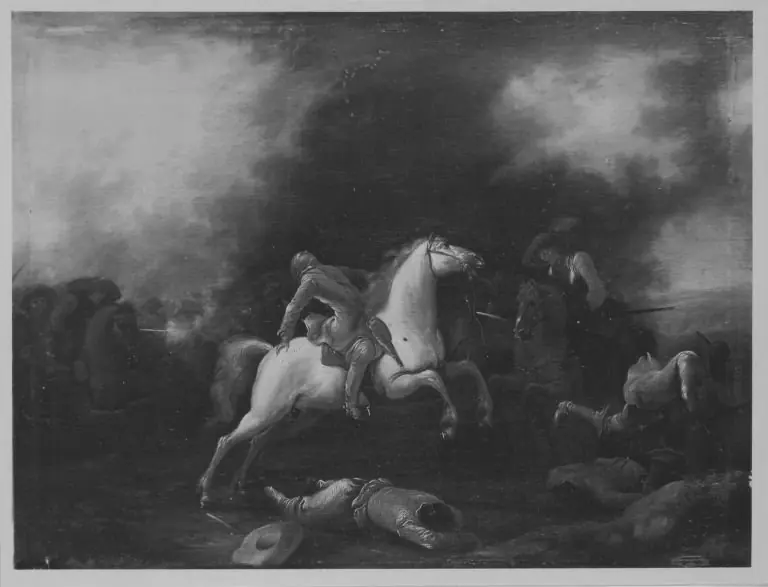 Reitergefecht
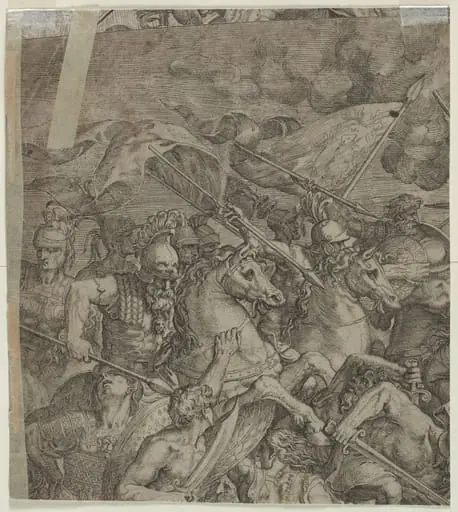 Battle of the Milvian Bridge (fragment) (verso)
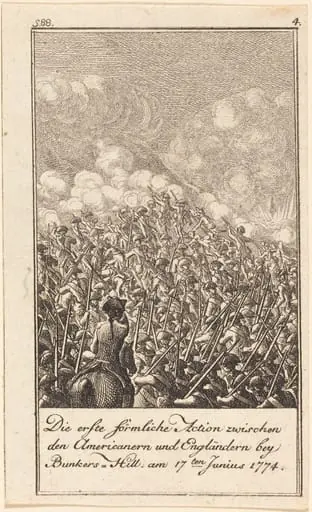 The History of the United States
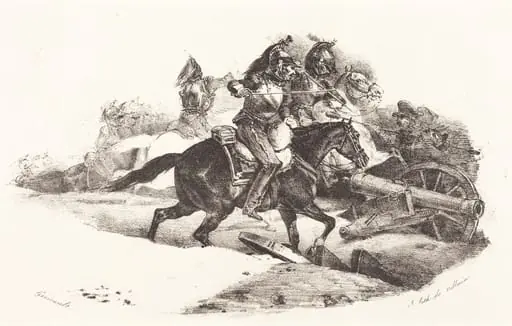 Cuirassiers Charging
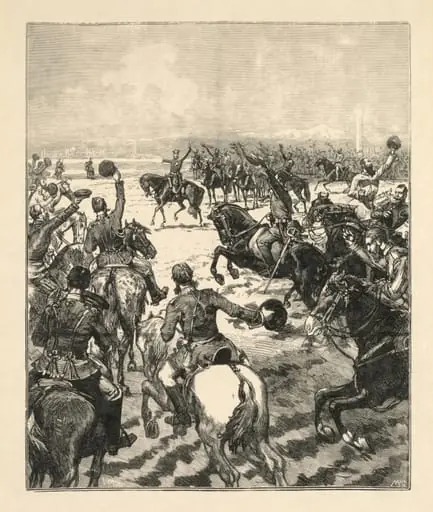 Napoleanic Battle Scene
 St. George and the Dragon (2)
 Schlachtenbild