Artwork
The Virgin and Joseph at the Inn
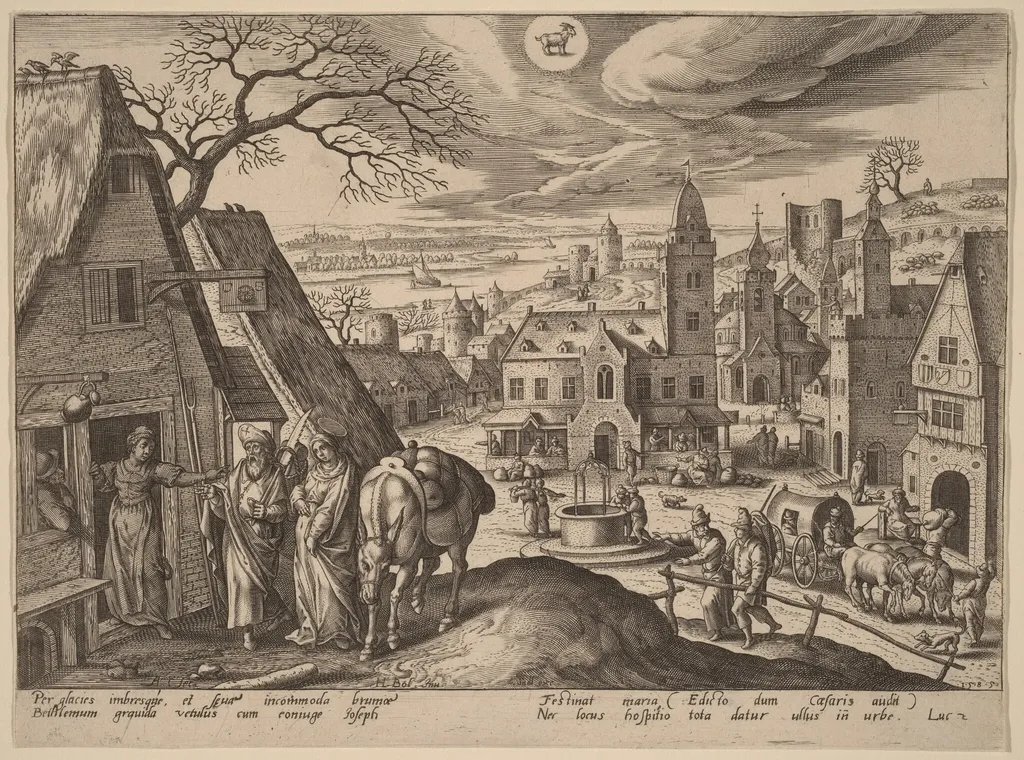
The Virgin and Joseph at the Inn is an ink print by the Renaissance artist Adriaen Collaert. It dates from 1585 and is held in the collection of the National Gallery of Art.
About this work
Overview
Created in 1585 by Adriaen Collaert, this engraving on laid paper captures a quiet moment from the Nativity narrative.
Created in 1585 by Adriaen Collaert, this engraving on laid paper captures a quiet moment from the Nativity narrative. The Virgin Mary and Joseph are shown outside a modest inn, awaiting shelter. Rendered with fine linear precision, the composition balances intimate figures against a lively urban backdrop, reflecting the artist’s mastery of printmaking techniques common in late 16th-century Northern Europe.
Subject & Meaning
The scene illustrates the Holy Family’s rejection at the inn, a moment of vulnerability preceding Christ’s birth. Mary’s calm posture and Joseph’s watchful stance convey dignity amid hardship. The surrounding town, bustling with activity, contrasts their isolation, subtly emphasizing themes of humility and divine purpose within everyday human neglect.
Technique & Style
Collaert employed fine cross-hatching and delicate line work to model form and texture across surfaces—from fabric folds to stone walls and tree bark. The use of laid paper, with its characteristic chain lines, enhances the tactile quality of the print. The composition is tightly controlled, with depth achieved through graduated shading rather than perspective alone, typical of Flemish engraving traditions.
History & Provenance
The print was produced during Collaert’s active years in Antwerp, a center for commercial printmaking. It likely circulated as part of devotional imagery for private use, common among middle-class collectors. No definitive early ownership records survive, but similar works by Collaert appear in major European collections from the 17th century onward.
Context
In the late 1500s, religious prints were widely distributed across Catholic and Protestant regions, serving both spiritual and educational roles. Collaert’s work aligned with the Counter-Reformation’s emphasis on accessible sacred narratives. His detailed style drew from earlier Netherlandish traditions while adapting to the demands of a growing print market.
Legacy
Collaert’s engraving contributed to the visual vocabulary of Nativity scenes in Northern Europe. Though less celebrated than his contemporaries, his technical precision influenced later printmakers. Surviving impressions remain in institutional collections, valued for their craftsmanship and as artifacts of devotional culture in the early modern period.
Artist & collection


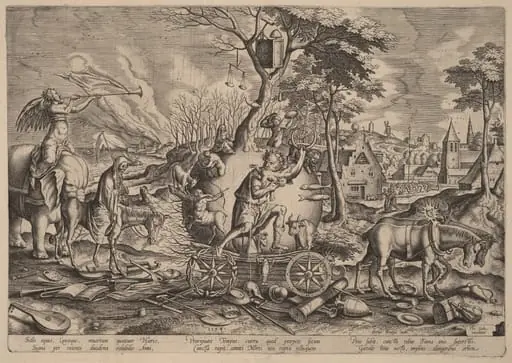 The Triumph of Time
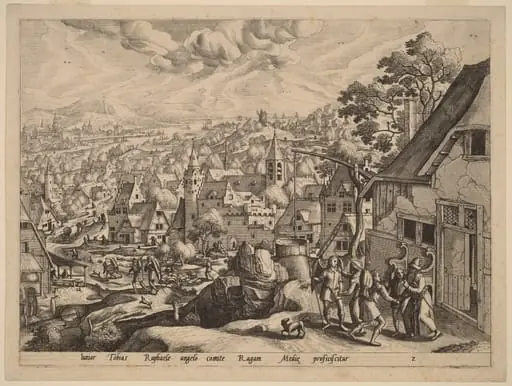 Tobias Taking Leave of his Parents
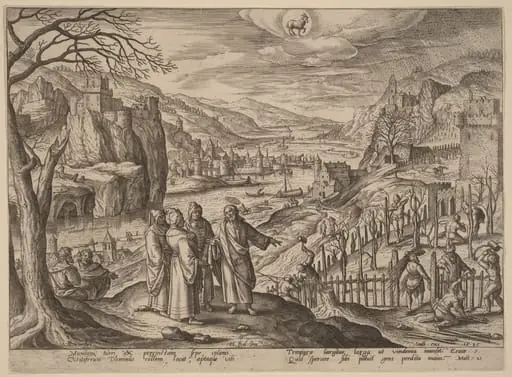 The Parable of the Two Sons and the Unjust Husbandmen
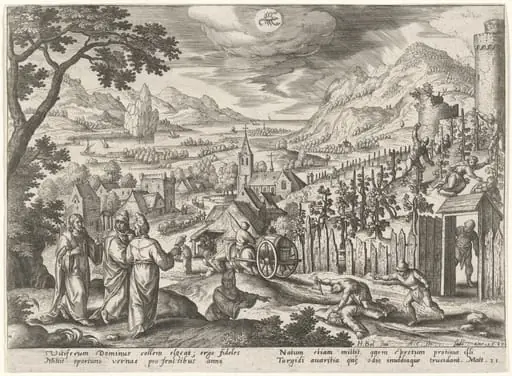 The Parable of the Unjust Husbandmen
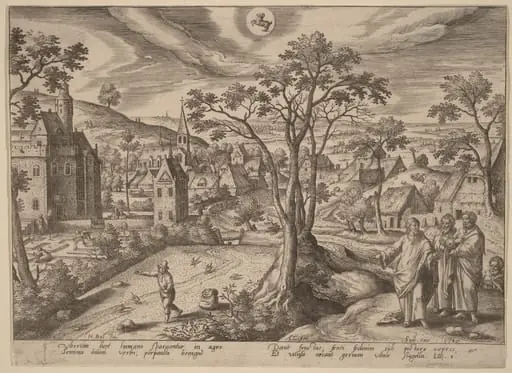 The Parable of the Sower
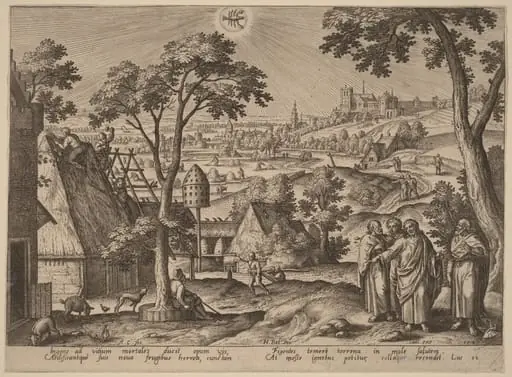 The Parable of the Rich Fool
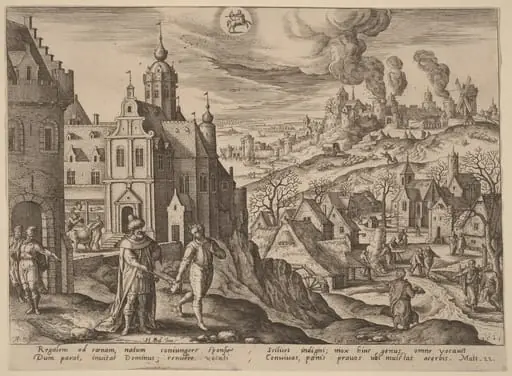 The Parable of the Kingdom of Heaven
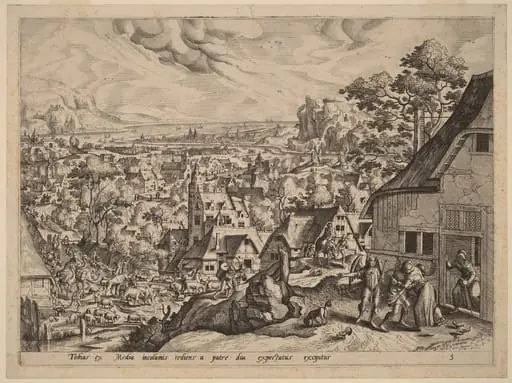 The Homecoming of Tobias
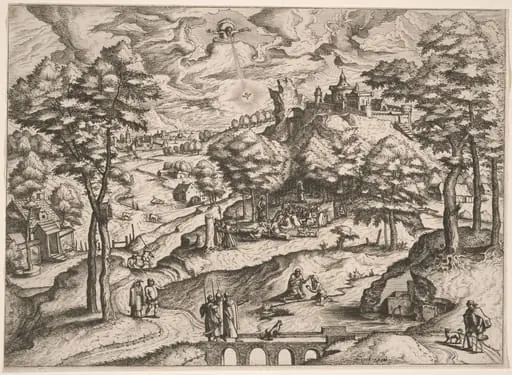 Landscape with the Baptism of Christ
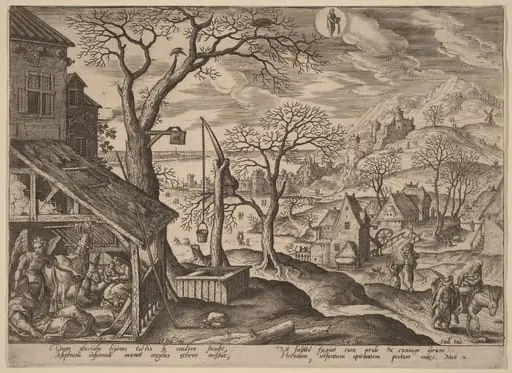 The Angel Telling Joseph to Flee and the Flight into Egypt