Artwork
The Triumph of Time
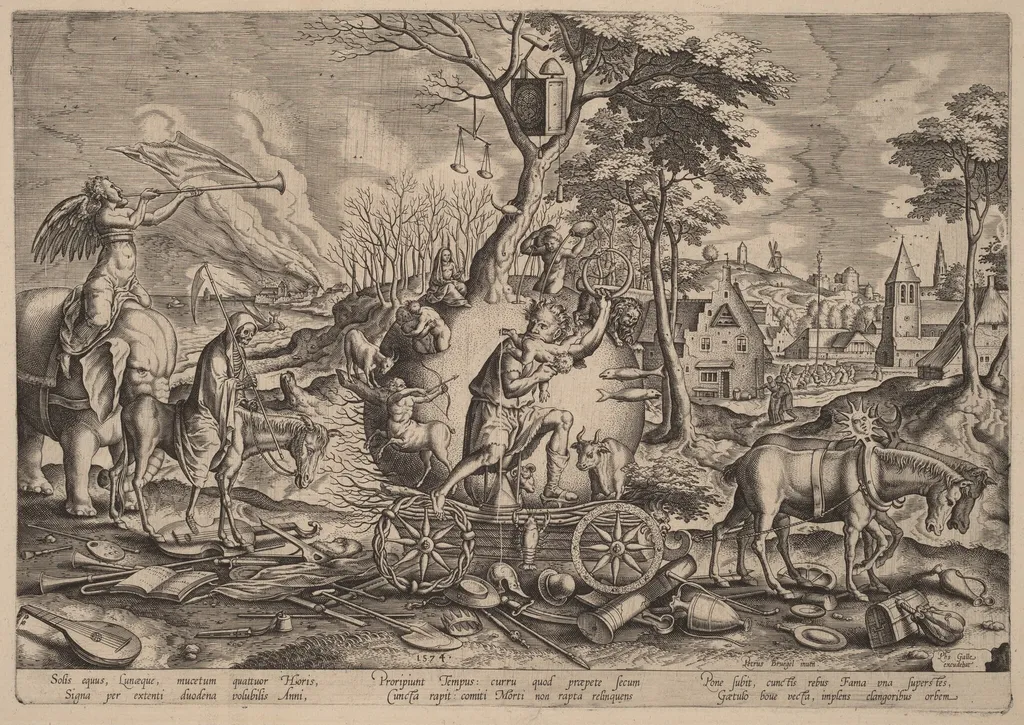
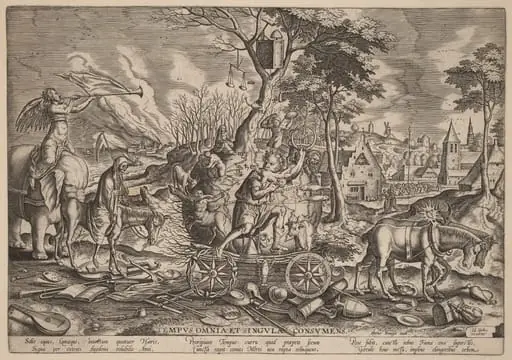
The Triumph of Time is an ink print by the Renaissance artist Philip Galle. It dates from 1574 and is held in the collection of the National Gallery of Art.
About this work
Overview
Known primarily for reproducing paintings, Galle here acted as both designer and engraver, crafting an original composition rich in symbolic detail.
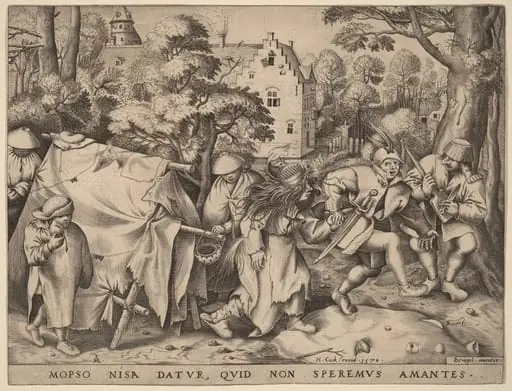
Philip Galle created this 1574 engraving as a complex allegorical scene, typical of Northern Renaissance printmaking. Known primarily for reproducing paintings, Galle here acted as both designer and engraver, crafting an original composition rich in symbolic detail. The work reflects the era’s fascination with moral and temporal themes, rendered through intricate line work and dense visual layering.
Subject & Meaning
The scene presents Time as an overwhelming force, depicted through fragmented human and natural elements. A winged figure with a bow may symbolize swift destruction, while a climber hidden in a tree suggests futile aspiration. Scales held by a small figure near the trunk hint at judgment or balance, though their precise meaning remains ambiguous. The composition resists singular interpretation, inviting contemplation on transience and human endeavor.
Technique & Style
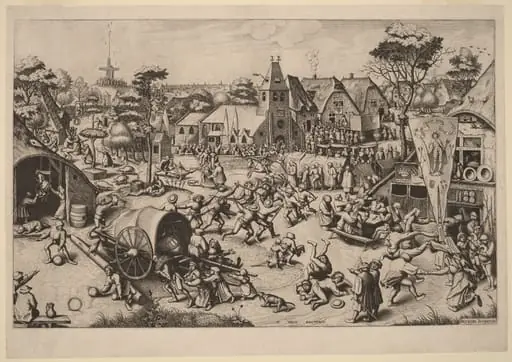
Galle employed fine, precise engraving lines to render minute details across a crowded composition. The tonal range is achieved through controlled hatching and cross-hatching, allowing depth despite the monochrome medium. Figures, architecture, and objects are rendered with equal attention, creating a unified yet chaotic visual field. The technique demands close viewing, rewarding patience with subtle narrative clues.
History & Provenance
Produced in the Netherlands during a period of flourishing print culture, the engraving circulated among educated collectors who valued allegorical imagery. Galle’s workshop was a hub for reproductive prints, but this piece stands as an original design. Its survival in multiple impressions suggests it was widely distributed, likely as a moral or philosophical artifact rather than a decorative piece.
Context
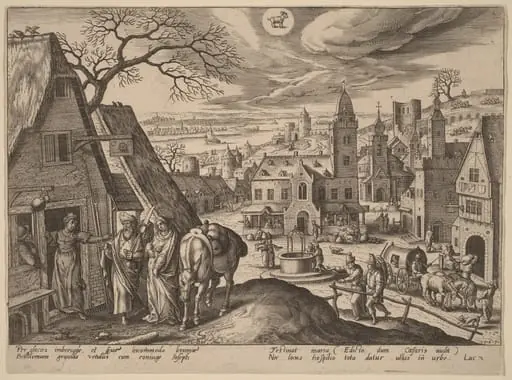
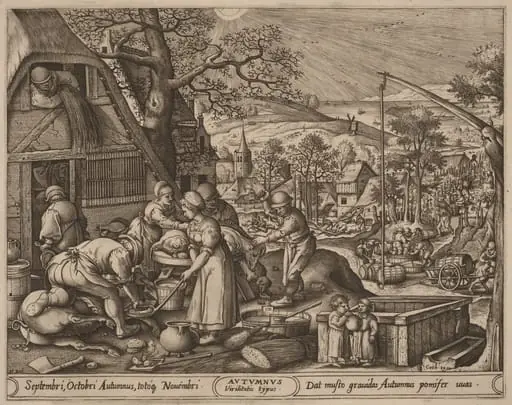
In late 16th-century Europe, allegories of Time, Death, and Vanity were common in art, responding to religious upheaval and shifting worldviews. Galle’s work aligns with this tradition, echoing themes found in Dutch and Flemish moral prints. The inclusion of windmills and rural architecture grounds the allegory in contemporary Low Countries life, blending universal themes with local observation.
Legacy
Though not widely studied today, the engraving exemplifies the intellectual ambition of Northern printmaking. Its complexity influenced later artists exploring allegory and symbolism. The work remains a testament to the engraver’s role as both craftsman and thinker, preserving Renaissance anxieties about mortality and meaning through meticulous, enduring detail.
Artist & collection
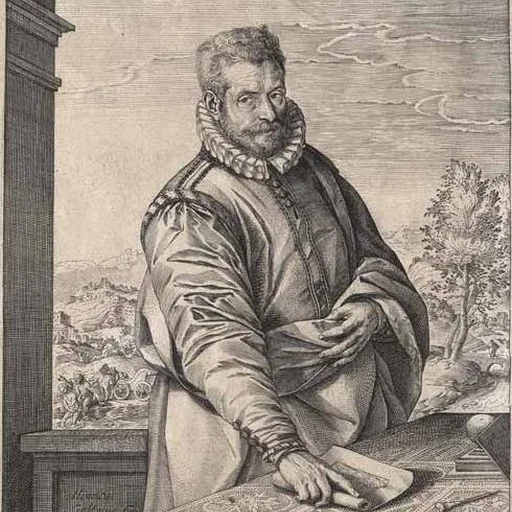
Artist
Philip (or Philips) Galle (1537 – March 1612) was a Dutch publisher, best known for publishing old master prints, which he also produced as designer and engraver. He is especially known for his reproductive engravings of paintings.

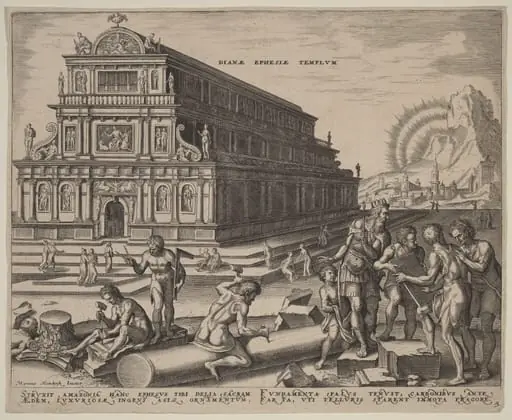 Dianae Ephesiae Templum (The Temple of Diana at Ephesus)
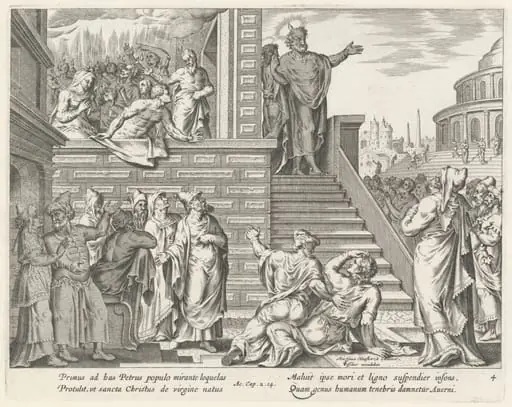 Saint Peter Speaks to the People about Christ
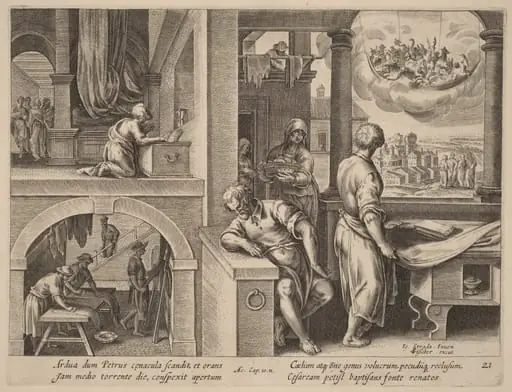 The Vision of Saint Peter
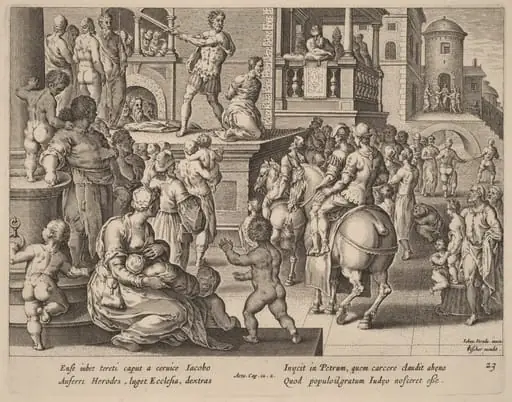 Beheading of Saint James
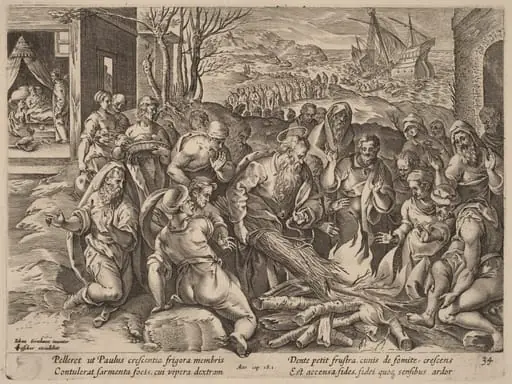 Saint Paul Shipwrecked on the Island of Melita
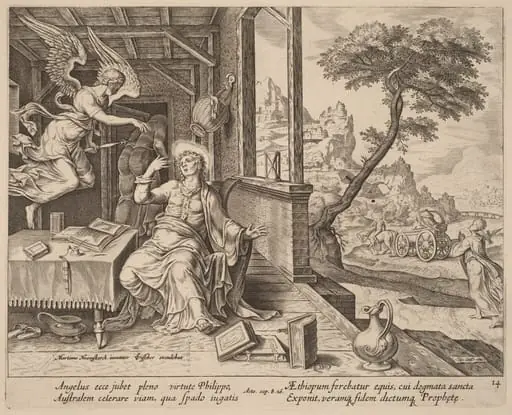 The Angel Orders Saint Philip to Accompany the Ethiopian Eunuch
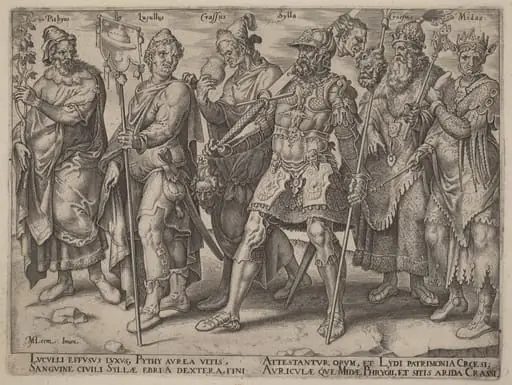 Notorious Examples of Wealth from Antiquity
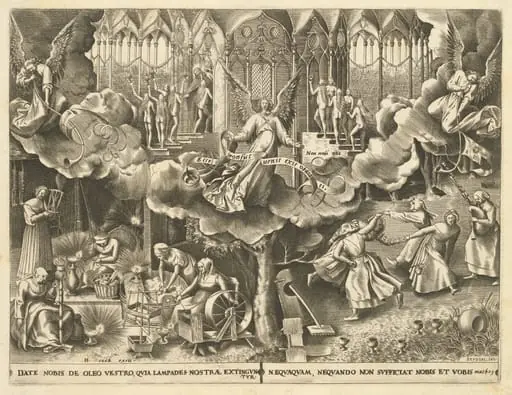 The Parable of the Wise and Foolish Virgins