Artwork
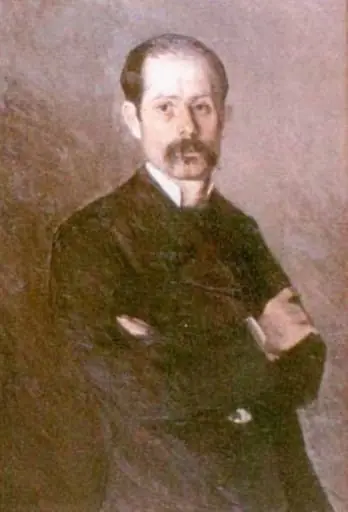
Portrait of the 1st Viscount Azevedo Ferreira
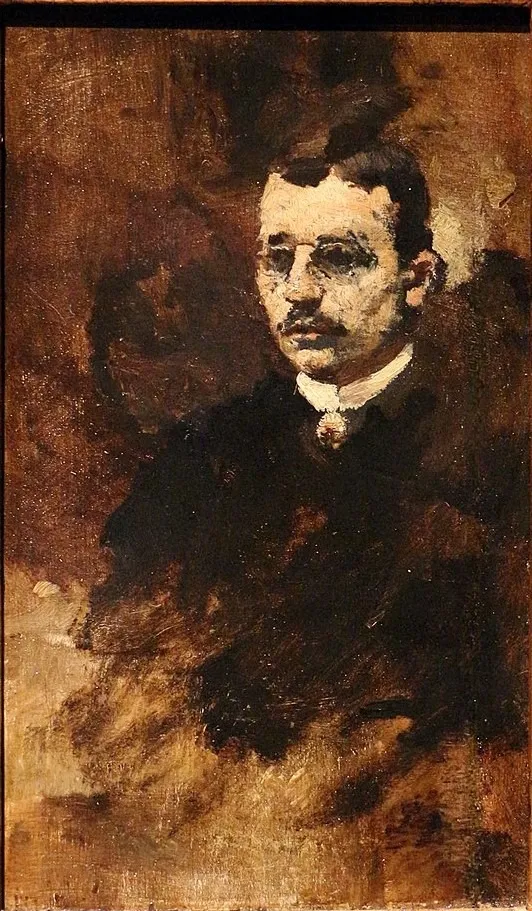
Portrait of the 1st Viscount Azevedo Ferreira is an unspecified painting by the Realist artist Columbano Bordalo Pinheiro. It dates from 1891 and is held in the collection of the National Museum of Ancient Art.
About this work
Overview
It is part of the collection at the National Museum of Ancient Art in Lisbon, where it stands as a key example of late 19th-century Portuguese portraiture.
Painted in 1891 by Columbano Bordalo Pinheiro, this portrait depicts the 1st Viscount Azevedo Ferreira, a Portuguese nobleman. Executed in the Realist style, the work reflects the artist’s commitment to truthful representation over idealization. It is part of the collection at the National Museum of Ancient Art in Lisbon, where it stands as a key example of late 19th-century Portuguese portraiture.
Subject & Meaning
The viscount is portrayed with a composed, serious demeanor, his direct gaze engaging the viewer without sentimentality. His attire—a dark jacket and white shirt—suggests formal status, yet the absence of ornate symbols or heraldic elements emphasizes personal presence over title. The somber tone and restrained composition convey dignity through restraint, aligning with the Realist ethos of capturing character over ceremony.
Technique & Style
Bordalo Pinheiro employs a muted palette dominated by dark tones, with careful modulation of light to define the viscount’s face and collar. Brushwork is precise but not polished, allowing texture to emerge naturally in fabric and skin. The background recedes into shadow, isolating the figure and focusing attention on his expression. This approach echoes the psychological depth found in the work of Leibl and Sargent, though with a distinctly Portuguese austerity.
History & Provenance
Commissioned during a period of growing cultural institutionalization in Portugal, the portrait entered the National Museum of Ancient Art’s collection in the early 20th century. It has remained there since, largely unchanged in display. Its preservation reflects its recognition as a representative work of Bordalo Pinheiro’s mature period and a document of Lisbon’s elite during the late monarchy.
Context
In the 1890s, Portugal’s artistic circles were shifting from Romantic idealism toward Realism, influenced by European trends and a domestic desire for national identity. Bordalo Pinheiro, as a central figure in this movement, rejected theatricality in favor of psychological accuracy. This portrait reflects broader cultural currents: the quiet authority of the aristocracy amid political instability and the rise of a secular, observant artistic sensibility.
Legacy
The portrait endures as a benchmark of Portuguese Realist portraiture. It exemplifies Bordalo Pinheiro’s ability to convey inner presence through minimal means, influencing later generations of artists who sought authenticity over embellishment. While not widely reproduced internationally, it remains a touchstone in Portuguese art history for its disciplined technique and unadorned humanity.
Artist & collection
Artist
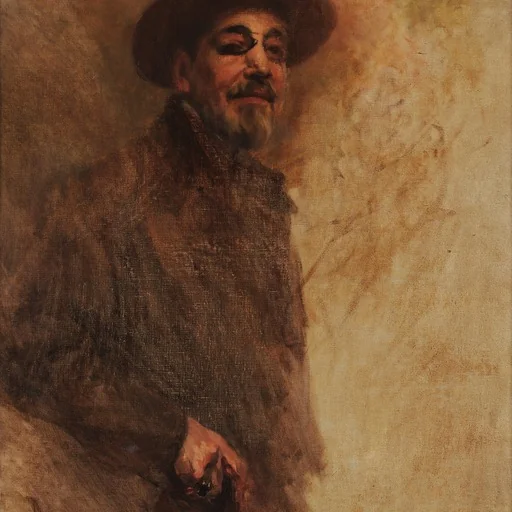
Columbano Bordalo Pinheiro (Almada, 21 November 1857 – Lisbon, 6 November 1929), who is usually referred to as Columbano, was a Portuguese Realist painter.

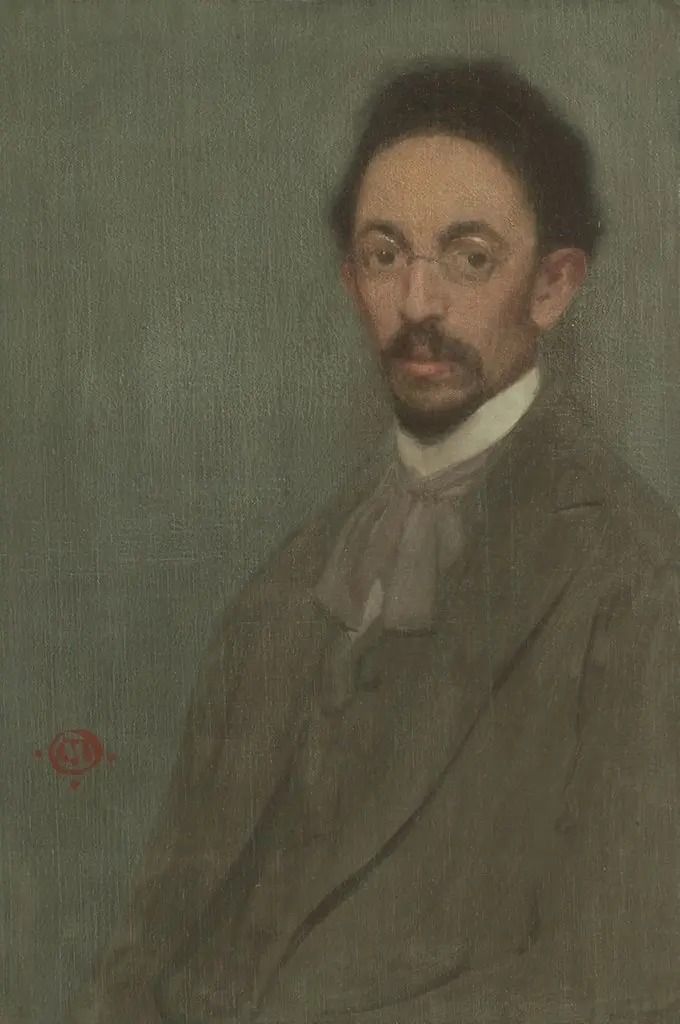 Henry Ossawa Tanner
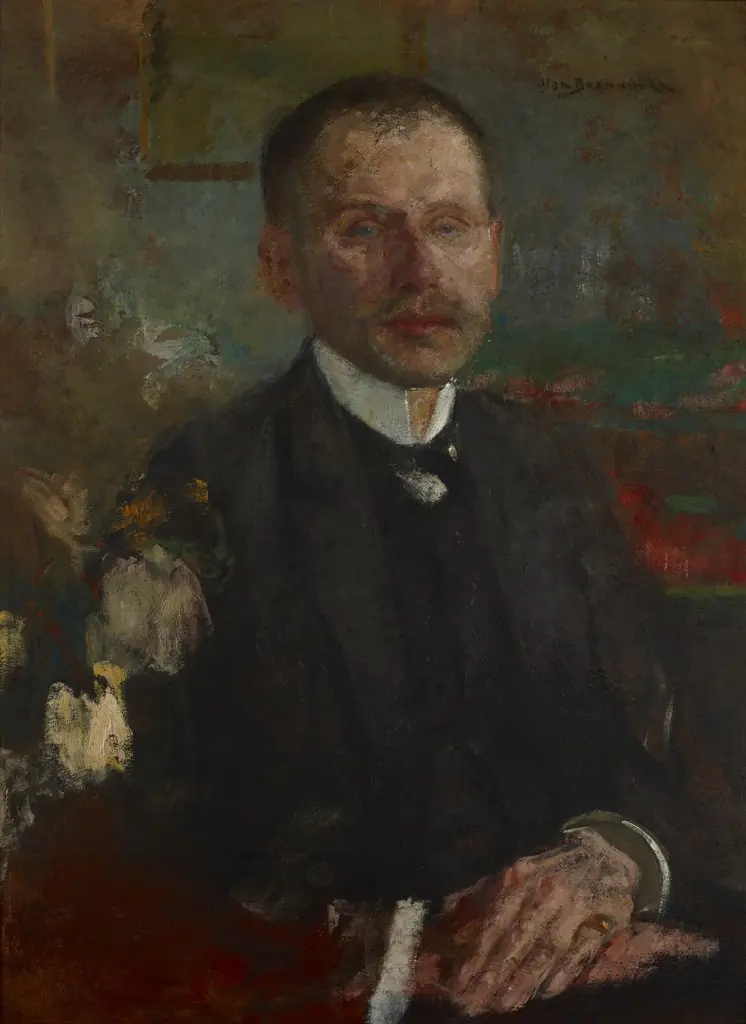 Portrait of Bogdan Faleński – two-sided painting
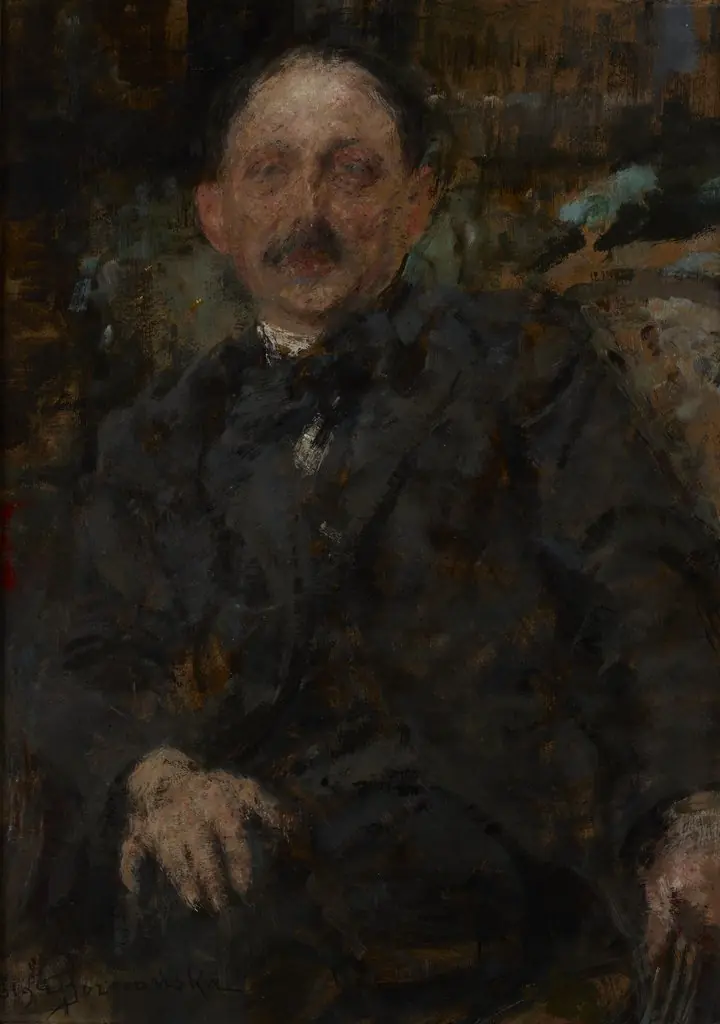 Portrait of Painter Marcin Samlicki
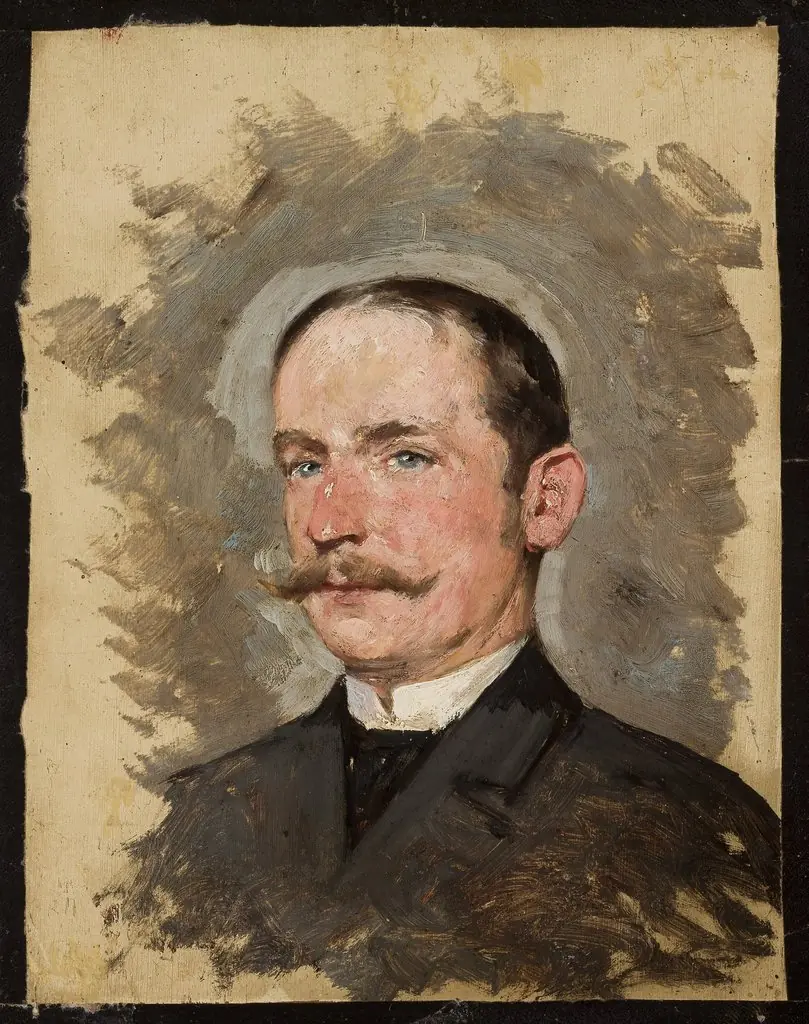 Portrait of a man
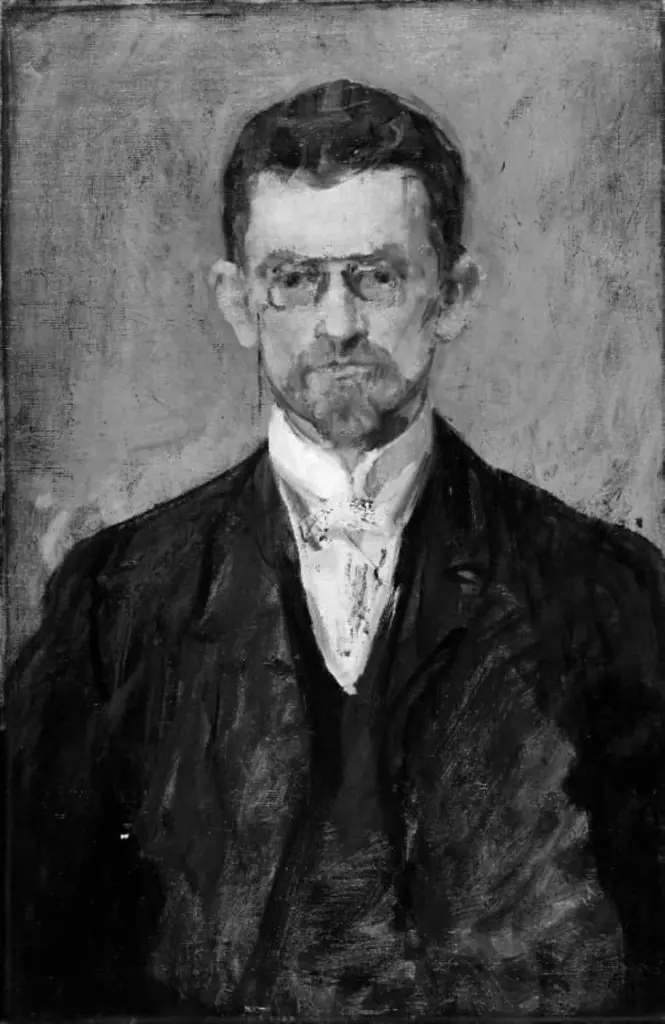 Portrait of the Norwegian Keeper of National Antiquities, Christopher Brinckmann
 Portrait of the Norwegian Keeper of National Antiquities, Christopher Brinckmann
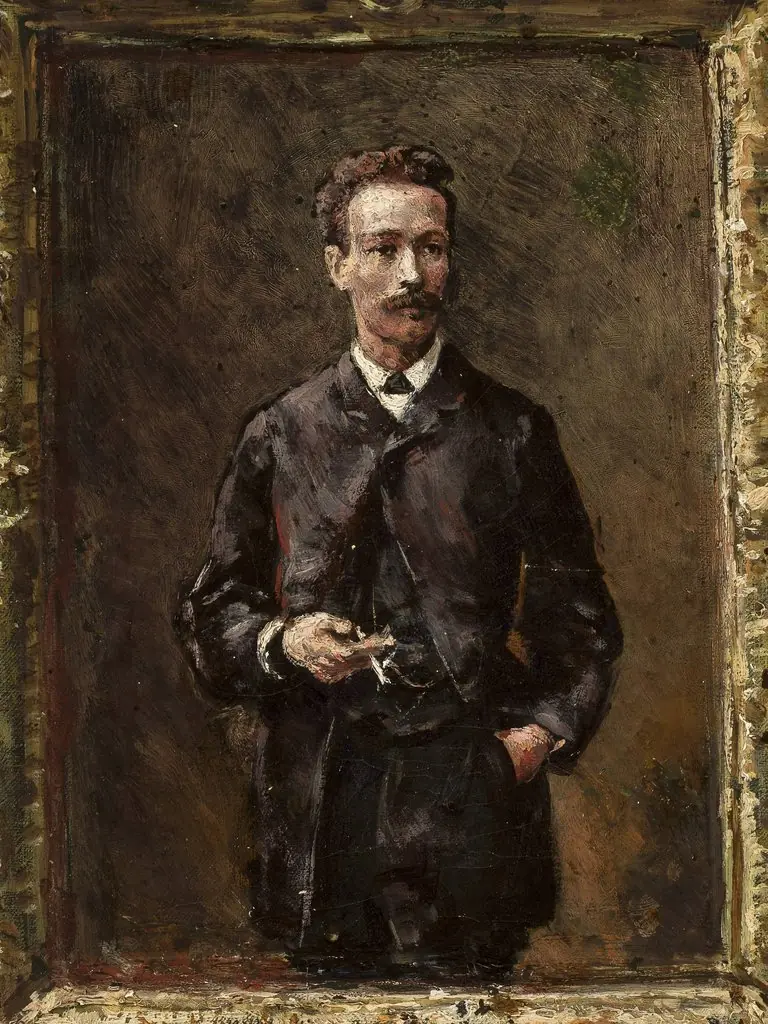 Portrait of Artur Gruszecki, sketch
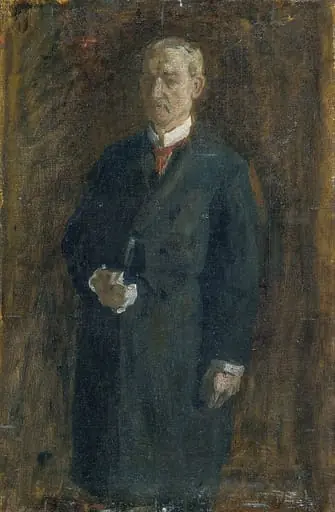 James MacAlister (Sketch)
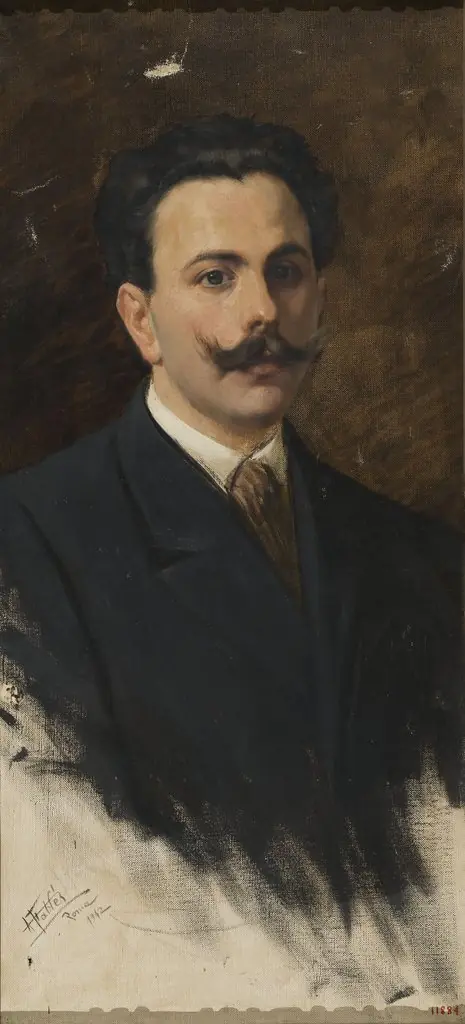 Gentleman portrait
 Romașcu
 Autoportret
 Portrait of an American