Artwork
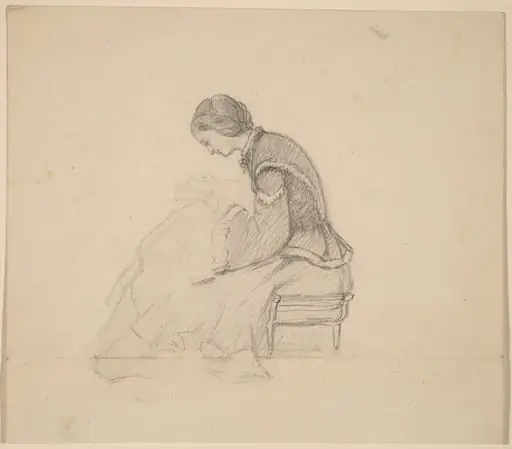
A lady seated
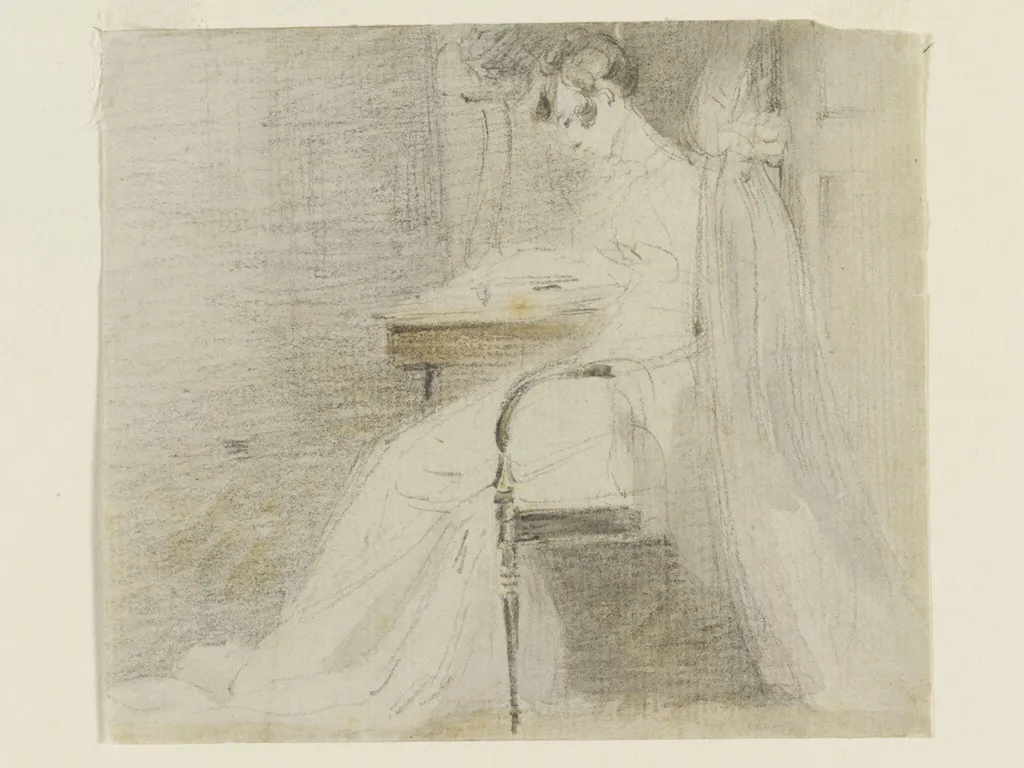
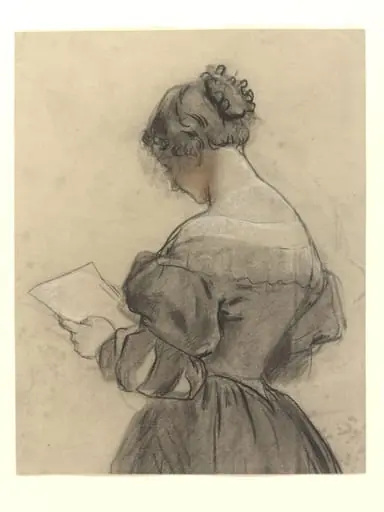
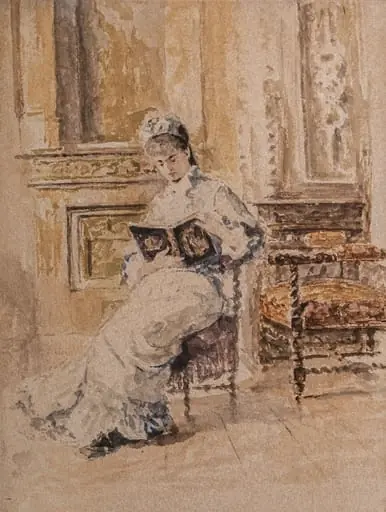
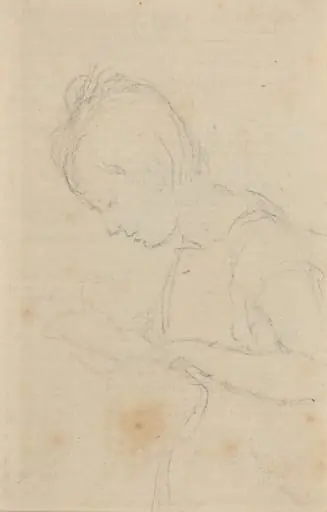
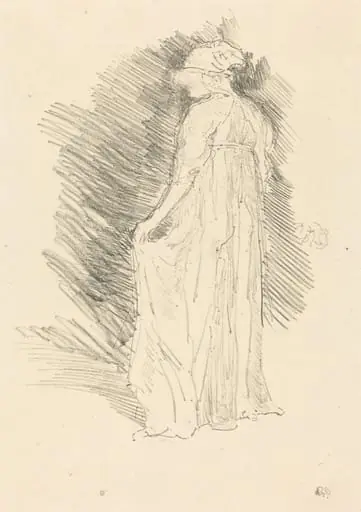
A lady seated is a watercolor work on paper by the Romanticist artist John Constable. It dates from 1805 and is held in the collection of the Victoria and Albert Museum.
About this work
Overview
Executed in pencil and diluted watercolour, it is a modest, intimate study rather than a finished portrait.
Created in 1805, this watercolour sketch by John Constable portrays a seated woman viewed from behind. Executed in pencil and diluted watercolour, it is a modest, intimate study rather than a finished portrait. Its simplicity and focus on form and atmosphere align with Constable’s habit of using quick observational drawings to explore light and composition, often as preparatory work for larger projects.
Subject & Meaning
The figure is anonymous, her identity unrecorded, and her posture suggests quiet contemplation. Rendered without facial detail or narrative context, the subject becomes a study of presence rather than personhood. The dim interior and minimal surroundings emphasize solitude, reflecting a Romantic interest in private, unadorned moments over grand or theatrical scenes.
Technique & Style
Constable employed loose, fluid strokes and translucent washes to suggest form with minimal detail. Light is implied through subtle gradations of tone, falling softly on the woman’s shoulders and the chair’s edge, while walls and floor dissolve into faint pencil lines. This approach prioritizes atmospheric effect over precision, characteristic of his early sketches and aligned with emerging Romantic sensibilities in British art.
History & Provenance
The drawing dates from a period when Constable was balancing landscape studies with religious commissions, including an altarpiece for Brantham Church. Though unrelated to that project in subject, the sketch exemplifies his practice of using figure studies to refine his handling of form and light. It entered the Victoria and Albert Museum’s collection as part of a broader acquisition of his works on paper.
Context
In early 19th-century Britain, artists increasingly turned to informal studies as a means of artistic inquiry. Constable’s sketch reflects this trend, situating the human figure within quiet, domestic spaces rather than idealized settings. Such works were often private exercises, distinct from public commissions, yet vital to his evolving understanding of light and composition.
Legacy
Though not widely exhibited during his lifetime, this sketch contributes to the understanding of Constable’s method: his belief that observation, even in small, unassuming forms, was foundational to artistic truth. Later scholars have recognized such works as essential to his development, revealing how his landscapes were informed by careful attention to everyday human presence.
Artist & collection
Artist
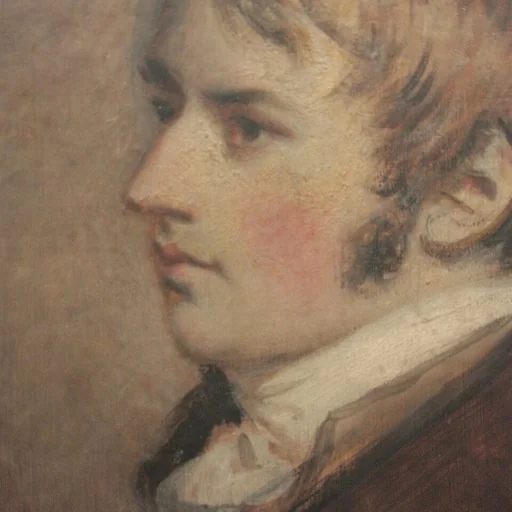
John Constable (; 11 June 1776 – 31 March 1837) was an English landscape painter in the Romantic tradition.

![Young Woman, Florence [recto], by Seth Wells Cheney](https://artifactworldgallery.com/img/seth-wells-cheney--young-woman-florence-recto--05fb201b0cc35006-w320.webp)