Artwork
The Letter
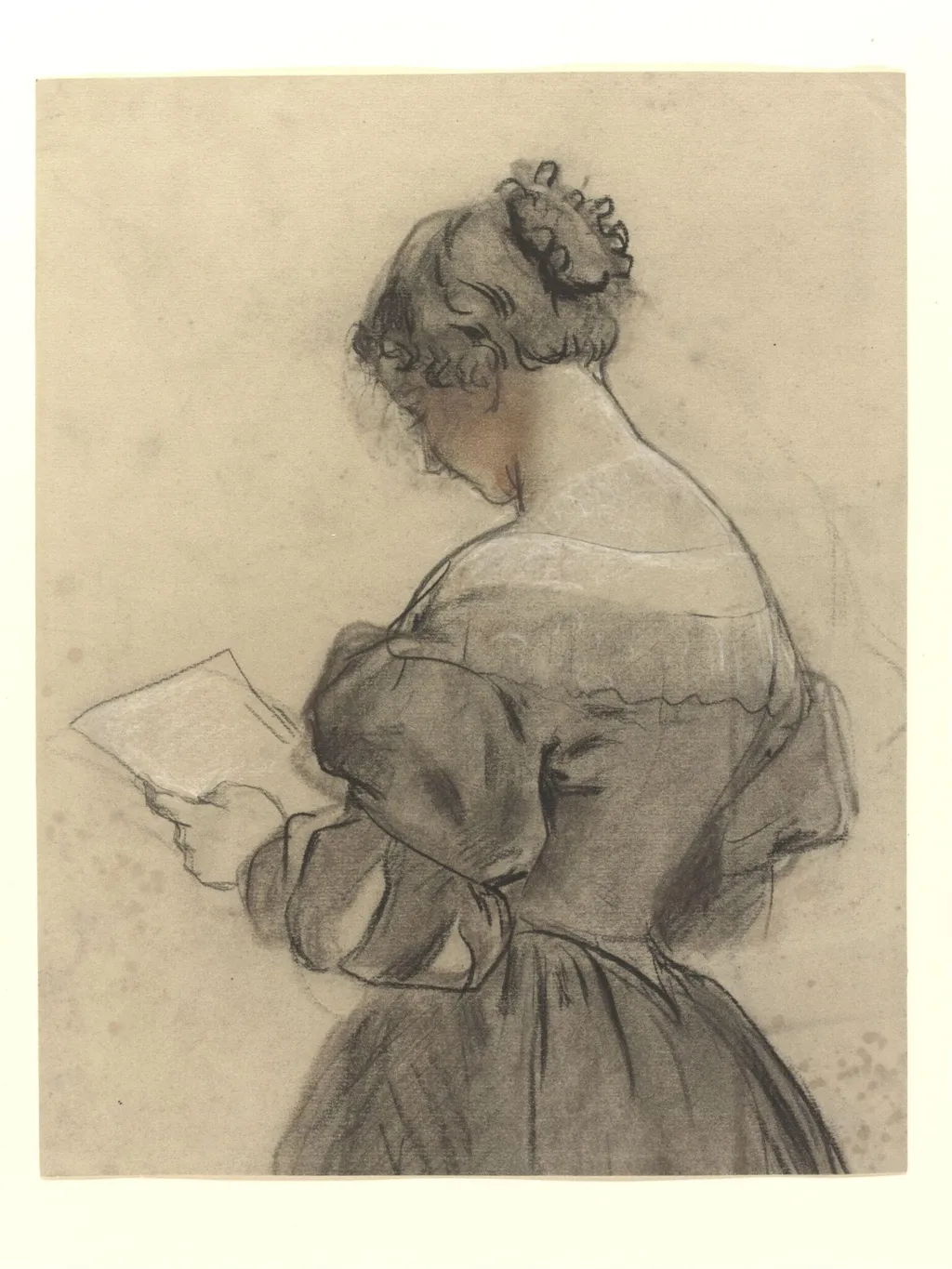
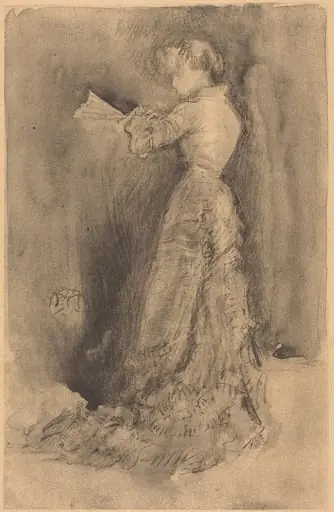
The Letter is a drawing by the Romanticist artist Edwin Landseer. It dates from 1835 and is held in the collection of the Victoria and Albert Museum.
About this work
Overview
Sir Edwin Landseer, a leading British artist of the 19th century, gained prominence for his precise animal studies and narrative-driven compositions.
Sir Edwin Landseer, a leading British artist of the 19th century, gained prominence for his precise animal studies and narrative-driven compositions. Though best known for depicting dogs and livestock, he also produced sensitive figure drawings. This chalk work, depicting a woman engrossed in a letter, reflects his skill in capturing quiet, intimate moments with psychological nuance, even when the subject’s face is obscured.
Subject & Meaning
The figure is a woman absorbed in reading a letter, her posture conveying contemplation rather than action. While the identity remains unconfirmed, scholars suggest she may be Georgiana, Duchess of Bedford, a frequent subject and close associate of Landseer. The absence of her face shifts focus to gesture and posture, emphasizing emotional resonance over likeness, a hallmark of Landseer’s approach to human subjects.
Technique & Style
Executed in chalk, the drawing demonstrates Landseer’s mastery of tonal gradation and fluid line. His handling of the fabric and the curve of the spine reveals anatomical precision, while the softness of the medium enhances the intimacy of the scene. The pose, though unconventional in its turned-away orientation, is rendered with grace, balancing realism with poetic suggestion.
History & Provenance
The drawing has no documented link to a larger commissioned work or known portrait series. It survives as a standalone study, likely created during Landseer’s private sessions with the Duchess of Bedford. Its survival suggests it was valued by the artist or his circle, though it was never exhibited publicly during his lifetime.
Context
In mid-19th-century Britain, intimate figure studies were less common than grand historical or portrait commissions. Landseer’s focus on private, unposed moments aligned with a growing interest in domestic emotion. His ability to convey inner life through subtle gesture distinguished his work from more formal portraiture of the era.
Legacy
This drawing exemplifies Landseer’s broader contribution to British art: elevating everyday moments with technical rigor and emotional depth. Though overshadowed by his animal works, such studies reveal his versatility and sensitivity to human vulnerability, influencing later artists who sought psychological realism in informal portraiture.
Artist & collection

Artist
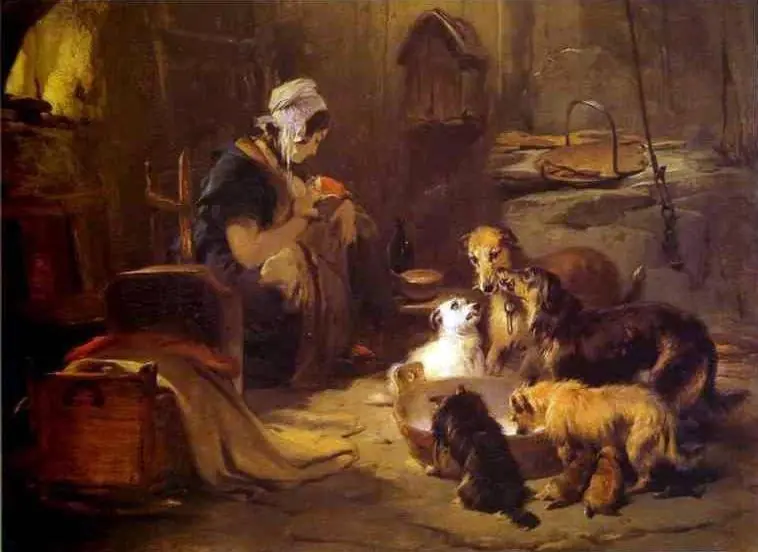
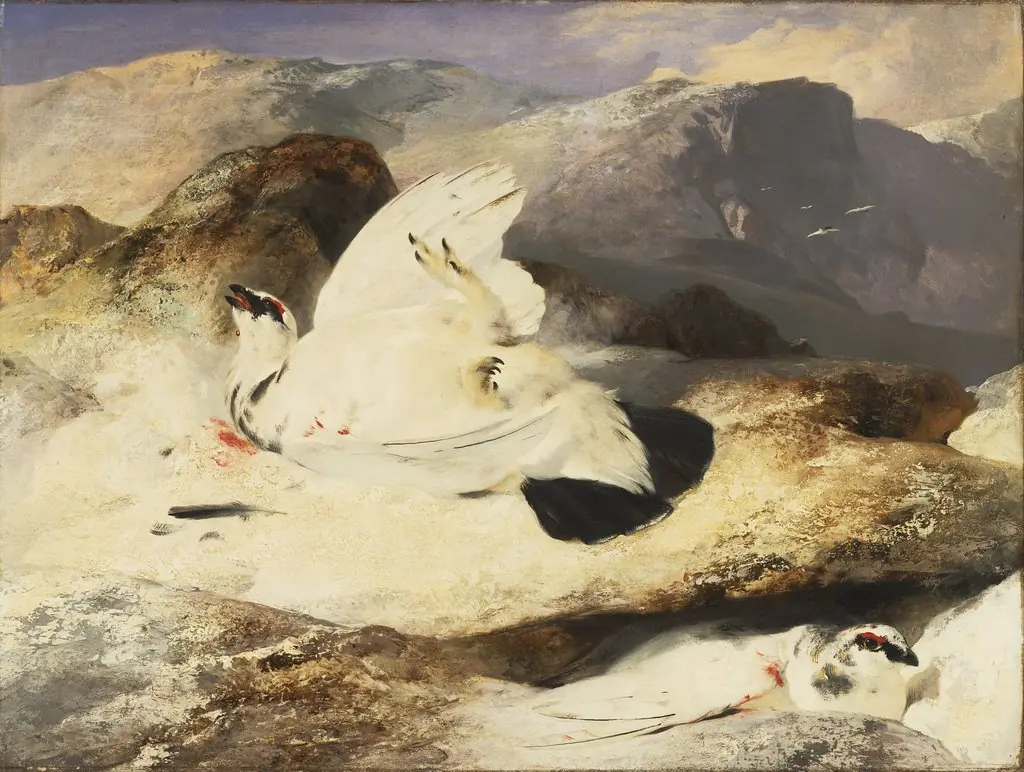
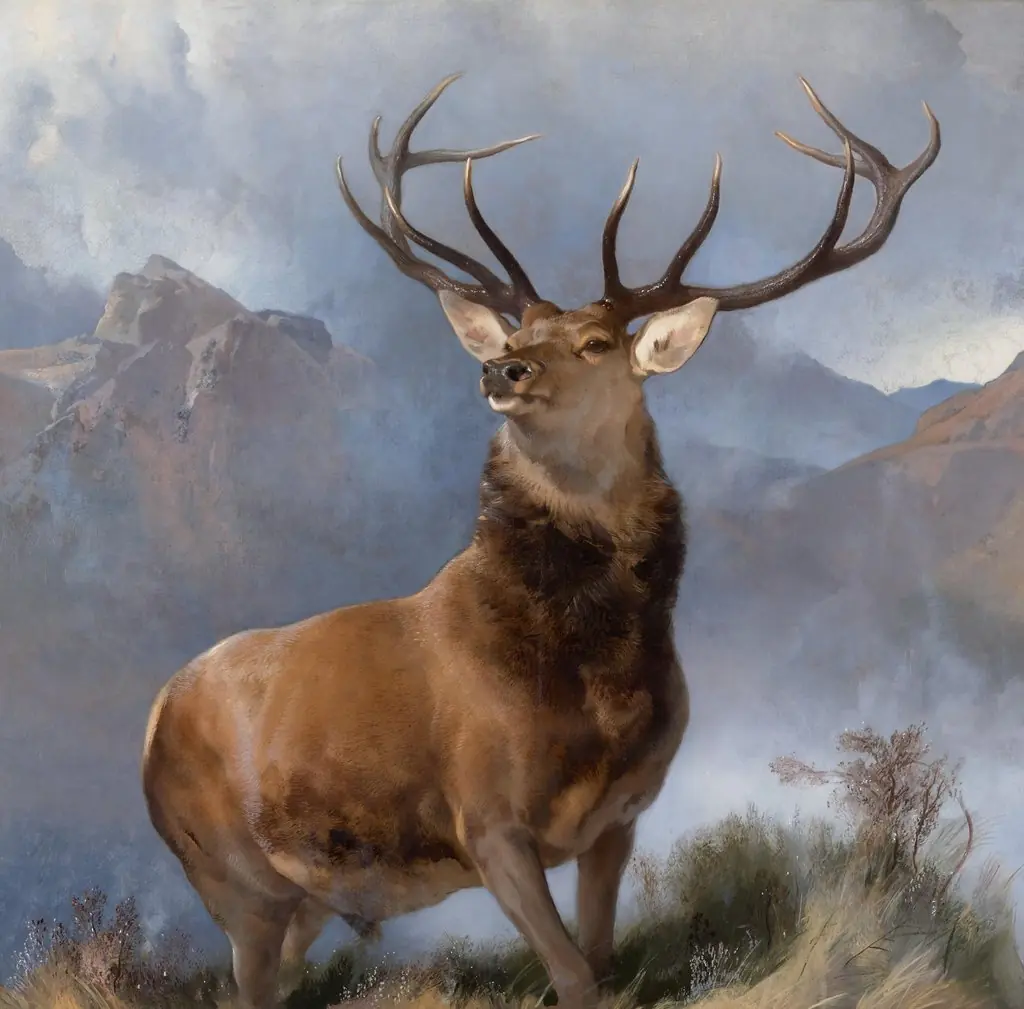
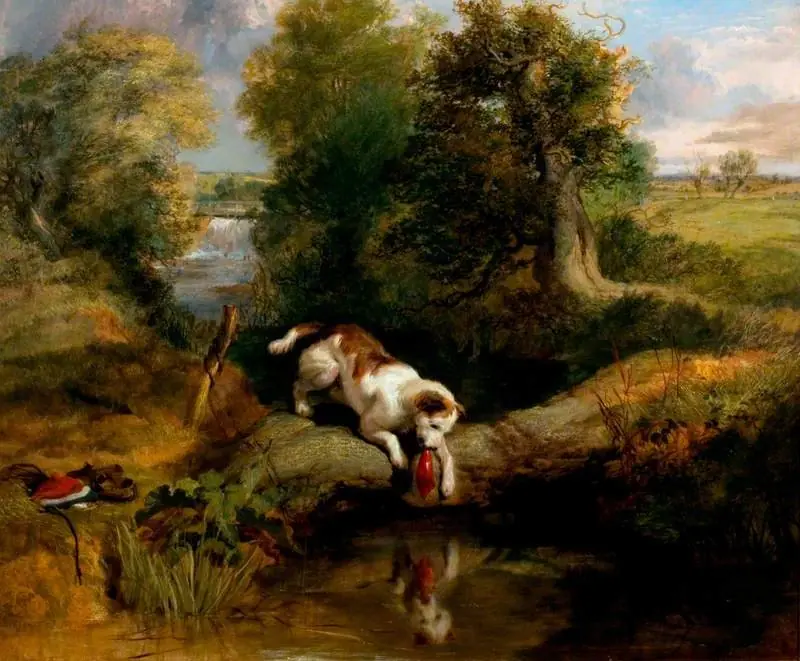
Sir Edwin Henry Landseer was an English painter and sculptor, well known for his paintings of animals – particularly horses, dogs, and stags. His best-known work is the lion sculptures at the base of Nelson's Column in Trafalgar Square.

![Young Woman, Florence [recto], by Seth Wells Cheney](https://artifactworldgallery.com/img/seth-wells-cheney--young-woman-florence-recto--05fb201b0cc35006-w320.webp)
![A Young Woman Sewing [recto], by Vivant Denon](https://artifactworldgallery.com/img/vivant-denon--a-young-woman-sewing-recto--e33310bb30a60595-w320.webp)