Artwork
A DELL, HELMINGHAM PARK, SUFFOLK
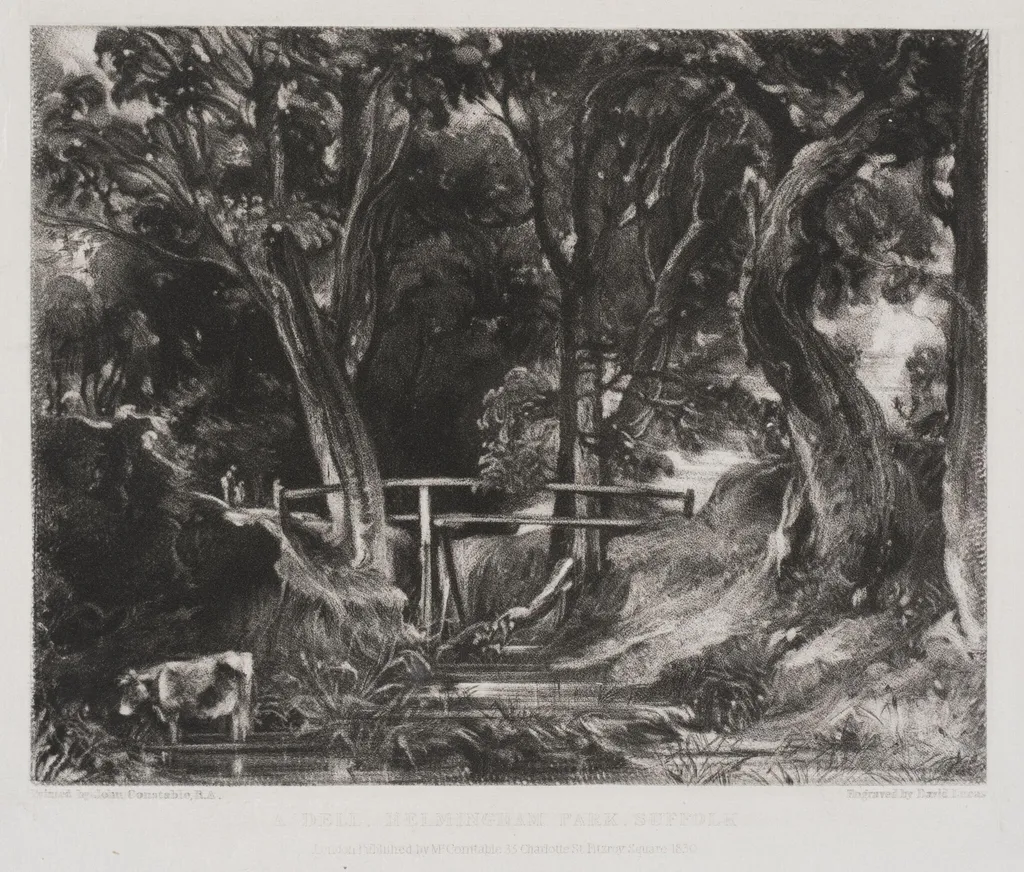
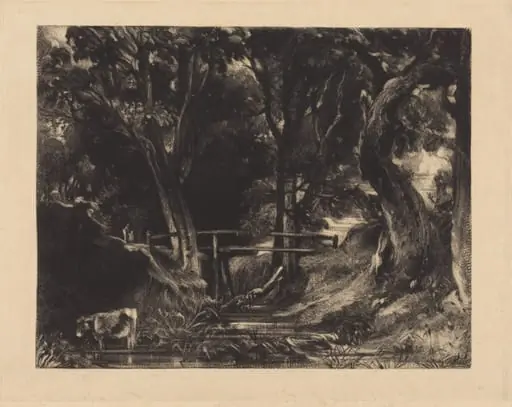
A DELL, HELMINGHAM PARK, SUFFOLK is a print by the Romanticist artist John Constable. It dates from 1830 and is held in the collection of the Victoria and Albert Museum.
About this work
Overview
Constable revised the plates in 1833, and after his death, Lucas continued to issue new impressions, ensuring the series’ extended circulation.
This mezzotint is part of John Constable’s ambitious project, English Landscape, a series of 22 prints produced between 1830 and 1832. Supervised by Constable and executed by David Lucas, the series translated his oil sketches and paintings into tonal prints. Constable revised the plates in 1833, and after his death, Lucas continued to issue new impressions, ensuring the series’ extended circulation. The work reflects Constable’s late-career effort to define his artistic legacy through print.
Subject & Meaning
The scene depicts a tranquil wooded valley in Helmingham Park, Suffolk, a landscape deeply familiar to Constable. Rather than idealizing the view, he focused on its quiet, everyday character, emphasizing the subtle interplay of light and shadow across trees and earth. This selection of subjects was intentional: each print served as a visual argument for the emotional and structural integrity of the English countryside, grounded in direct observation.
Technique & Style
Mezzotint, a labor-intensive intaglio method, allowed for rich gradations of tone, ideal for capturing atmospheric depth. Lucas, though inexperienced, mastered the technique under Constable’s close direction. Constable himself altered some plates by hand, enhancing sky luminosity and foliage texture to intensify the effect of natural light. The result is a print that balances technical precision with the spontaneity of his sketches, avoiding the polish of academic convention.
History & Provenance
Published in six installments between 1830 and 1832, the series was reissued in 1833 with revisions. After Constable’s death in 1837, Lucas completed unfinished plates and produced additional impressions from the original copper plates. These posthumous prints, though authorized, vary slightly in ink and pressure, reflecting the evolving state of the worn plates. Many surviving examples are held in institutional collections, including the Victoria and Albert Museum.
Context
Constable drew inspiration from the tonal landscapes of Claude Lorrain and the dramatic skies of J.M.W. Turner, but sought to ground his vision in the specificities of English rural life. At a time when landscape painting was undervalued in academic circles, English Landscape was his attempt to assert the dignity of native scenery. He framed his work not as mere topography, but as a study of nature’s underlying principles — particularly the dynamic role of light and shadow.
Legacy
Though initially met with limited public attention, English Landscape became a foundational reference for later printmakers and landscape artists. Constable’s insistence on fidelity to observed light and texture influenced the development of tonal printmaking in Britain. The series remains a key document of his artistic philosophy, revealing how a painter, near the end of his life, turned to print to articulate a vision of nature that resisted romantic embellishment.
Artist & collection
Artist
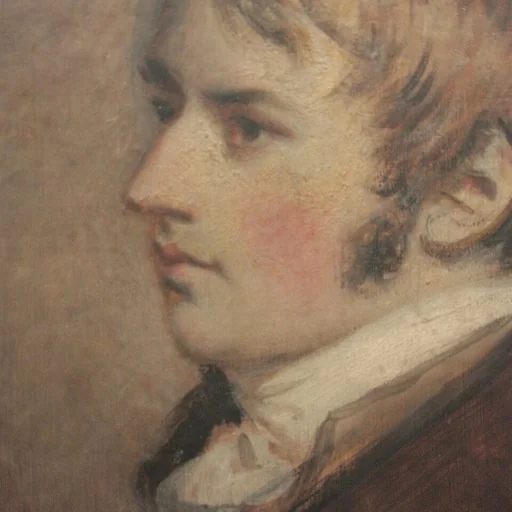
John Constable (; 11 June 1776 – 31 March 1837) was an English landscape painter in the Romantic tradition.

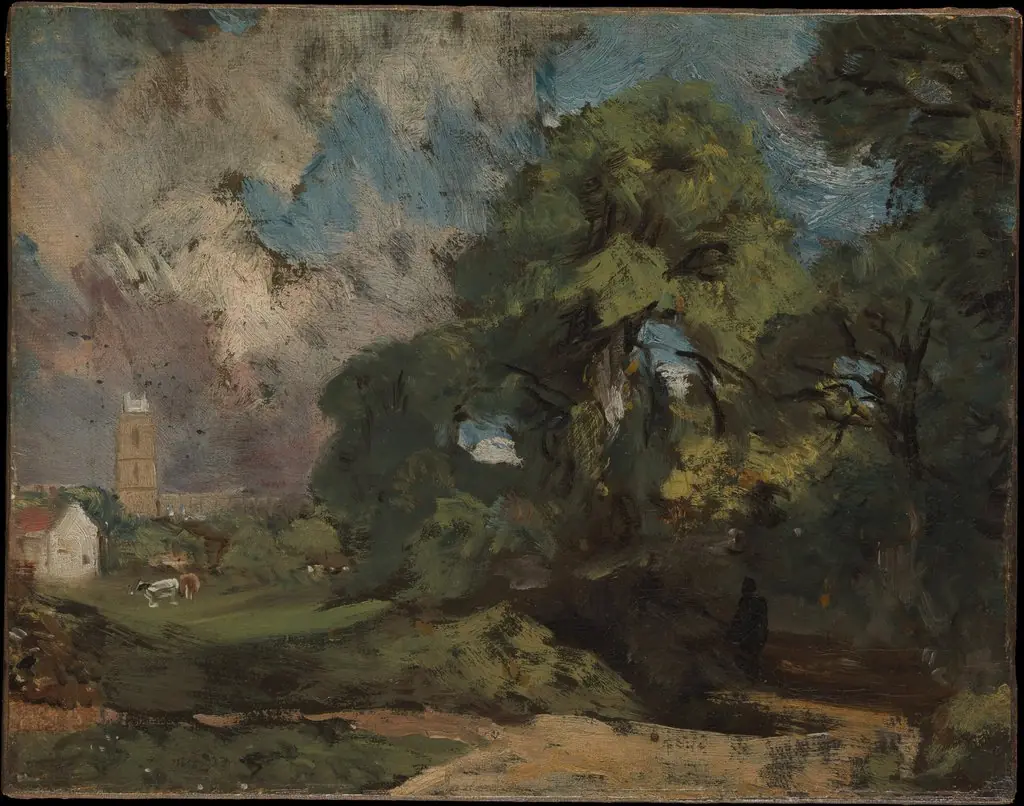
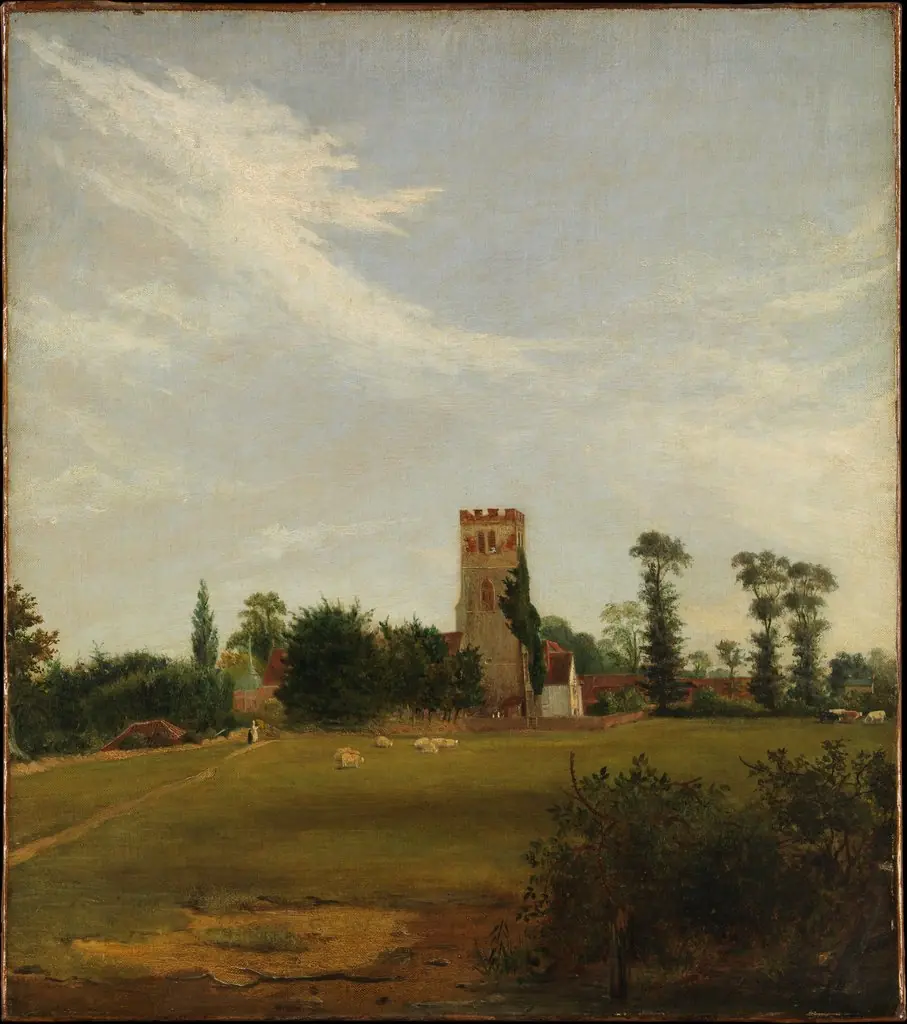
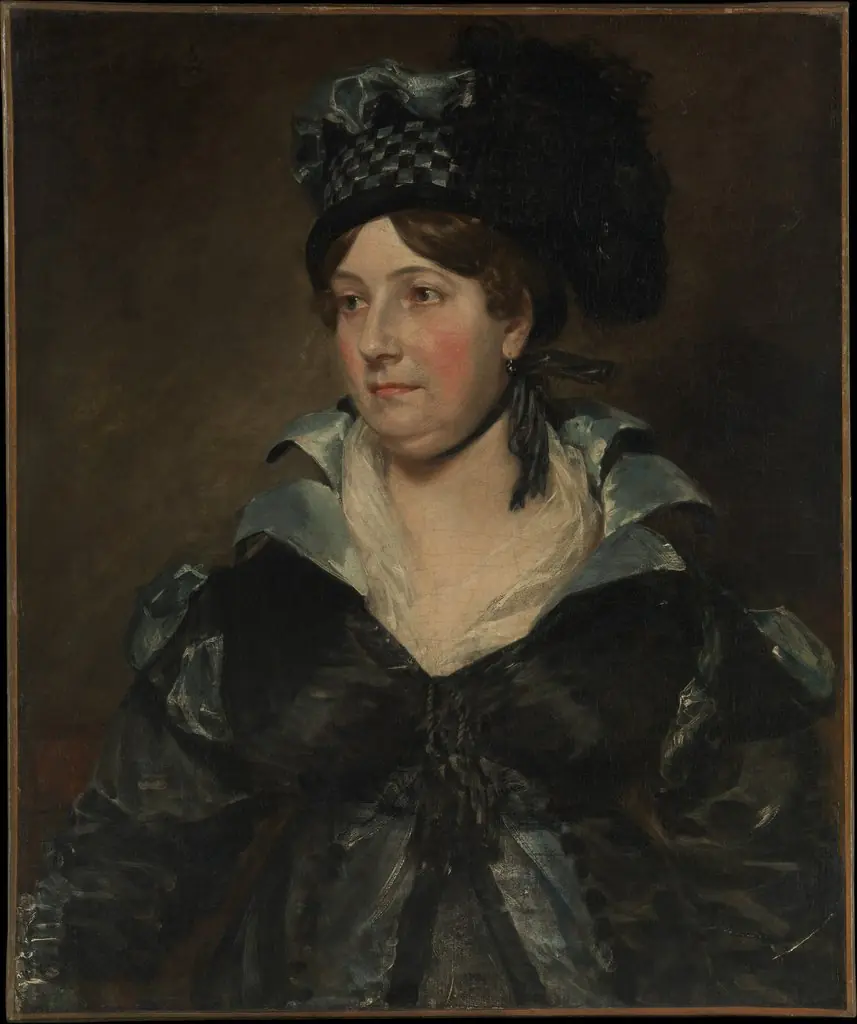
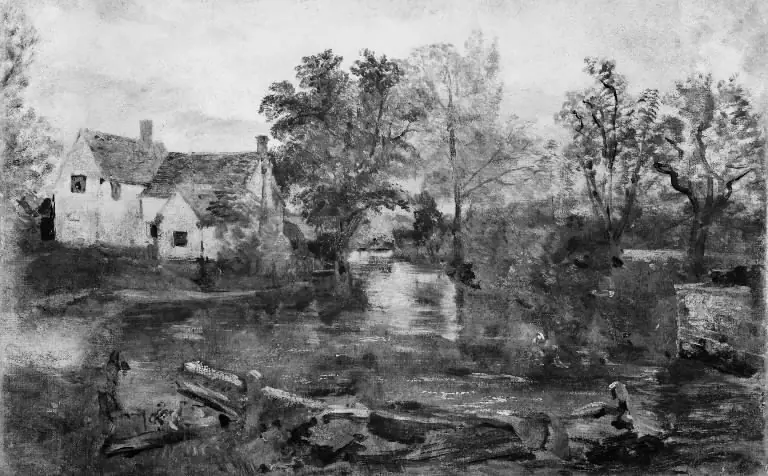
 A Dell, Helmingham Park, Suffolk
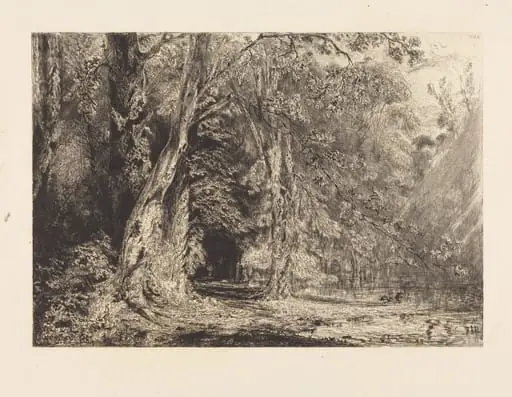 Flooding in the Forest of the Ile Séguin
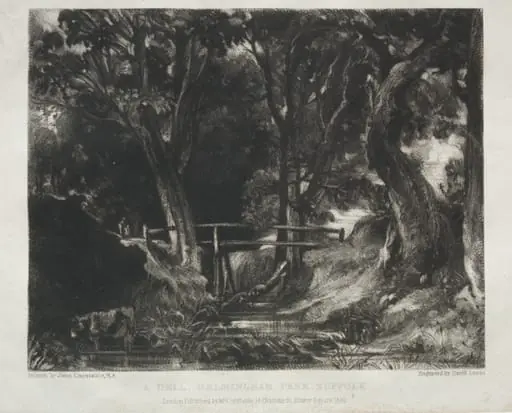 Various Subjects of Landscape, Characteristic of English Scenery from Pictures Painted by John Constable, R.A.: Dell in the Woods of Helmingham Park, Suffolk
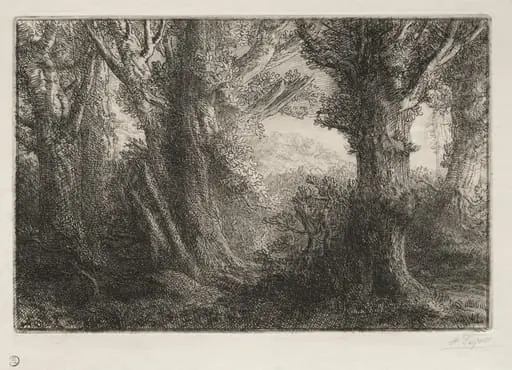 In the Forest at Conteville
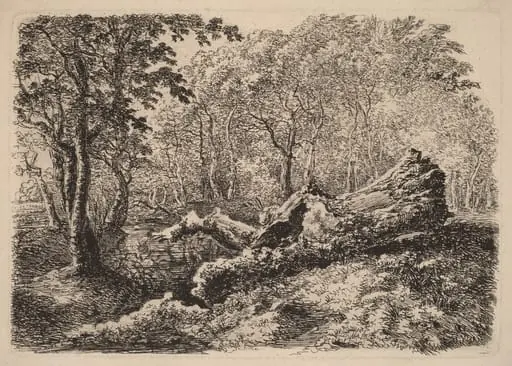 Mouldering Tree Trunk
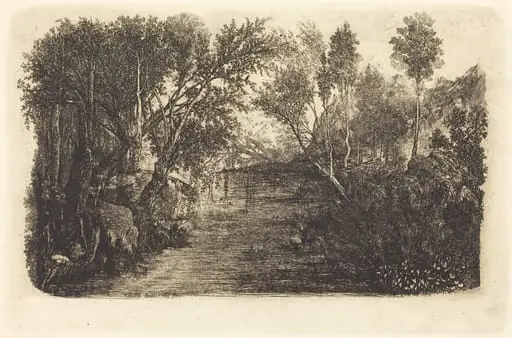 The Water's Course
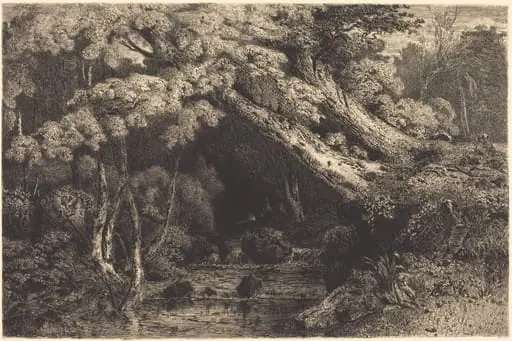 Saint-Pierre Stream near Pierrefond (Ruisseaude Saint-Pierre, pres Pierrefond)
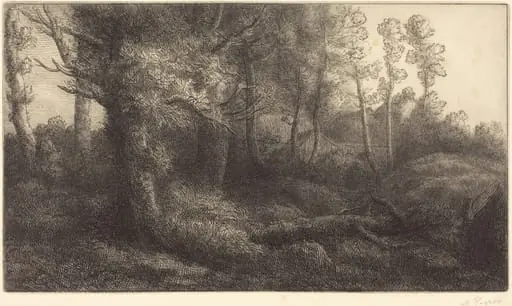 In the Forest (Lisiere de foret)
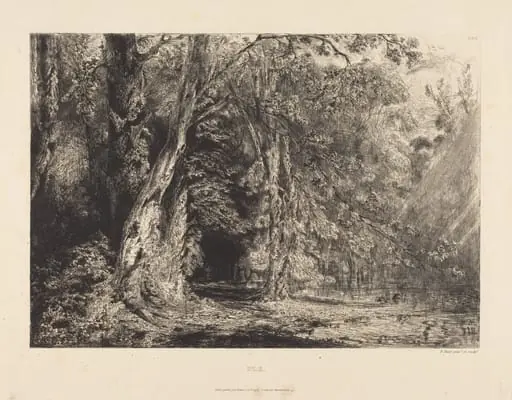 L'Ile Séguin in Flood
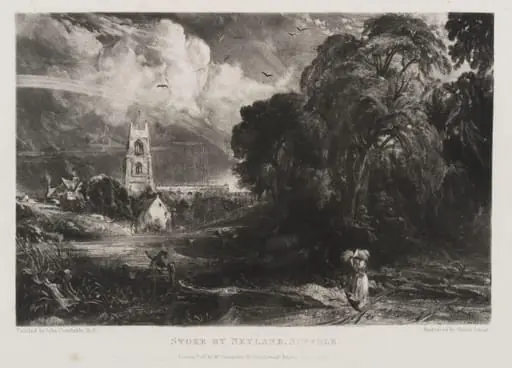 STOKE BY NEYLAND, SUFFOLK