Artwork
Old Sarum
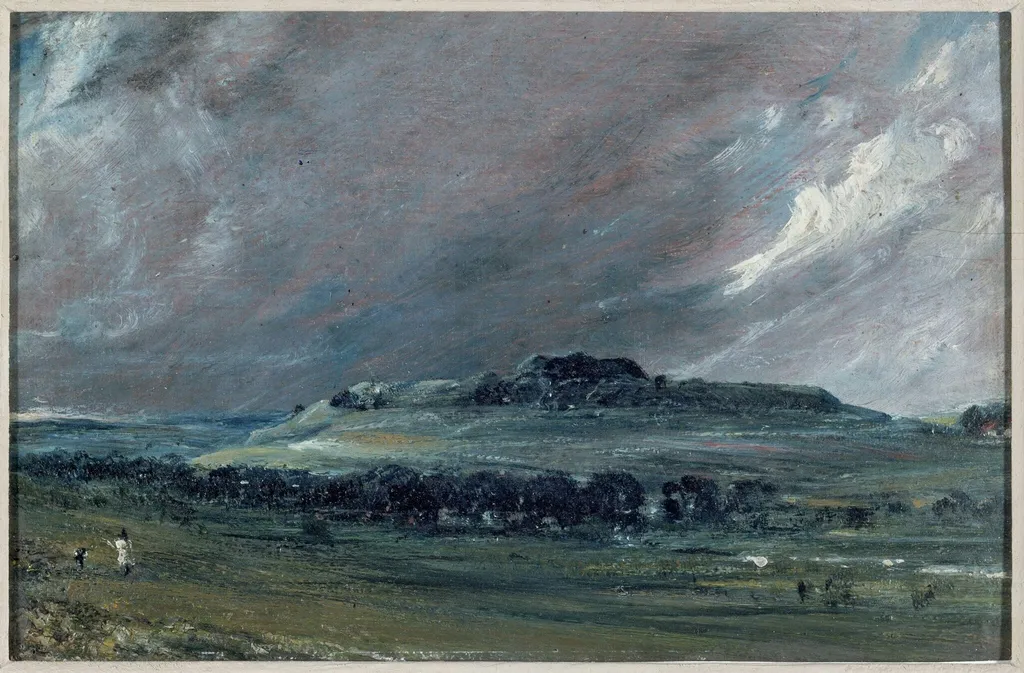
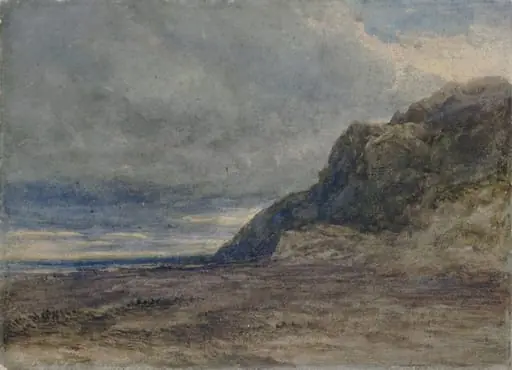
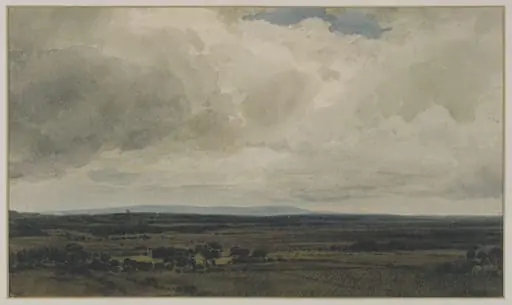
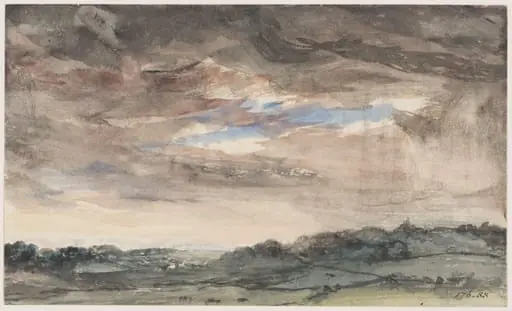
Old Sarum is an oil painting by the Romanticist artist John Constable. It dates from 1829 and is held in the collection of the Victoria and Albert Museum.
About this work
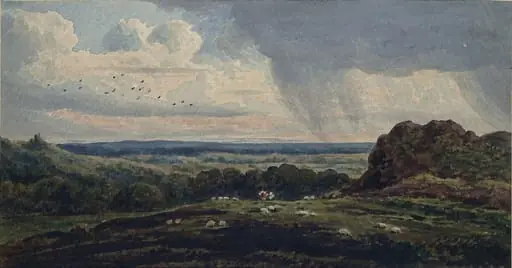
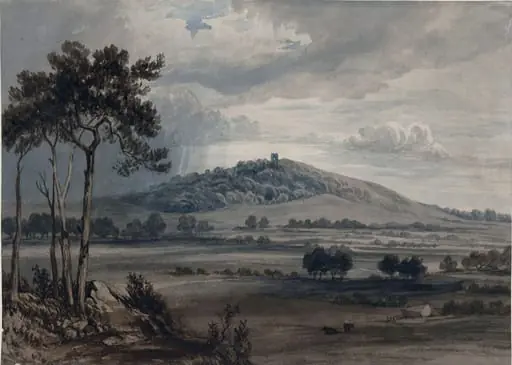
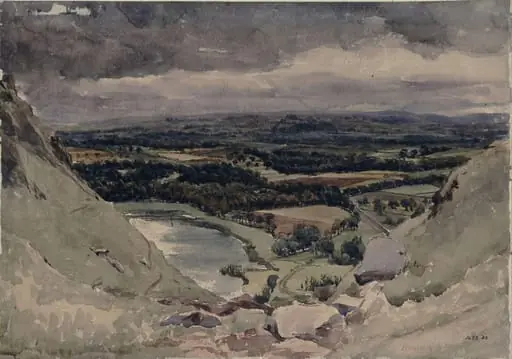
John Constable painted *Old Sarum* in 1829. It’s an oil sketch showing a quiet, windswept view near Salisbury. The scene mixes old ruins with open fields.
Constable loved this spot. He called it “the Shepherd’s humble pride” after kings’ grand past faded. He later turned the view into a print and a watercolour.
Next, look up the artist: Constable, John (RA).
Overview
John Constable painted Old Sarum in 1829 as an oil sketch capturing the quiet decay of a once-significant medieval settlement near Salisbury.
John Constable painted Old Sarum in 1829 as an oil sketch capturing the quiet decay of a once-significant medieval settlement near Salisbury. The work reflects his interest in landscapes imbued with historical resonance, rendered not as grand spectacle but as a subdued, atmospheric study of earth, sky, and ruin. Its informal scale and loose handling distinguish it as a preparatory piece, yet it holds deep personal significance for the artist.
Subject & Meaning
Old Sarum, abandoned since the 14th century, stood as a silent witness to the passage of time. Constable was drawn to its layered history—the remnants of royal power now overtaken by pastoral simplicity. His remark, 'The pomp of Kings, is now the Shepherd's humble pride,' frames the site as a meditation on impermanence, where human ambition yields to nature’s quiet reclamation.
Technique & Style
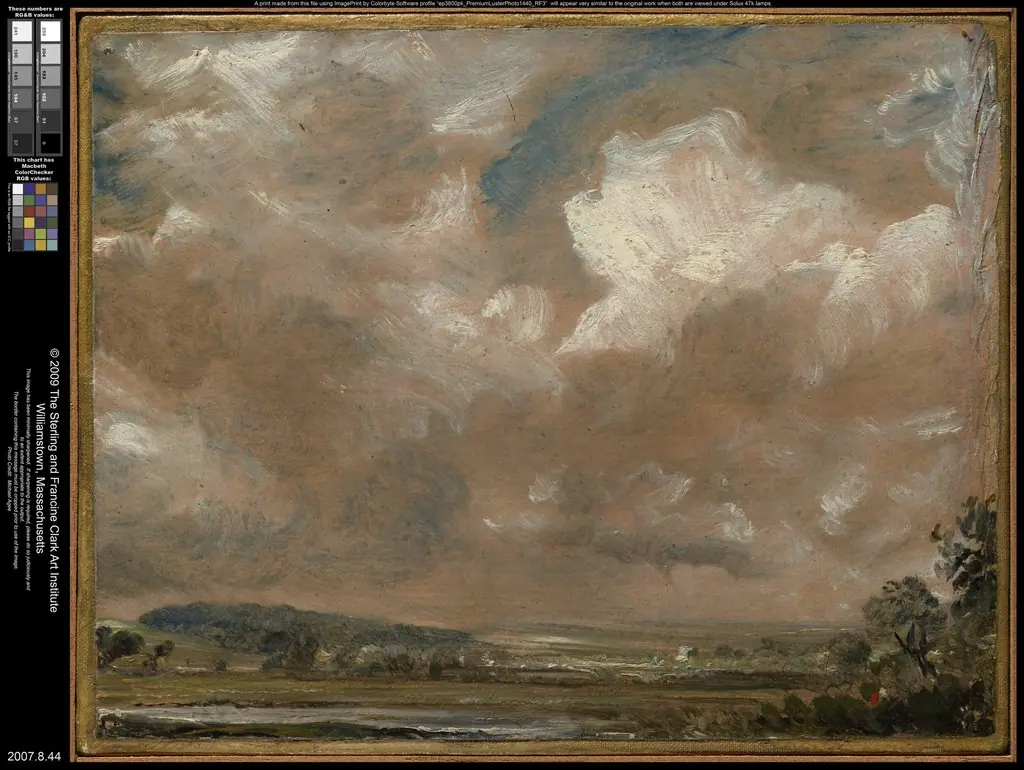
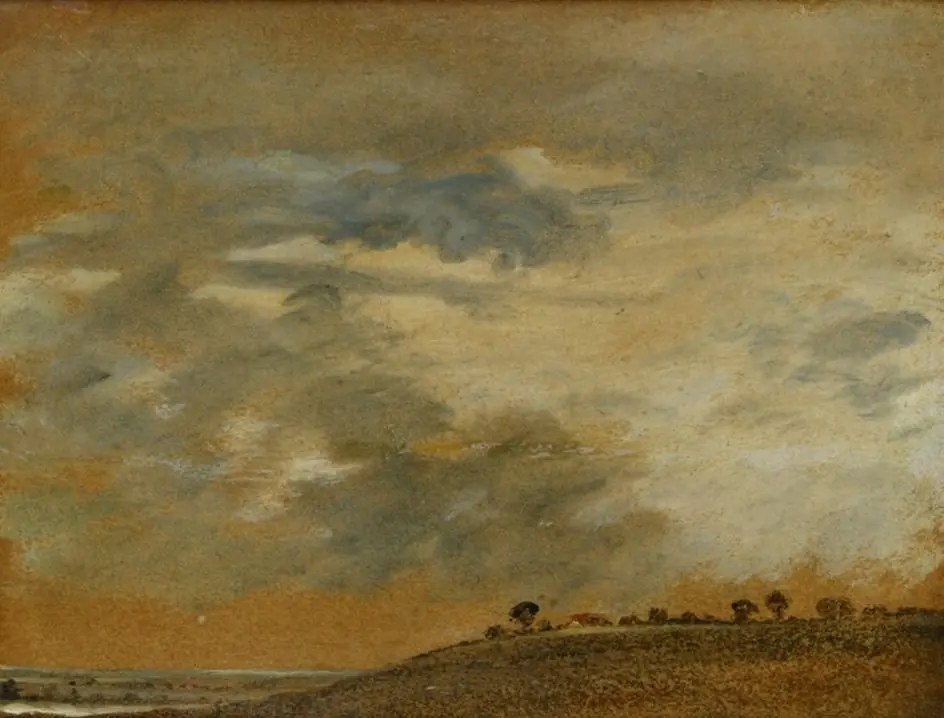
Constable employed rapid, tactile brushwork to convey the wind-swept openness of the landscape. The sky dominates the composition, its clouds softly modeled with layered glazes, while the ruins are suggested rather than meticulously detailed. Earth tones and muted greens ground the scene, reinforcing its somber, contemplative mood. The sketch’s immediacy reveals his commitment to observing nature directly, even in its most tranquil, forgotten corners.
History & Provenance
The painting was created during a period when Constable revisited sites of personal and historical interest across southern England. Though not exhibited publicly in his lifetime, it remained in his studio as a cherished study. He later produced a published engraving and a larger watercolor version of the same view, indicating its enduring importance to his artistic vision.
Context
In the 1820s, Constable increasingly turned to subjects marked by historical decay and rural solitude, moving beyond his earlier focus on working landscapes. Old Sarum aligned with a broader Romantic fascination with ruins as symbols of time’s passage. Unlike idealized classical ruins, his depiction avoids drama, favoring quiet authenticity over narrative spectacle.
Legacy
The oil sketch of Old Sarum exemplifies Constable’s late style—less concerned with finish than with emotional truth. It influenced later artists seeking to capture landscape as a vessel of memory rather than mere topography. Today, it stands as a quiet testament to his belief that the most profound beauty often resides in what has been forgotten.
Artist & collection
Artist
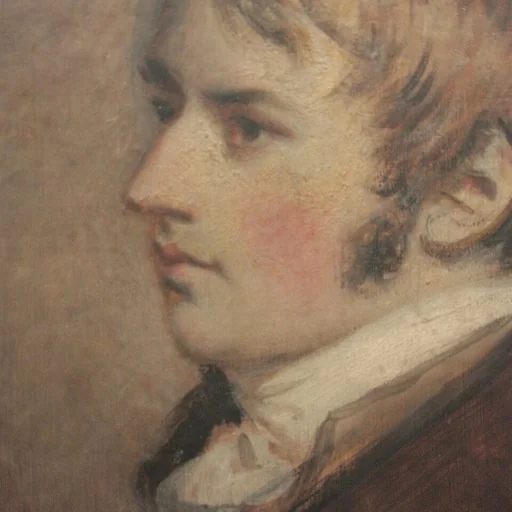
John Constable (; 11 June 1776 – 31 March 1837) was an English landscape painter in the Romantic tradition.