Artwork
Pitt Place, Epsom, the house of Mr. Digby Neave
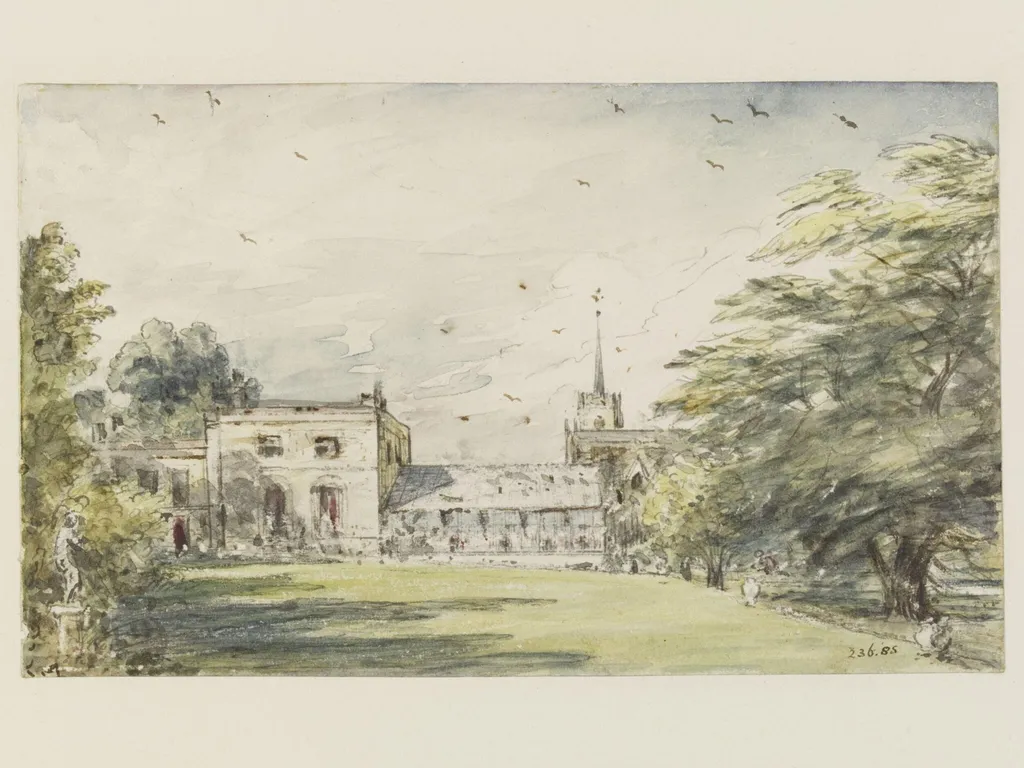
Pitt Place, Epsom, the house of Mr. Digby Neave is a watercolor work on paper by the Romanticist artist John Constable. It dates from 1831 and is held in the collection of the Victoria and Albert Museum. This watercolour, dated 1831, portrays Pitt Place, the Epsom residence of Digby Neave, a local landowner and friend of the artist.
About this work
Overview
This watercolour, dated 1831, portrays Pitt Place, the Epsom residence of Digby Neave, a local landowner and friend of the artist. Executed in soft, translucent washes, the scene captures the quiet dignity of an English country home nestled among mature trees. The composition emphasizes stillness and natural harmony, with a light grey sky and airborne birds suggesting a calm, overcast day.
Subject & Meaning
Figures in the garden imply daily life, grounding the scene in ordinary experience.
The painting presents Pitt Place not as a grand monument but as a lived-in domestic space, its white façade and spire subtly asserting presence without ostentation. Figures in the garden imply daily life, grounding the scene in ordinary experience. The inclusion of birds and foliage suggests an intimate connection between architecture and its natural surroundings, reflecting a quiet appreciation for rural tranquility.
Technique & Style
The artist employed delicate watercolour washes to achieve a hazy, atmospheric effect, with minimal detail in the foliage and architecture. Brushwork is restrained, allowing the paper’s texture to contribute to the softness of the sky and distant trees. The muted palette—pale greys, creams, and greens—enhances the sense of gentle light and subdued weather, characteristic of a contemplative, observational approach.
History & Provenance
Created shortly after the artist’s attendance at the coronation of William IV in September 1831, the work was made during a visit to Digby Neave at Pitt Place. It was not exhibited publicly at the time and remained in private hands, likely within Neave’s circle. Its survival offers a rare glimpse into the artist’s personal engagements beyond major public commissions.
Context
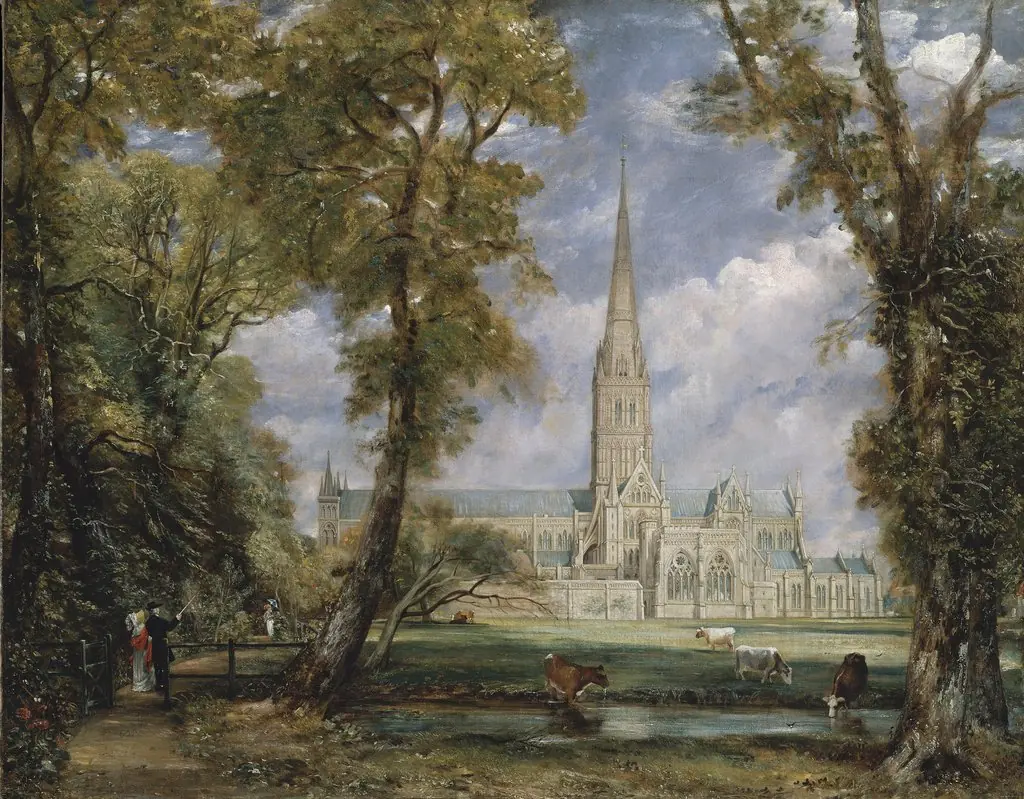
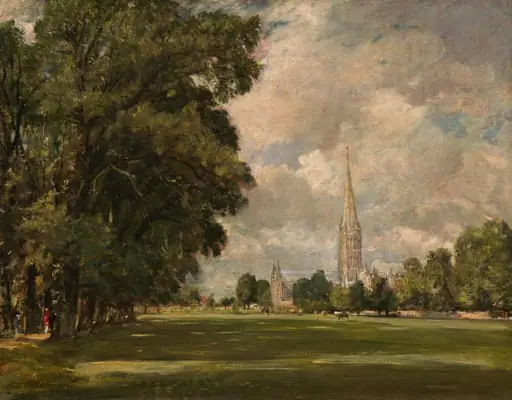
In 1831, the artist was actively engaged with the Royal Academy, exhibiting large-scale landscapes like *Salisbury Cathedral from the Meadows*. This watercolour, though smaller and more intimate, reflects the same sensitivity to light and landscape. It stands as a private counterpart to his public works, revealing a quieter mode of observation rooted in personal connection rather than public display.
Legacy
Though not widely known, the painting contributes to understanding the artist’s broader practice beyond grand exhibitions. It exemplifies how landscape was used to record personal encounters and domestic environments, reinforcing the value of everyday scenes in 19th-century British art. Its preservation offers insight into the social and artistic networks of the period.
Own this work as a print
Artist & collection
Artist
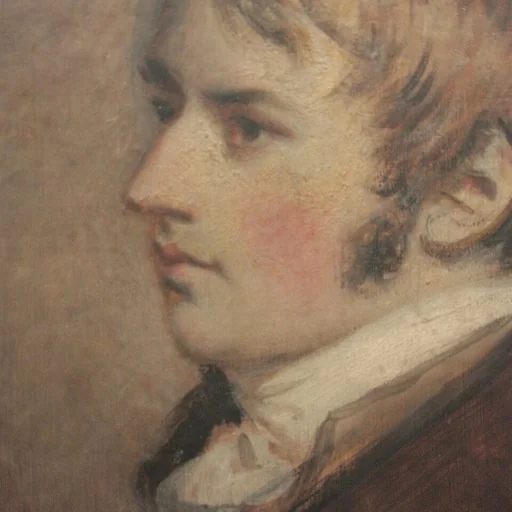
John Constable (; 11 June 1776 – 31 March 1837) was an English landscape painter in the Romantic tradition.

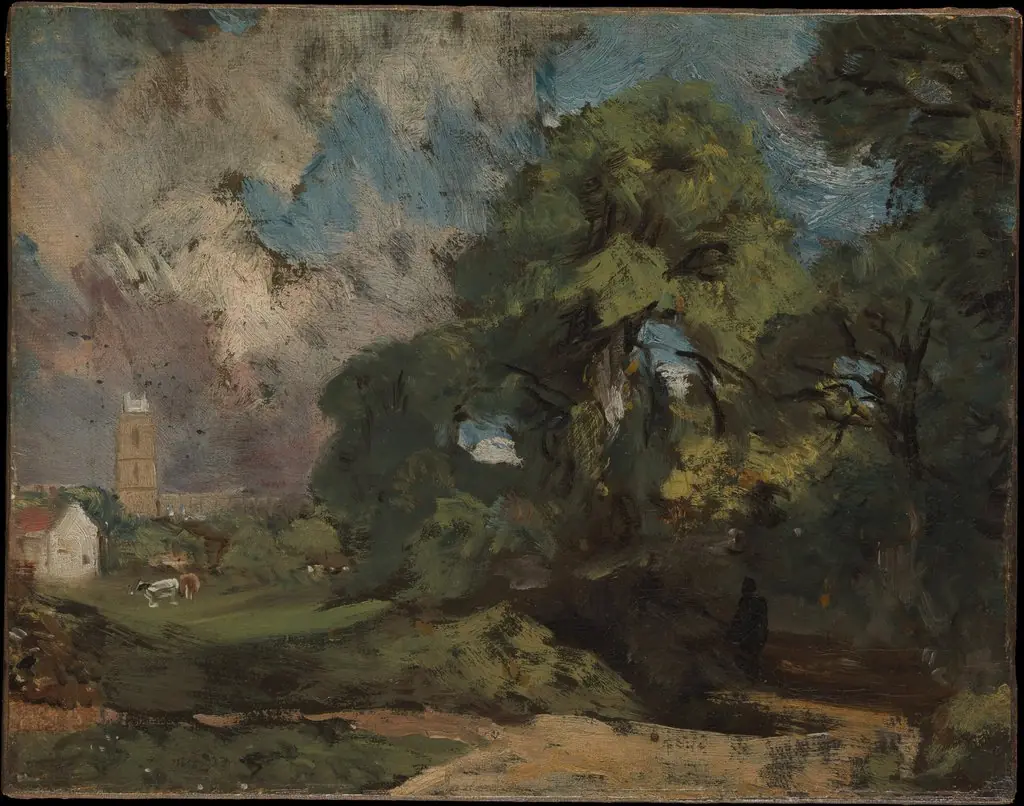
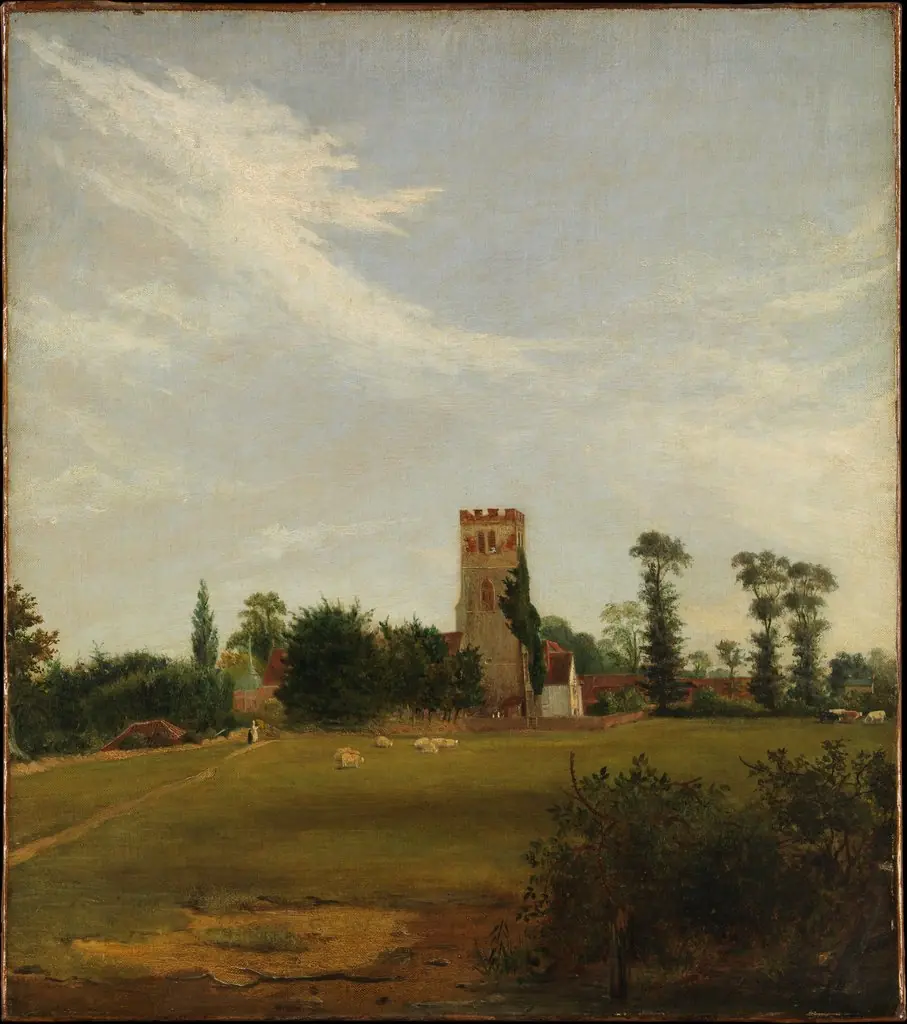
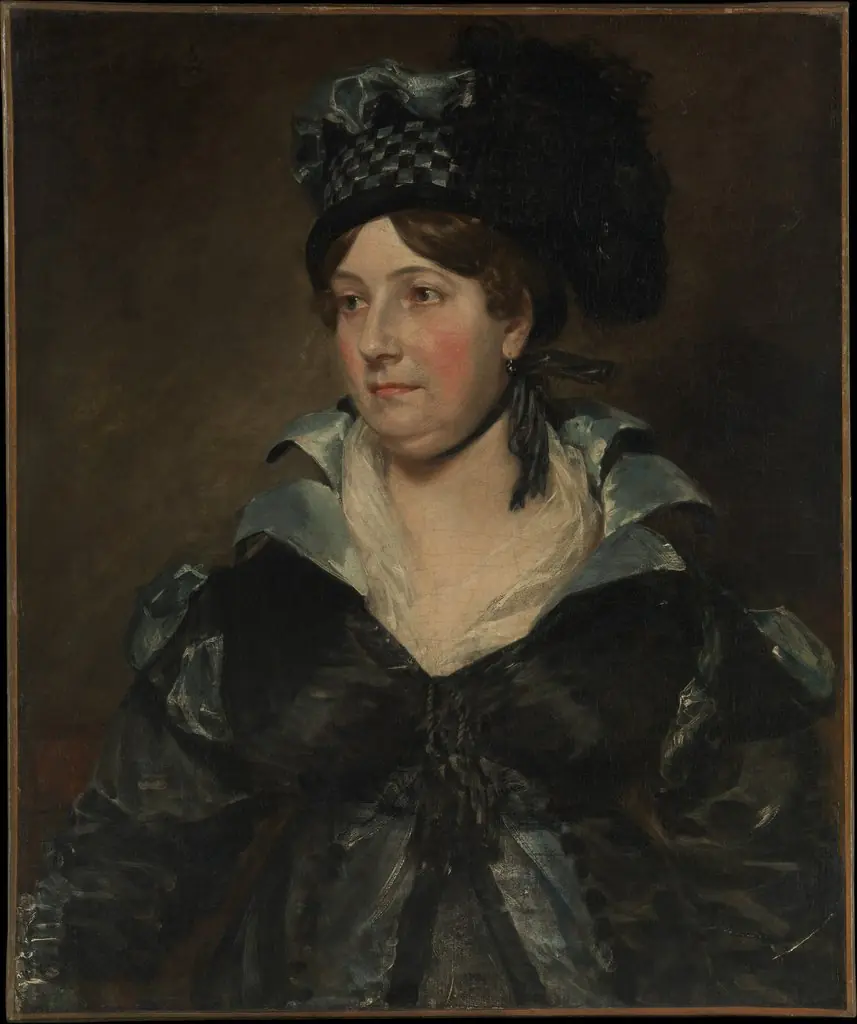
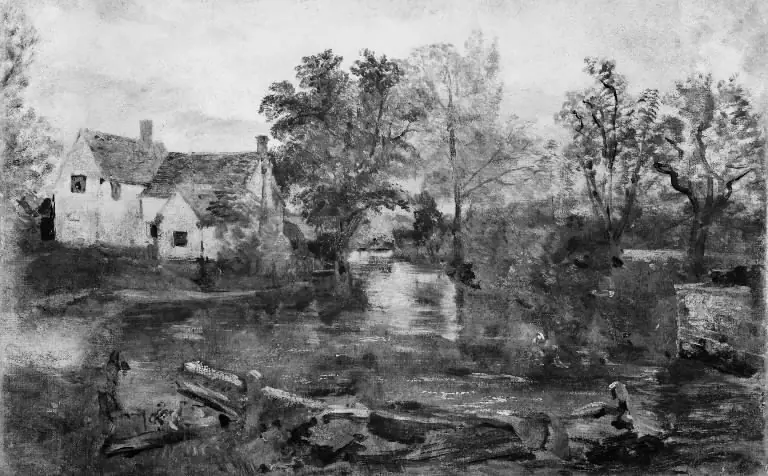
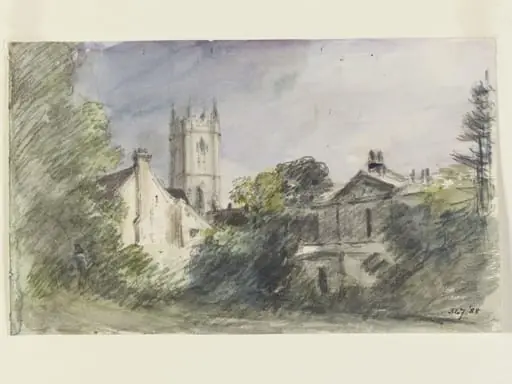 Houses in Dedham, with the church tower
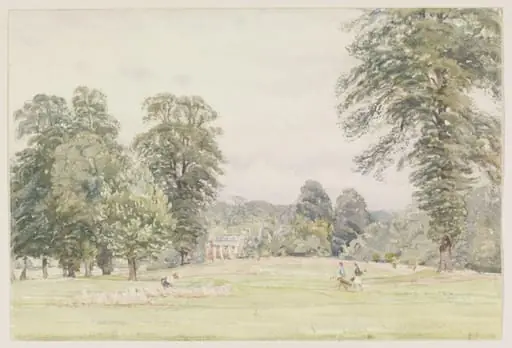 Richmond Golf Club, Sudbrook Park
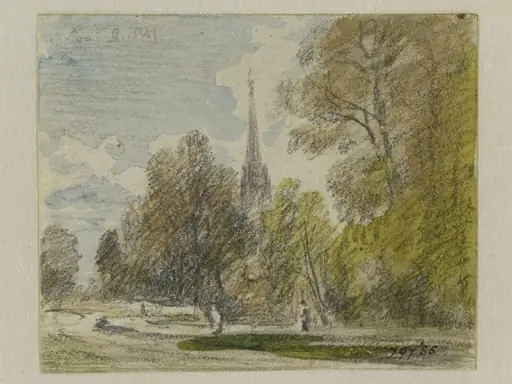 Salisbury Cathedral with trees
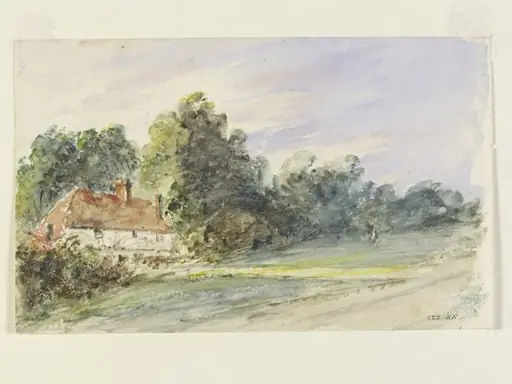 A cottage with a red-tiled roof, by a wood
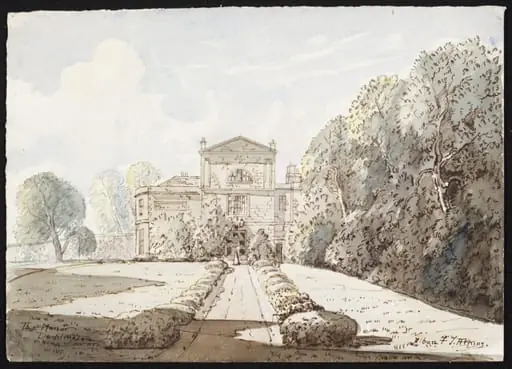 The Manor, Deddington
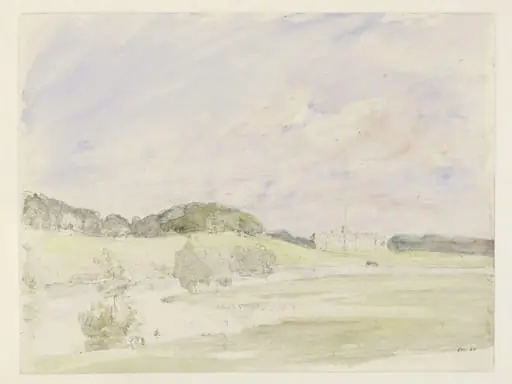 Petworth House from the Park
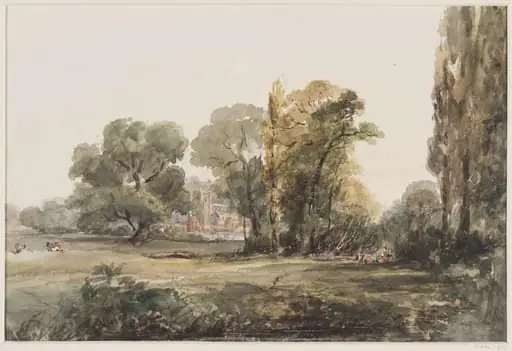 Stowe: a church in the distance, seen amid trees
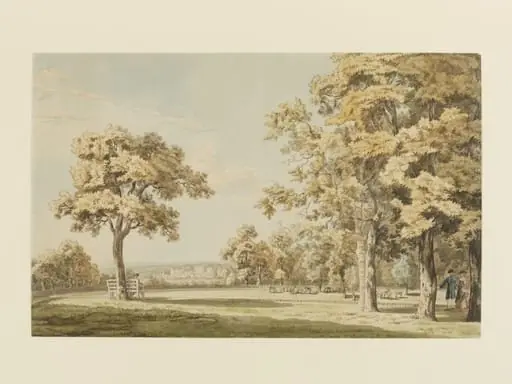 Windsor Castle from the Great Park, near the End of the Long Walk
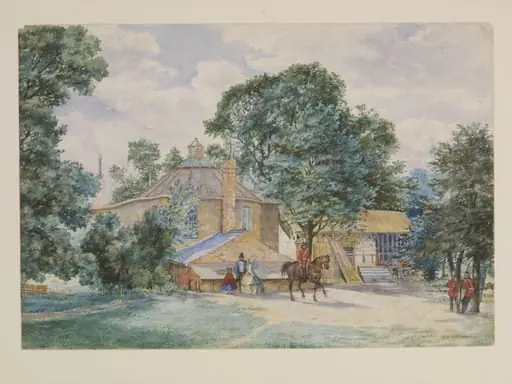 The first lecture theatre at the South Kensington Museum, later the Victoria and Albert Museum
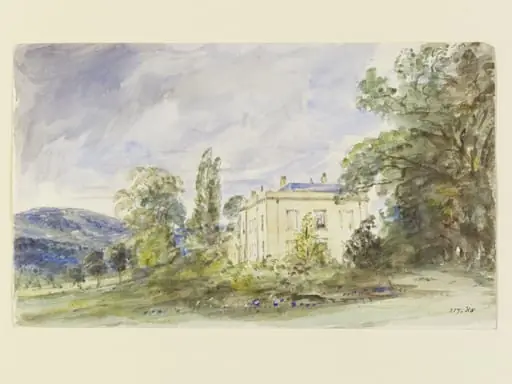 Bignor Park, Sussex
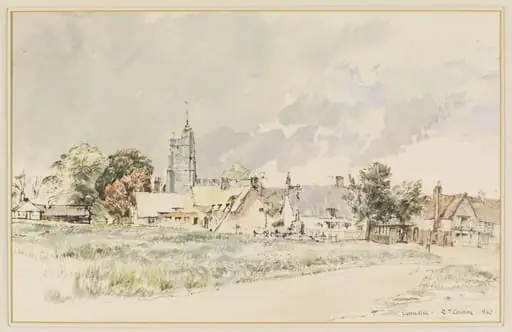 Cavendish
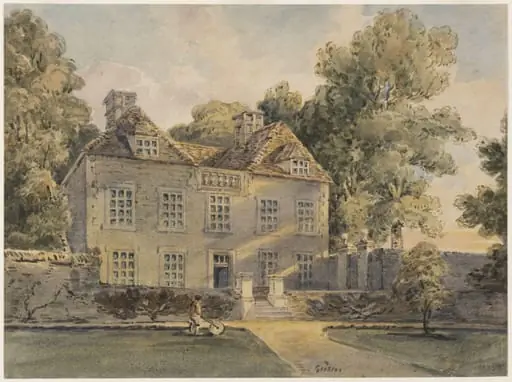 Dr. Monro's house, Winster