Artwork
Studies of Two Ploughs
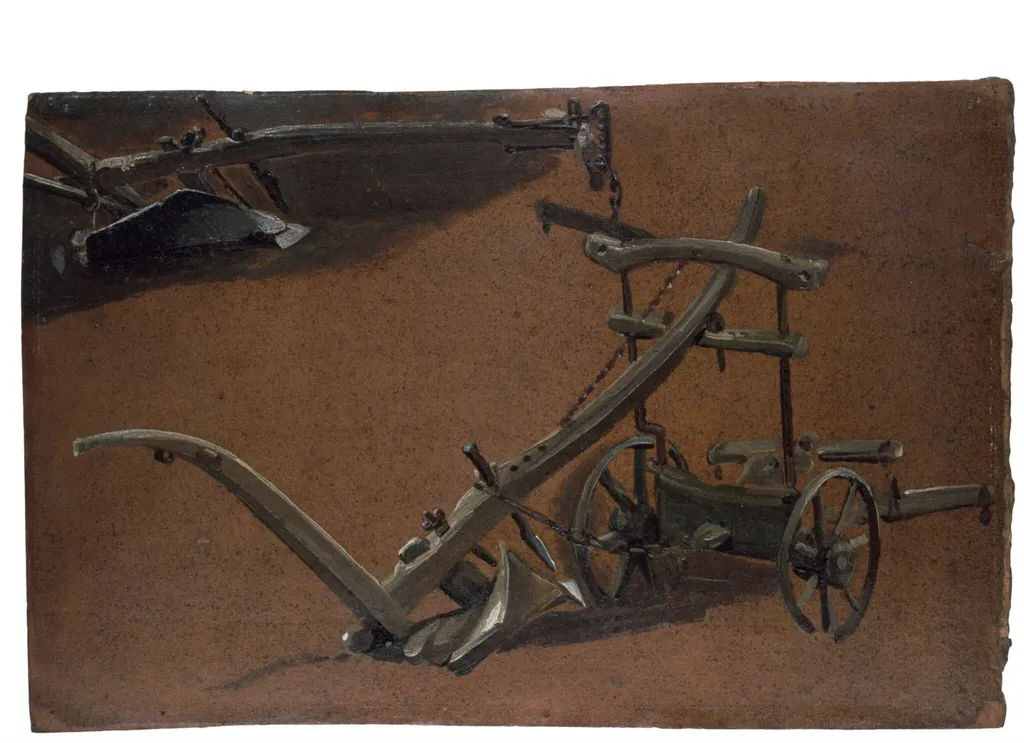
Studies of Two Ploughs is an oil painting by the Romanticist artist John Constable. It dates from 6 and is held in the collection of the Victoria and Albert Museum.
About this work
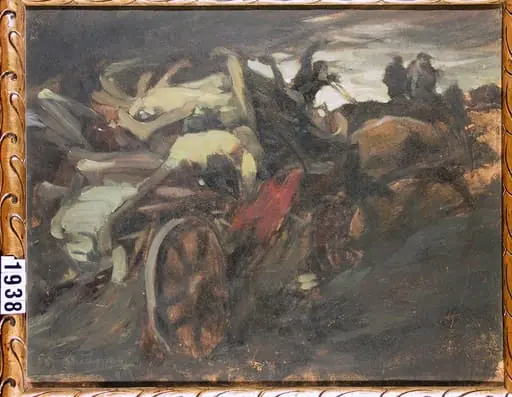
It shows two kinds of ploughs—one heavy with wheels, one lighter and swung by hand.
John Constable painted a quick oil study called *Studies of Two Ploughs* in 1814. It shows two kinds of ploughs—one heavy with wheels, one lighter and swung by hand. He used this sketch to work out details he’d later put into finished paintings.
The Romantic painter focused on the shapes and textures of farm tools. This piece is less about mood, more about careful observation.
Next, check out another work by Constable at the Victoria and Albert Museum.
Overview
Painted in 1814, this oil study by John Constable examines two distinct agricultural implements: a heavy wheeled plough and a lighter, manually swung model. Executed with swift, direct brushwork, the piece functions as a preparatory observation rather than a finished composition. Constable focused on structural form and material texture, capturing the tools in natural light without narrative or emotional embellishment.
Subject & Meaning
The two ploughs represent contrasting farming technologies of early 19th-century England. The wheeled plough, used for heavier soils, contrasts with the swing plough, suited for lighter ground and smaller plots. Constable’s interest lay not in symbolism but in the physical reality of rural labor—documenting tools as functional objects integral to the landscape and livelihood.
Technique & Style
Constable applied oil paint with loose, observational immediacy, emphasizing surface detail over atmospheric effect. Brushstrokes define wood grain, iron rust, and soil residue with precision. The composition is deliberately unadorned, arranged horizontally to highlight form and proportion. This approach reflects his commitment to studying nature directly, prioritizing accuracy over idealization.
History & Provenance
Created during Constable’s early period of rural studies, the work remained in his possession until his death. It later entered the collection of the Victoria and Albert Museum, where it is held alongside other preparatory sketches. Its survival offers rare insight into his method of translating direct observation into larger, exhibited works.
Context
In the early 1800s, English agriculture was undergoing gradual mechanization. Constable, living in Suffolk, witnessed these changes firsthand. His studies of ploughs and other farm equipment were part of a broader effort to record the material culture of the countryside, aligning with Romanticism’s interest in authentic rural life, though without its typical sentimentality.
Legacy
The study served as a visual reference for later paintings, including those exhibited at the Royal Academy. Its significance lies in its role as a bridge between empirical observation and finished composition. Today, it stands as a testament to Constable’s dedication to understanding the land through its tools, influencing later realist approaches to landscape and rural subject matter.
Artist & collection
Artist
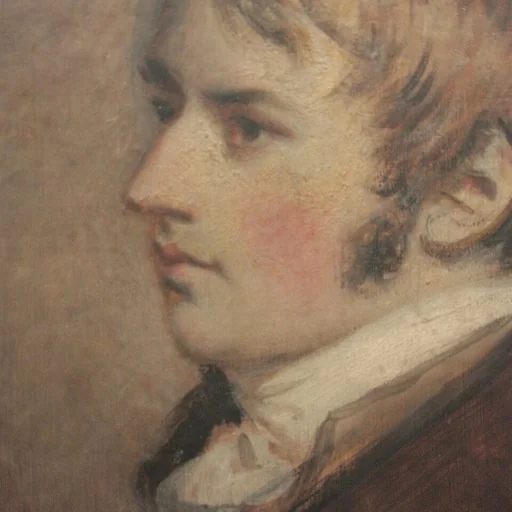
John Constable (; 11 June 1776 – 31 March 1837) was an English landscape painter in the Romantic tradition.