Artwork
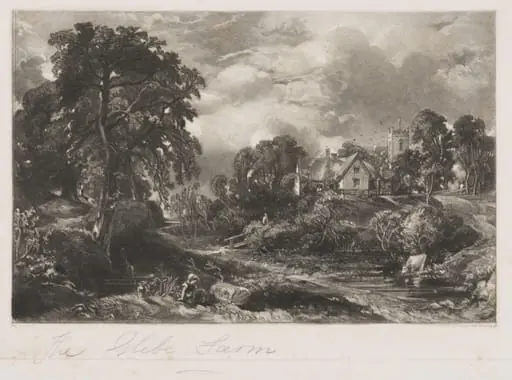
THE GLEBE FARM
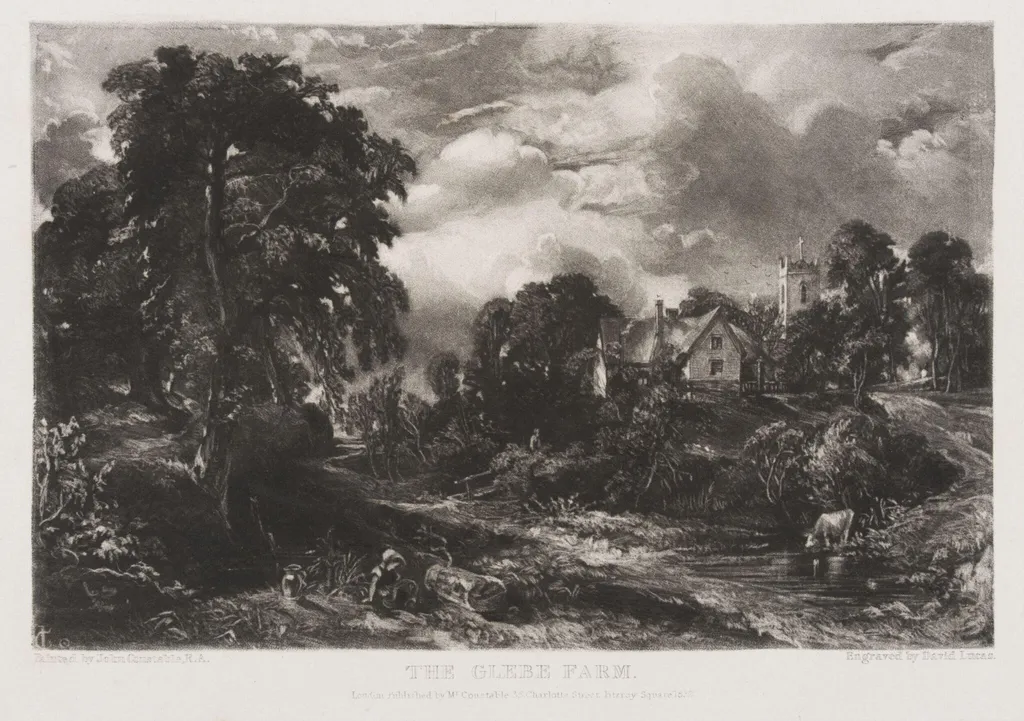
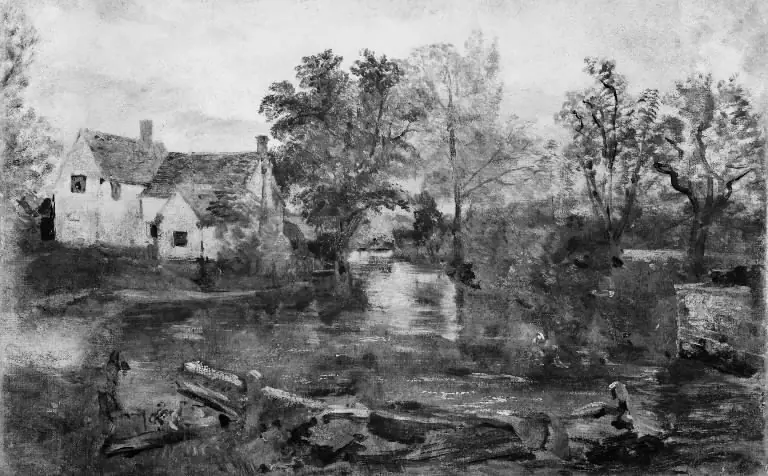
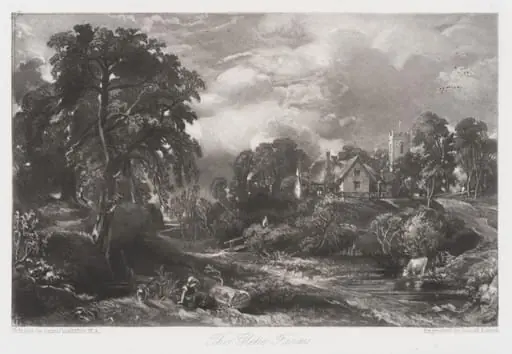
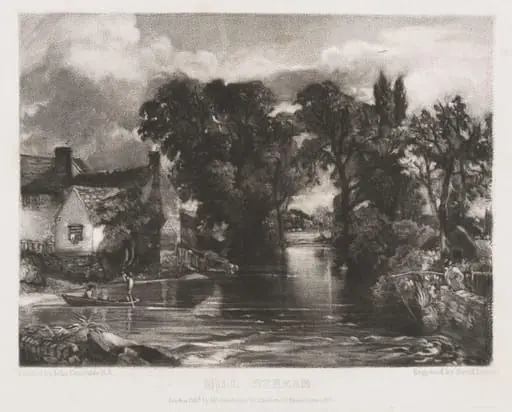
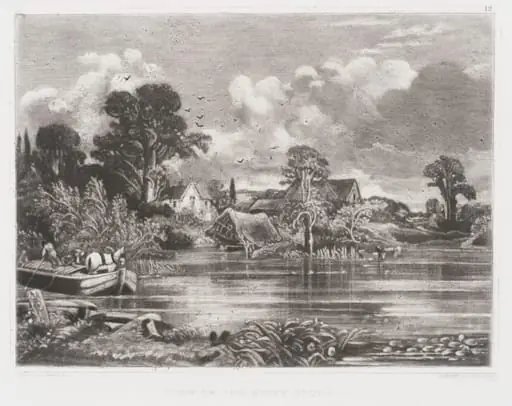
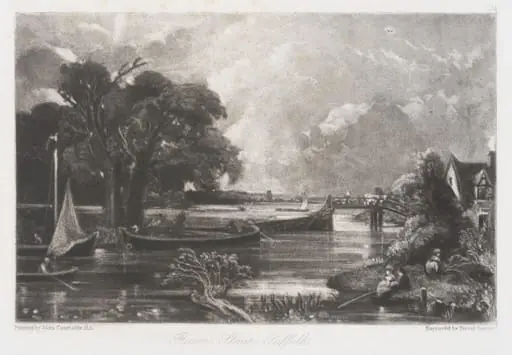
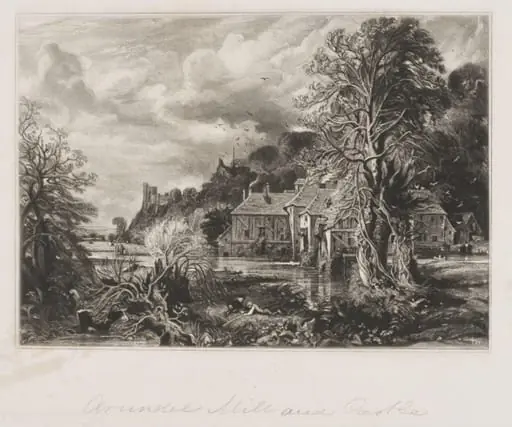
THE GLEBE FARM is a print by the Romanticist artist John Constable. It dates from 1832 and is held in the collection of the Victoria and Albert Museum.
About this work
This print shows a quiet English farm scene by John Constable. Made in 1832, it’s part of a famous set of 22 mezzotints he helped oversee.
Constable didn’t just paint these views. He picked which sketches to turn into prints, then guided the process closely so the prints stayed true to his eye.
Check out the Victoria and Albert Museum.
Overview
Part of the series English Landscape, it was produced in collaboration with engraver David Lucas, who translated Constable’s oil sketches into tonal prints.
The Glebe Farm is one of twenty-two mezzotints published between 1830 and 1832 under John Constable’s direct supervision. Part of the series English Landscape, it was produced in collaboration with engraver David Lucas, who translated Constable’s oil sketches into tonal prints. Constable oversaw every stage, ensuring the prints reflected his vision of English rural life, not merely as records but as expressions of natural light and atmosphere.
Subject & Meaning
The scene depicts a modest farmstead nestled in the Suffolk countryside, a place Constable knew intimately. Rather than idealizing the landscape, he emphasized quiet, everyday rural existence. The composition reflects his belief that nature’s emotional power lay in its subtle interplay of light and shadow, not grandeur. This view, personal and unembellished, was chosen to affirm the dignity of ordinary English scenery.
Technique & Style
Mezzotint, a labor-intensive process using a rocker to create textured grounds, allowed for rich gradations of tone. Lucas, under Constable’s guidance, exploited this to replicate the soft transitions of sky, foliage, and earth found in the original sketches. The print avoids sharp lines, favoring atmospheric depth and muted contrasts that echo Constable’s oil studies, prioritizing mood over detail.
History & Provenance
Published in six installments between 1830 and 1832, the series was revised in 1833 and reprinted after Constable’s death in 1837. Lucas continued to produce additional plates using original dies. The Glebe Farm, issued in 1832, belongs to the first edition. Surviving impressions are rare; many were bound into volumes for subscribers, and later reprints often lacked the artist’s direct involvement.
Context
At a time when landscape painting was undervalued in Britain, Constable turned to printmaking to assert the artistic legitimacy of his work. Drawing from Claude and Turner, he sought to elevate landscape beyond topography. By selecting scenes tied to his personal history and emphasizing chiaroscuro, he positioned nature as a moral and aesthetic force, countering prevailing academic hierarchies.
Legacy
English Landscape became a foundational reference for later printmakers and landscape artists. Though commercially modest in its time, the series demonstrated the potential of mezzotint to convey painterly effects. Constable’s insistence on fidelity to his vision set a precedent for artist-controlled reproduction, influencing how artists would later engage with print media as an extension of their creative intent.
Artist & collection
Artist
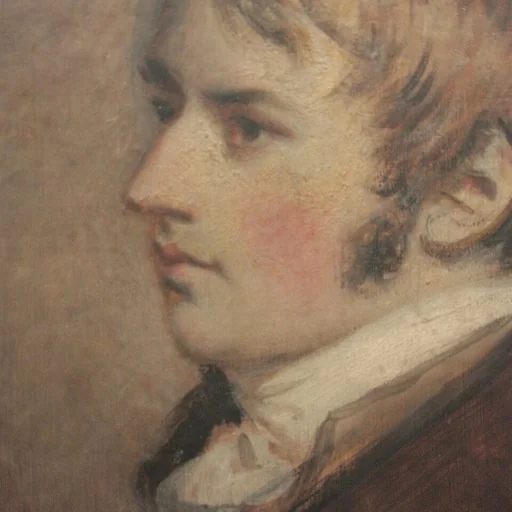
John Constable (; 11 June 1776 – 31 March 1837) was an English landscape painter in the Romantic tradition.