Artwork
Untitled (The Forest of Fontainebleau)
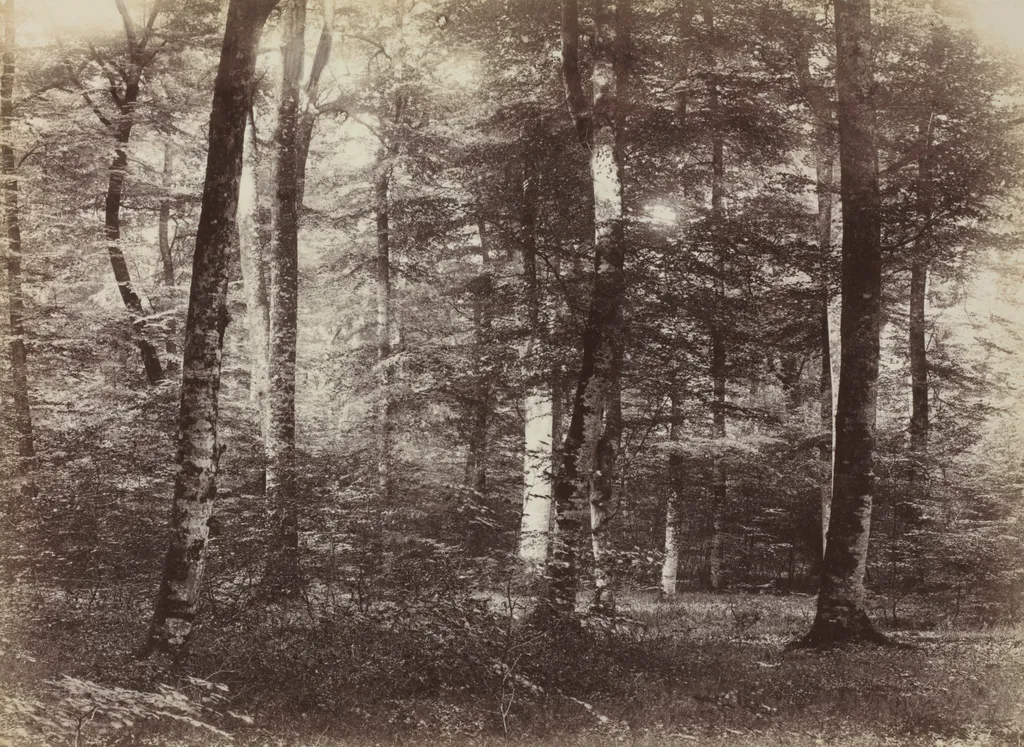
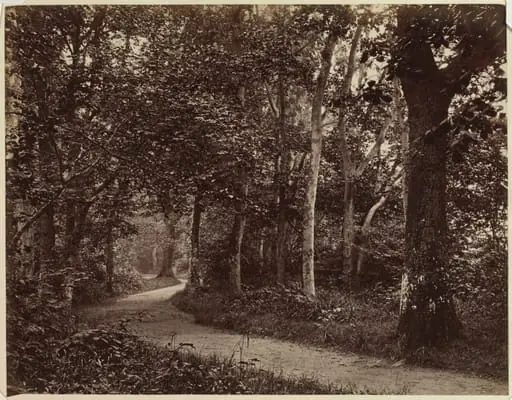
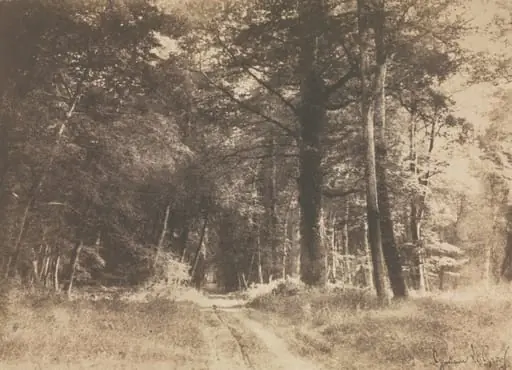
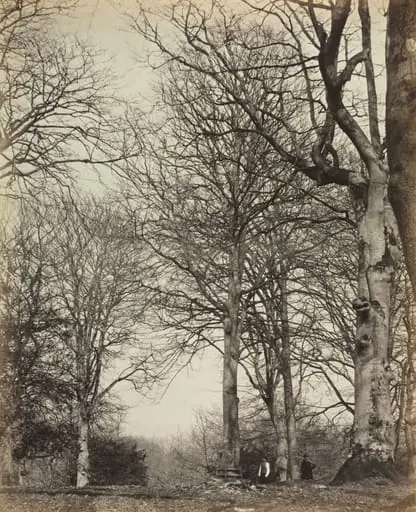
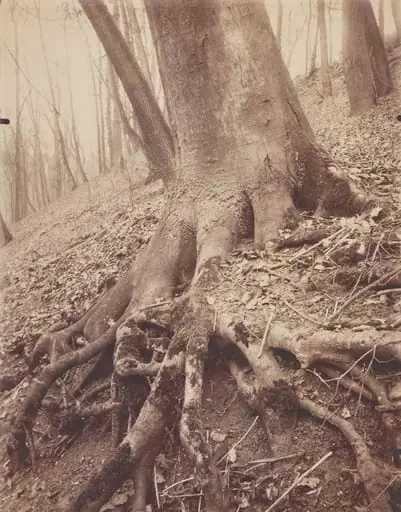
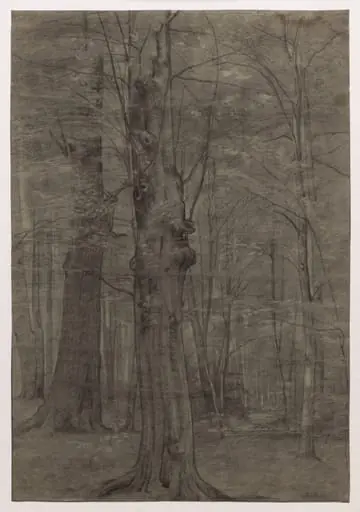
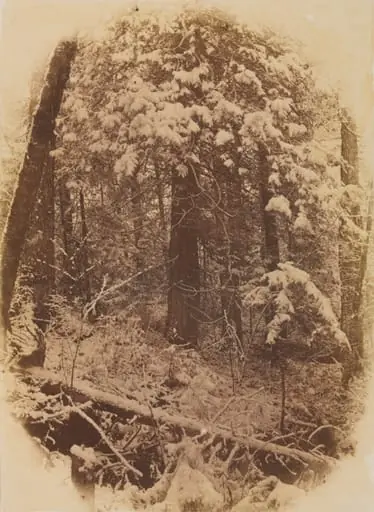
Untitled (The Forest of Fontainebleau) is a photography by the Impressionist artist Constant Alexandre Famin. It dates from 1874 and is held in the collection of the Cleveland Museum of Art.
About this work
Overview
This photograph, titled Untitled (The Forest of Fontainebleau), dates from the 1870s and captures a wooded landscape in the Fontainebleau region of France.
This photograph, titled Untitled (The Forest of Fontainebleau), dates from the 1870s and captures a wooded landscape in the Fontainebleau region of France. It is one of the few surviving works by a photographer whose name and biography remain largely undocumented. The image stands out among contemporaneous landscape photography for its sensitivity to natural light and atmospheric nuance, distinguishing it from more formal or topographical approaches of the era.
Subject & Meaning
The scene depicts a quiet, sun-dappled forest path, with trees forming a dense canopy above a soft undergrowth. There is no human presence, and the composition avoids narrative or symbolic intent. Instead, the focus lies in the transient effects of daylight filtering through leaves, suggesting an interest in the ephemeral qualities of nature rather than its grandeur or utility. The mood is contemplative, rooted in observation rather than idealization.
Technique & Style
The photographer employed long exposures to capture subtle gradations of light and shadow, enhancing the three-dimensionality of the forest interior. The interplay of bright patches and deep recesses echoes the chiaroscuro effects seen in painting, though achieved through the camera’s optical and chemical processes. The soft focus and tonal richness suggest an intentional departure from sharp documentation, aligning the work with emerging aesthetic sensibilities in photography.
History & Provenance
The photographer’s identity remains unconfirmed, though the work is often attributed to a figure associated with the Fontainebleau school of landscape photographers active in the 1860s–70s. No exhibition records or personal papers survive to clarify the artist’s background or intentions. The photograph’s survival is likely due to its inclusion in private collections or institutional archives that preserved lesser-known photographic works from the period.
Context
During the 1870s, photography was still largely viewed as a documentary tool, yet a small group of practitioners began exploring its expressive potential. In France, artists and photographers were influenced by the Barbizon painters, who had earlier depicted the Fontainebleau forests with emotional depth. This photograph reflects that shift, aligning photographic practice with the broader cultural turn toward sensory experience and naturalism.
Legacy
Though the photographer’s name faded from public record, this image is recognized as an early example of photographic impressionism—prior to the term’s formal adoption in painting. Its emphasis on light, mood, and texture influenced later photographers who sought to elevate the medium beyond mere record-keeping. The work remains a quiet testament to the artistic possibilities of photography in its formative decades.
Artist & collection

![The Park at Sceaux [April 1925, 7a.m.], by Eugène Atget](https://artifactworldgallery.com/img/eugene-atget--the-park-at-sceaux-april-1925-7a-m--af61d3e0a0050a6f-w320.webp)