Artwork
The Gooseherd
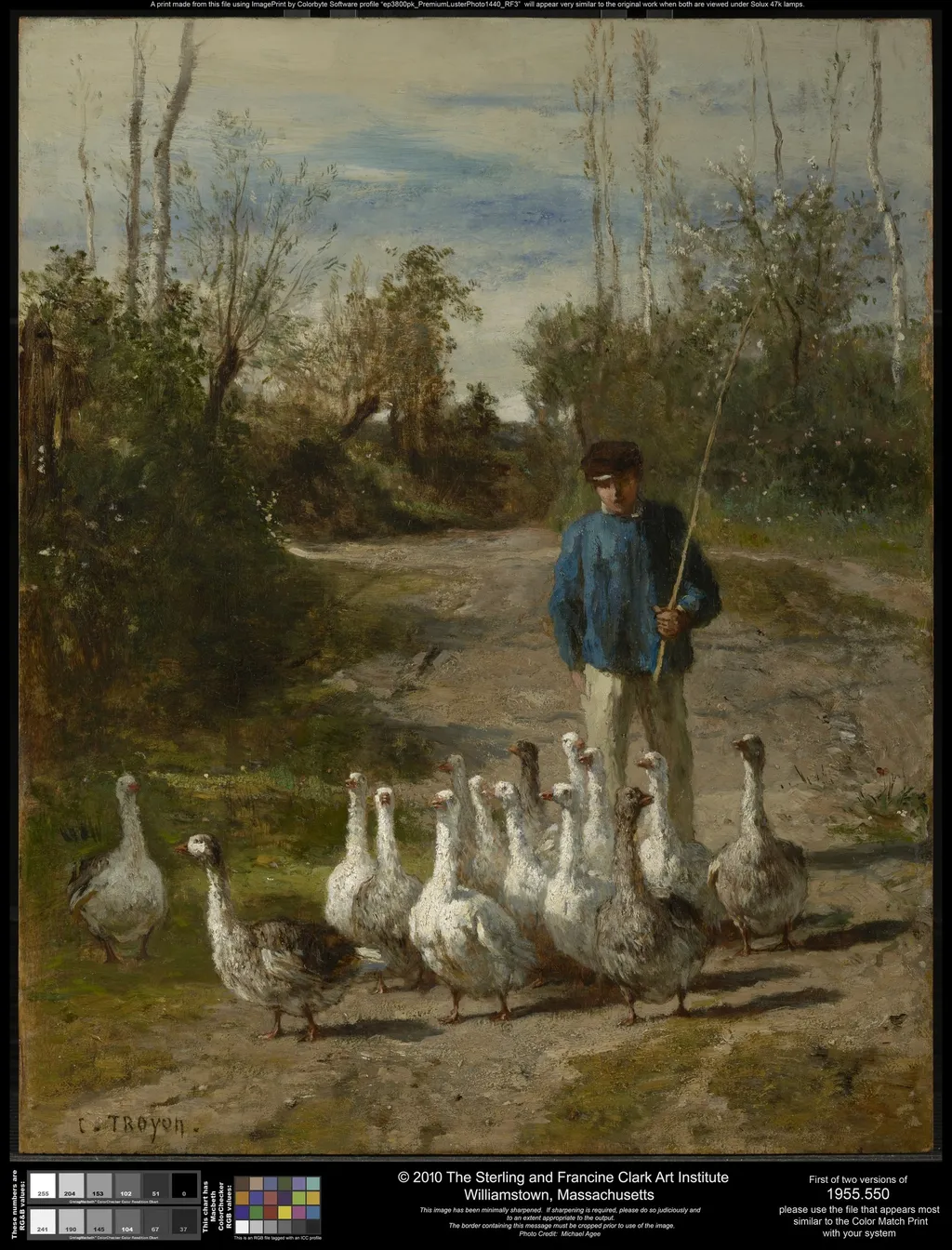
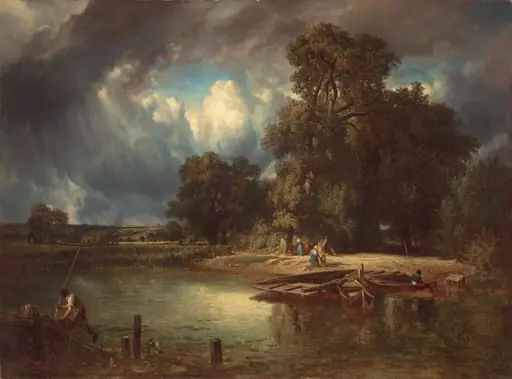
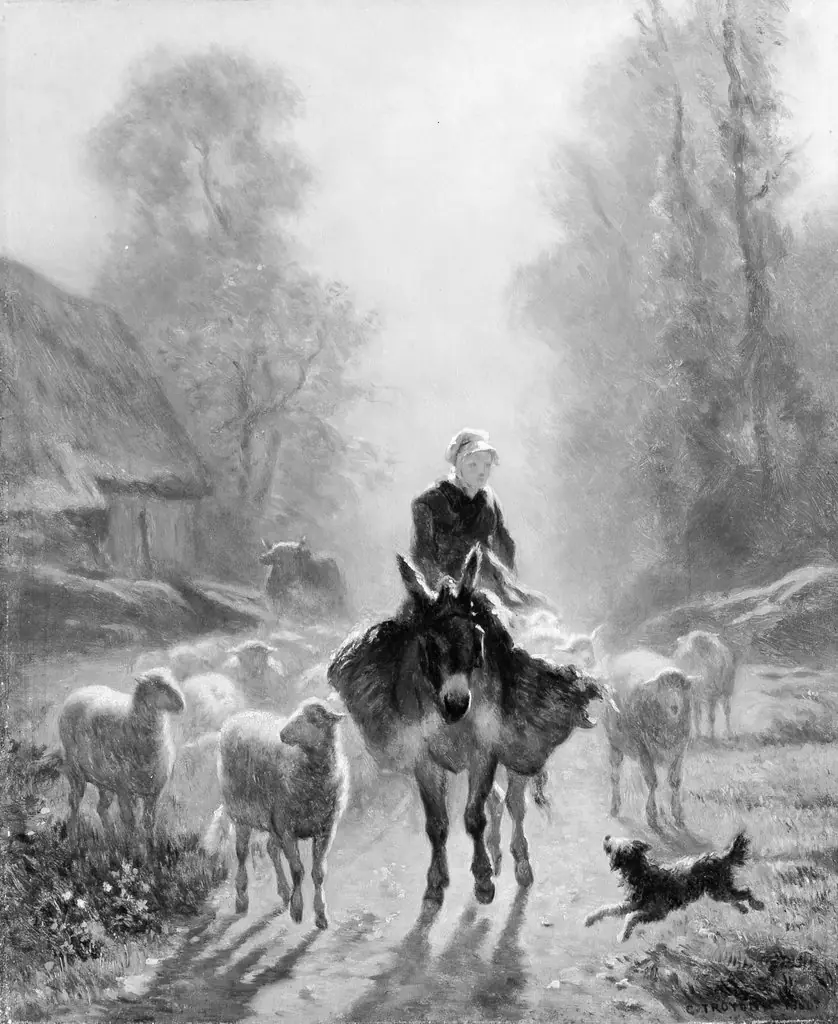
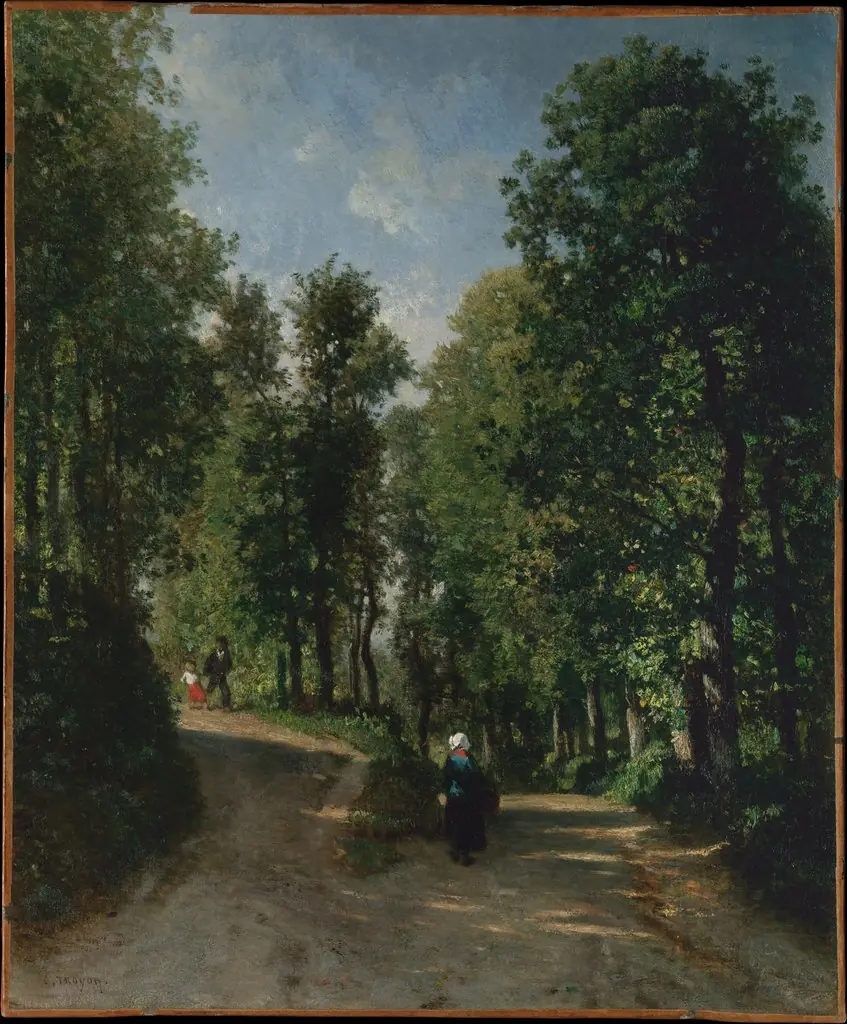
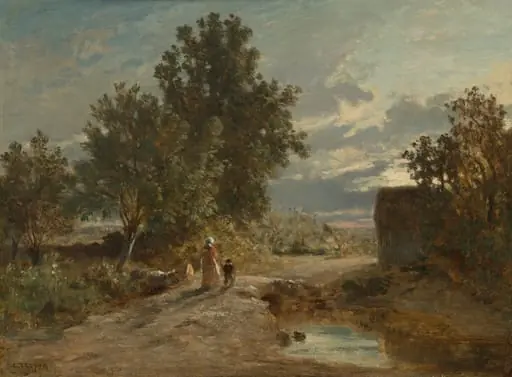
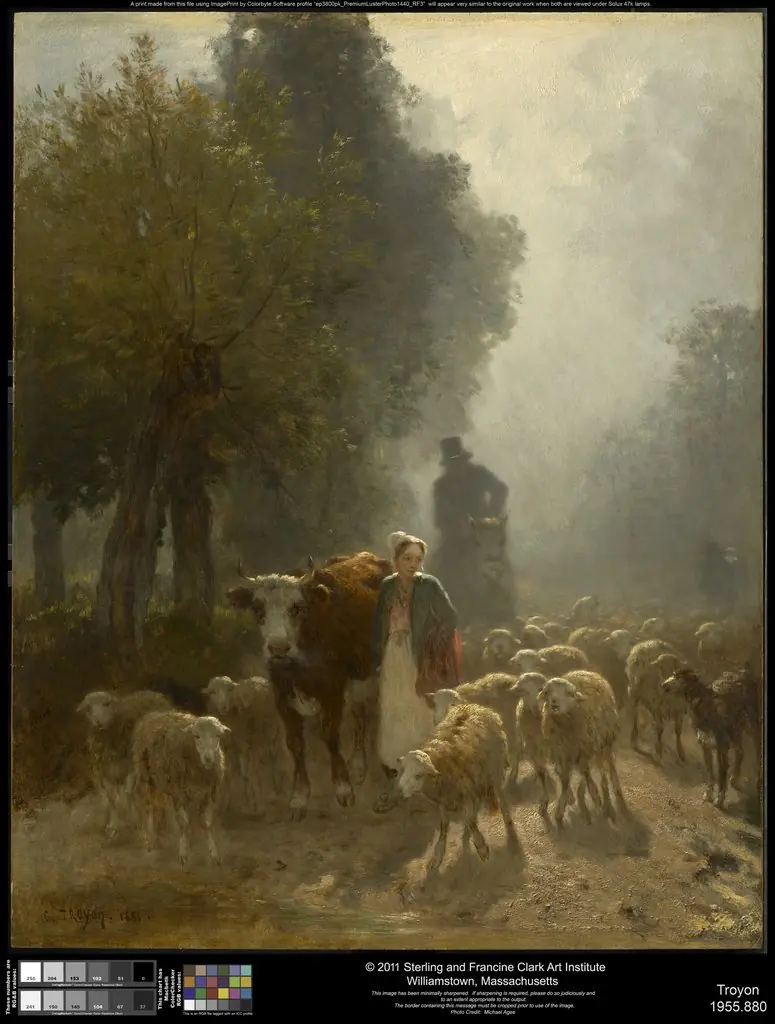
The Gooseherd is an oil painting by the Barbizon school artist Constant Troyon. It dates from 1852 and is held in the collection of the Clark Art Institute.
About this work
Overview
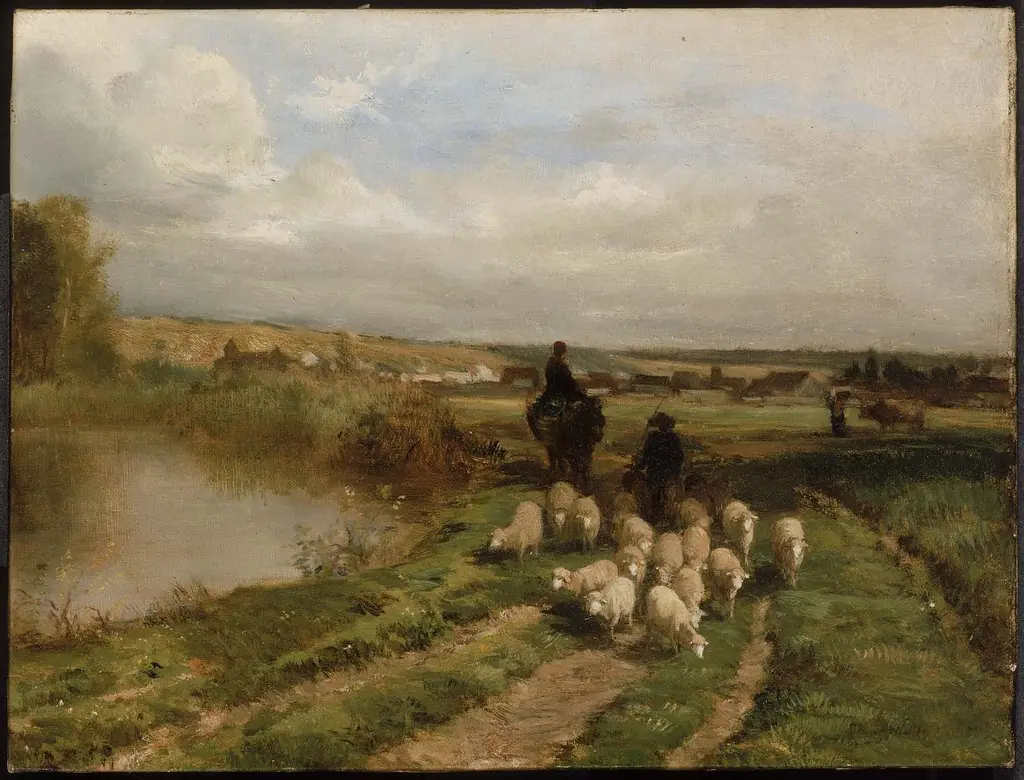
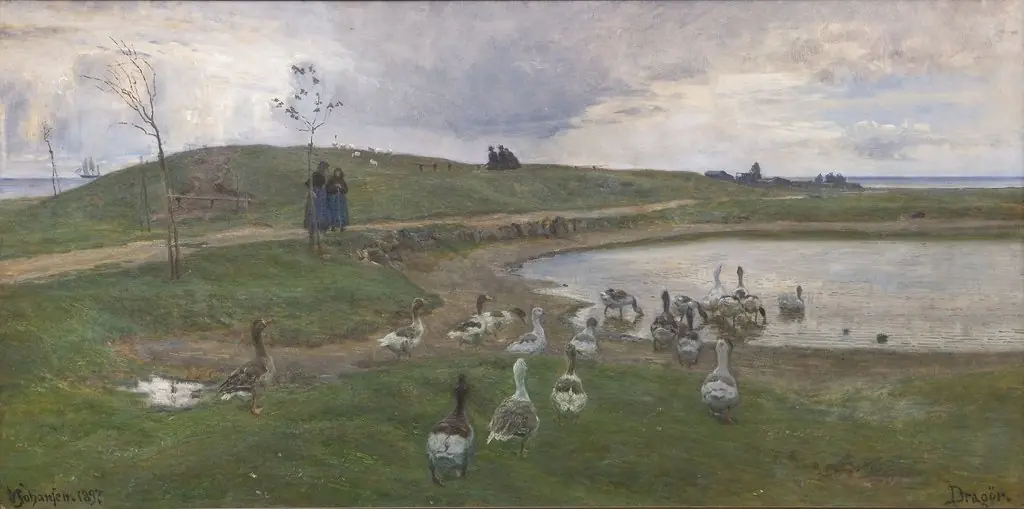
Constant Troyon’s 1852 oil painting, titled The Gooseherd, depicts a pastoral scene centered on a young boy guiding a flock of white geese along a dirt track. The work is part of the collection at the Clark Art Institute, where it is displayed among other 19th‑century French landscapes.
Subject & Meaning
The composition presents a solitary youth, dressed in a blue jacket and brown hat, holding a staff as he leads the birds. The geese, positioned in varied poses, suggest movement and the routine of rural labor, reflecting the everyday responsibilities of a shepherd in a countryside setting.
Technique & Style
Rendered in oil on canvas, Troyon employs a naturalistic palette of earthy browns, muted greens, and a clear blue sky. The careful modeling of light on the figures and foliage creates a modest sense of depth, while the detailed rendering of the path and vegetation underscores his commitment to realistic observation.
History & Provenance
Completed in 1852, The Gooseherd entered the collection of the Clark Art Institute, a museum known for its holdings of 19th‑century European paintings. Its acquisition history beyond the museum’s purchase records remains undocumented in public sources.
Context
Troyon was associated with the Barbizon school, a group of artists who emphasized direct study of nature and rural life. This work aligns with that tradition, focusing on a simple agrarian task rather than grand historical narrative, and illustrates the period’s interest in depicting the dignity of ordinary labor.
Artist & collection

Artist
Constant Troyon (French pronunciation: ; August 28, 1810 – February 21, 1865) was a French painter of the Barbizon school.