Artwork
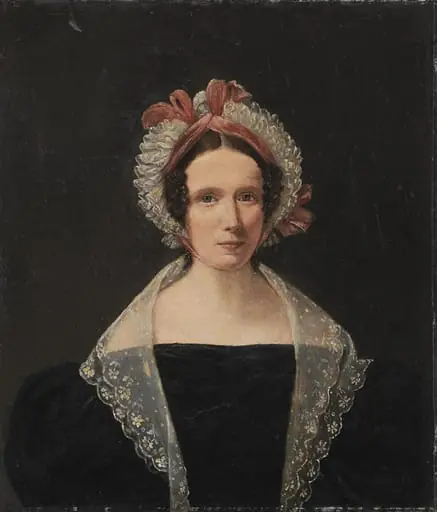
Portrait of Hanne Wanscher, née Wegener
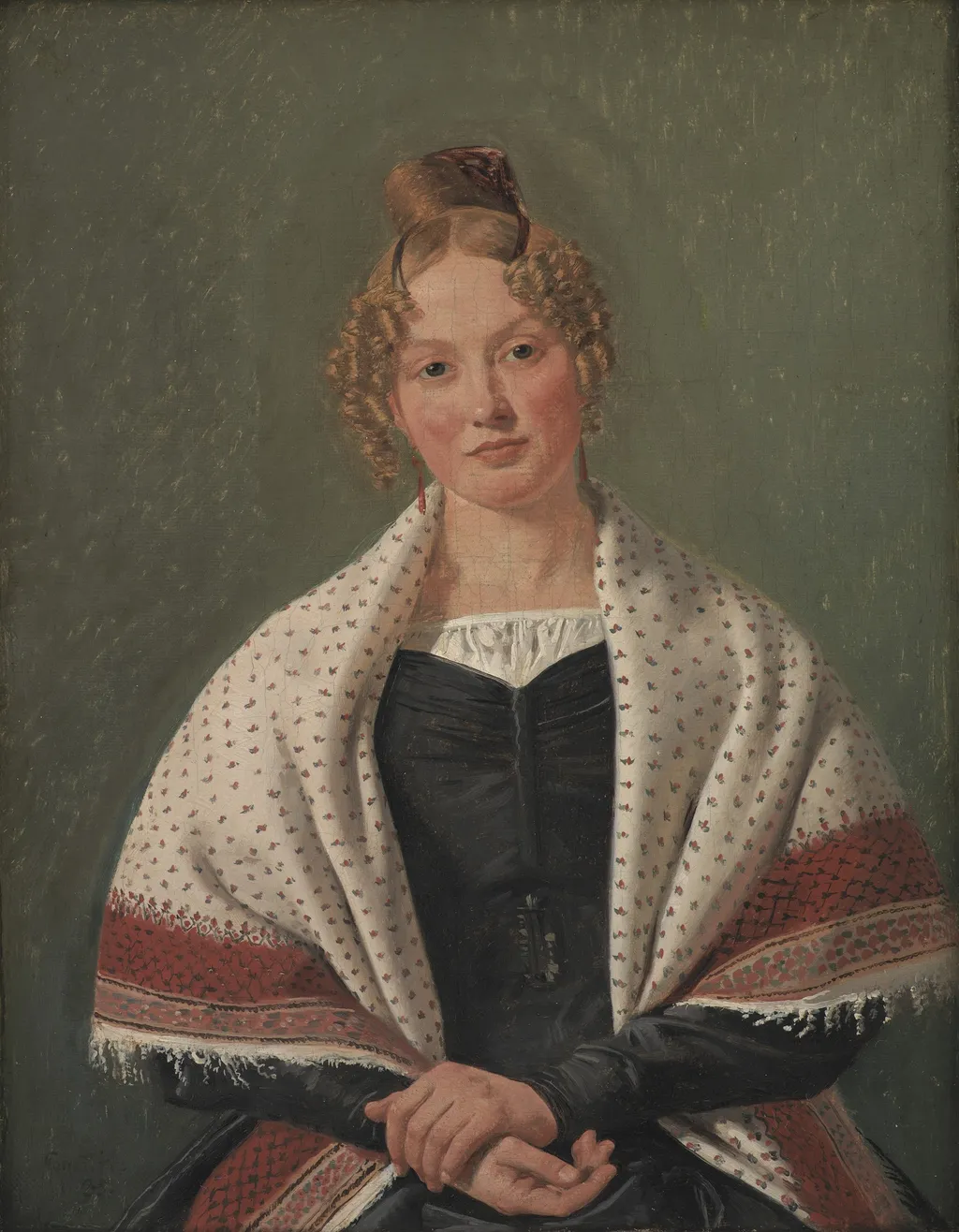
Portrait of Hanne Wanscher, née Wegener is an oil painting by Constantin Hansen. It dates from 1835 and is held in the collection of the Statens Museum for Kunst.
About this work
Overview
The work resides in Statens Museum for Kunst, reflecting the period’s emphasis on personal dignity and refined aesthetics within public collections.
Painted in 1835 by Constantin Hansen, this oil portrait captures Hanne Wanscher, born Wegener, as a member of Denmark’s educated elite during the nation’s cultural flourishing. Hansen, central to the Danish Golden Age, balanced historical and literary themes with intimate portraiture. The work resides in Statens Museum for Kunst, reflecting the period’s emphasis on personal dignity and refined aesthetics within public collections.
Subject & Meaning
Hanne Wanscher is depicted with quiet composure, her clasped hands and composed gaze suggesting restraint and inner poise. Her attire—black dress, white collar, and patterned shawl—signals modest elegance, consistent with middle- to upper-class female identity of the era. The headband and careful styling imply attention to personal presentation, not ostentation, aligning with contemporary ideals of feminine virtue and cultivated refinement.
Technique & Style
Hansen employs subtle tonal gradations to model the face and fabric, creating soft transitions between light and shadow. The shawl’s red and blue patterns are rendered with precise brushwork, contrasting against the matte black of the dress. The background remains muted, focusing attention on the sitter’s form. His handling of texture and light reveals a disciplined approach rooted in academic training, yet avoids theatricality.
History & Provenance
The portrait entered the collection of Statens Museum for Kunst in the 19th century, likely through direct acquisition or donation linked to the sitter’s family or Hansen’s circle. Its preservation reflects institutional interest in documenting Denmark’s cultural figures. No significant alterations or reworkings are recorded, and the painting has remained in stable condition since its creation.
Context
In 1835, Denmark was undergoing political and cultural transformation, with growing emphasis on national identity and domestic virtue. Portraits like this one served as visual records of emerging bourgeois ideals, where personal character and restrained beauty replaced aristocratic display. Hansen’s work bridged the gap between official commissions and private commissions, capturing the spirit of an evolving society.
Legacy
Though less known than Hansen’s large historical compositions, this portrait exemplifies his ability to convey individual presence with quiet authority. It remains a representative example of Danish Golden Age portraiture, valued for its sincerity and technical restraint. The work continues to inform studies of gender, class, and visual culture in 19th-century Scandinavia.
Own this work as a print
Artist & collection
Artist
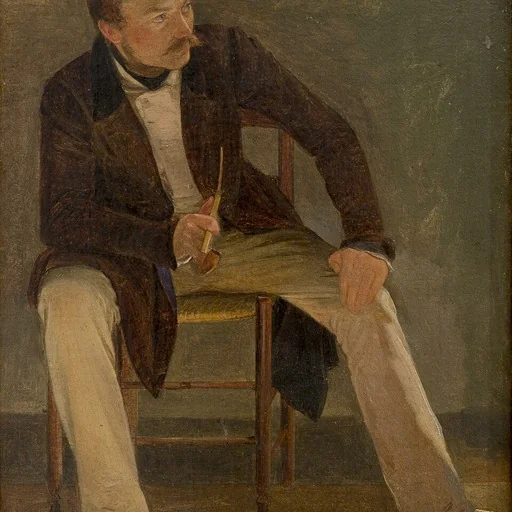
Carl Christian Constantin Hansen (Constantin Hansen) (3 November 1804 – 29 March 1880) was one of the painters associated with the Golden Age of Danish Painting.

 Sophie Stramboe
 Profile Portrait of a Lady
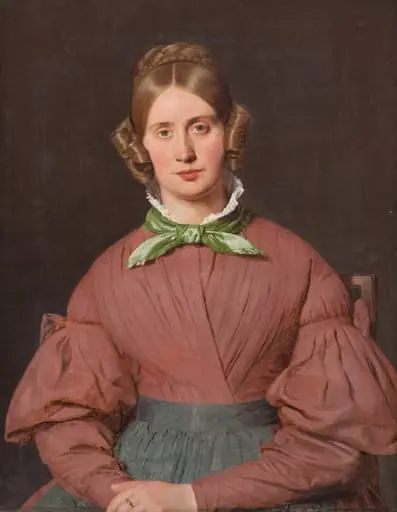 Portrait of Susanne Cecilie Købke, née Købke, the Artist´s Wife
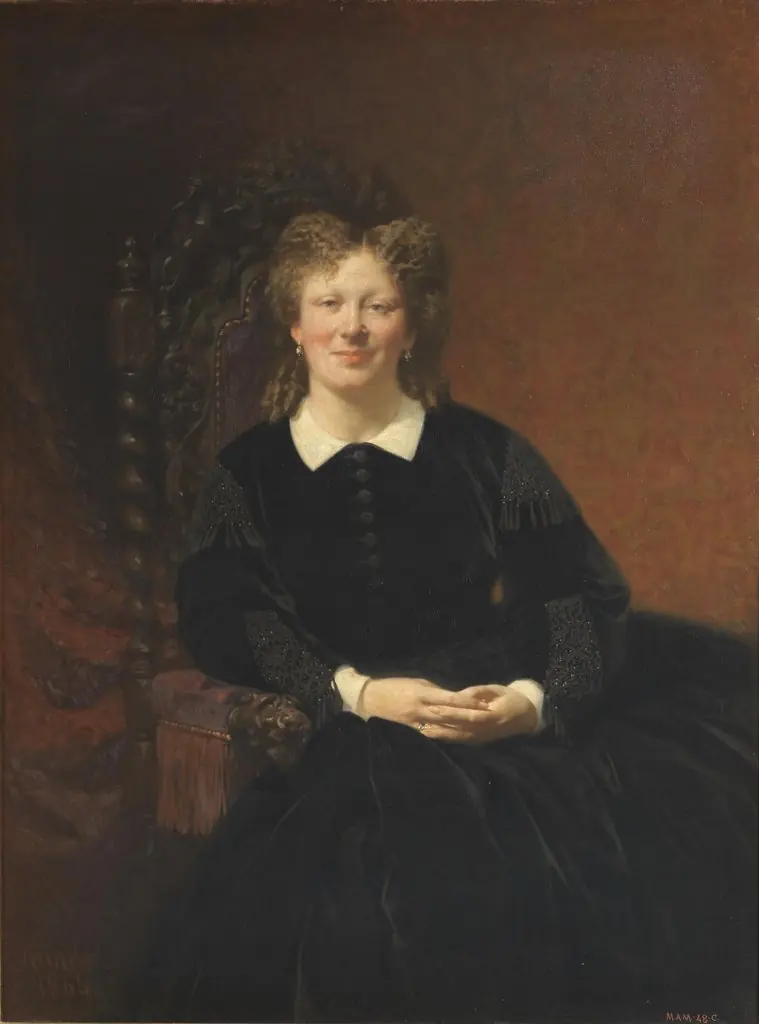 Portrait of a French Woman
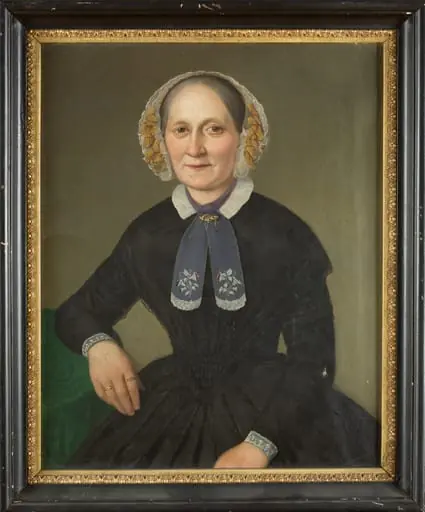 Frauenportrait
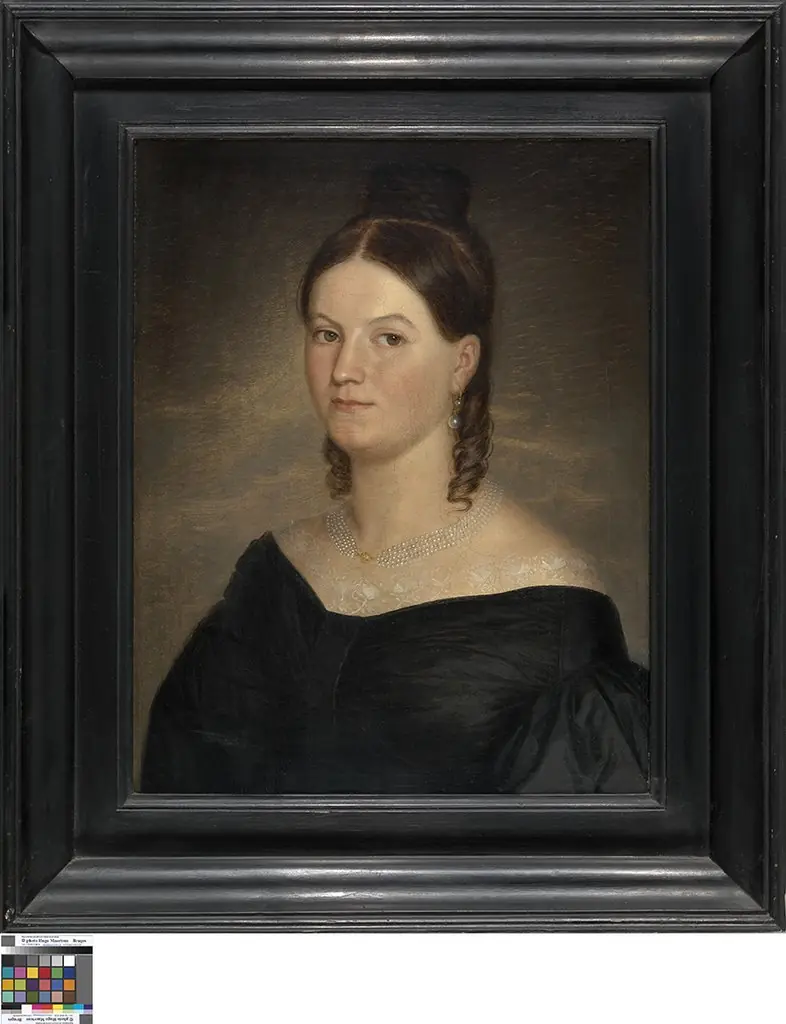 Portret van Colette Dumery
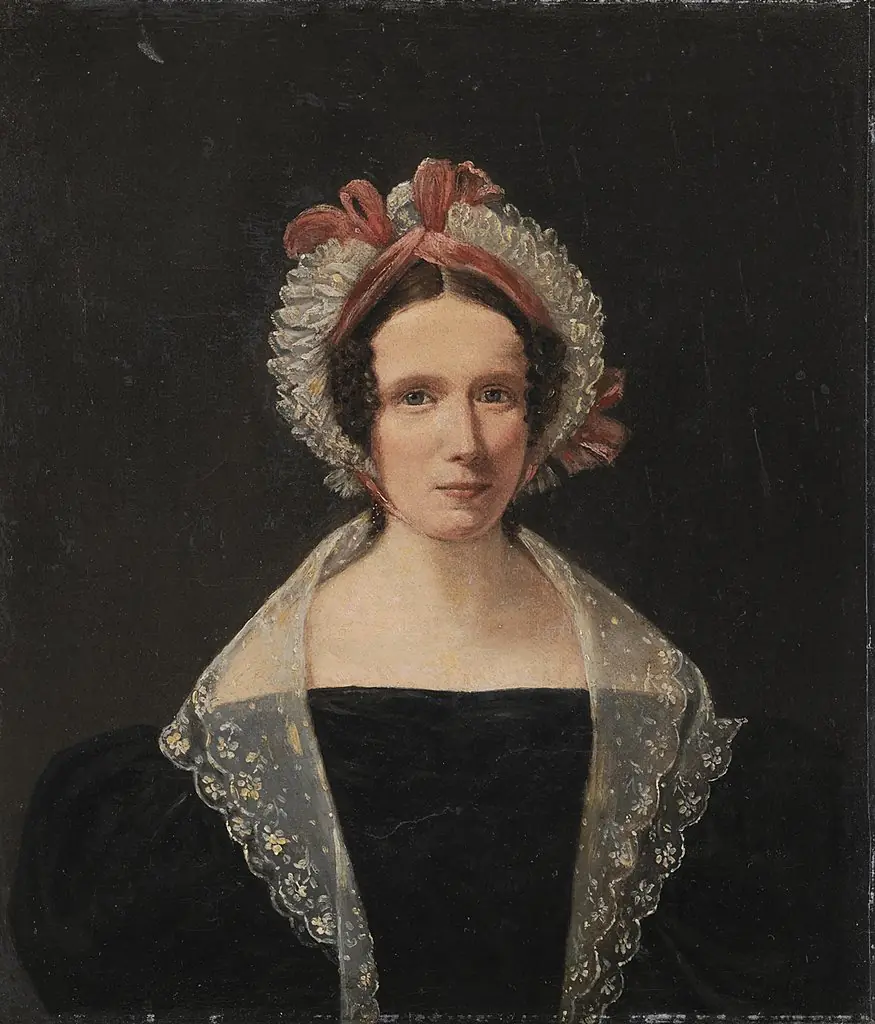 Sophie Stramboe
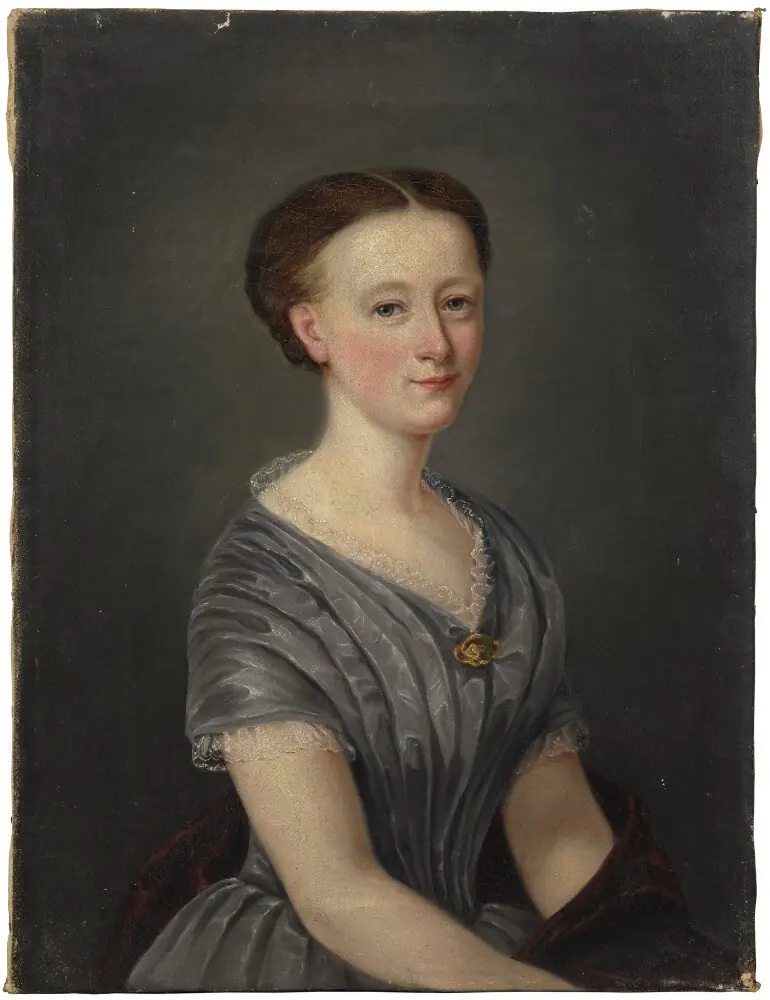 Self-portrait
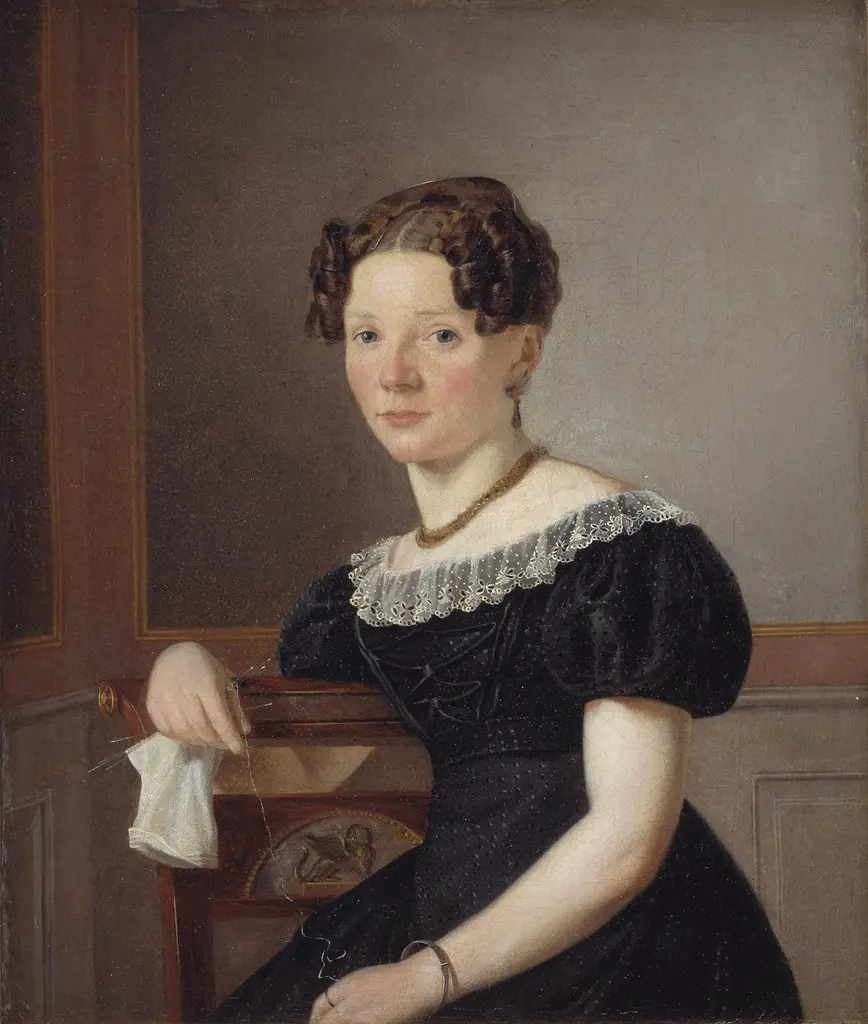 Dame med strikketøj. En af kunstnerens søstre (?)
 Portrait of the Artist´s Sister-in-Law Johanne Elisabeth Købke, née Sundbye
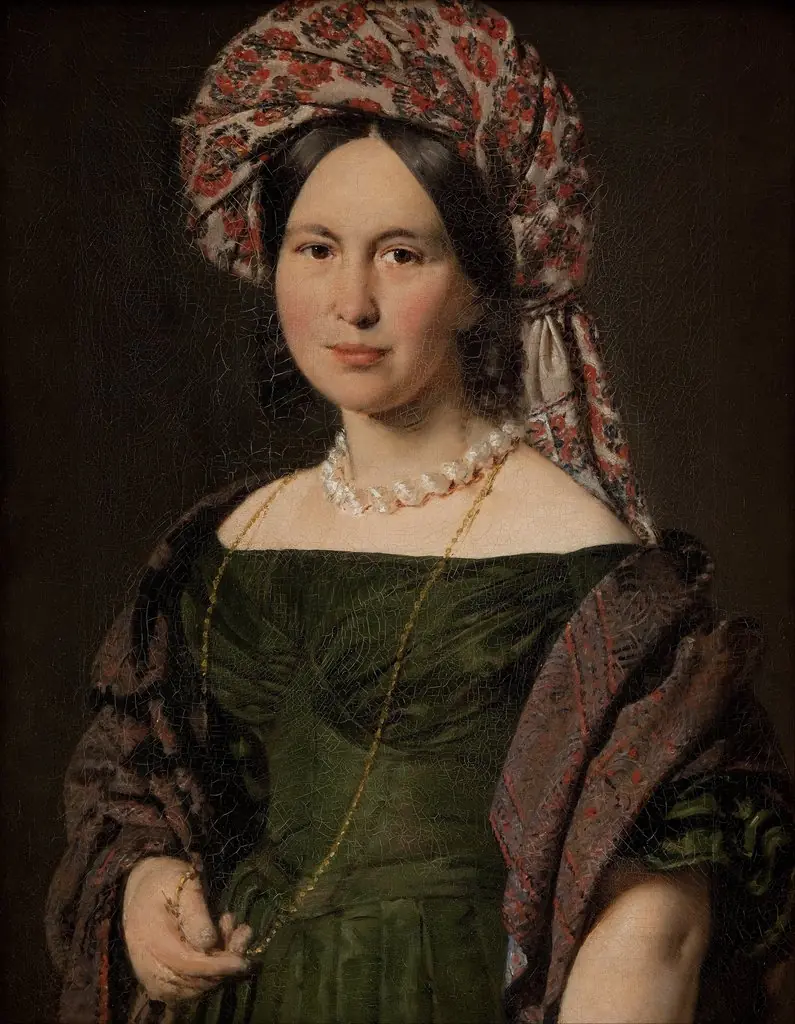 Portrait of Cathrine Jensen, née Lorenzen, the Artist's Wife Wearing a Turban
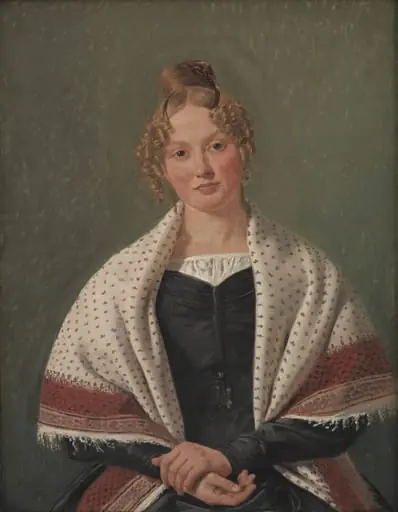 Portrait of Hanne Wanscher, née Wegener