Artwork
Portrait of Robert Stephenson (1803-1859)
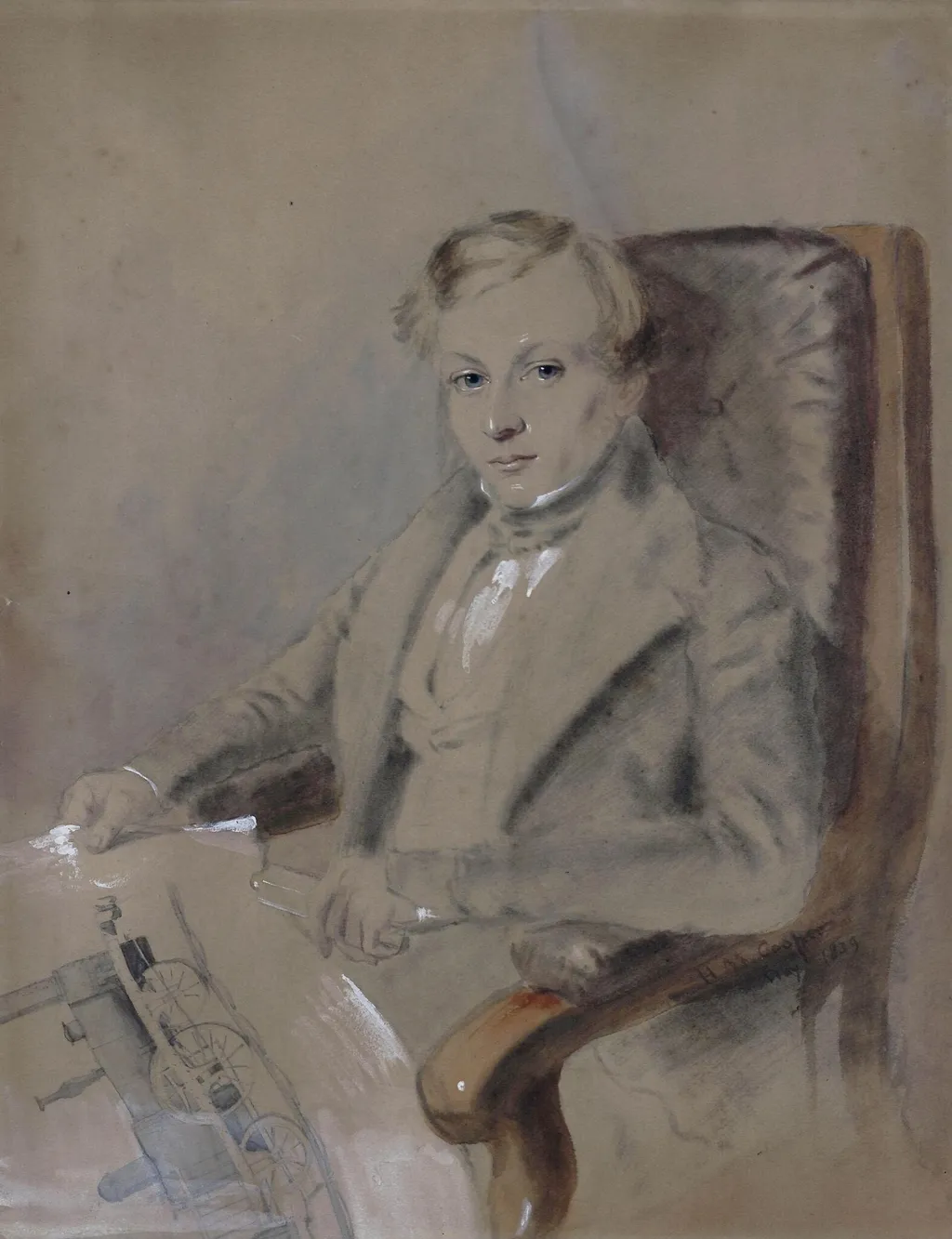
Portrait of Robert Stephenson (1803-1859) is a watercolor work on paper by the British Romanticist artist H.M. Cooper. It dates from 1839 and is held in the collection of the Victoria and Albert Museum. This watercolour portrait captures Robert Stephenson in May 1839, painted by H.
About this work
Overview
The work is rendered in loose, rapid strokes, suggesting it was executed as a preparatory study rather than a formal commission.
This watercolour portrait captures Robert Stephenson in May 1839, painted by H.M. Cooper. It presents him in a moment of quiet contemplation, seated with one arm resting on a chair, holding a hat. The work is rendered in loose, rapid strokes, suggesting it was executed as a preparatory study rather than a formal commission. An inscription at the bottom confirms the artist and date, anchoring the piece in its historical moment.
Subject & Meaning
Stephenson, a leading railway engineer, is depicted not with tools or blueprints, but with a hat—perhaps symbolizing transition or pause. The faint outline behind him may reference infrastructure projects tied to his legacy, including the Stockton to Darlington line. His role as both innovator and heir to his father’s engineering reputation is implied, not stated, through context rather than overt symbolism.
Technique & Style
Cooper employed a sketch-like watercolour technique, using minimal pigment and fluid brushwork. Facial features are defined with precise, bold strokes, contrasting with the translucent, almost erased background. Areas of the figure and setting are left deliberately incomplete, creating a sense of immediacy. The method prioritizes presence over polish, capturing a fleeting impression rather than a polished likeness.
History & Provenance
Painted in 1839, the portrait was likely made during a period of intense activity in British railway development. Its survival suggests it was retained by the artist or a close associate, though its early ownership remains undocumented. The inscription confirms its origin, but no record of its exhibition or acquisition prior to its museum entry is publicly known.
Context
In 1839, Stephenson was at the height of his influence, overseeing major railway expansions including the London and Birmingham line. His father, George Stephenson, had earlier named him chief engineer of the Stockton to Darlington Railway at age 20—a rare acknowledgment of youth in a field dominated by established figures. This portrait reflects the quiet authority of a man shaping industrial Britain.
Legacy
Though not a finished portrait, the work endures as a candid record of a pivotal figure in transport history. Its unfinished quality offers insight into the artist’s process and the informal ways engineers were sometimes memorialized. It stands as a modest but authentic artifact of early Victorian engineering culture, valued for its honesty over its finish.
Artist & collection
Artist
Cooper spent years sketching engineers in the sooty yards of Newcastle’s early railways, charcoal on the back of old timetables.

 James, Lord Ruthven
 Henry Thornely
 Portrait of Denis Florence McCarthy (1817-1882), Poet
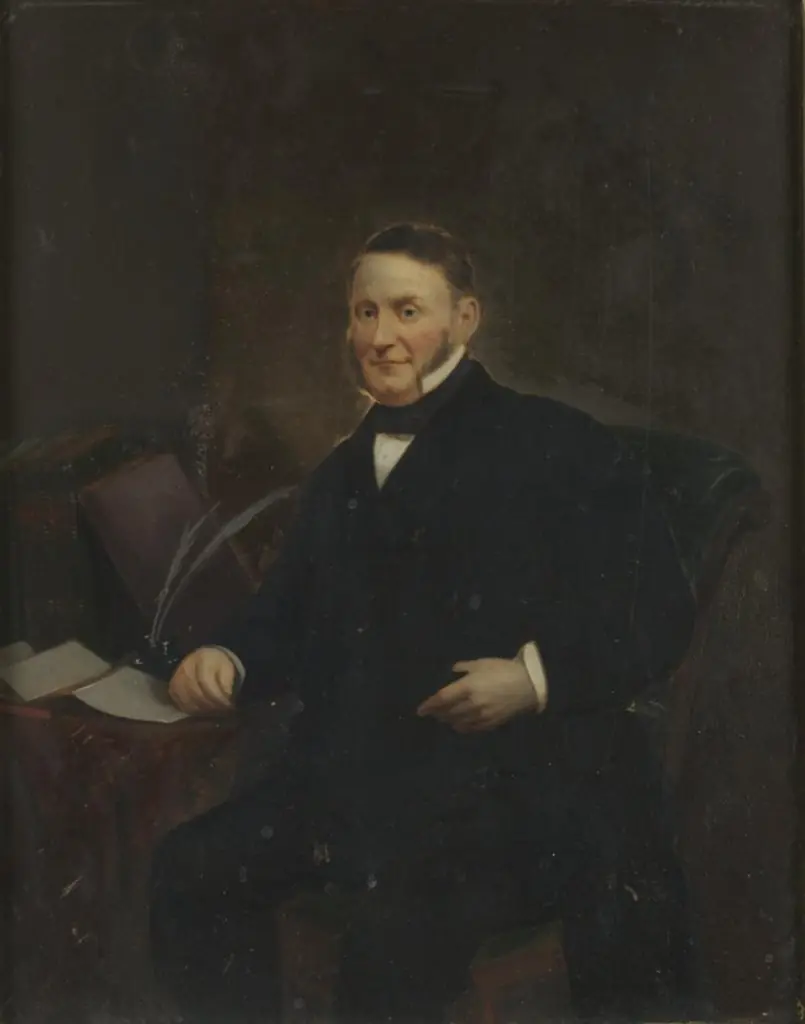 Ebenezer Cooper, Llangollen
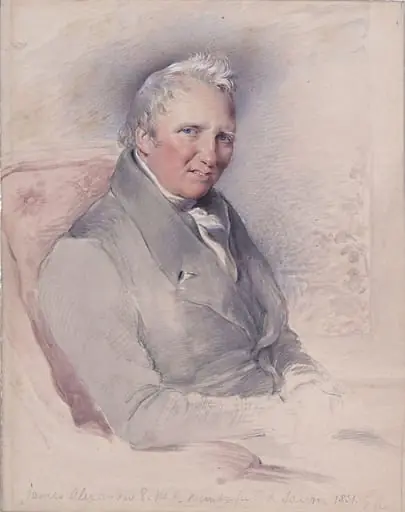 James Alexander, M.P.
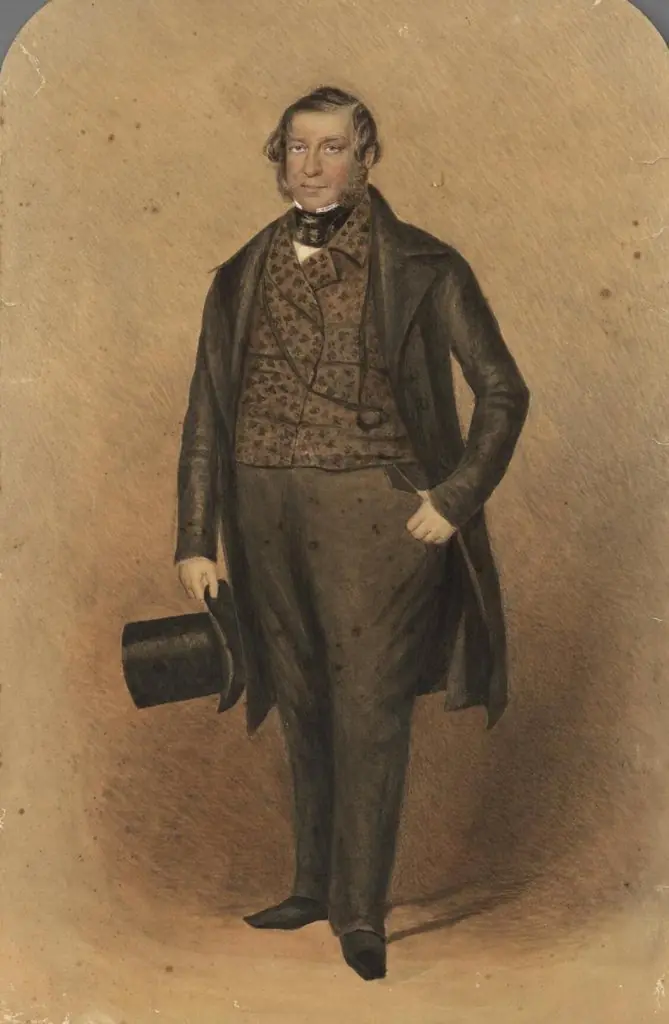 Frederick Augustus Jones
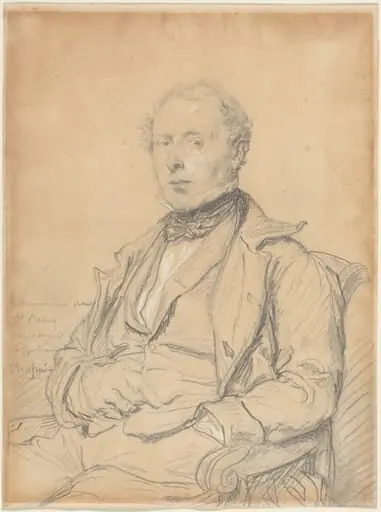 Victor-Auguste de Saint-Rémy
 Portrait of Jan Pabudziński
 Portrait of an unidentified cleric
 Constant van den Nest, Secretary of the Royal Academy of Fine Arts Antwerp
 R. Strong
 Portret van geneesheer Jacobus Lambrecht