Artwork
L'Allegro
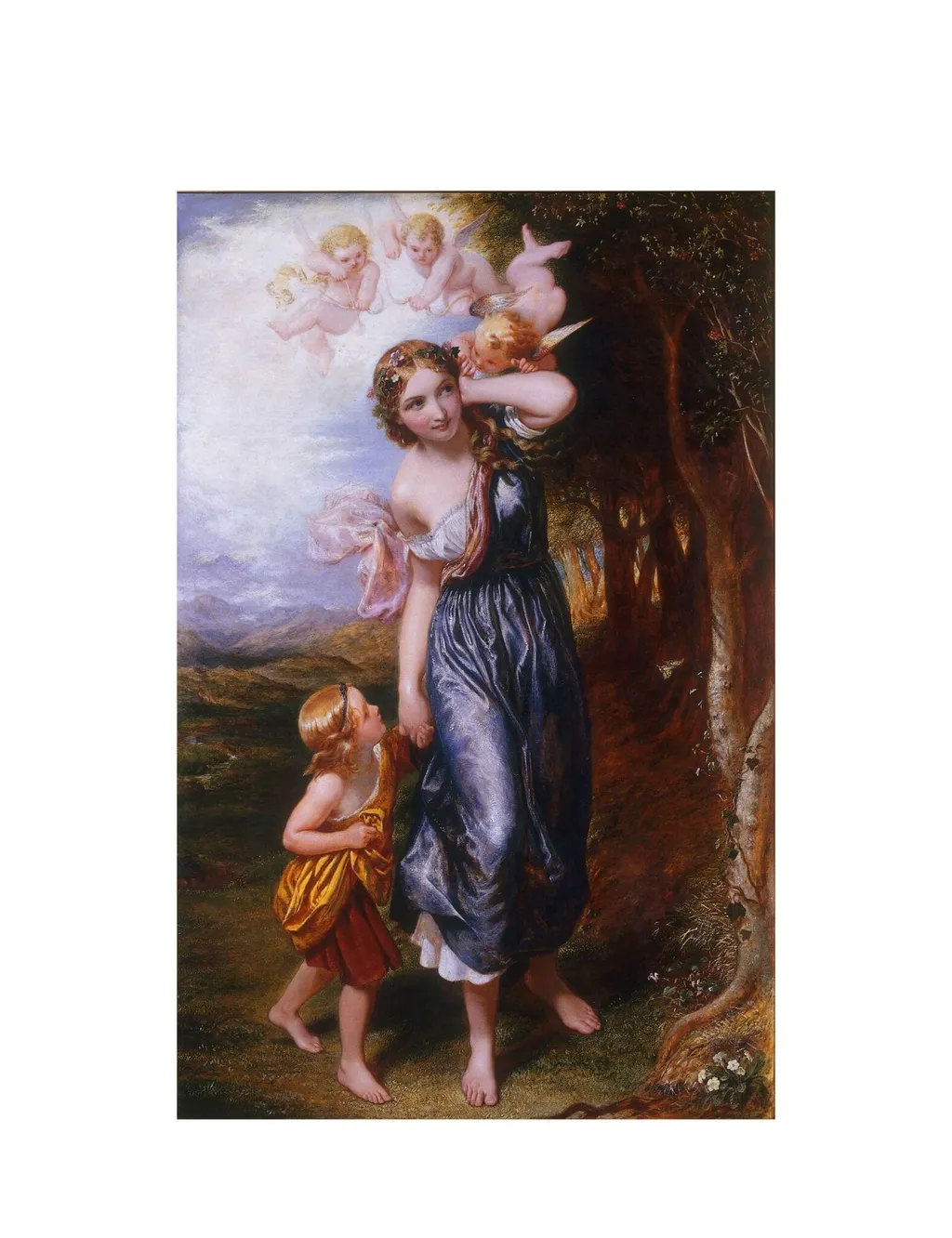
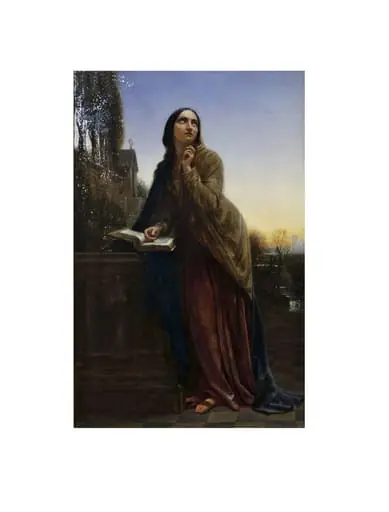
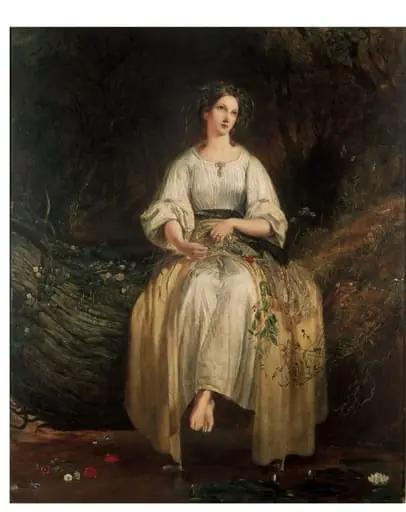
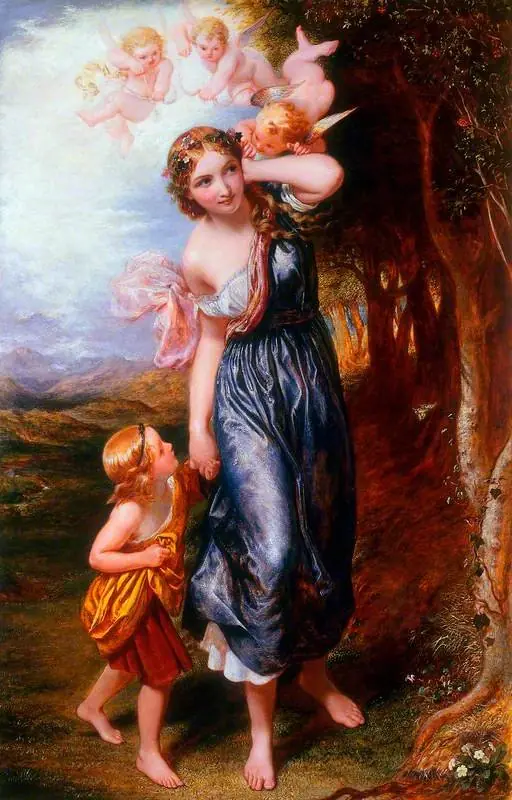
L'Allegro is an oil painting by the British Romanticist artist Charles West Cope. It dates from 1848 and is held in the collection of the Victoria and Albert Museum.
About this work
You can learn more about this style by looking at the movement: Romanticism.
This painting shows a woman closing her ear with her hand.
She's the goddess of Mirth from John Milton's poem 'L'Allegro'.
The poem inspired this artwork, which is interesting because it reflects a shift in what people wanted to see in art during the 19th century - they preferred lighter themes.
This shift led to more paintings like this one, based on literature.
You can learn more about this style by looking at the movement: Romanticism.
Overview
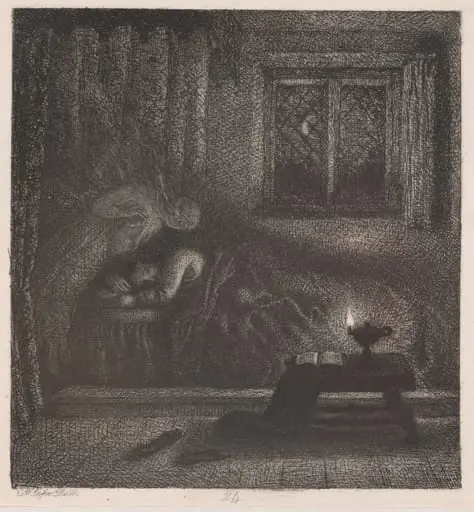
This oil painting by Charles West Cope illustrates a passage from John Milton’s 1632 poem 'L'Allegro,' depicting Euphrosyne, the goddess of mirth, shielding her ear from the influence of love. Created in the early 19th century, it reflects a broader trend in British art where literary subjects gradually supplanted traditional history paintings. The work was intended as a companion to Cope’s 'Il Penseroso,' together forming a visual dialogue between joy and contemplation.
Subject & Meaning
The painting captures Euphrosyne, a figure from classical mythology invoked by Milton to embody lightheartedness and joy. Her gesture of closing her ear symbolizes a deliberate rejection of love’s burdensome counsel, aligning with the poem’s celebration of carefree delight. The imagery serves as an allegory for emotional freedom, rooted in literary tradition rather than religious or historical narrative, reflecting a 19th-century preference for introspective, poetic themes over grand historical scenes.
Technique & Style
Cope rendered the figure with soft, atmospheric lighting and delicate brushwork, characteristic of his academic training and exposure to Italian fresco techniques. The composition emphasizes the figure’s grace and stillness against a muted background, focusing attention on her expressive gesture. While rooted in classical ideals, the treatment leans toward Romantic sensibility—emotional, intimate, and drawn from literary sources rather than mythological grandeur.
History & Provenance
Charles West Cope exhibited this work during a period when his literary-themed paintings gained favor among collectors. The painting entered the museum’s collection through John Sheepshanks, a patron who donated nine of Cope’s works. Cope’s long association with the Royal Academy and later role as an examiner at South Kensington Schools underscore his institutional influence, though his works were rarely monumental, favoring instead quiet, narrative-driven scenes.
Context
In the early 19th century, British audiences increasingly favored art that evoked personal emotion and literary association over state-sponsored historical narratives. Cope’s work emerged within this shift, alongside other artists turning to poetry and literature for subject matter. This movement aligned with Romanticism’s broader emphasis on individual feeling and imagination, even as it retained formal discipline inherited from academic traditions.
Legacy
Cope’s 'L'Allegro' exemplifies a transitional phase in British art, where literary illustration became a legitimate and respected genre. Though less celebrated today than his contemporaries, his consistent engagement with poetry helped sustain interest in narrative painting beyond traditional historical cycles. His role in art education further ensured the transmission of these values to the next generation of artists.
Artist & collection
Artist
English painter Charles West Cope made quiet, tender scenes of family life and scenes from John Milton’s poems in the 1840s.