Artwork
H Beard Print Collection
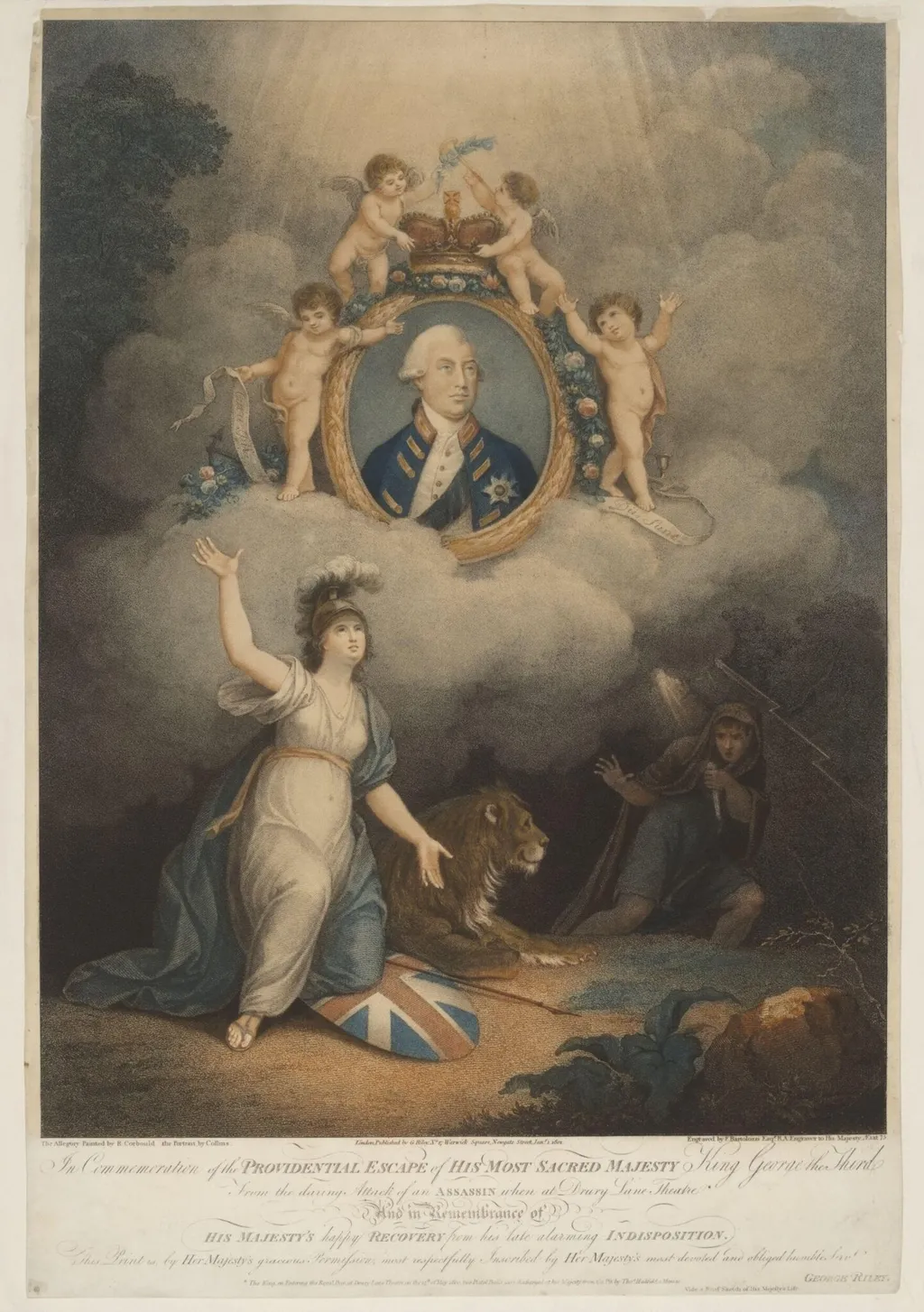
H Beard Print Collection is a print by the Romanticist artist Richard Corbould. It dates from 1 and is held in the collection of the Victoria and Albert Museum.
About this work
Overview
This print was produced to mark the survival of King George III following a serious illness in 1788–89, widely perceived at the time as a divine intervention.
This print was produced to mark the survival of King George III following a serious illness in 1788–89, widely perceived at the time as a divine intervention. It presents a formal portrait of the monarch surrounded by symbolic elements that emphasize his restored health and the nation’s relief. The work belongs to a broader tradition of celebratory prints issued during moments of royal crisis or triumph.
Subject & Meaning
The central image is a dignified portrait of King George III, framed by allegorical figures and inscriptions that invoke providence and national gratitude. The title explicitly frames his recovery as a miraculous deliverance, reflecting contemporary religious and political sentiment. The print served not only as commemoration but also as a tool to reinforce loyalty and the perceived divine legitimacy of the monarchy.
Technique & Style
Executed as a coloured print, the work employs engraving with hand-colouring to achieve a vivid, accessible image suitable for public distribution. The composition is formal and hierarchical, with the king placed centrally under idealized lighting. Details in clothing and background are rendered with precision, aligning with the conventions of late 18th-century British portraiture in print form.
History & Provenance
Created shortly after the king’s recovery in 1789, the print was widely circulated by publishers seeking to capitalize on public sentiment. It was part of a surge of commemorative material produced during the crisis. The H Beard Print Collection holds one of many surviving copies, indicating its broad dissemination across social classes in Britain during the late 1780s.
Context
The print emerged during a period of political instability and public anxiety over the king’s mental health, which had raised fears of regency and constitutional upheaval. Its emphasis on divine intervention reflects a cultural tendency to interpret political events through religious frameworks. Similar prints were made for other royal milestones, reinforcing the monarchy’s symbolic role in national identity.
Legacy
Though now primarily of historical interest, the print remains a tangible artifact of how public emotion and political messaging were mediated through visual culture in the 18th century. It illustrates the intersection of monarchy, religion, and print media, offering insight into the mechanisms of royal legitimacy during a time of emerging democratic discourse.
Artist & collection
Artist
Richard Corbould (18 April 1757 – 17 July 1831) was an English artist. He was a painter, in oil and watercolour, of portraits, landscape, and occasionally history; of porcelain, and miniatures on ivory, and enamels; and…

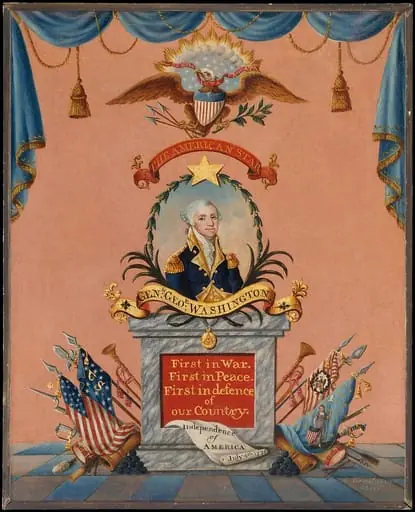 The American Star (George Washington)
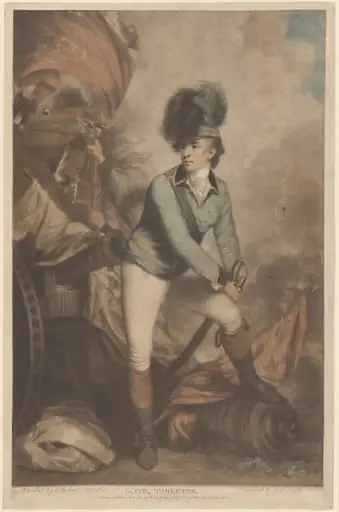 Lt. Colonel Tarleton
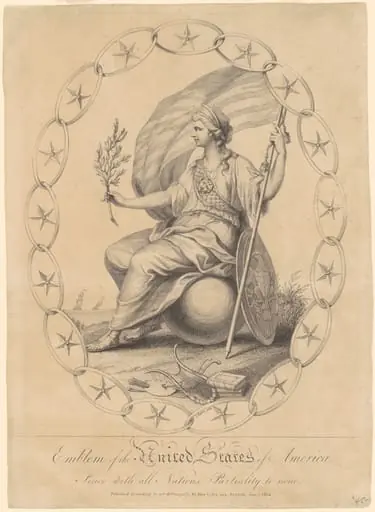 Emblem of the United States of America
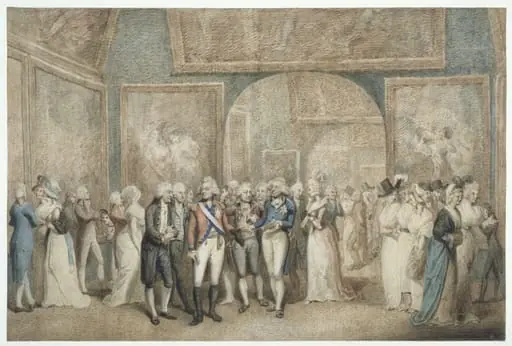 View of the interior of the Shakespeare Gallery
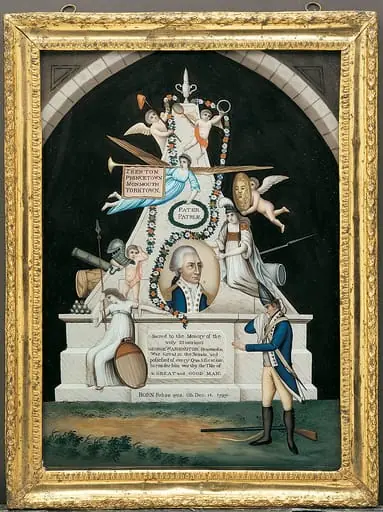 Pater Patriae
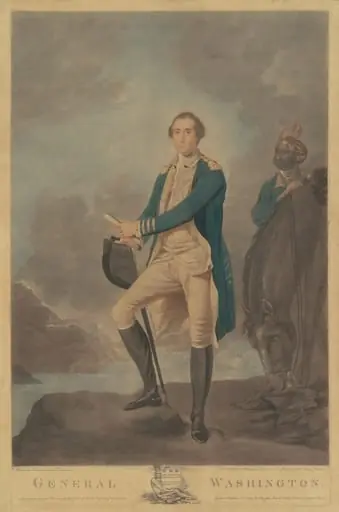 General Washington
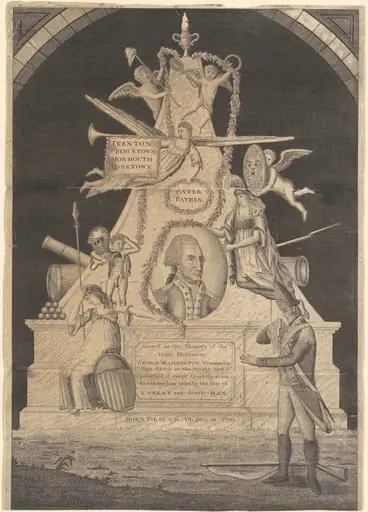 Memorial for George Washington
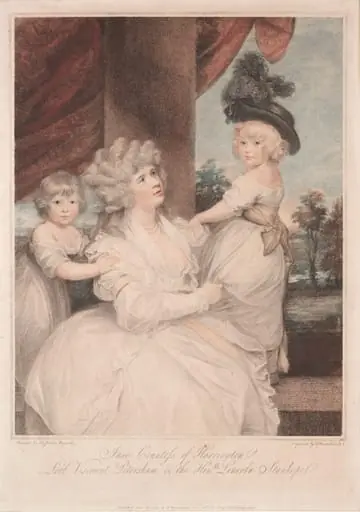 Jane, Countess of Harrington and Her Children
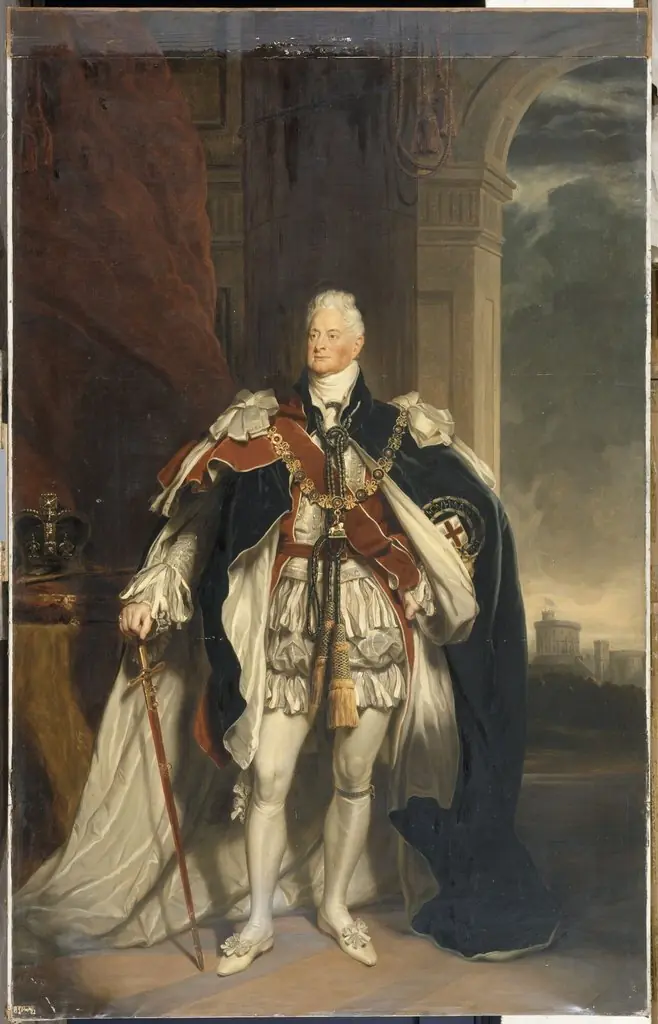 William IV, King of England (1765–1837)
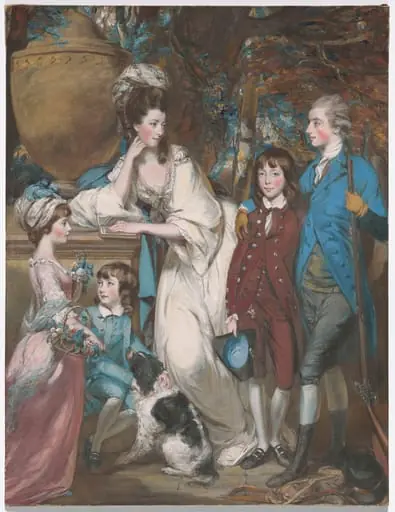 The Yorke Family
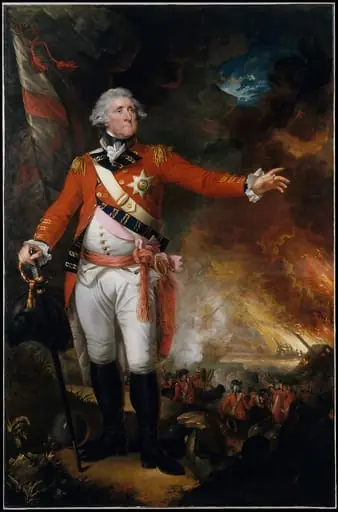 General George Eliott
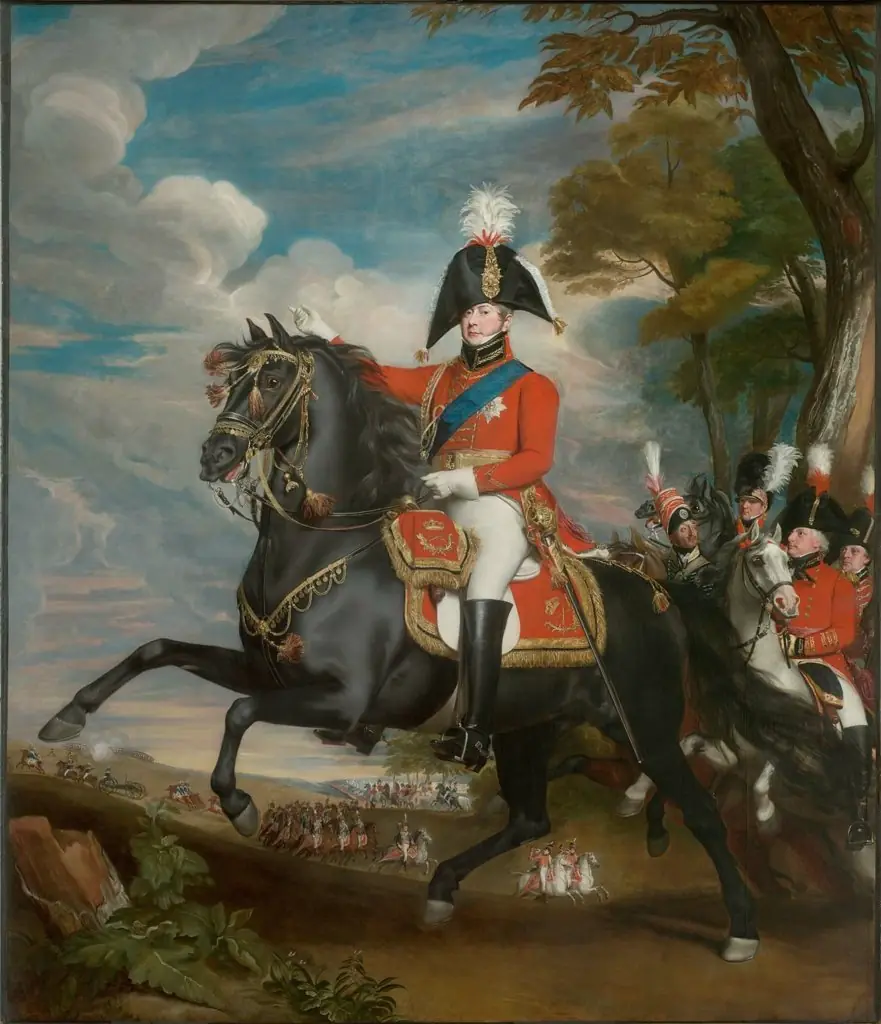 Portrait of H. R. H. the Prince of Wales at a Review, Attended by Lord Heathfield, General Turner, Col. Bloomfield, and Baron Eben; Col. Quinton in the Distance