Artwork
H Beard Print Collection
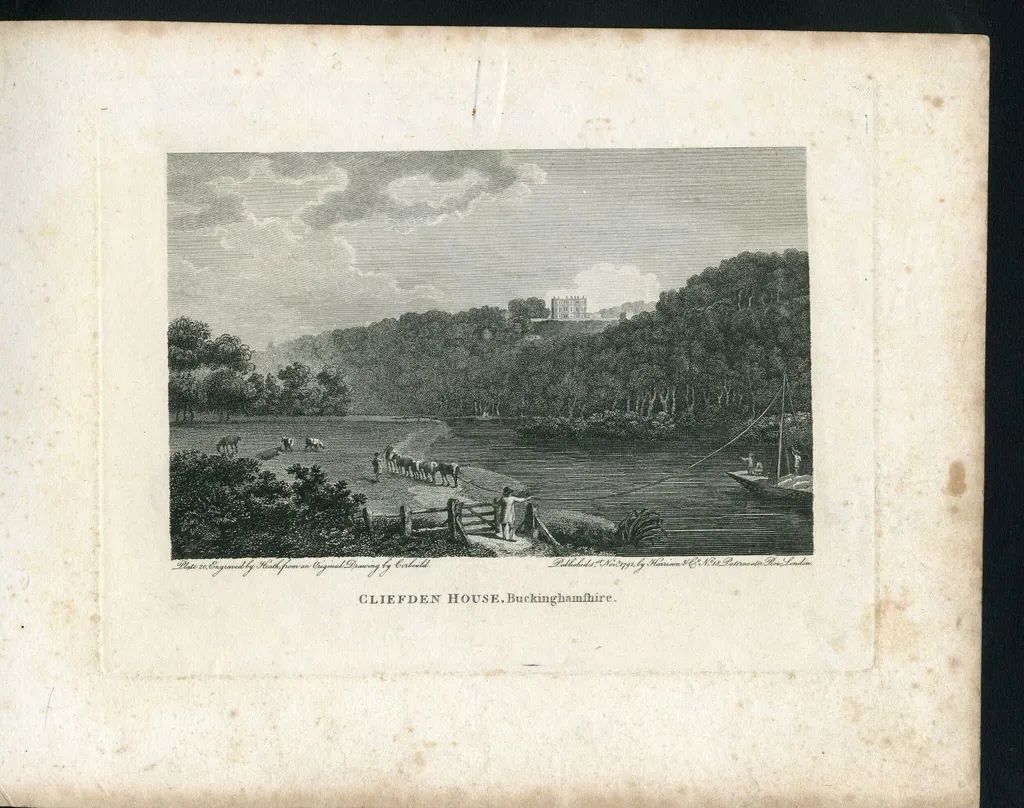
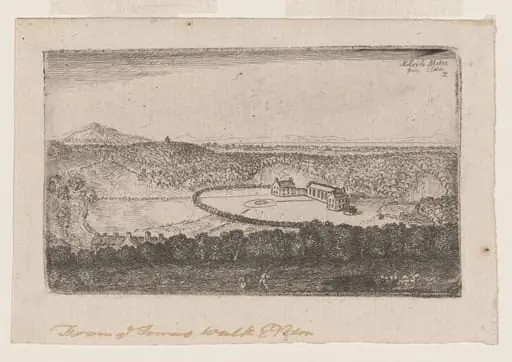
H Beard Print Collection is a print by the Romanticist artist Richard Corbould. It dates from 1 and is held in the collection of the Victoria and Albert Museum. This 1792 print depicts the landscape surrounding Cliveden House in Buckinghamshire, rendered in a quiet, contemplative style.
About this work
This print shows the grounds around Cliveden House in Buckinghamshire. It’s a quiet landscape from 1792, made by Richard Corbould. The scene sits in the Romantic style, which liked peaceful country views.
The print was published by Harrison & Co. that same year. It’s now held at the Victoria and Albert Museum in London.
Look up the Romanticism movement next.
Overview
This 1792 print depicts the landscape surrounding Cliveden House in Buckinghamshire, rendered in a quiet, contemplative style. Created by Richard Corbould and published by Harrison & Co., it belongs to a series of topographical prints that captured English country estates during the late 18th century. The work is held in the print collection of the Victoria and Albert Museum in London.
Subject & Meaning
The scene presents Cliveden House nestled within its manicured grounds, framed by trees and open lawns. There is no human activity visible, emphasizing solitude and natural harmony. The composition reflects Romantic ideals that valued serene, unspoiled landscapes as spaces for reflection, contrasting with the industrial and urban changes of the era.
Technique & Style
Executed as a fine-line engraving, the print uses delicate hatching and subtle tonal gradations to suggest depth and texture. The composition follows the conventions of Romantic topography: balanced, orderly, and atmospheric. Soft lighting and receding planes evoke a sense of calm, aligning with contemporary aesthetic preferences for tranquil rural vistas.
History & Provenance
Produced in 1792 by Harrison & Co., a known publisher of topographical prints, the work was part of a broader effort to document aristocratic estates. Richard Corbould, an artist associated with the Royal Academy, contributed several such views. The print entered the Victoria and Albert Museum’s collection through its established print archives, likely acquired in the 19th century.
Context
During the 1790s, interest in picturesque landscapes surged among the British middle and upper classes. Prints like this one served both as decorative objects and as symbols of cultural refinement. They responded to a growing appreciation for nature as an emotional and moral force, distinct from the formal gardens of earlier centuries.
Legacy
This print remains a representative example of late 18th-century British topographical art. While not widely exhibited, it contributes to scholarly understanding of how landscape imagery reflected societal values during the rise of Romanticism. Its preservation in the V&A underscores its role in documenting the visual culture of rural England.
Artist & collection
Artist
Richard Corbould (18 April 1757 – 17 July 1831) was an English artist. He was a painter, in oil and watercolour, of portraits, landscape, and occasionally history; of porcelain, and miniatures on ivory, and enamels; and…

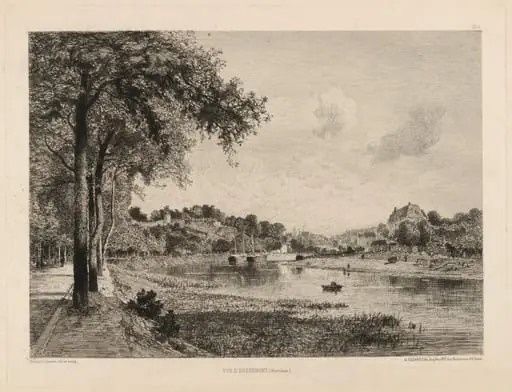 Vue d’Hennebont (Morbihan)
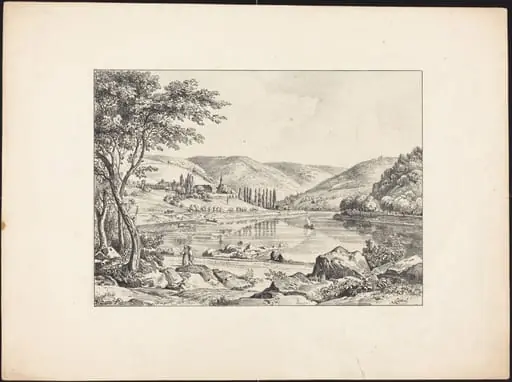 The Convent of Neuburg from Haarlass
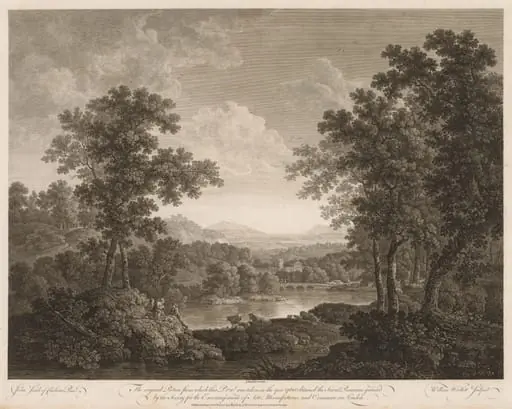 Landscape
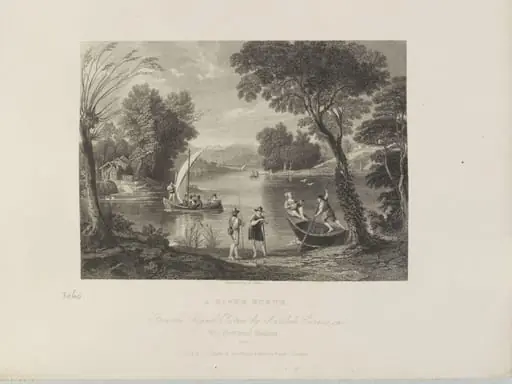 Untitled
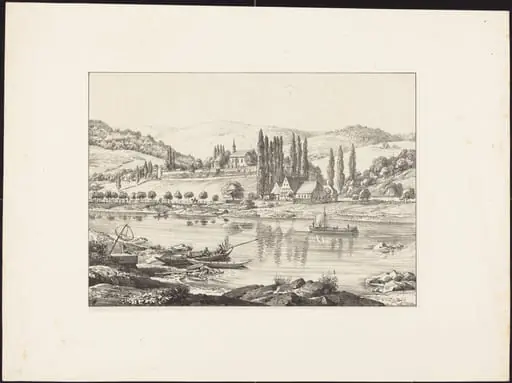 The Convent of Neuberg from Schlierbach
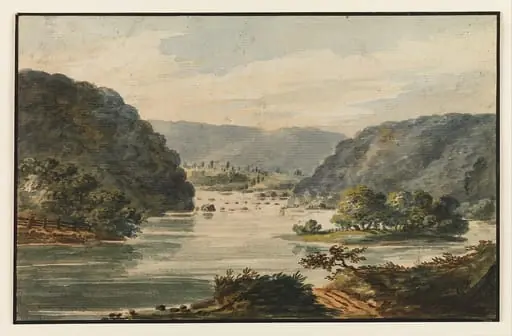 A View of the Potomac at Harpers Ferry
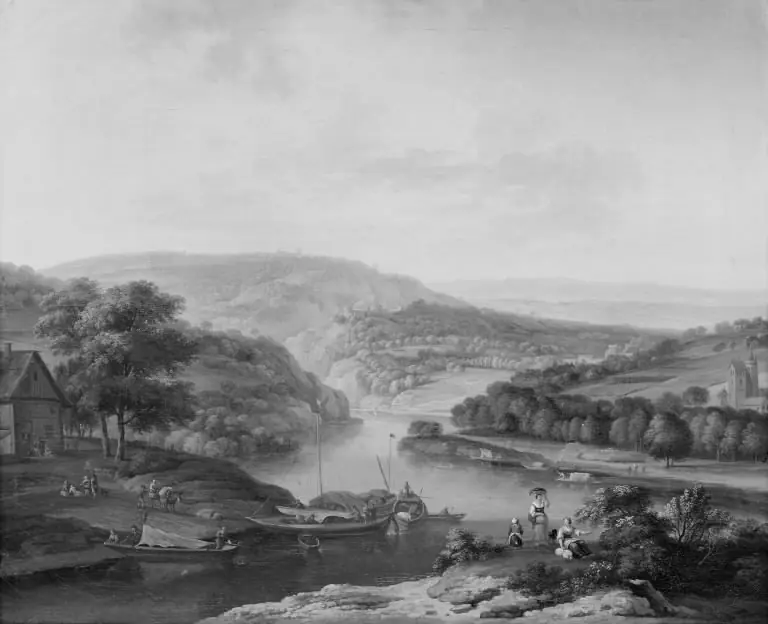 Landscape by the Rhine
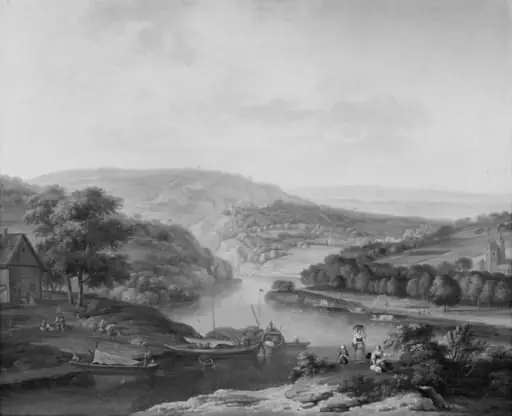 Landscape by the Rhine
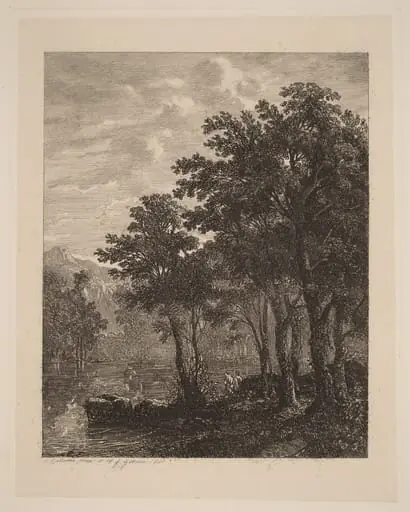 Trees by a River
 Melville Milne
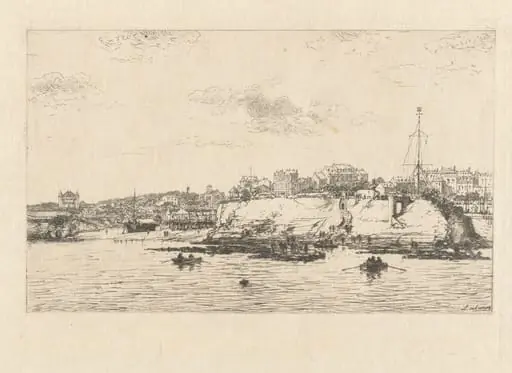 Port de la Plataine à Royan
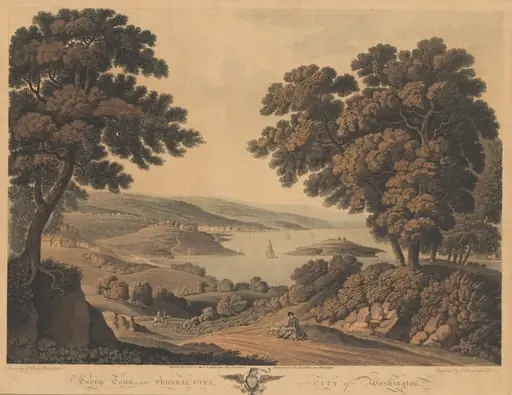 Georgetown and Federal City or City of Washington