Artwork
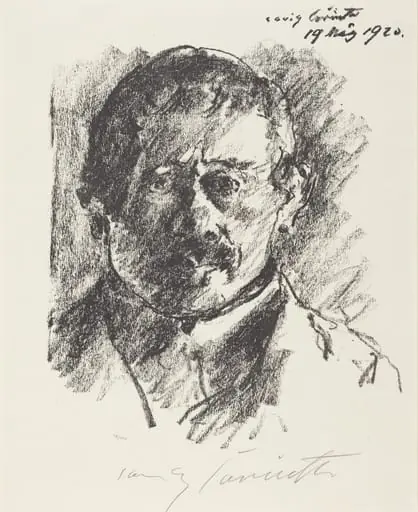
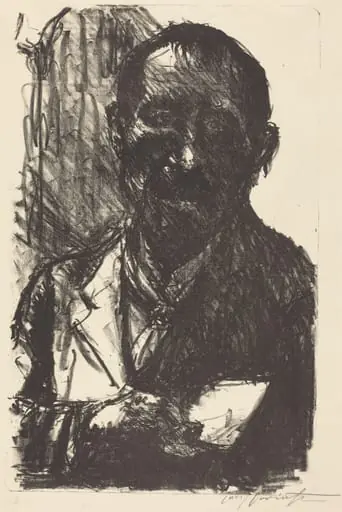
Selbstbildnis (Self-Portrait)
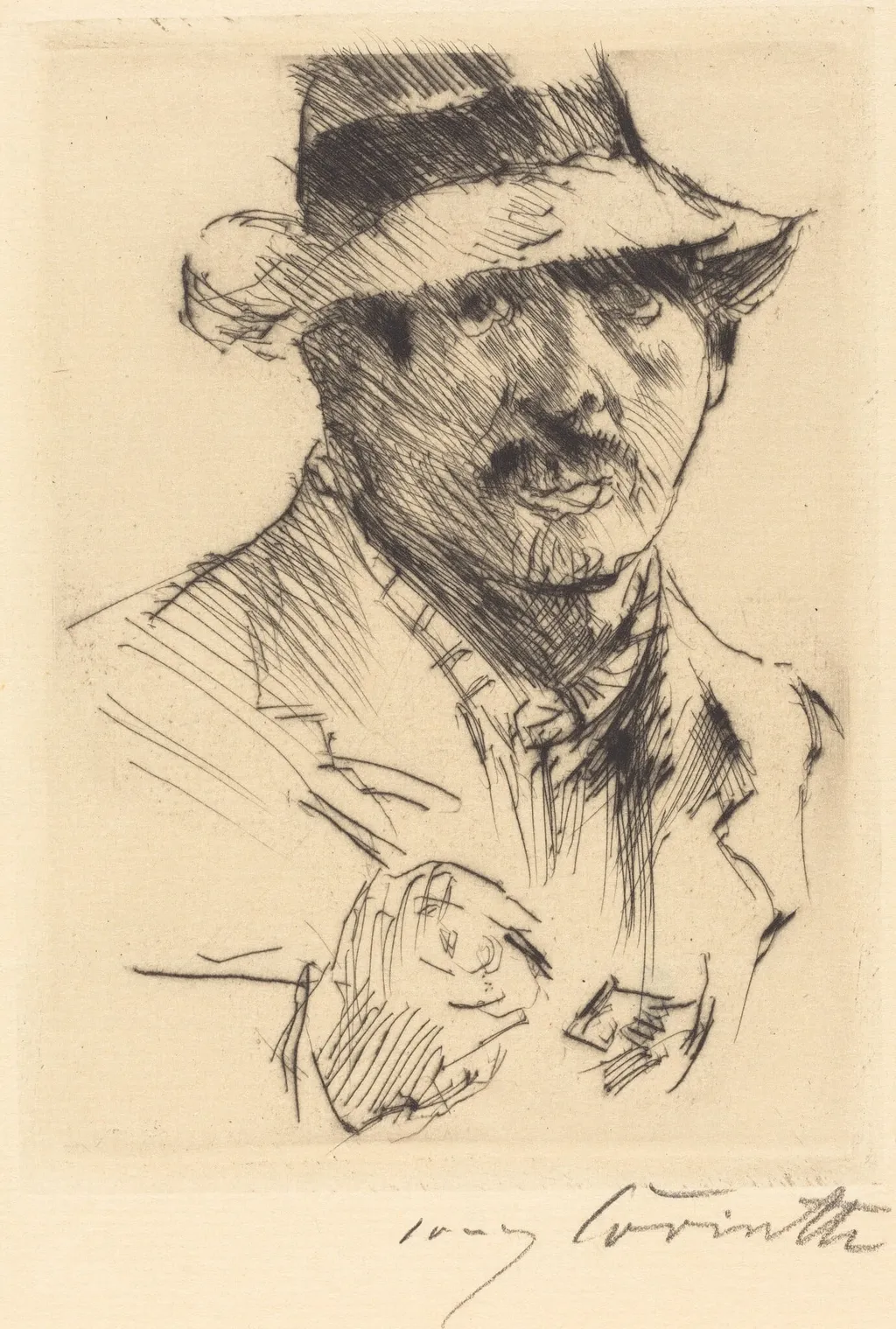
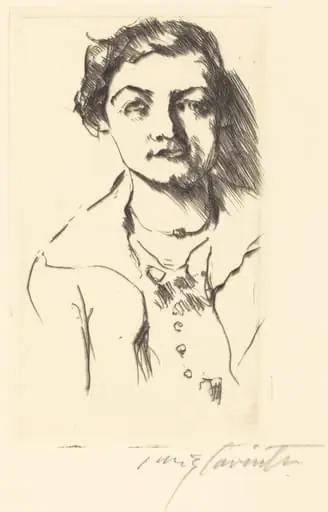
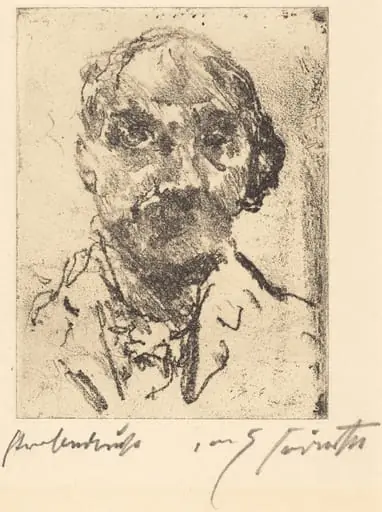
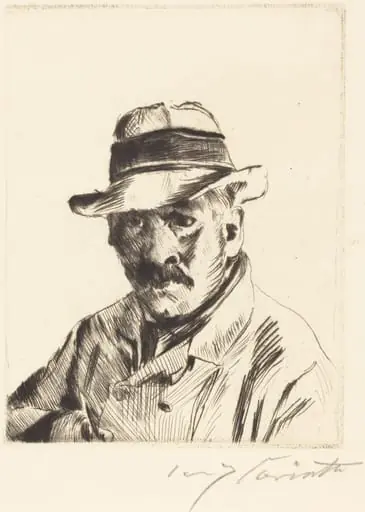
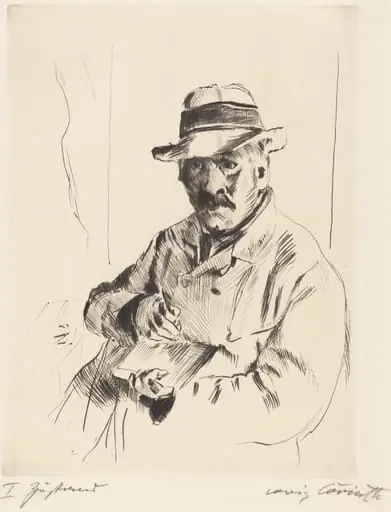
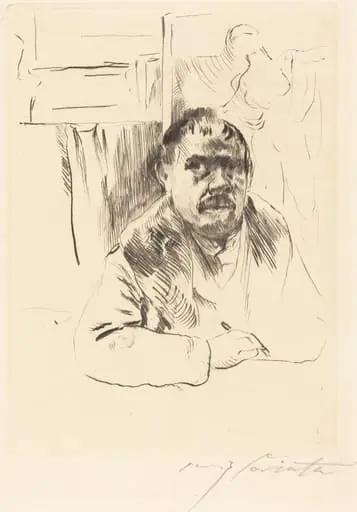
Selbstbildnis (Self-Portrait) is an ink print by Lovis Corinth. It dates from 1920 and is held in the collection of the National Gallery of Art.
About this work
Overview
Selbstbildnis (Self-Portrait) is a 1920 drypoint print by Lovis Corinth, created on laid paper in black ink. This work exemplifies the artist's transitional style, blending elements of impressionism and expressionism.
Subject & Meaning
The print is a self-representation of the artist, depicting a side view of a man's face and shoulders, with distinctive attire and a contemplative pose, reflecting Corinth's personal and artistic identity during a period of stylistic shift.
Technique & Style
Characterized by quick, scratchy lines and a textured appearance, the drypoint technique used here produces a rough, sketchy effect. This method, involving scratching ink into a metal plate, suits the expressive, looser brushwork typical of Corinth's post-1911 stroke period.
History & Provenance
Created in 1920, following a stroke in 1911 that influenced his technique towards more expressive and vibrant works, Selbstbildnis marks a point in Corinth's career when he was leading the Berlin Secession, having previously studied in Paris and Munich.
Context
As a key figure bridging impressionism and expressionism in early 20th-century German art, Corinth's Selbstbildnis reflects the broader artistic movement towards more subjective and emotionally charged representations.
Artist & collection

Artist
Lovis Corinth was a German artist and writer whose mature work as a painter and printmaker realized a synthesis of impressionism and expressionism.