Artwork
A Man
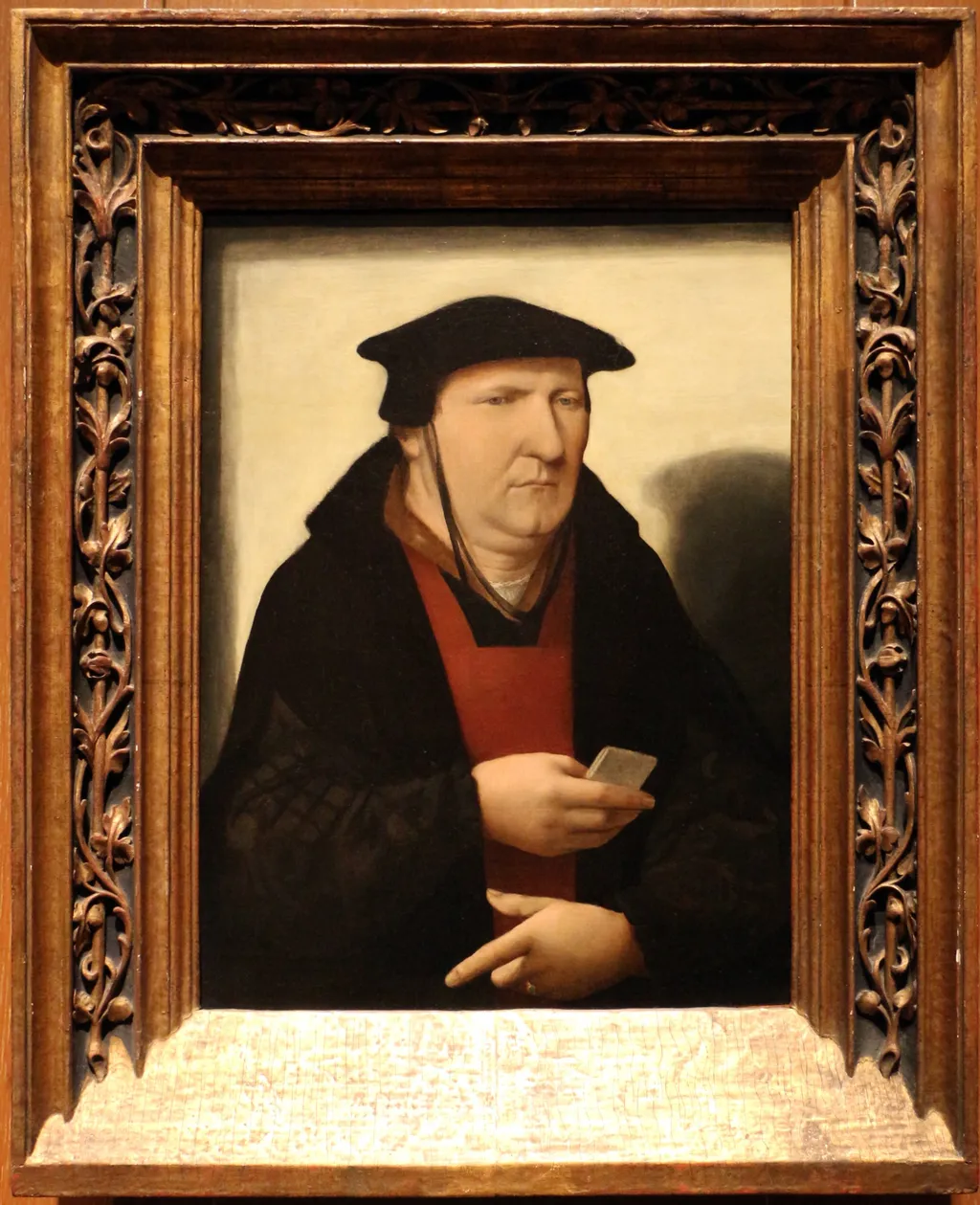
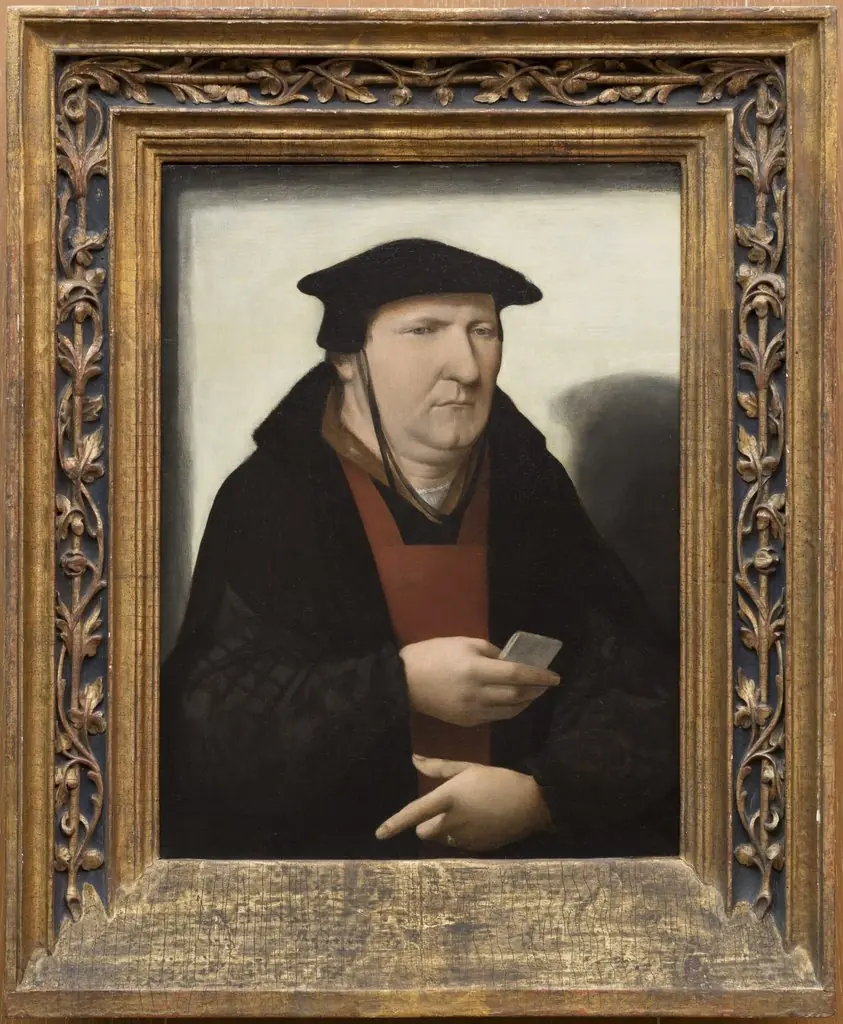
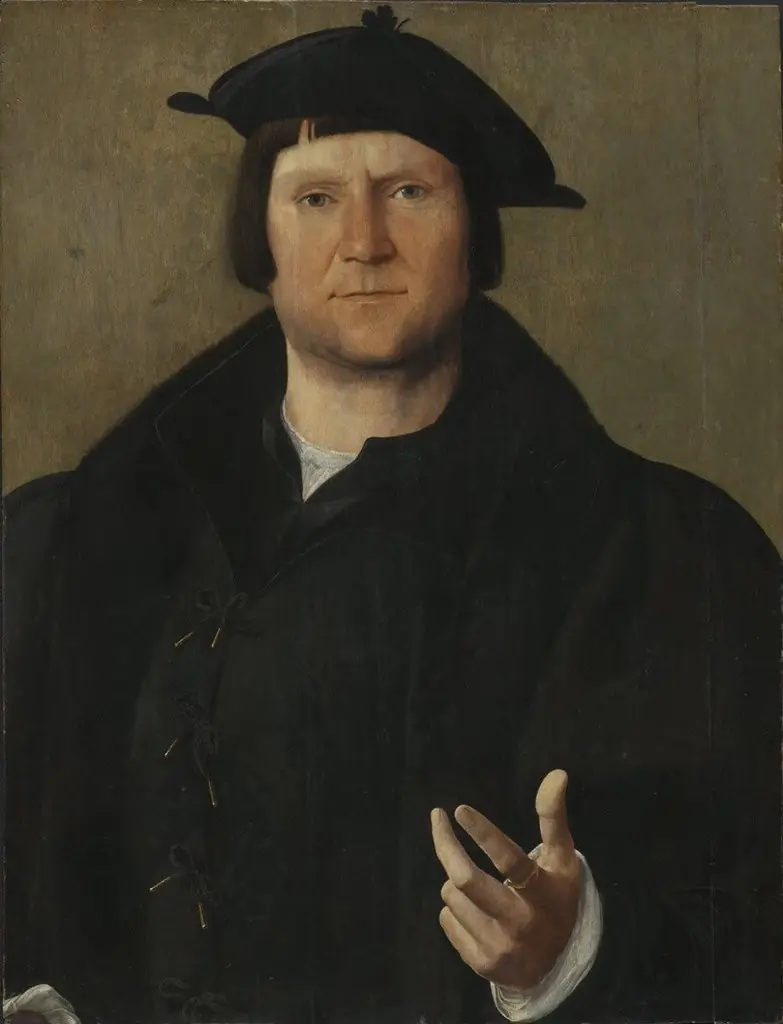
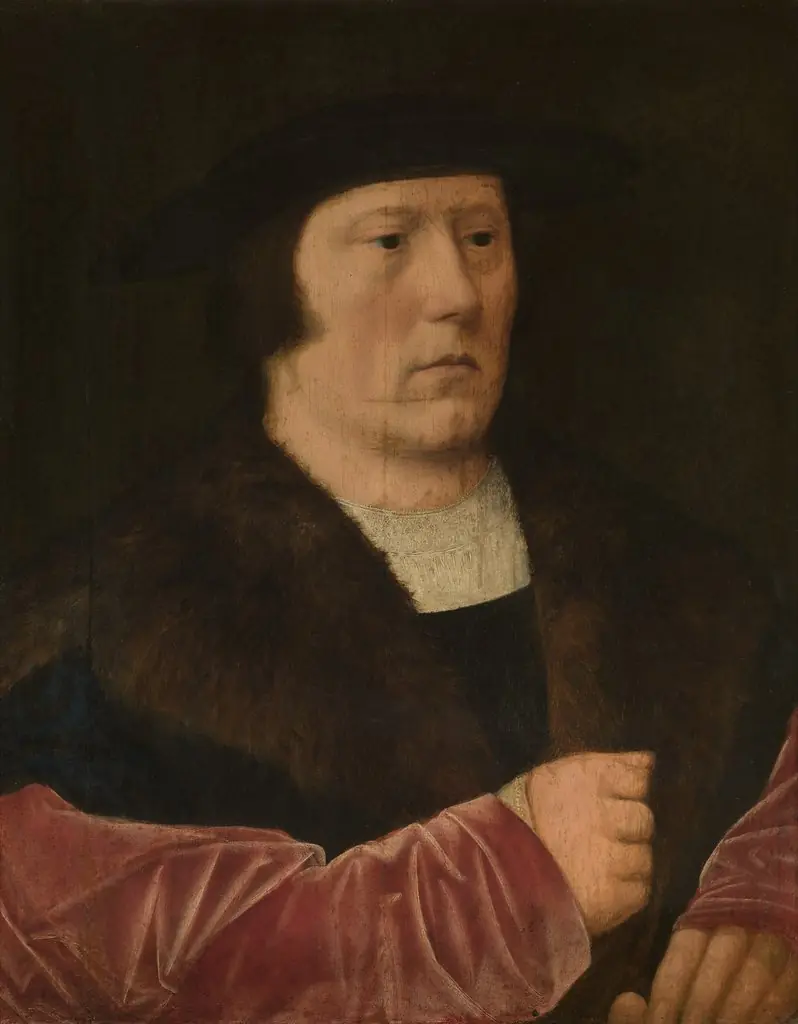
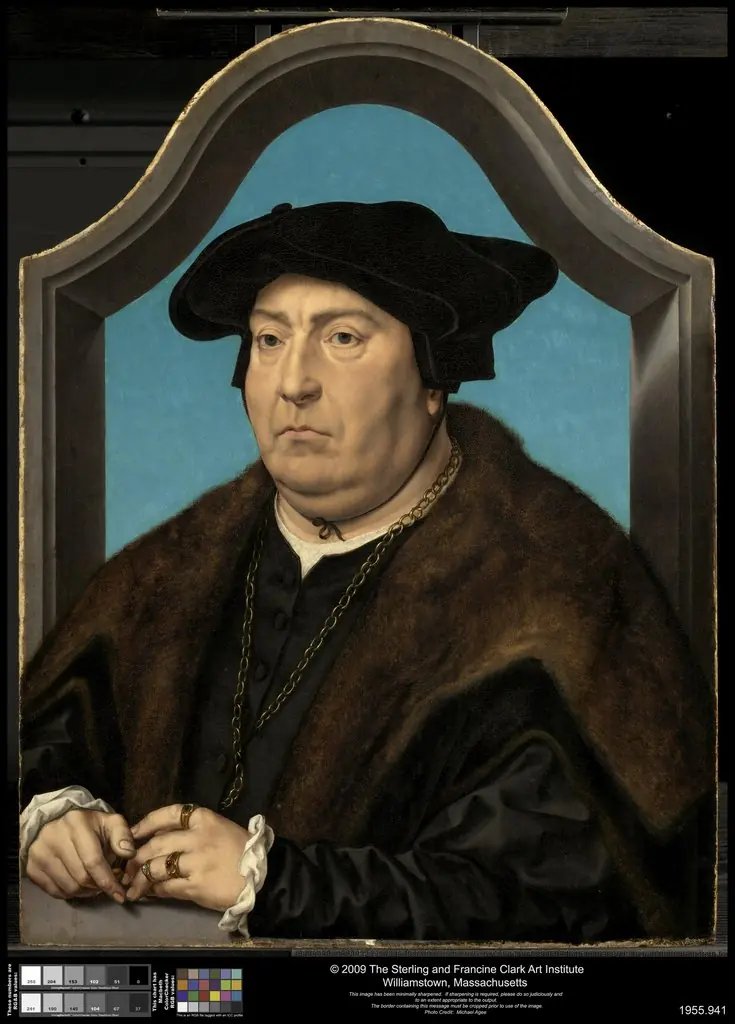
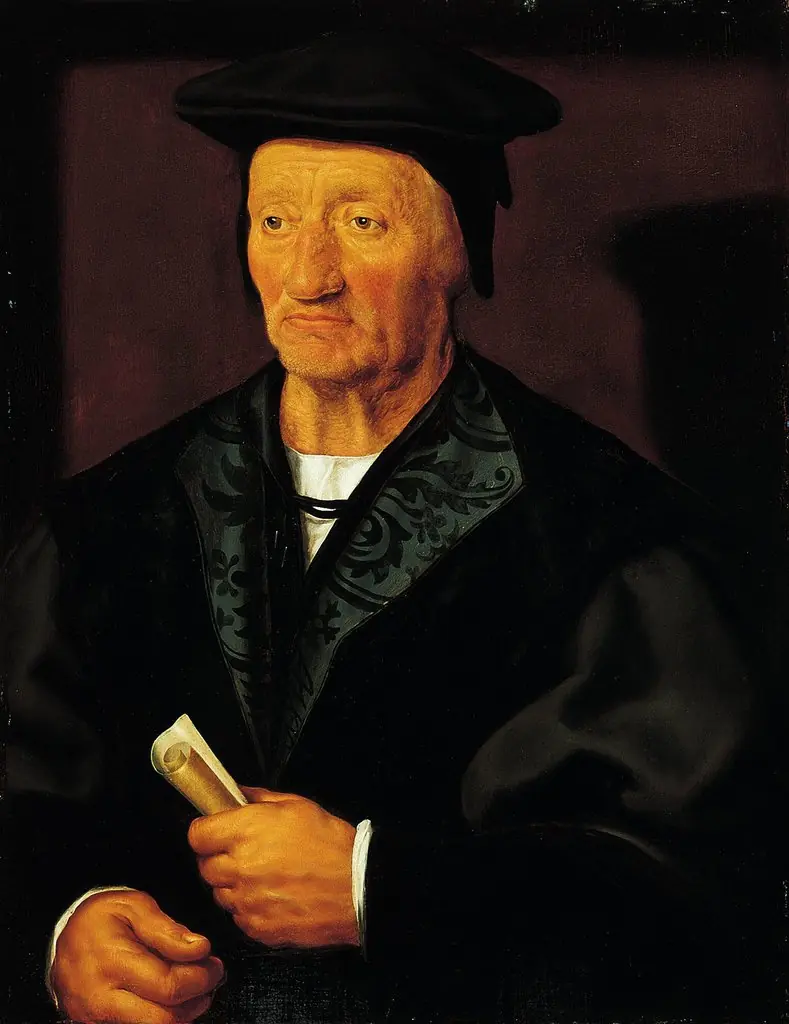
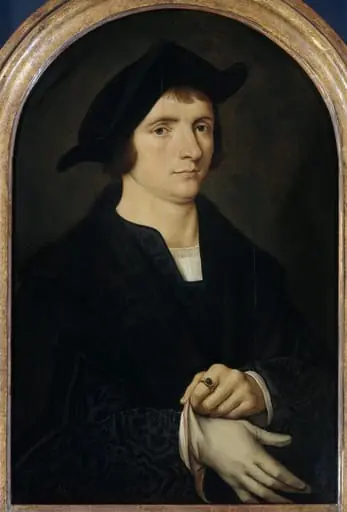
A Man is an unspecified painting by the Northern Renaissance artist Cornelis Anthonisz. It dates from 1530 and is held in the collection of the Detroit Institute of Arts.
About this work
Overview
, a Dutch artist active in Amsterdam, this portrait reflects the Northern Renaissance’s emphasis on individual identity and technical precision.
Painted around 1530 by Cornelis Anthonisz., a Dutch artist active in Amsterdam, this portrait reflects the Northern Renaissance’s emphasis on individual identity and technical precision. Anthonisz. was known for his work in multiple media, including cartography and printmaking, and this painting demonstrates his skill in rendering human form with quiet clarity. The work is now part of the Detroit Institute of Arts collection.
Subject & Meaning
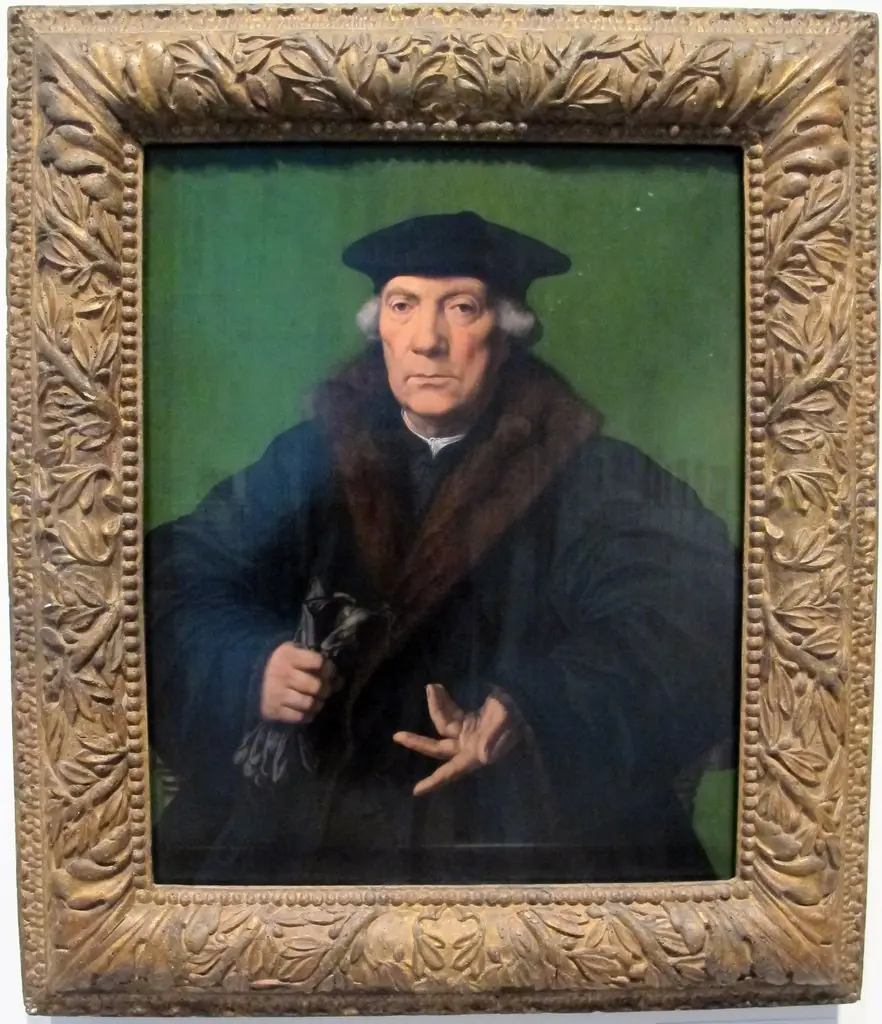
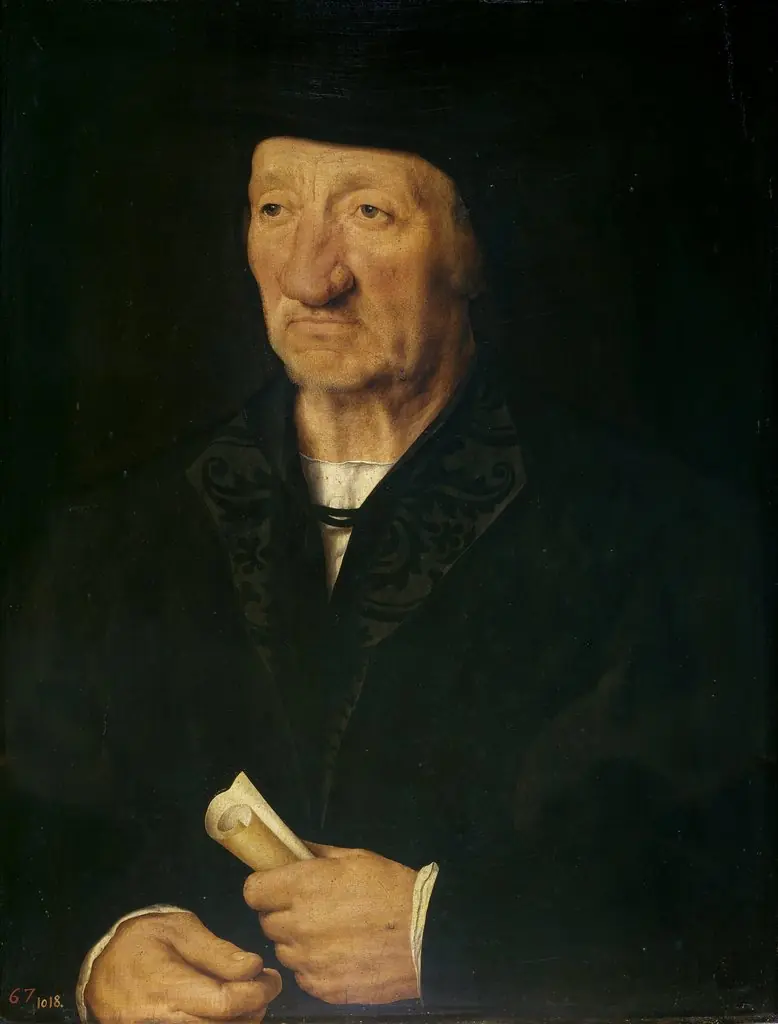
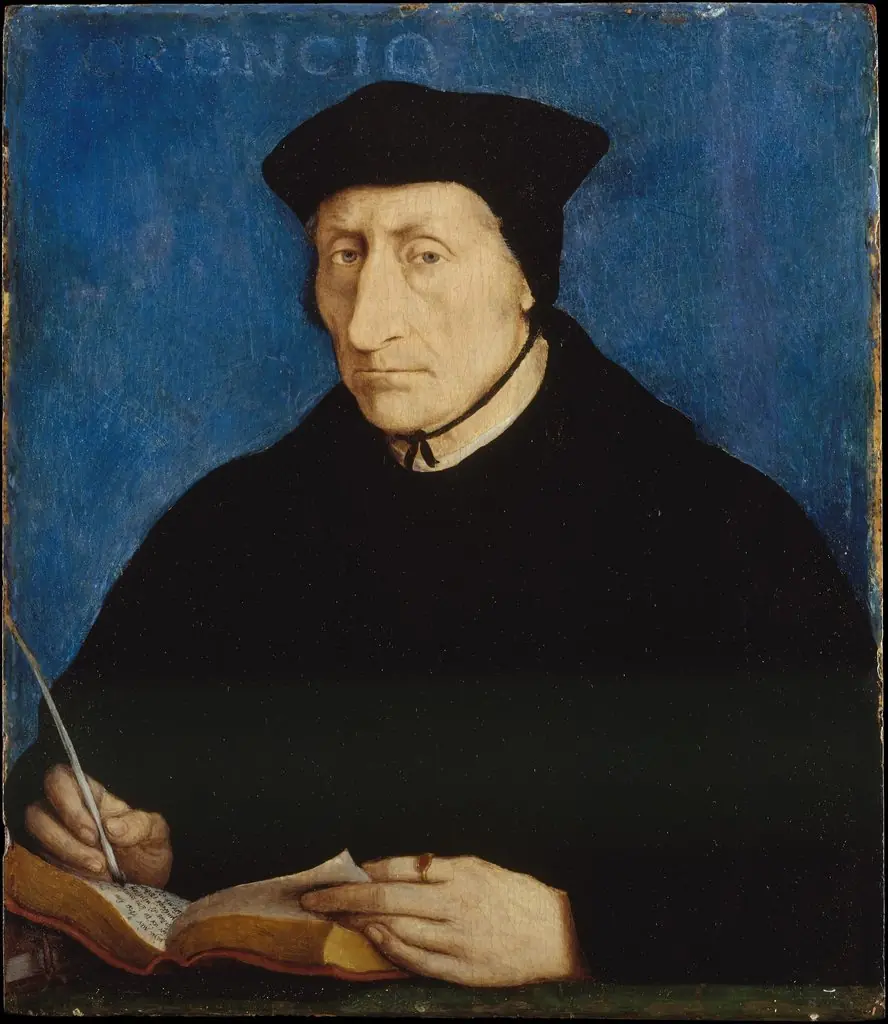
The subject is a man dressed in dark outer garments, with a red undergarment visible at the neck and sleeves. He holds a small, unidentifiable white object in his right hand, its purpose ambiguous. His neutral expression and sideways gaze suggest introspection rather than engagement, typical of portraiture from this era that prioritized psychological restraint over theatricality.
Technique & Style
Anthonisz. employs chiaroscuro to model the figure’s form, using subtle shifts in light and shadow to define the contours of the face and clothing. The background is a muted beige, allowing the dark tones of the attire to dominate. Details like the texture of fabric and the sheen on the hat are rendered with careful brushwork, characteristic of Northern Renaissance attention to material realism.
History & Provenance
The painting’s early history is undocumented, but it entered the Detroit Institute of Arts’ collection in the 20th century. Its attribution to Anthonisz. rests on stylistic comparisons with his known prints and drawings, as well as its alignment with the visual conventions of early 16th-century Dutch portraiture. No definitive records of its original commission or ownership survive.
Context
In the early 1500s, Dutch artists increasingly turned to secular portraiture as urban elites sought to assert personal identity through visual representation. Anthonisz.’s work, straddling painting and mapmaking, reflects a broader cultural trend in which precision and observation were valued across disciplines. This portrait aligns with contemporaneous works that favored understated dignity over grandeur.
Legacy
Though not widely reproduced or studied, the painting contributes to the understanding of early Northern Renaissance portraiture beyond the most famous names. Anthonisz.’s integration of cartographic precision into painting highlights the interconnectedness of artistic practices in the Low Countries. The work remains a quiet example of how individual identity was captured with restraint and technical care.
Artist & collection
Artist
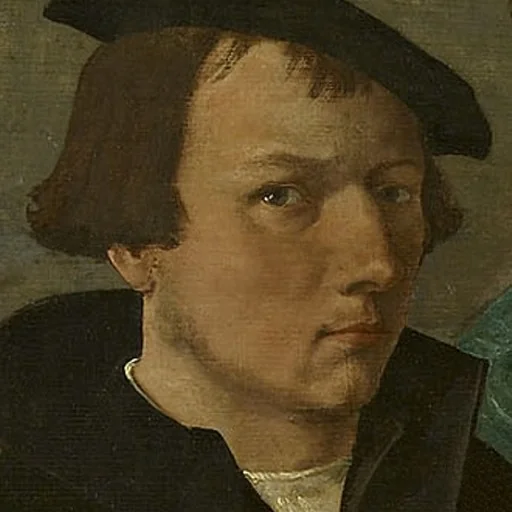
Cornelis Anthonisz., Anthonisz. (Anthony's son) also spelled Anthonissen or Teunissen (ca. 1505 – 1553), was a Dutch painter, engraver, and mapmaker.