Artwork
The Nuremberg dressmaker Hans Pirkel the Younger
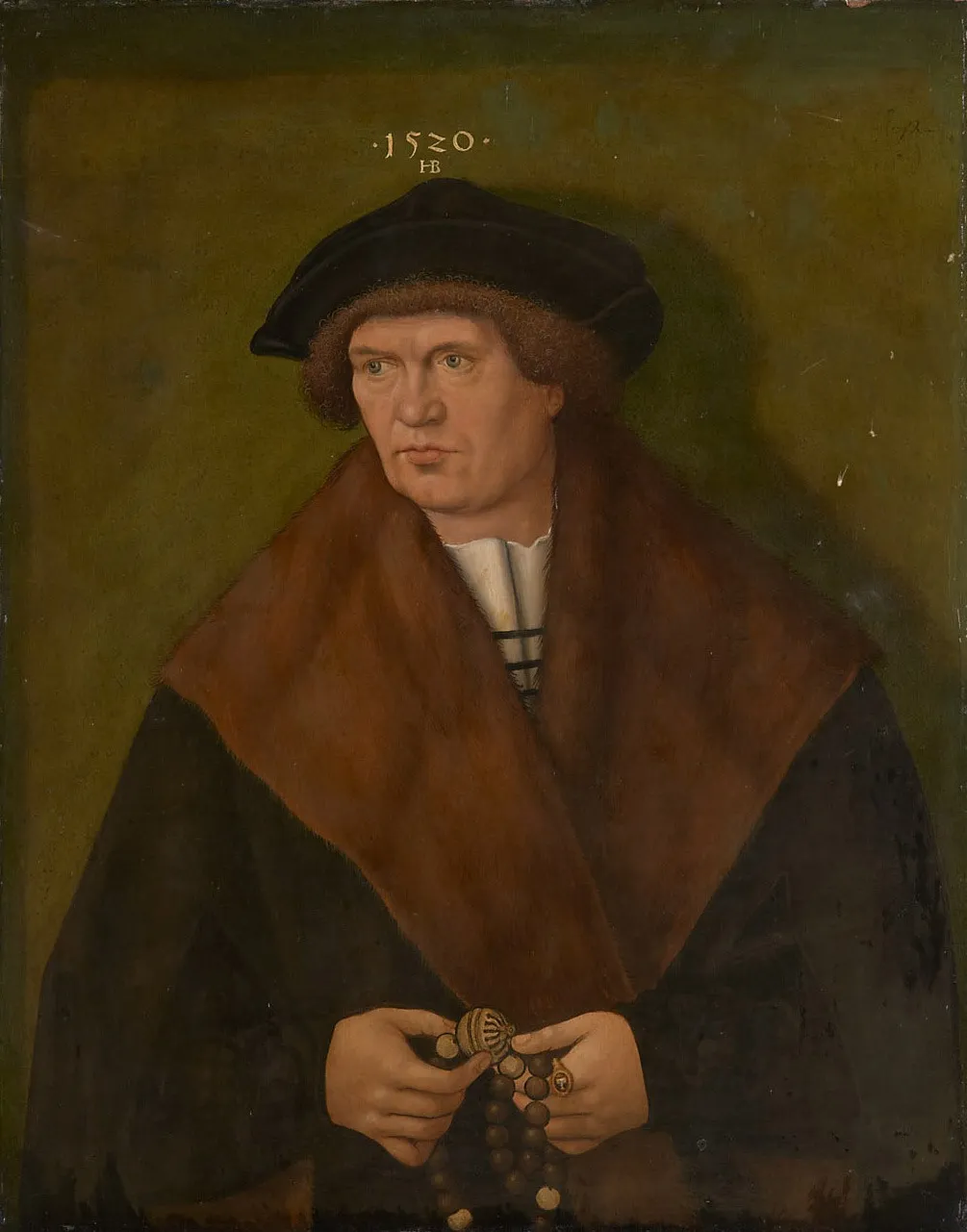
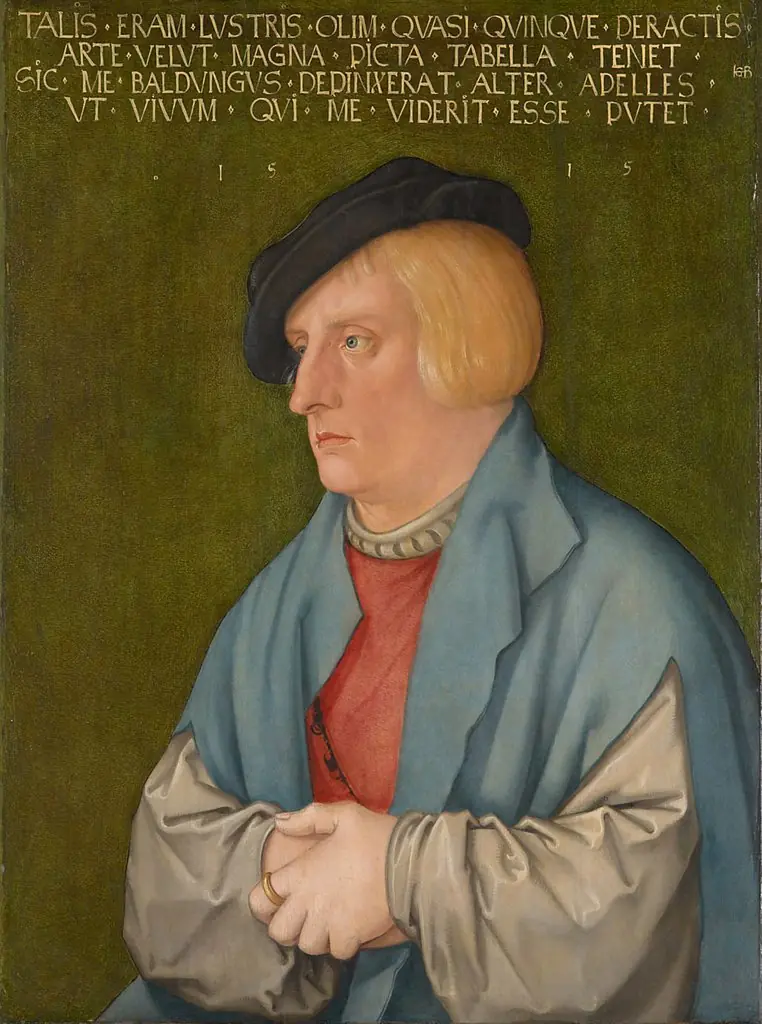
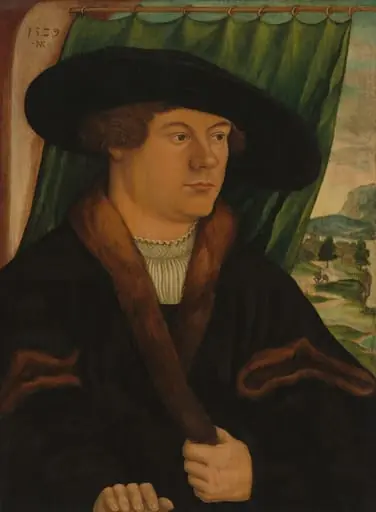
The Nuremberg dressmaker Hans Pirkel the Younger is an unspecified painting by the Northern Renaissance artist Hans Brosamer. It dates from 1520 and is held in the collection of the Kunsthistorisches Museum.
About this work
He wears a black hat, a brown fur-trimmed coat, and a white shirt with a high collar.
This painting is a portrait of a man dressed in 16th-century attire. He wears a black hat, a brown fur-trimmed coat, and a white shirt with a high collar. The man holds a rosary in his hands.
The man's gaze is directed slightly to the left of the viewer. His curly brown hair is visible under his hat. The background of the painting is a muted green color.
To learn more about the artist's use of chiaroscuro, a technique that uses strong contrasts between light and dark to create a sense of volume in modeling three-dimensional objects and figures, explore the works of Hans Brosamer (German, c. 1500–1554).
Overview
Painted in 1520 by Hans Brosamer, this portrait depicts Hans Pirkel the Younger, a dressmaker from Nuremberg. The work is part of the Kunsthistorisches Museum’s collection and represents a quiet, introspective moment in the life of a skilled artisan. Unlike grand aristocratic portraits of the era, this image focuses on the dignity of a tradesman through restrained composition and careful attention to personal detail.
Subject & Meaning
Hans Pirkel the Younger is shown holding a rosary, suggesting personal piety and perhaps a connection to devotional practice common among urban craftsmen. His attire—black hat, fur-trimmed coat, and high-collared shirt—indicates modest prosperity. The direct yet subdued gaze, turned slightly away, conveys introspection rather than public display, reflecting the values of humility and quiet diligence associated with his profession.
Technique & Style
Brosamer employs subtle chiaroscuro to define the contours of the face and clothing, lending volume without dramatic contrast. The textures of fur, linen, and wool are rendered with precise brushwork, emphasizing material realism. The muted green background isolates the figure, focusing attention on his form and expression. The painting’s scale and intimacy suggest it was intended for private contemplation rather than public display.
History & Provenance
The portrait has remained in institutional hands since at least the early modern period, eventually entering the Kunsthistorisches Museum’s collection. Its survival reflects the value placed on portraits of civic figures in Nuremberg’s artistic culture. No early documentation of its commission survives, but its quality implies patronage from within Pirkel’s professional or familial circle.
Context
In early 16th-century Nuremberg, artisans like Pirkel occupied a respected place in urban society. Portraits of craftsmen were uncommon compared to those of nobility or clergy, making this work a rare example of non-elite representation. The inclusion of religious objects like the rosary aligns with the period’s blending of spiritual life and daily labor, particularly among Protestant-leaning urban dwellers.
Legacy
This portrait stands as a quiet testament to the visibility of skilled laborers in Renaissance art. While Brosamer is better known for prints and religious scenes, this work demonstrates his ability to capture individual character with restraint. It contributes to a broader understanding of how non-aristocratic identities were visually affirmed in early Reformation Germany.
Artist & collection

Artist
Hans Brosamer was a German draughtsman, printmaker and painter of the Renaissance period. His life has left hardly any documentary trace, other than his prints, but he was active in Fulda from 1536 to 1545, and later worked in Erfurt.

 Portrait of a young man
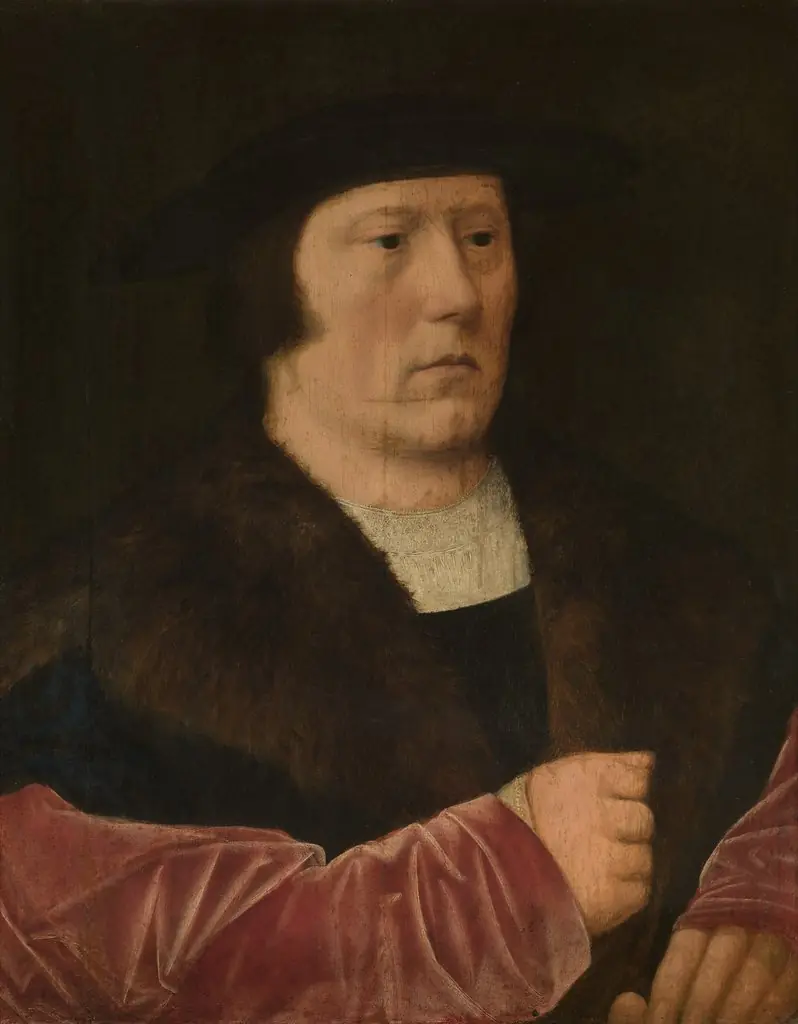 Portrait of a Man
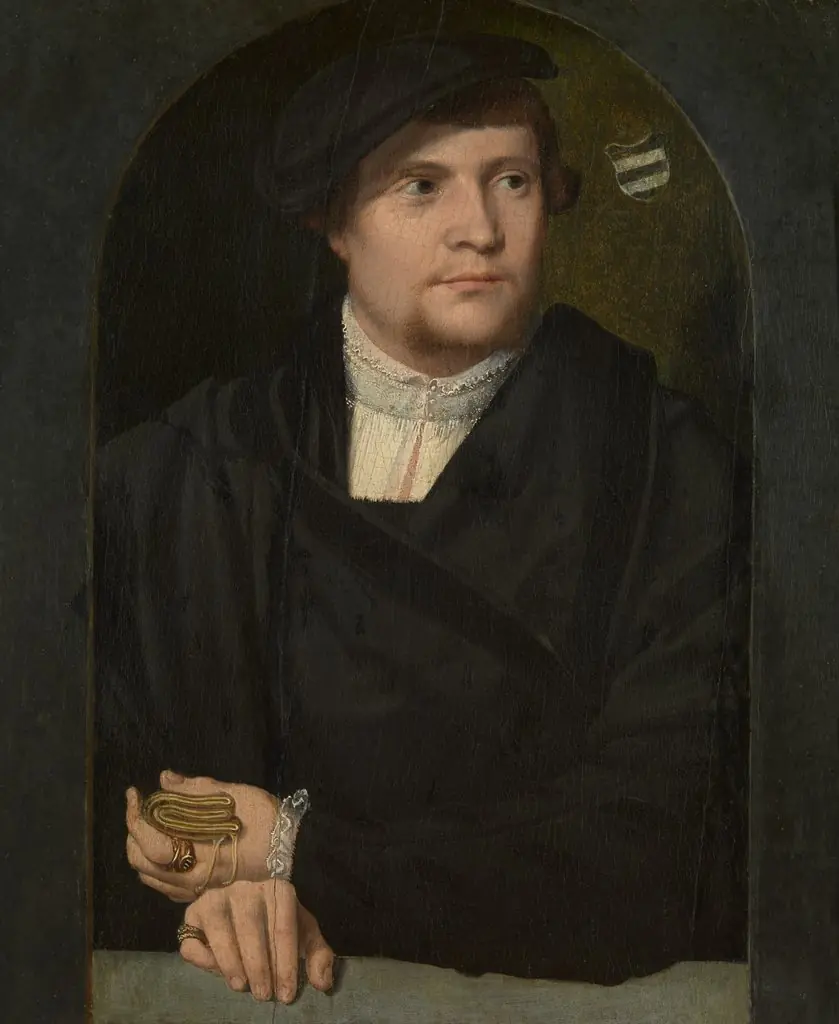 Portrait of a Man
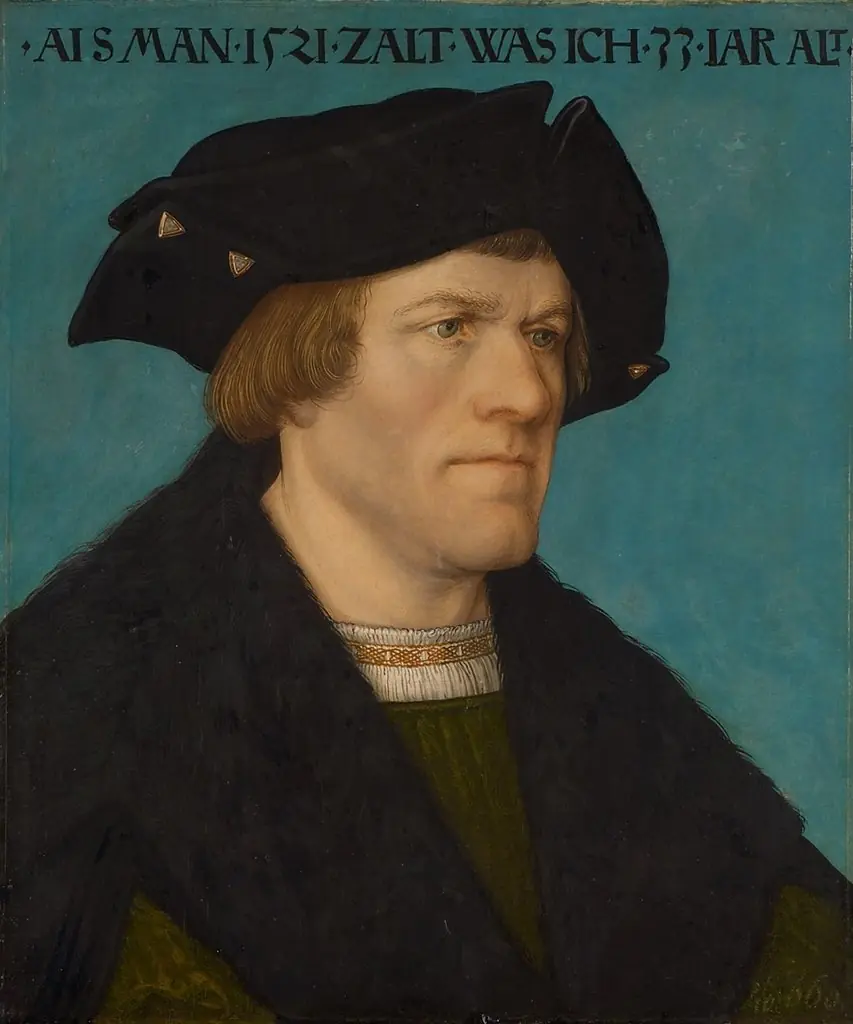 Portrait of a beardless man
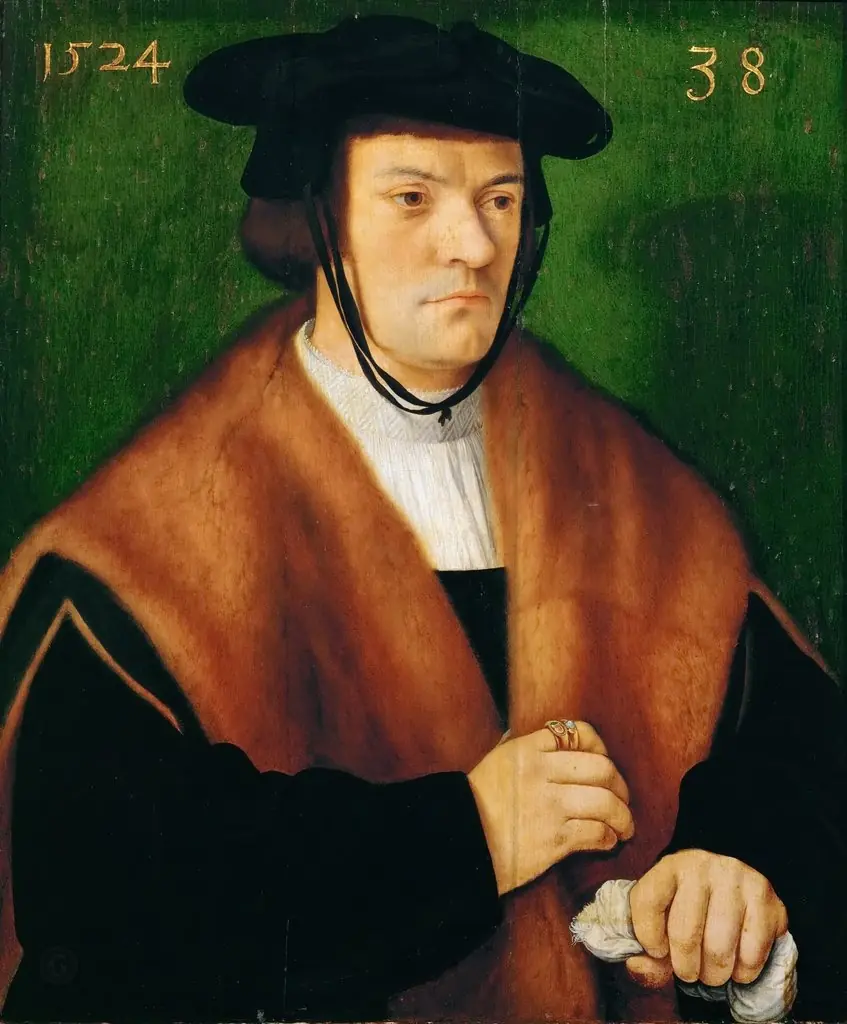 Gerhard von Westerburg (1486–after 1539), Half-Length, in a Fur-Trimmed Mantle and Black Hat
 Männliches Bildnis
 Portrait of a Nobleman
 Bildnis eines Mannes (zugeschrieben)
 Portrait of a Man
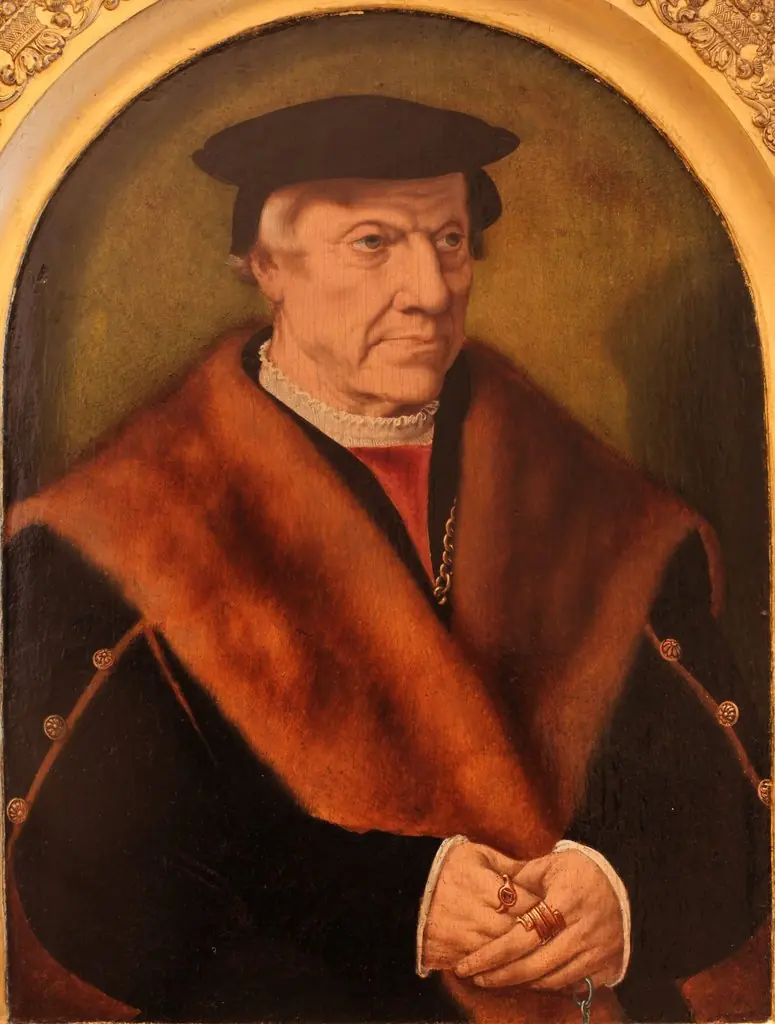 Portrait of a man
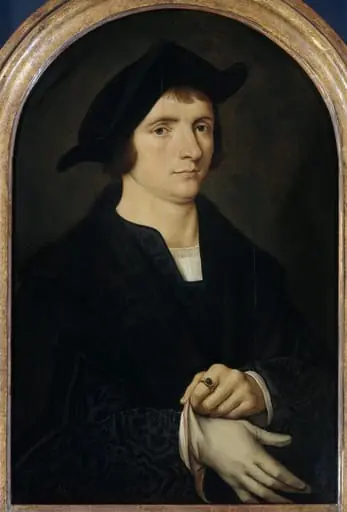 Portrait of Joris Vezeleer
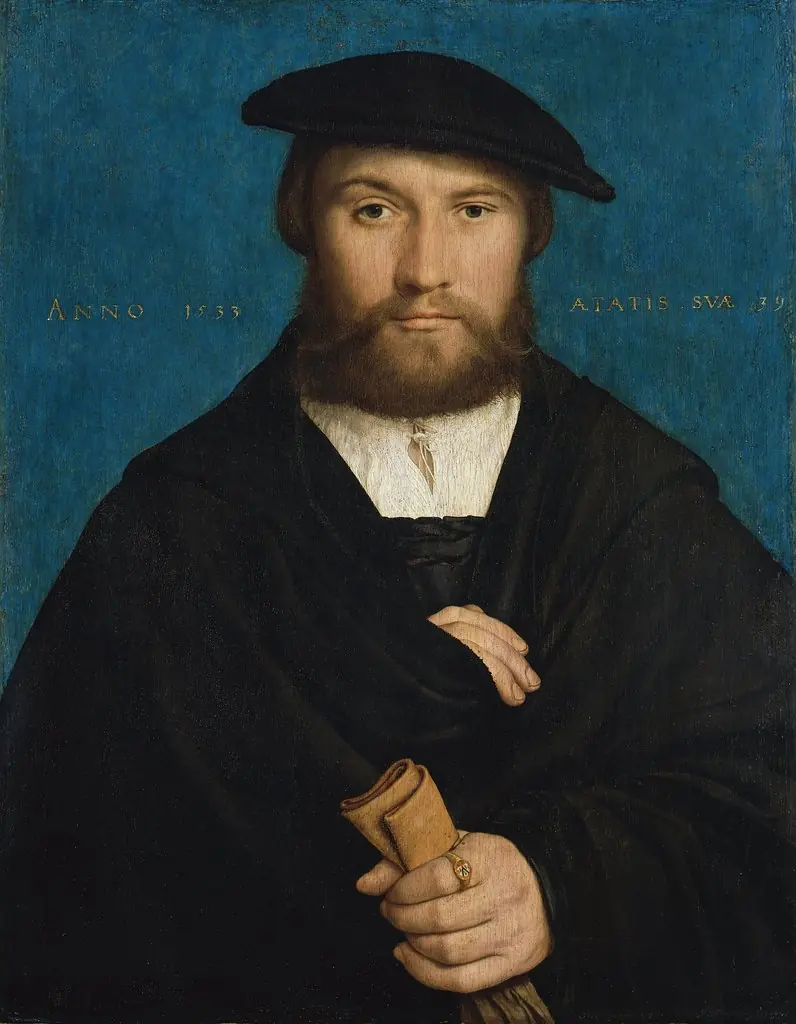 Hermann Hillebrandt de Wedigh