Artwork
Male Portrait
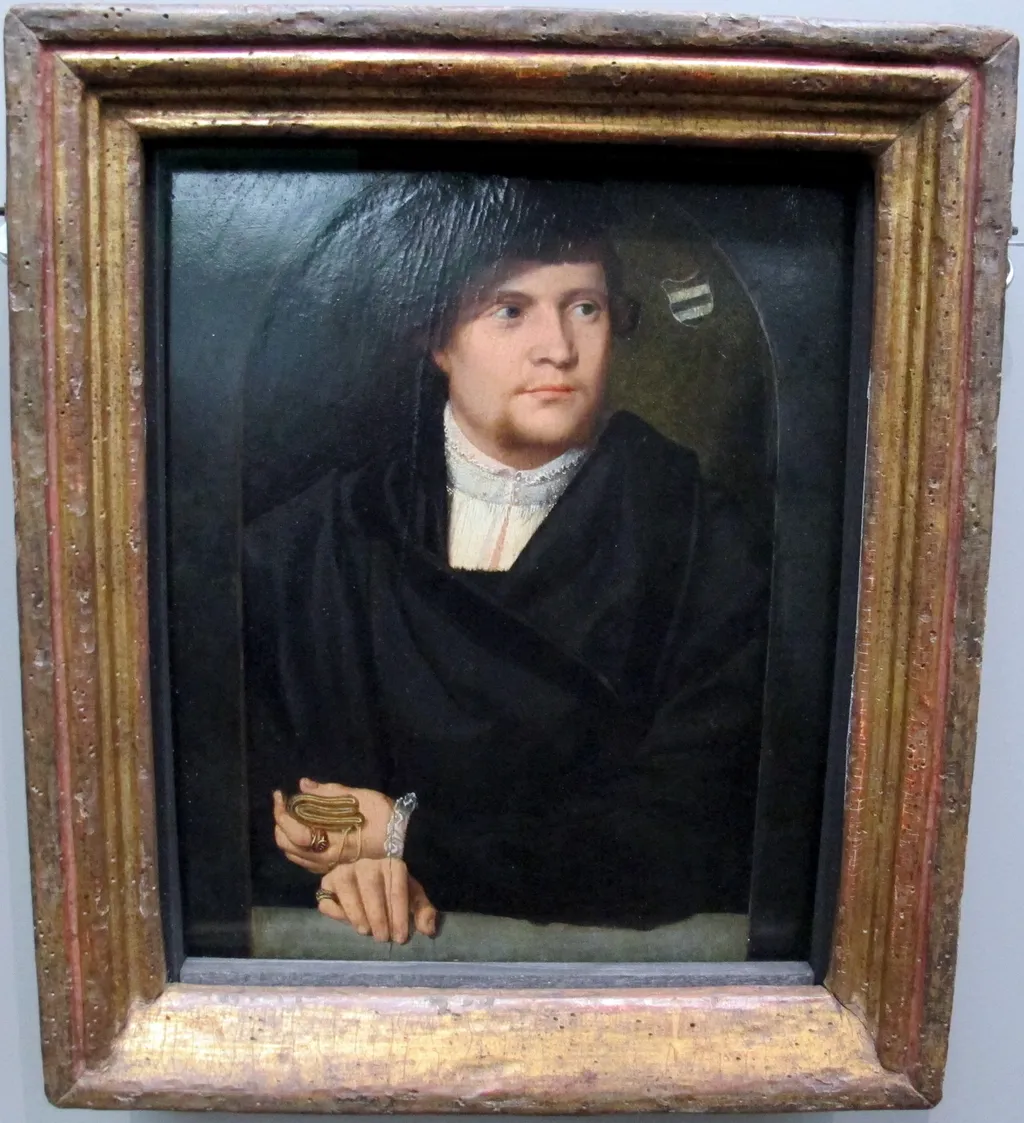
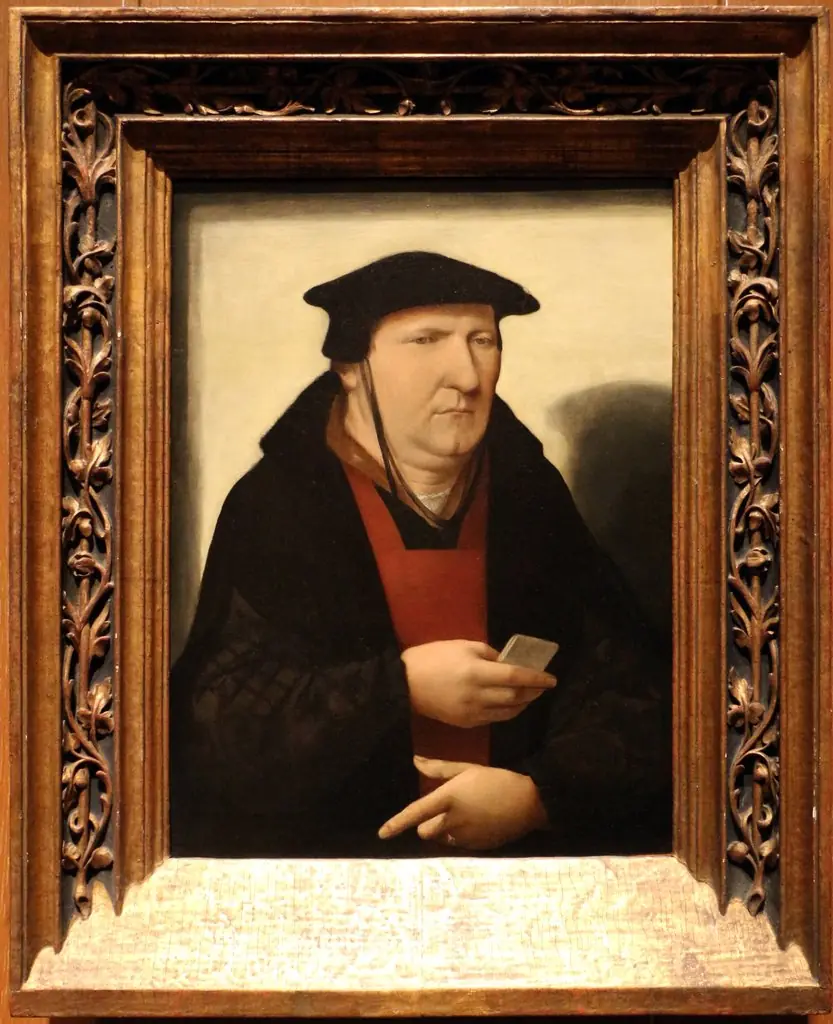
Male Portrait is an unspecified painting by Bartholomaeus Bruyn the Elder. It dates from 1550 and is held in the collection of the Groeningemuseum.
About this work
Overview
Male Portrait, painted circa 1550 by Bartholomaeus Bruyn the Elder, is a representative work of the German Renaissance portrait genre, characterized by its realistic depiction of a single subject.
Subject & Meaning
The portrait captures a man of apparent elegance and refinement, indicated by his white lace-trimmed shirt, black cloak, and ring. His neutral expression and directed gaze to the right suggest a moment of quiet contemplation, though the subject's identity and the significance of the small object in his hand remain unspecified.
Technique & Style
Bruyn employs chiaroscuro to create depth, focusing attention on the subject's face and hands. The dark background, with a subtle green hint behind the head, enhances the overall sense of dimensionality and draws the viewer's eye inward.
History & Provenance
Originally created for Cologne's elite, the painting is now part of the Groeningemuseum's collection, reflecting its transition from private to public ownership.
Context
As a leading Cologne portrait artist during the German Renaissance, Bruyn's work reflects the period's emphasis on individualism and the patronage of the city's wealthy elite.
Legacy
While not individually renowned beyond its genre, *Male Portrait* contributes to the broader understanding of 16th-century German portraiture and Bruyn's contribution to the field.
Artist & collection
Artist
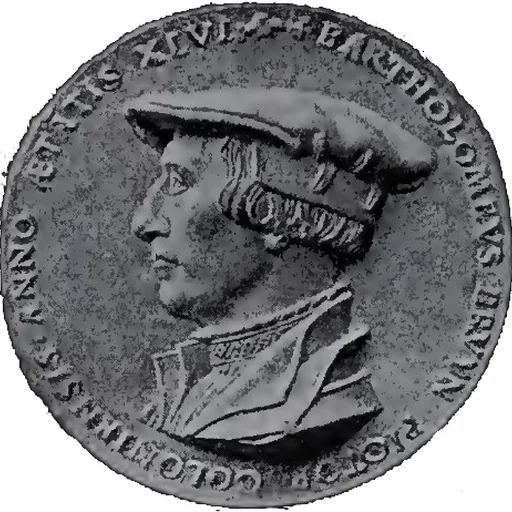
Bartholomäus Bruyn (1493–1555), usually called Barthel Bruyn or Barthel Bruyn the Elder, was a German Renaissance painter active in Cologne. He painted altarpieces and portraits, and was Cologne's foremost portrait painter of his day.

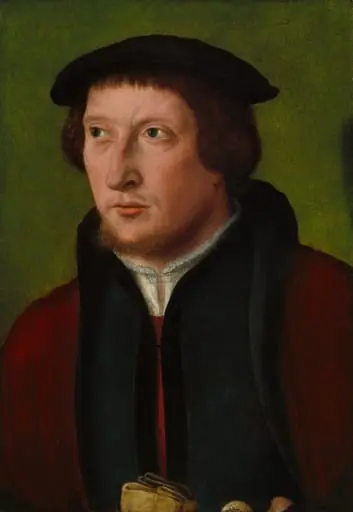 Portrait of a Man
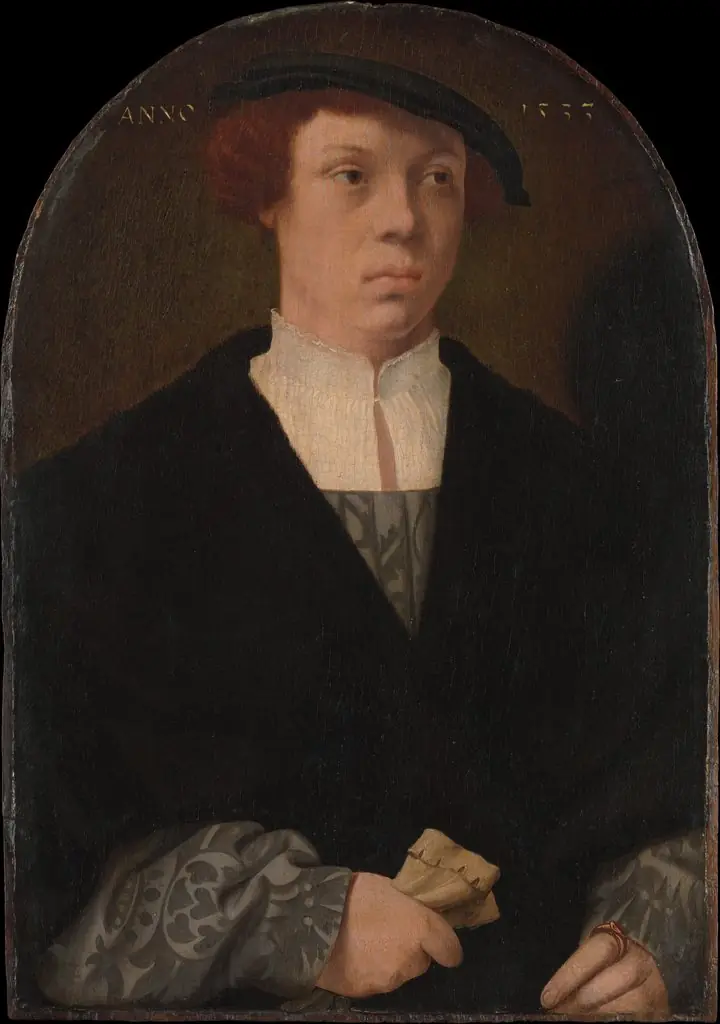 Portrait of a Man
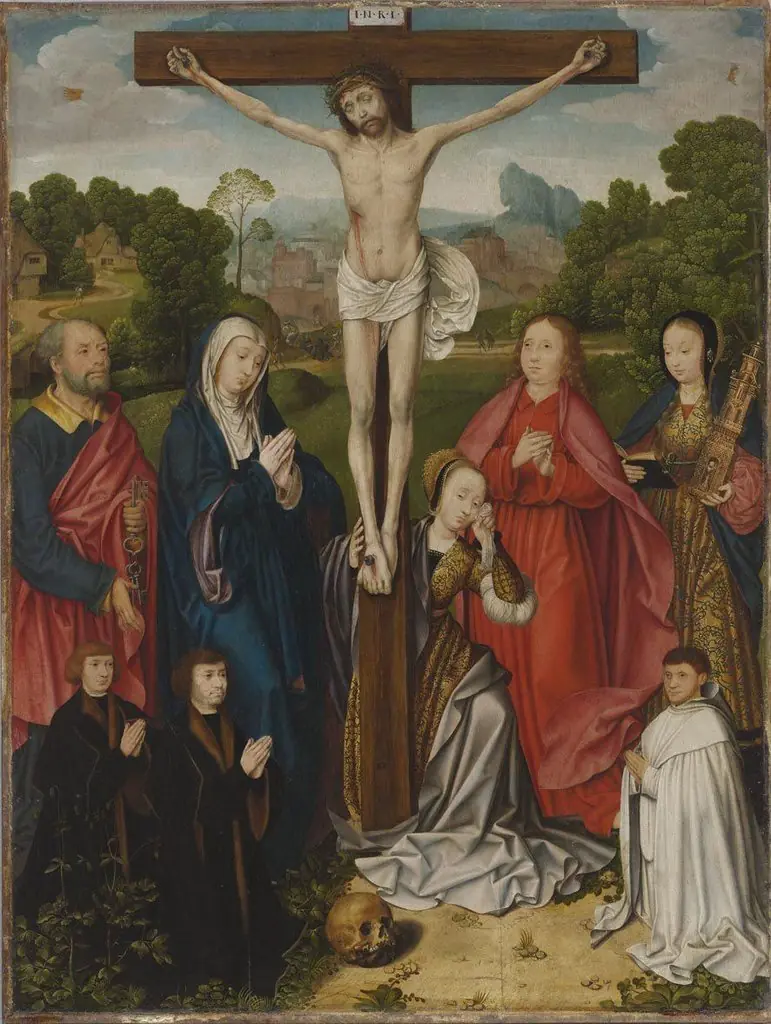 Christ on the cross with the saints Peter, Mary, Mary Magdalene, John the Evangelist and Barbara, with three donors
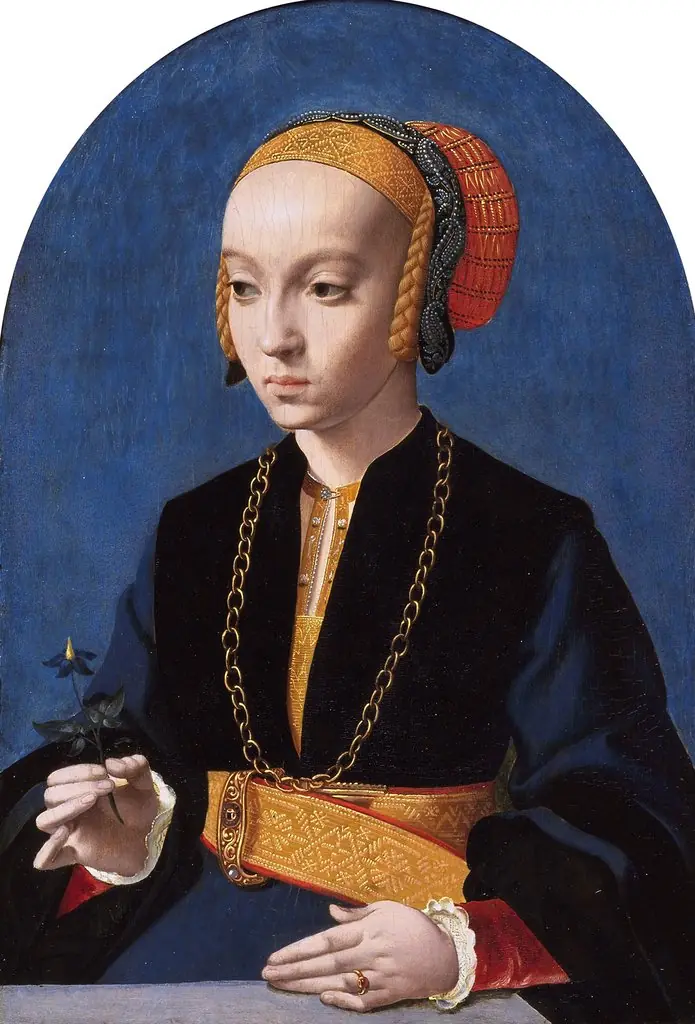 Portrait of Elisabeth Bellinghausen
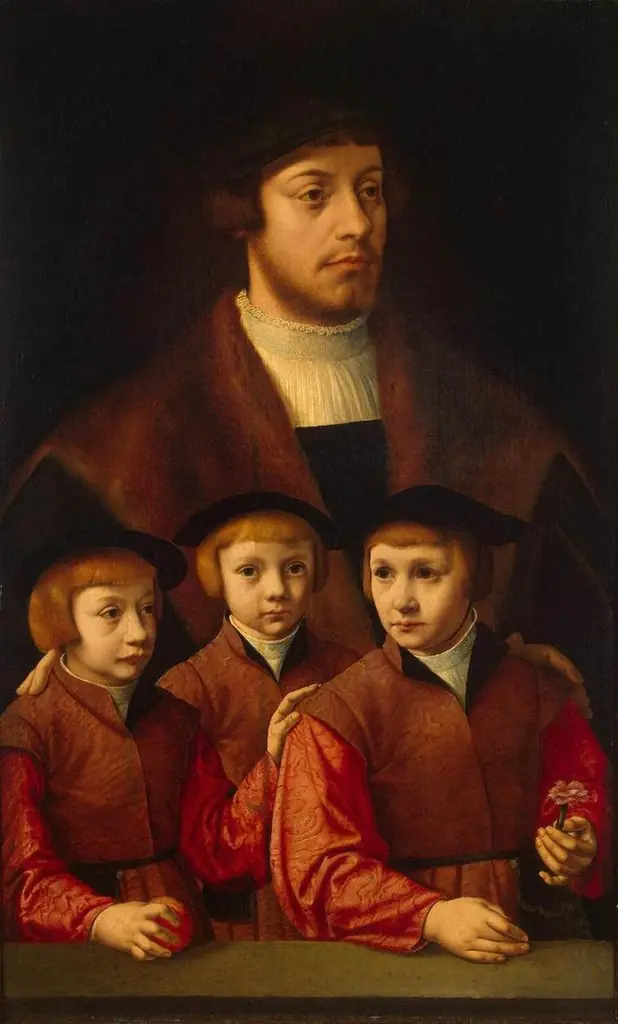 Portrait of a Man and His Three Sons
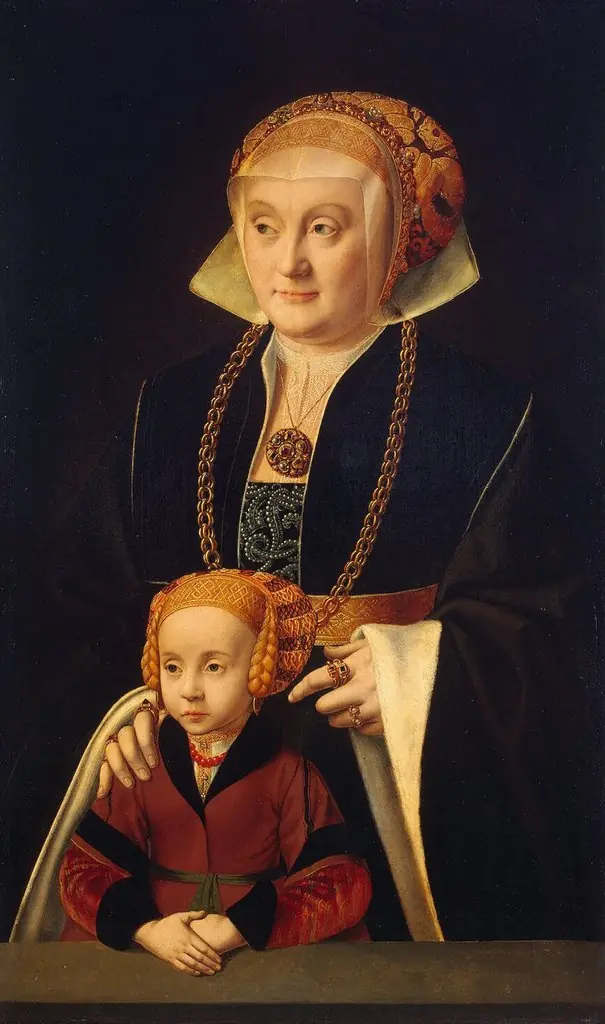 Portrait of a Lady and Her Daughter
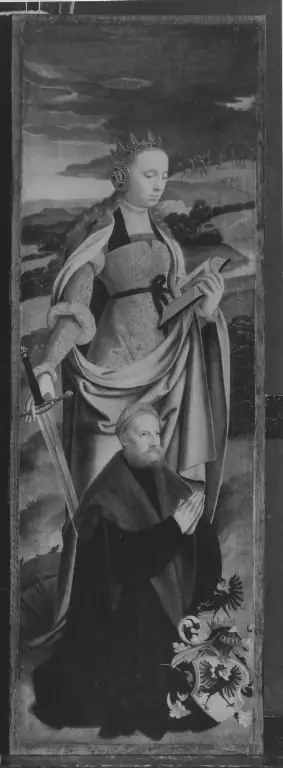 Rinck-Altar II:Saint Catherine with donor Hermann Rinck
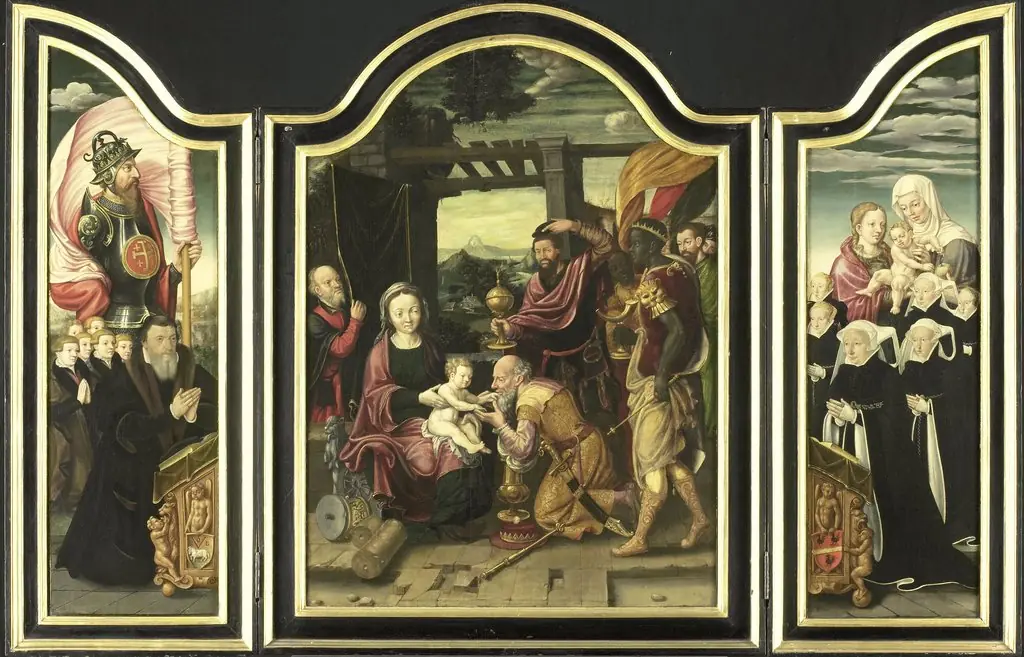 Triptych with the Adoration of the Magi
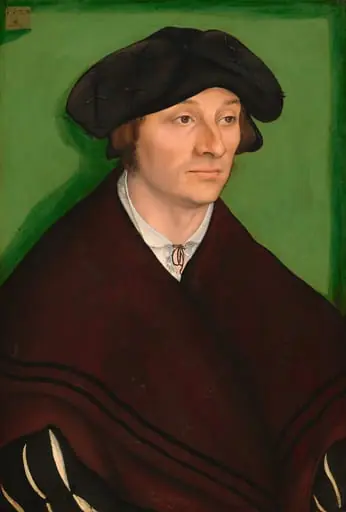 Portrait of a Man
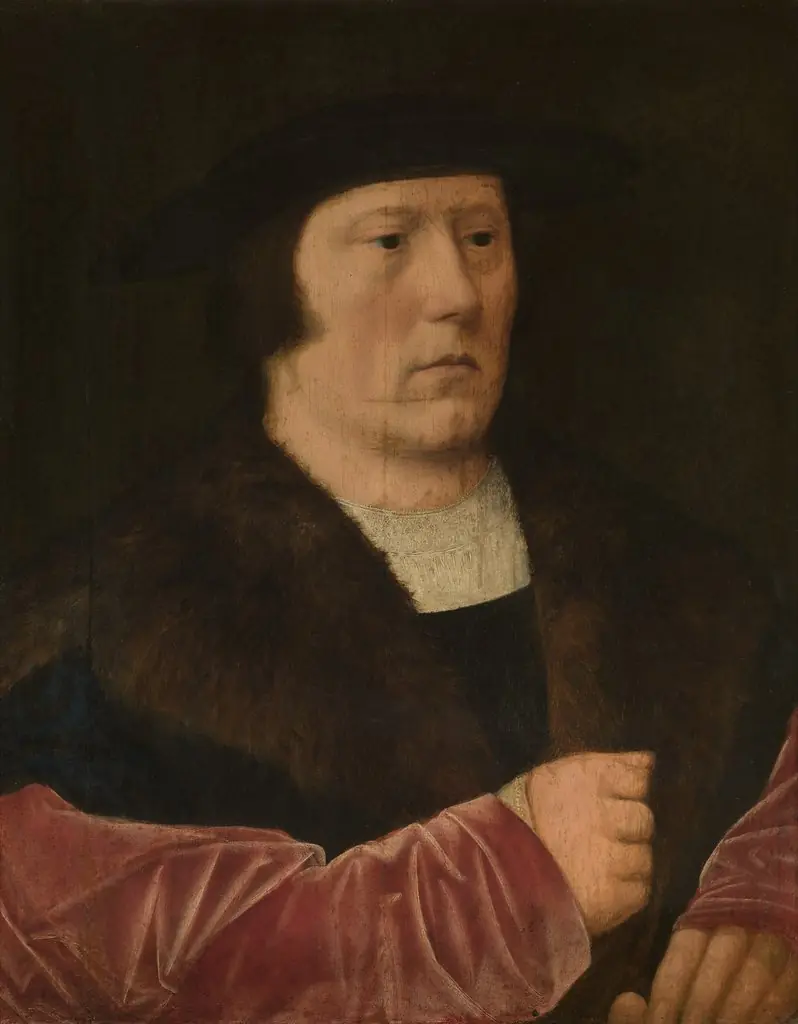 Portrait of a Man
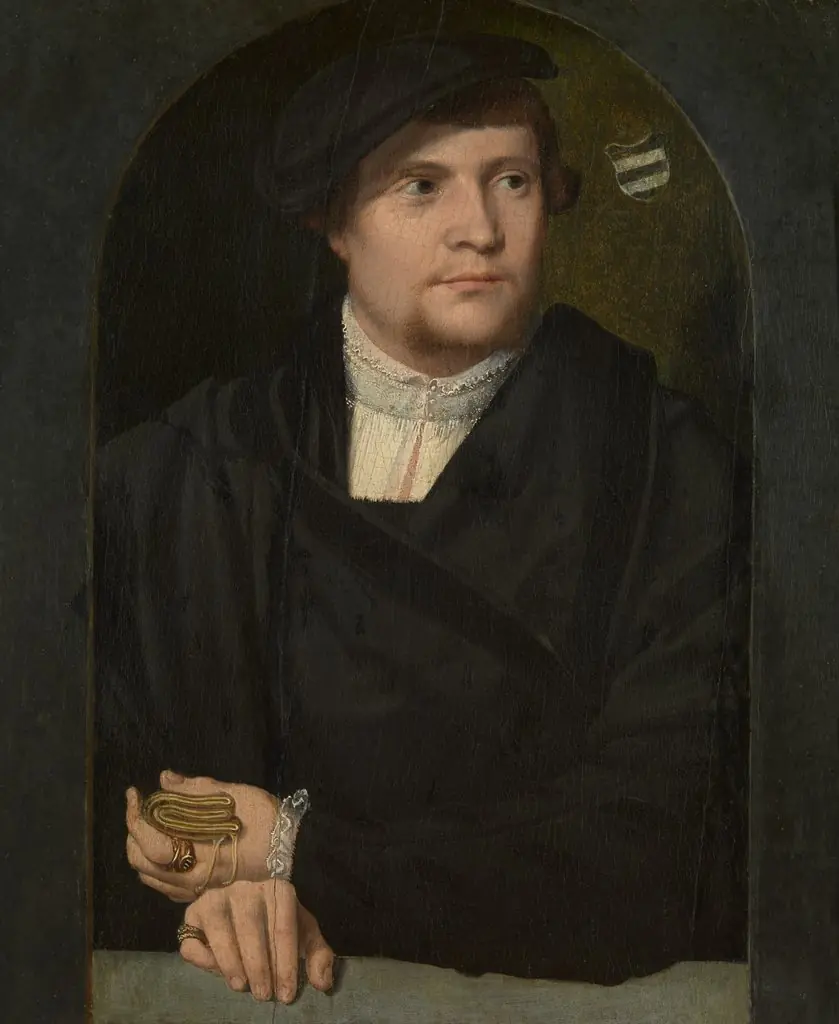 Portrait of a Man
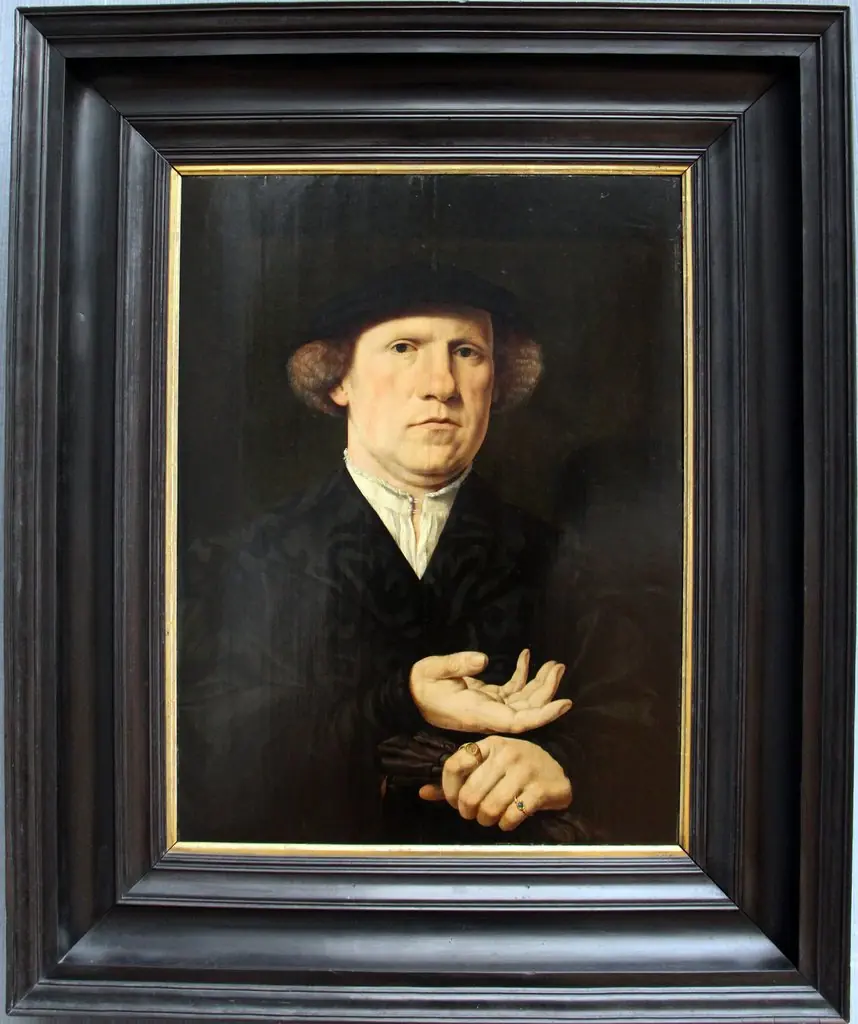 Portrait of the Antwerp merchant Hieronymus Tucher
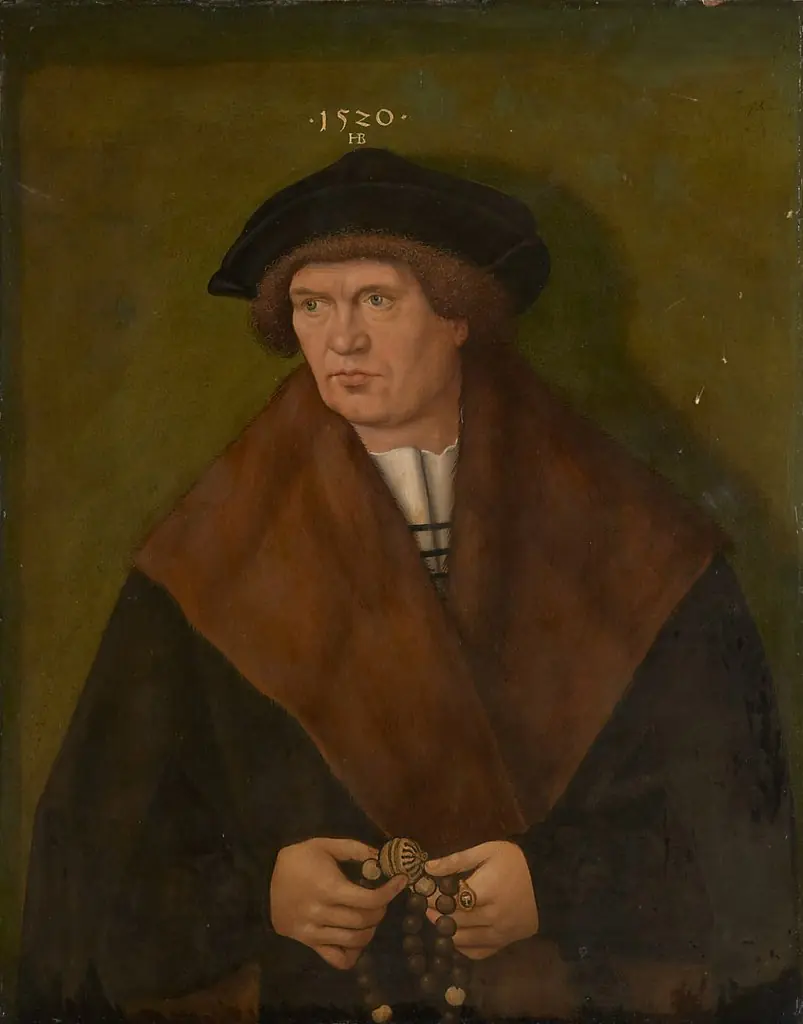 The Nuremberg dressmaker Hans Pirkel the Younger
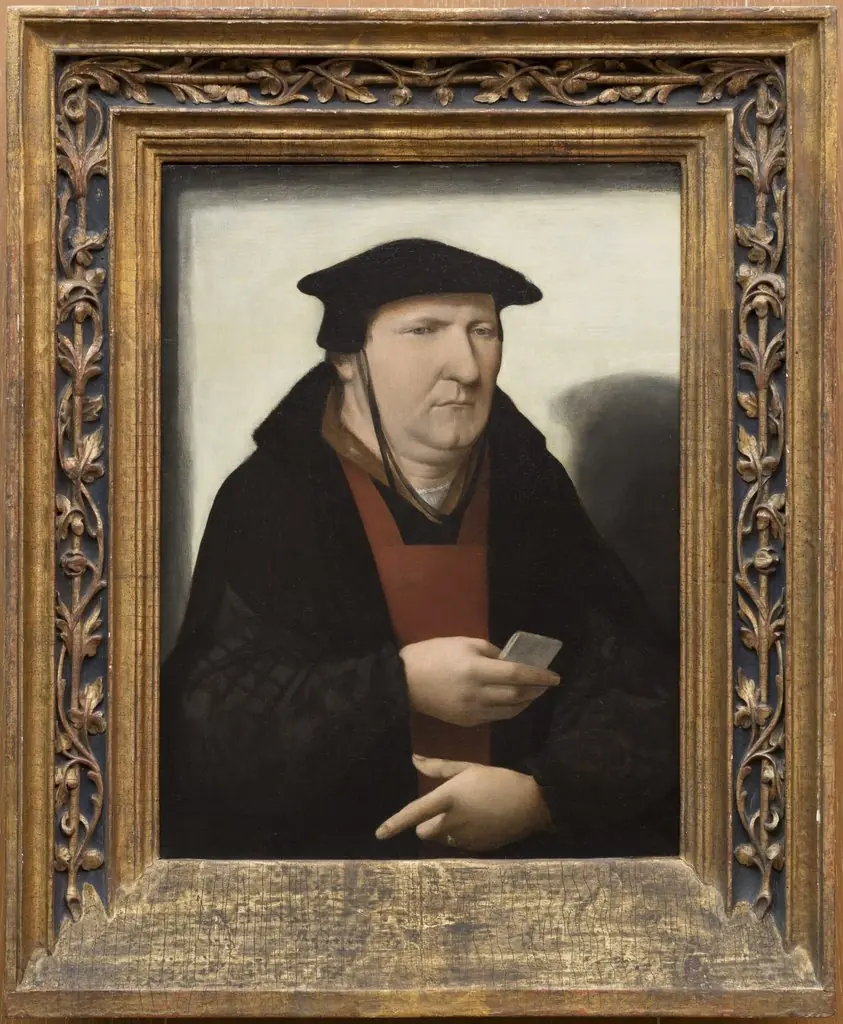 Portrait of a Man
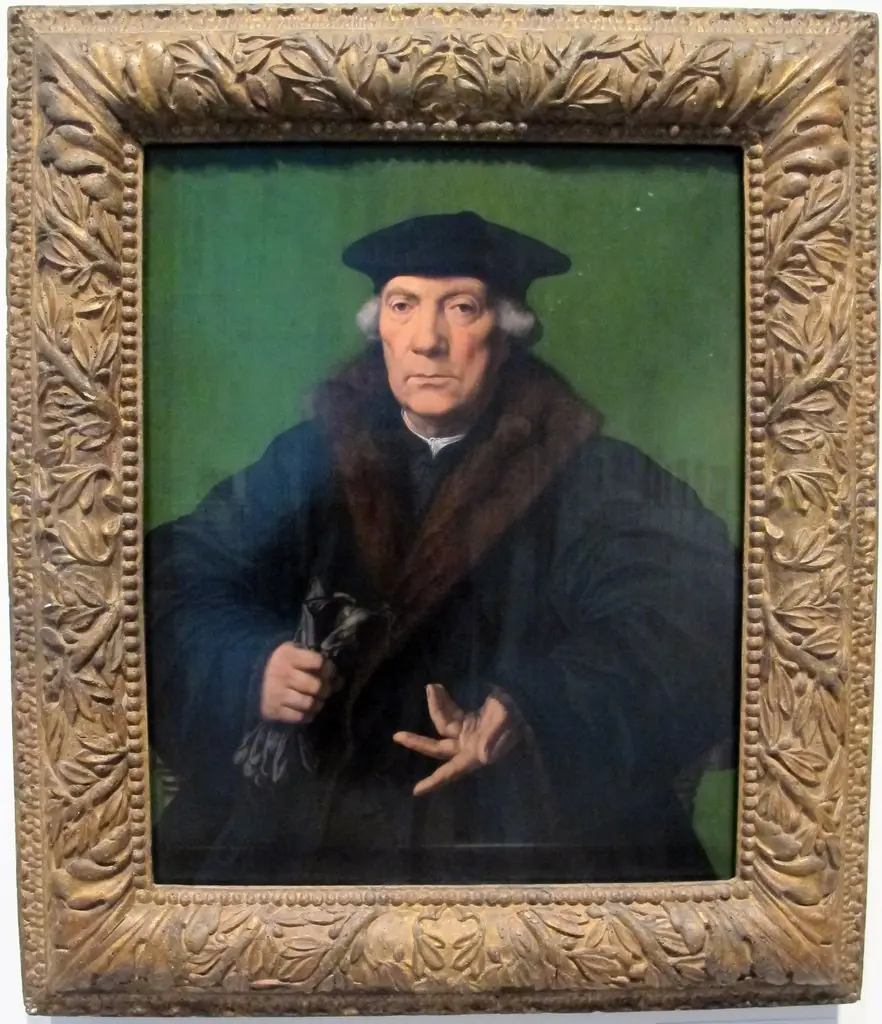 Portrait of Jean de Carondelet
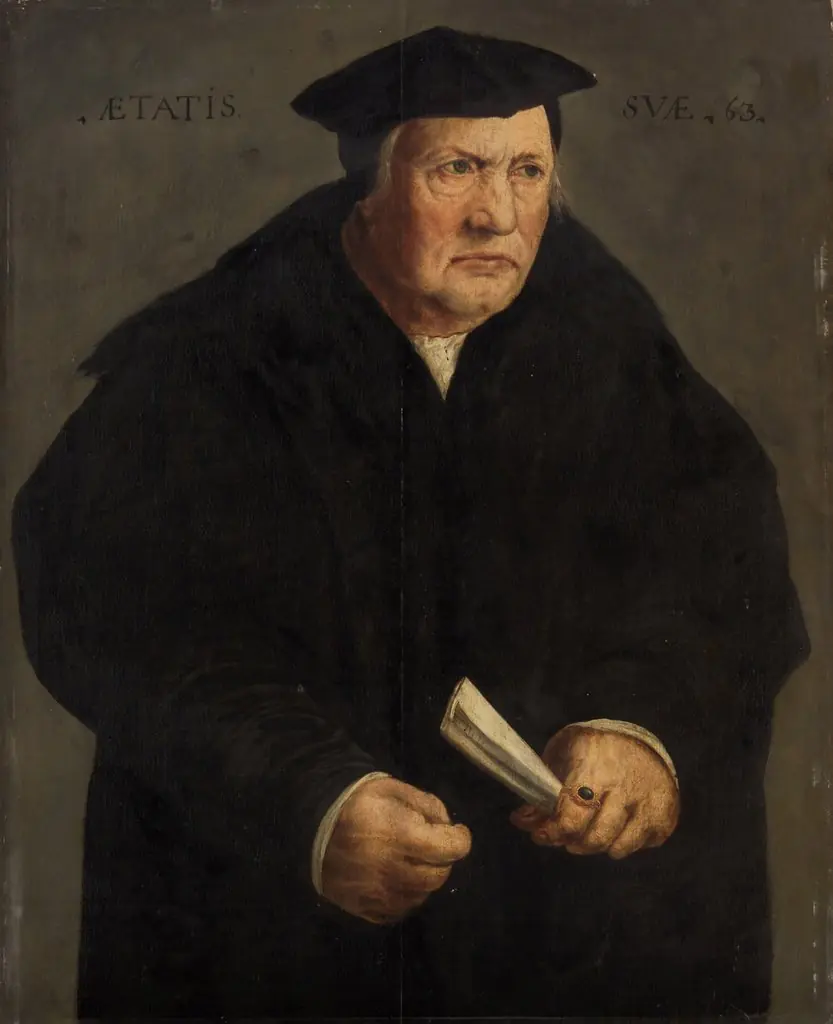 Männliches Bildnis
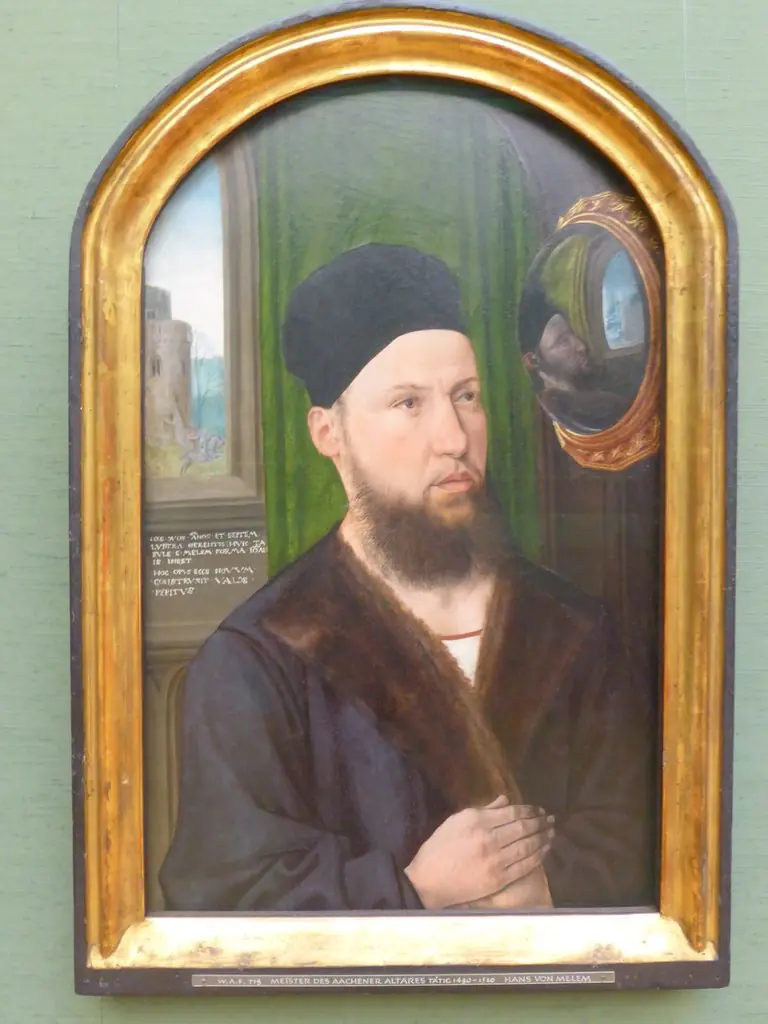 Portrait of Johann von Melem
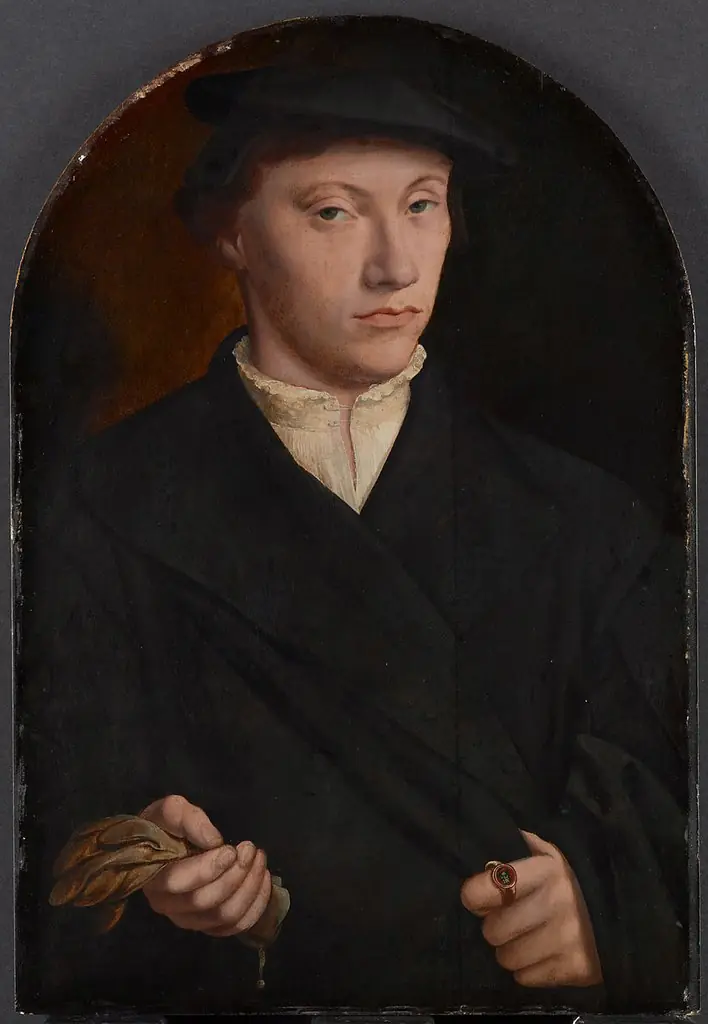 Portrait of a young man holding gloves
 A Man
A Man Portrait of Joris Vezeleer