Artwork
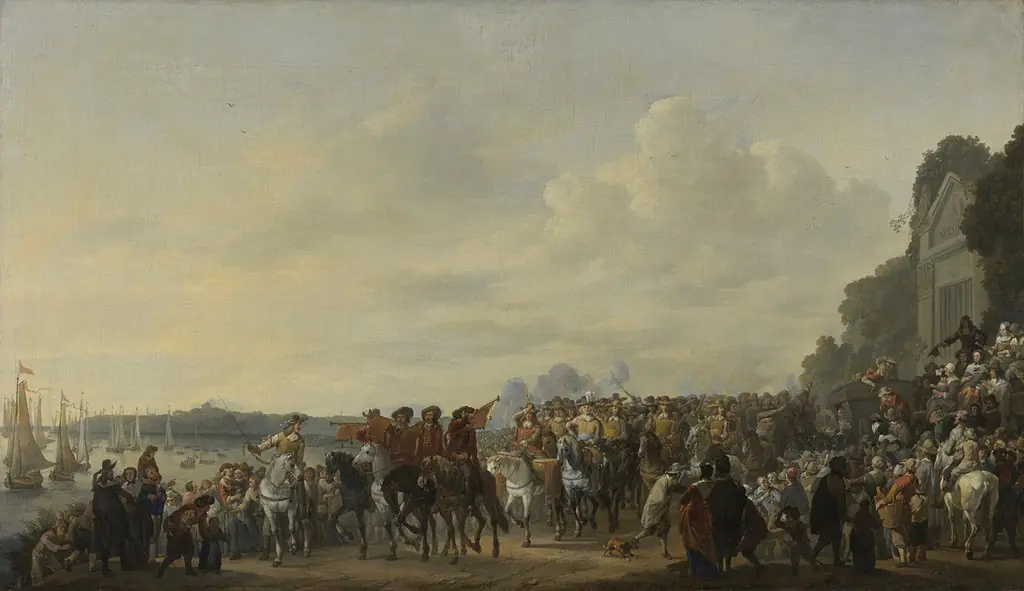
The Departure of Charles II of England from Scheveningen, 2 June 1660
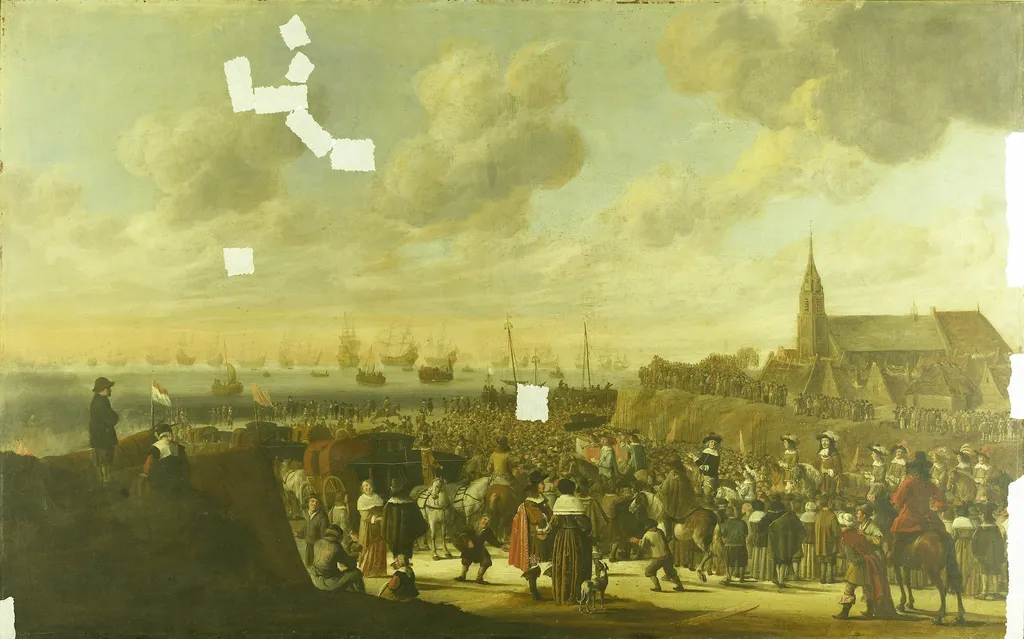
The Departure of Charles II of England from Scheveningen, 2 June 1660 is an unspecified painting by the Dutch Golden Age artist Cornelis Beelt. It dates from 1680 and is held in the collection of the Rijksmuseum.
About this work
You see a crowded beach at Scheveningen: ships, horses, carriages, and hundreds of people waving as a king steps onto a boat.
You see a crowded beach at Scheveningen: ships, horses, carriages, and hundreds of people waving as a king steps onto a boat.
This painting marks the moment Charles II left exile and sailed back to England to reclaim his throne. The artist shows the exact day—June 2, 1660—with real buildings and a real crowd, almost like a news photo from the 1600s.
If you like scenes packed with everyday life, browse more at the Rijksmuseum.
Overview
The canvas records the moment on 2 June 1660 when Charles II of England left the Dutch seaside town of Scheveningen to return to England after his exile. A bustling shoreline fills the scene, populated by ships, horses, carriages and a multitude of onlookers who wave as the monarch steps onto a vessel.
Subject & Meaning
The work captures a historic departure, emphasizing the public’s enthusiasm for the restoration of the monarchy. By placing the king amid a dense crowd, the artist underscores the collective anticipation and civic pride surrounding the event, presenting the monarch not as a distant ruler but as a participant in a shared civic moment.
Technique & Style
Rendered with meticulous attention to architectural detail, the painting juxtaposes the orderly line of royal carriages on the left with the recognizable church and town structures on the right. The composition balances narrative clarity with a lively depiction of everyday activity, employing a naturalistic palette that conveys the atmosphere of a bright, crowded beach.
History & Provenance
Created shortly after the actual departure, the painting serves as a visual record of a pivotal political moment in 17th‑century Europe. It entered the collection of the Rijksmuseum, where it remains part of the institution’s holdings of Dutch Golden Age works documenting contemporary events.
Context
The departure took place against the backdrop of the English Restoration, when Charles II reclaimed the throne following the Commonwealth period. Scheveningen, a prominent Dutch port, functioned as a staging point for the king’s return, linking Dutch maritime activity with English political change.
Legacy
As an early example of documentary painting, the work offers historians a visual reference for the clothing, architecture, and public rituals of the era. Its detailed portrayal of a public celebration continues to inform studies of how art was employed to commemorate and legitimize political transitions.
Artist & collection

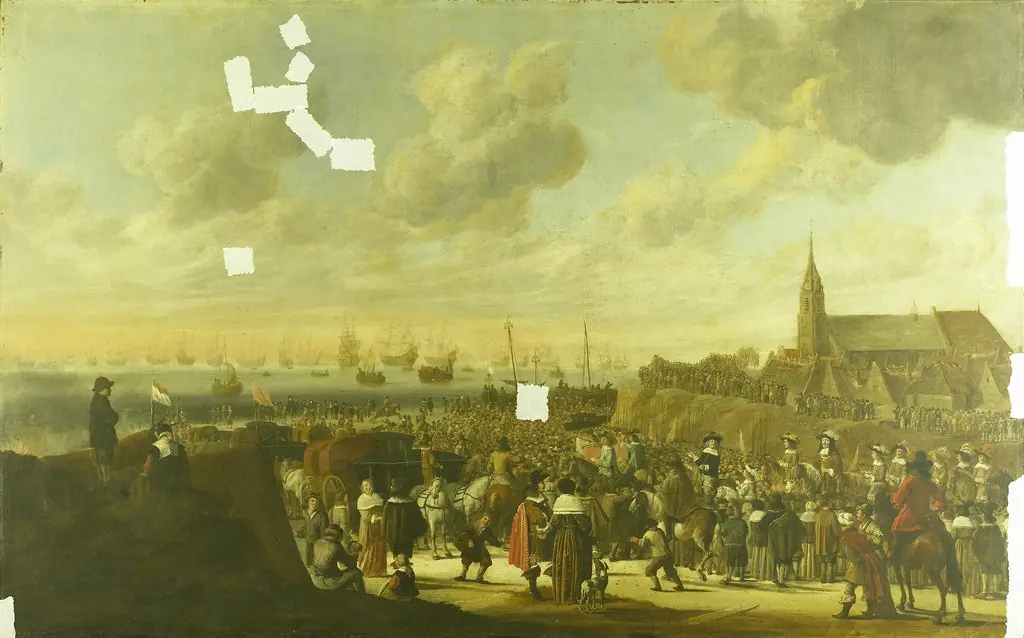
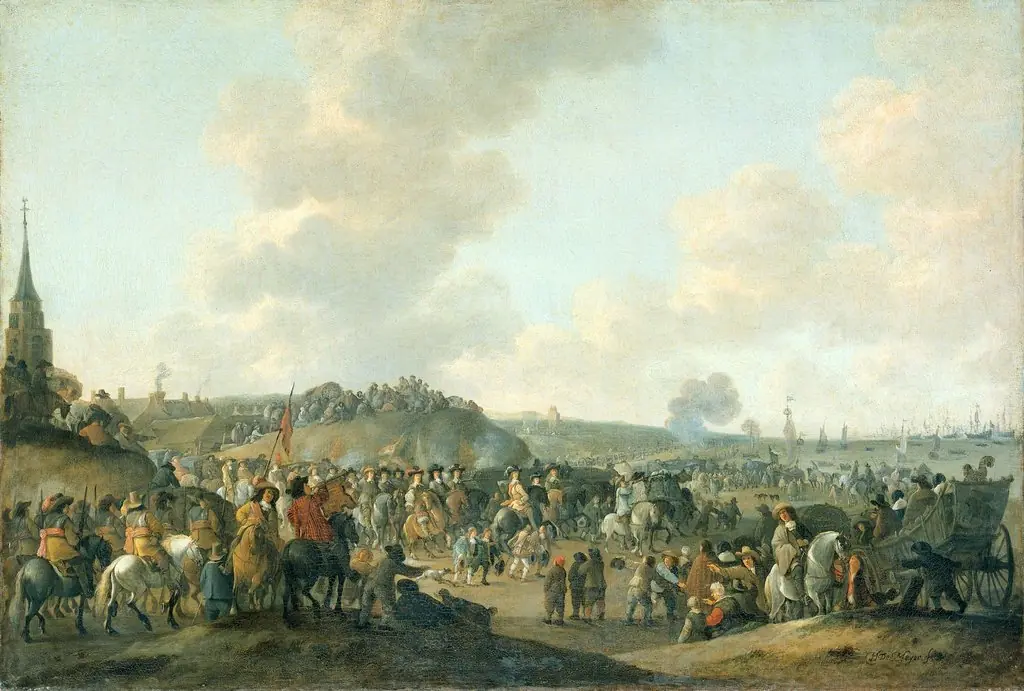 Departure of Charles II of England at Scheveningen, June 2, 1660
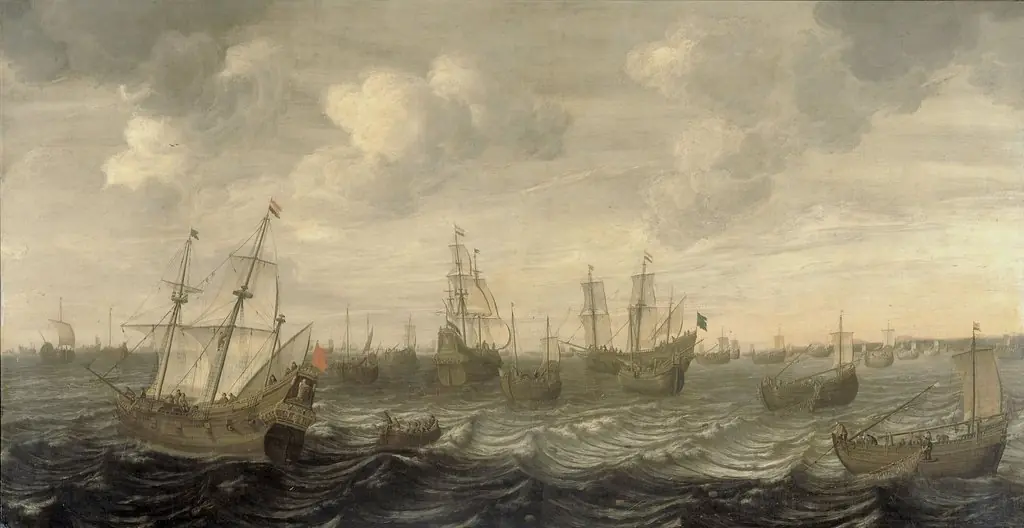
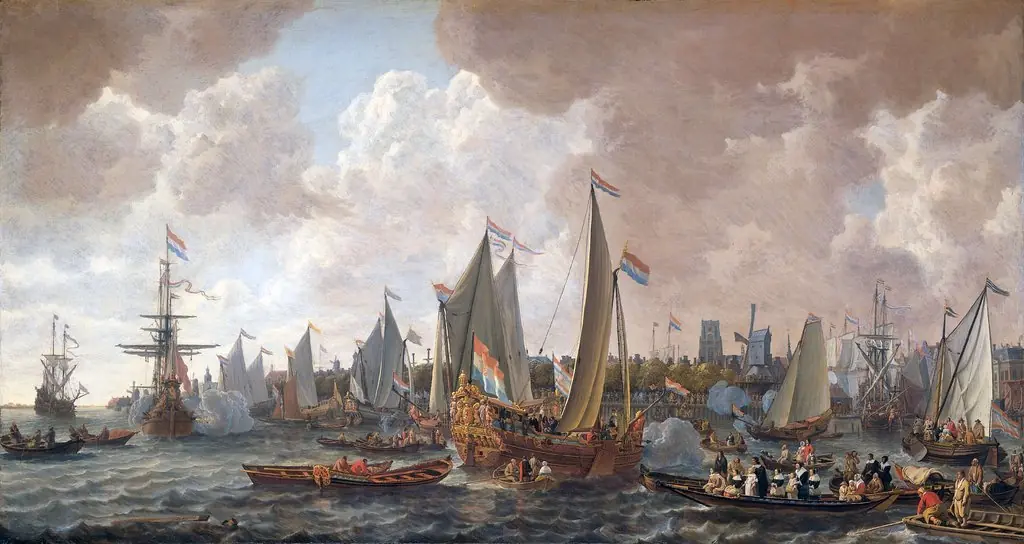 The arrival of King Charles II of England in Rotterdam, 24 May 1660
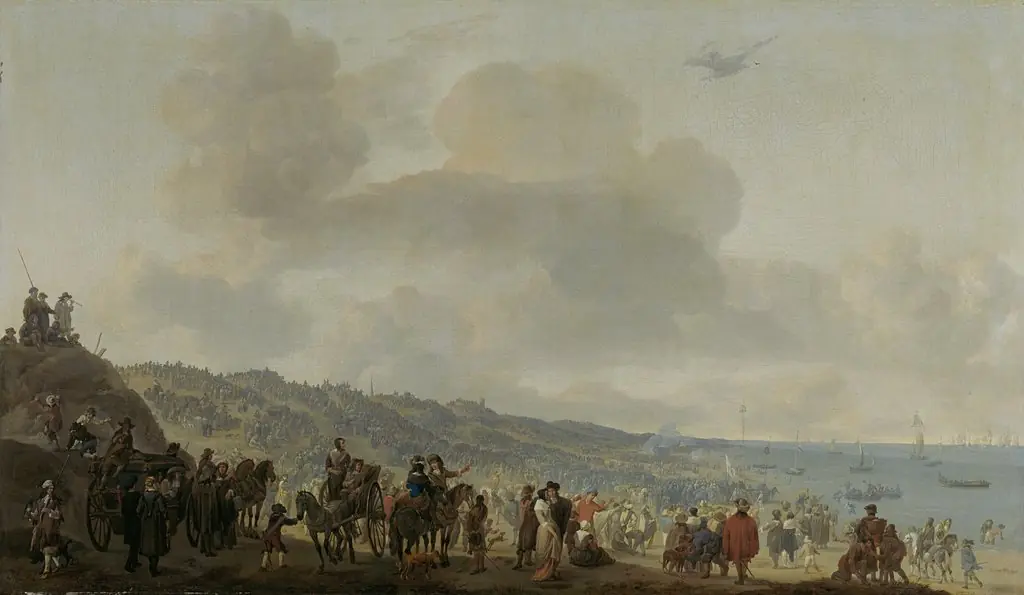 The Departure of Charles II (1630-1685) from Scheveningen, 2 June 1660
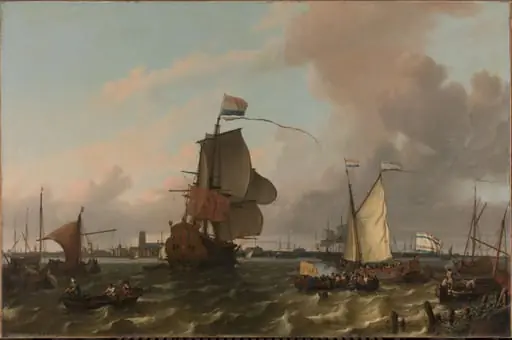 Het oorlogsschip Brielle op de Maas voor Rotterdam
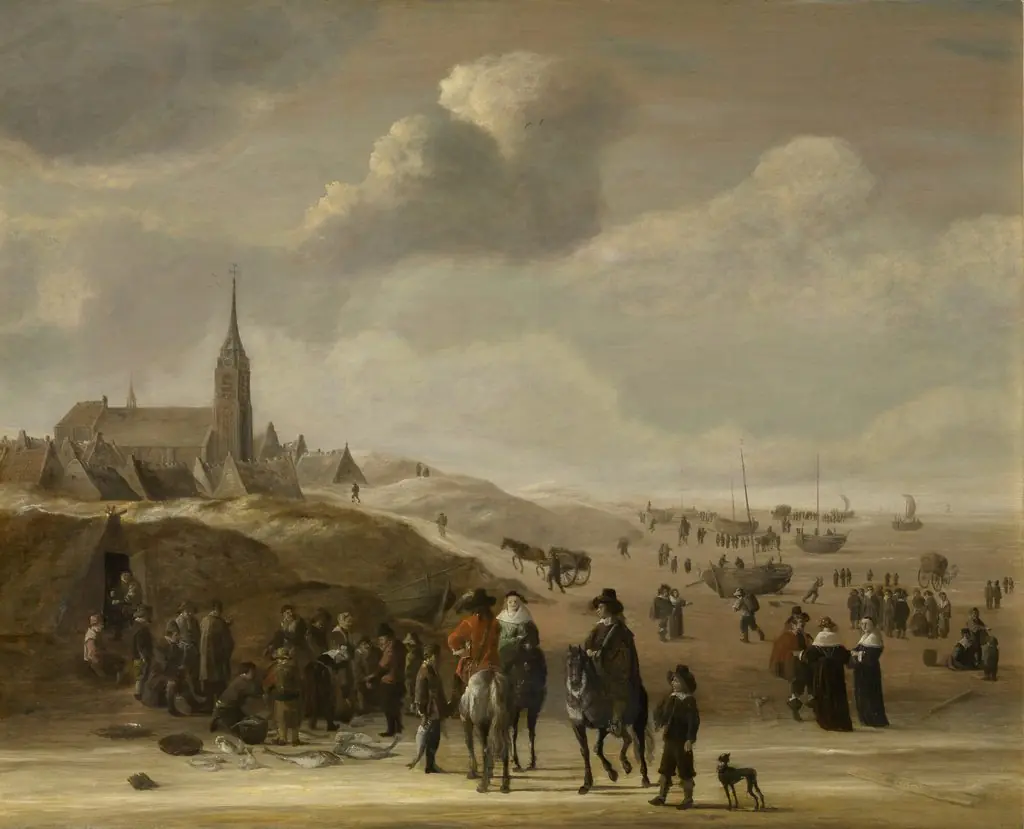
 Charles II (1630-1685) stopping at the Estate of Wema on the Rotte on his Journey from Rotterdam to The Hague, 25 May 1660