Artwork
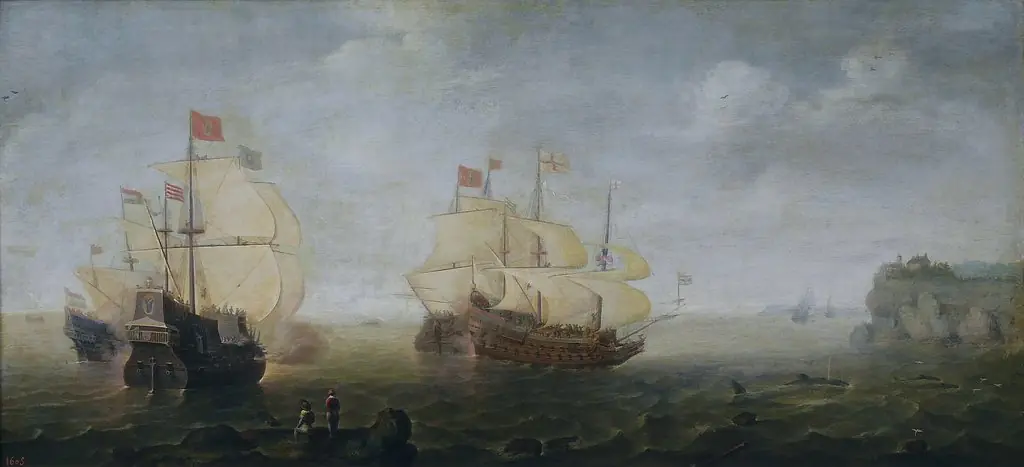
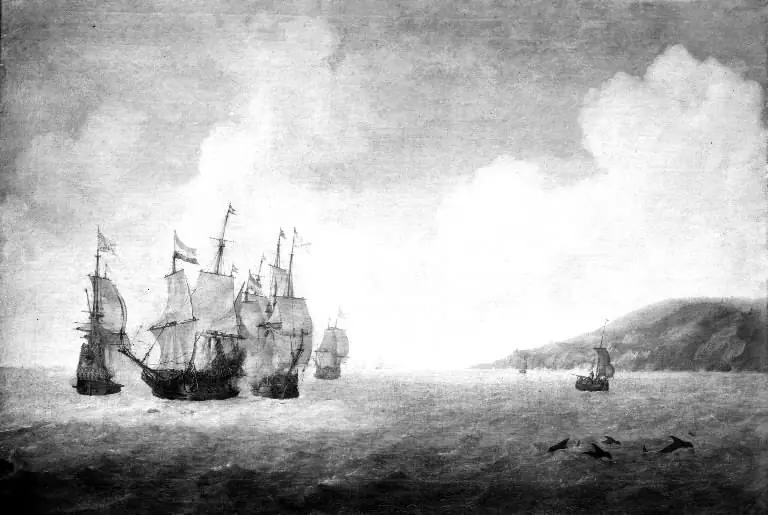
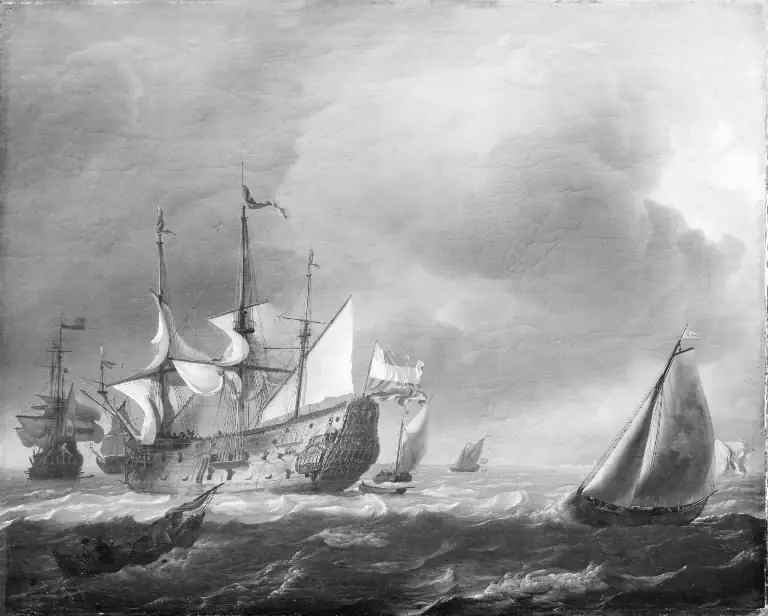
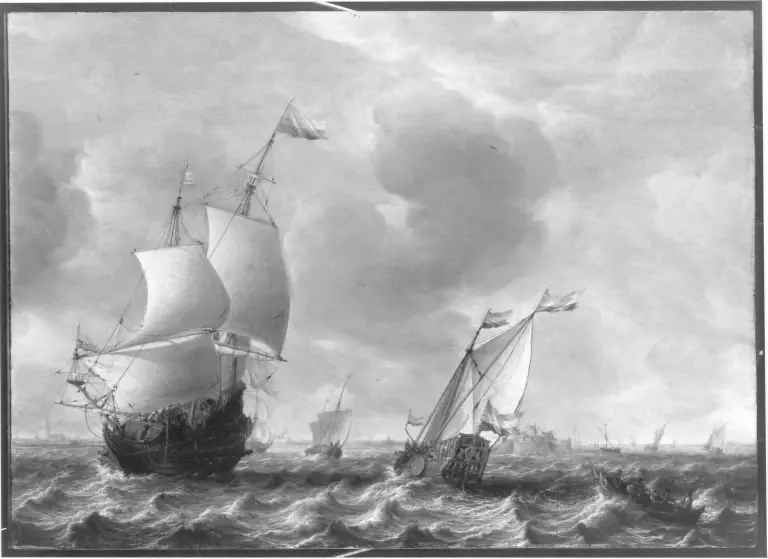
Fight between two Ships on Rough Sea
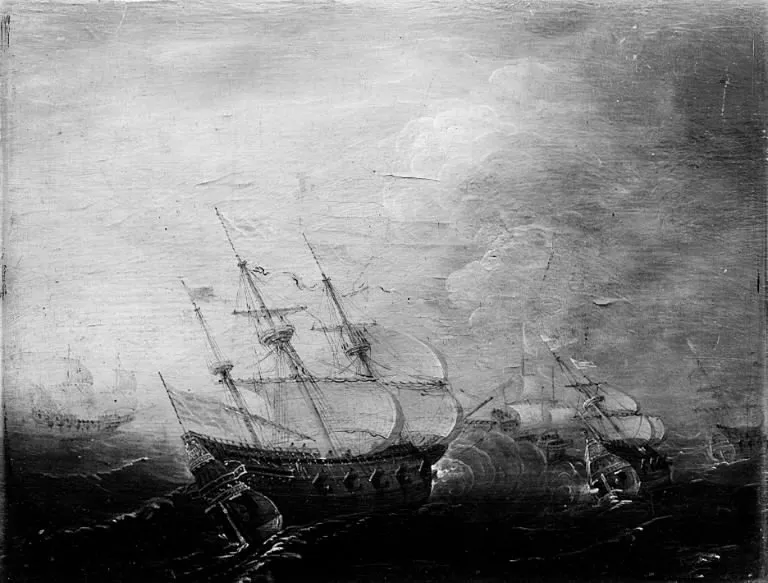
Fight between two Ships on Rough Sea is an unspecified painting by the Dutch Golden Age artist Cornelis Claesz van Wieringen. It dates from 1615 and is held in the collection of the Statens Museum for Kunst.
About this work
Overview
The painting reflects early 17th-century Dutch interest in maritime conflict, rendered with heightened drama and attention to natural forces.
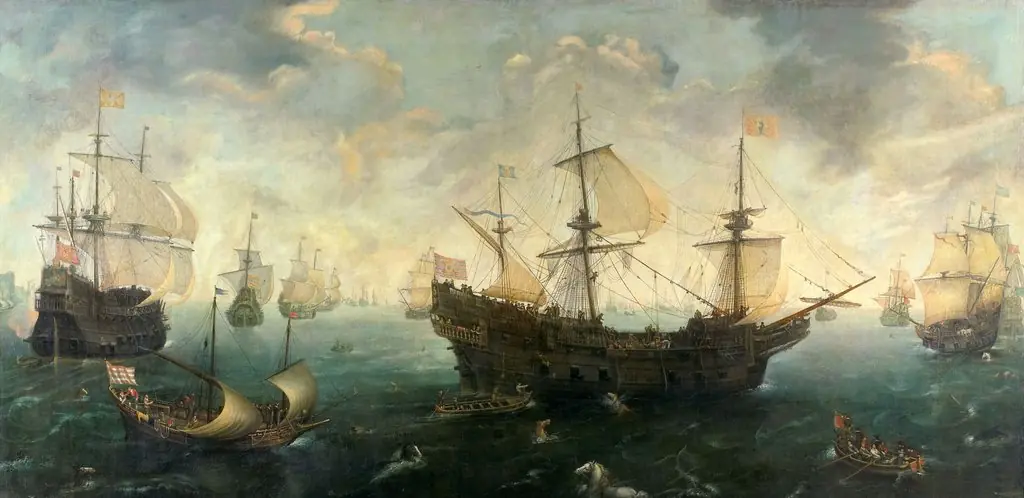
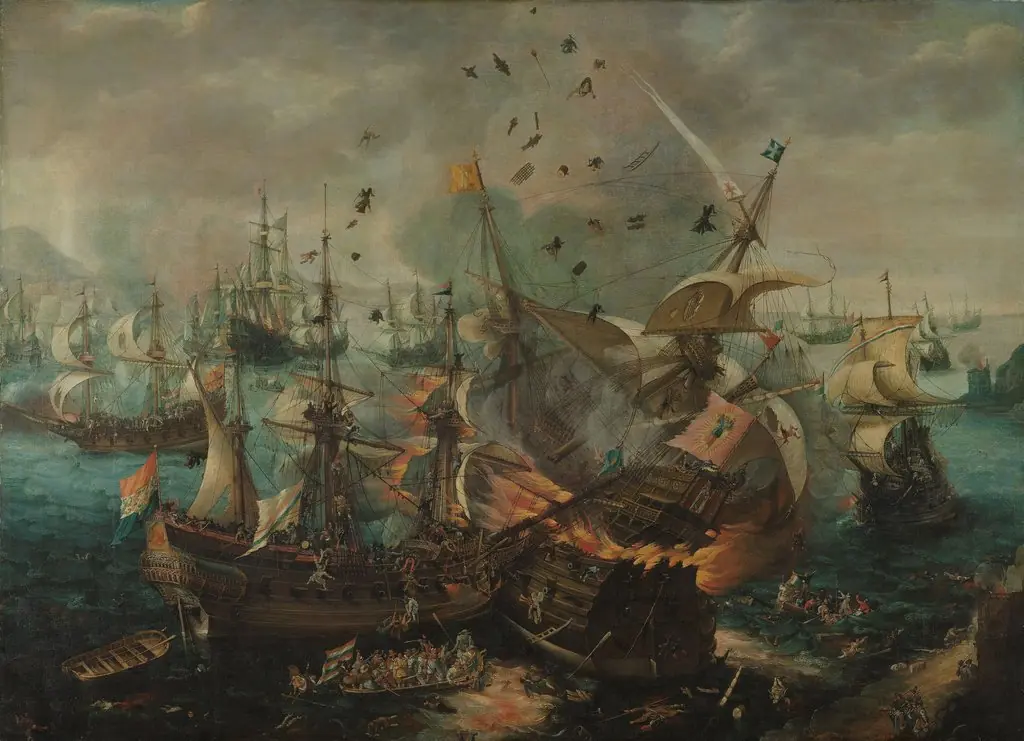
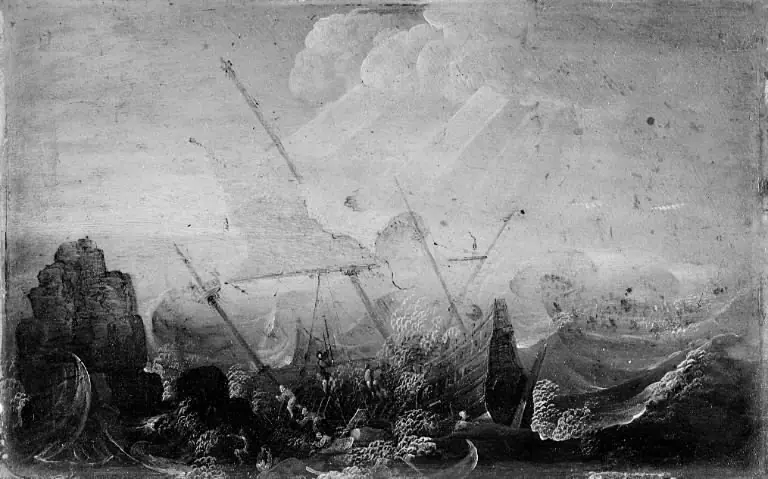
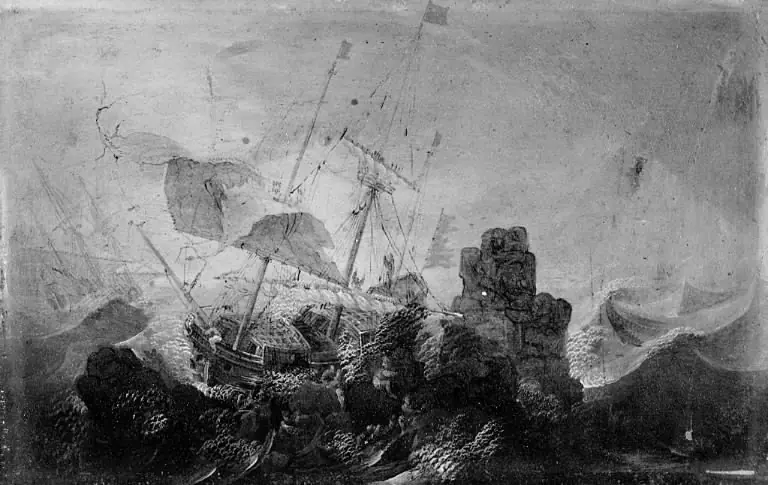
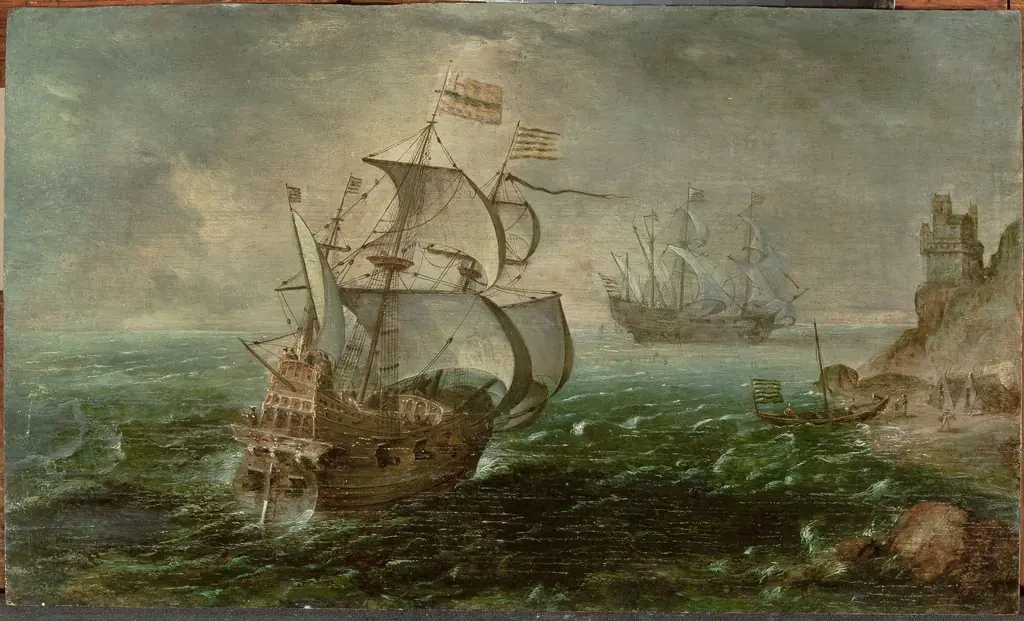
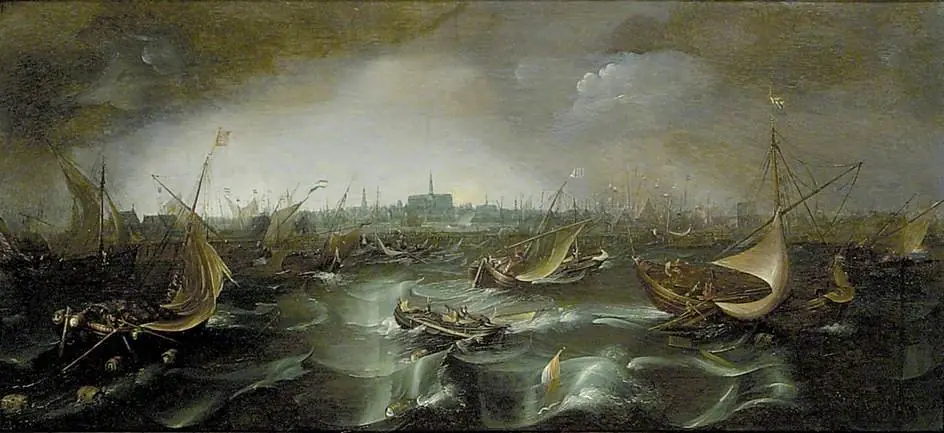
Painted around 1615 by Cornelis Claesz van Wieringen, this work captures a naval engagement amid violent seas. It is part of the collection at Statens Museum for Kunst in Copenhagen. The composition centers on two warships locked in combat, their masts and rigging tangled in motion. The painting reflects early 17th-century Dutch interest in maritime conflict, rendered with heightened drama and attention to natural forces.
Subject & Meaning
The scene portrays a moment of naval warfare, likely inspired by real Dutch conflicts during the Eighty Years' War. One vessel appears critically damaged, listing heavily as waves overwhelm its decks. The struggle is not glorified but presented as a raw encounter with elemental chaos. The painting suggests the fragility of human endeavor against the sea’s power, a theme resonant in a seafaring republic.
Technique & Style
Van Wieringen employs strong chiaroscuro to model the ships and waves, enhancing the three-dimensionality of the turbulent scene. Brushwork is vigorous, particularly in the rendering of foam and spray, which seem to leap from the canvas. The dark, roiling sky contrasts with the whitecaps, creating rhythmic tension. Details in rigging and hulls are precise, indicating close observation of actual vessels and maritime conditions.
History & Provenance
The painting entered the Danish national collection in the 19th century, though its earlier ownership is undocumented. It was likely commissioned by a Dutch patron with ties to naval affairs, given its specificity and lack of mythological reference. Its survival into modern times is notable, as many similar works from this period were lost to decay or war.
Context
Created during the Dutch Golden Age, the painting aligns with a broader cultural fascination with seafaring and naval power. The Netherlands, newly independent and economically reliant on maritime trade, produced artists who documented both the glory and peril of oceanic life. This work stands apart from idealized seascapes by focusing on conflict rather than commerce or calm.
Legacy
Van Wieringen’s painting contributed to the development of Dutch marine art by emphasizing dynamic action over serene horizons. Though less known than later artists like Willem van de Velde, his work influenced contemporaries in depicting the sea as an active, dangerous force. It remains a significant early example of naval realism in Northern European painting.
Artist & collection
Artist
Cornelis Claesz van Wieringen (1577–1633) was an artist, born in Haarlem.