Artwork
Self portrait
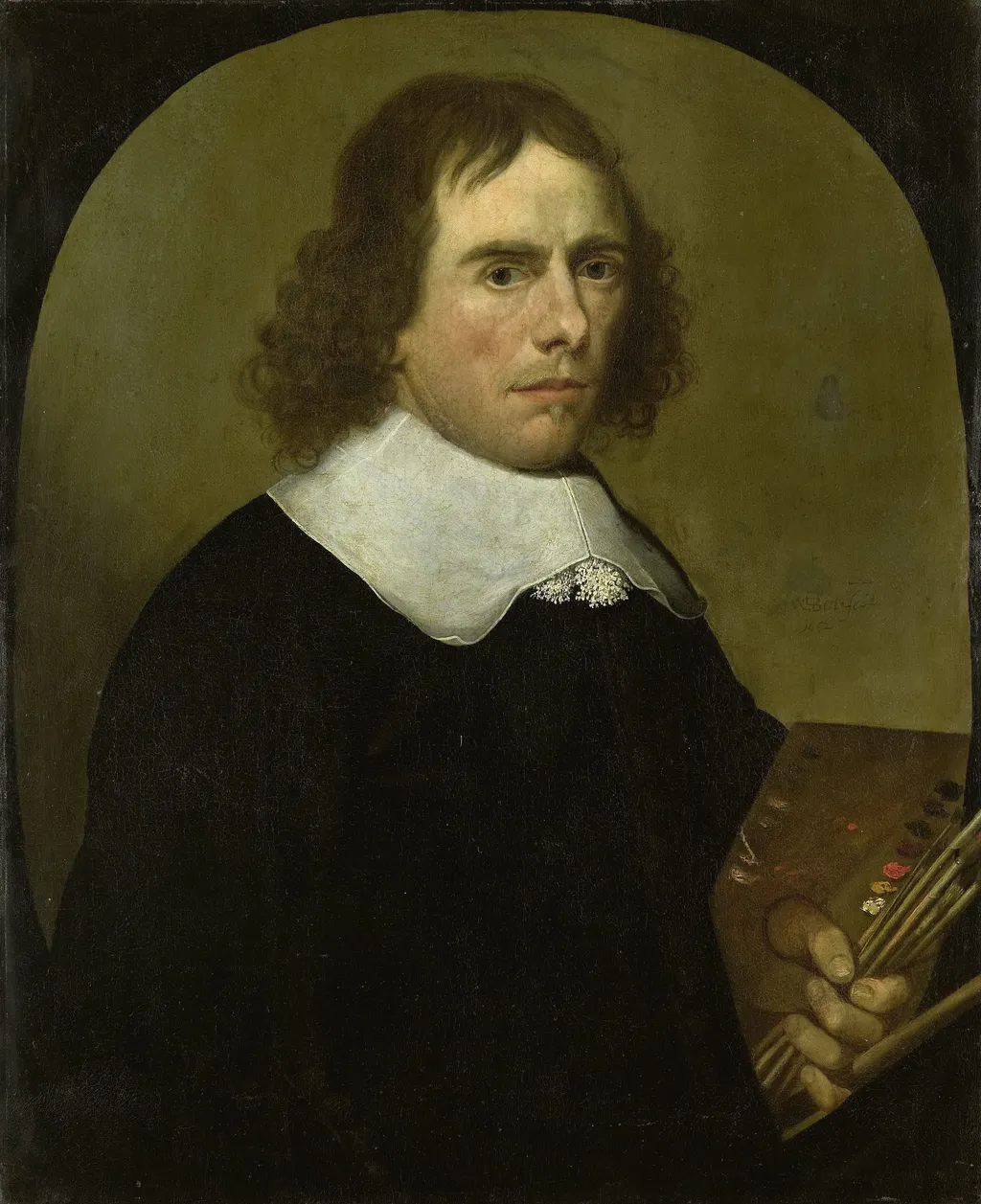
Self portrait is an oil painting by the Dutch Golden Age artist Cornelis de Beet. It dates from 1652 and is held in the collection of the Rijksmuseum.
About this work
Overview
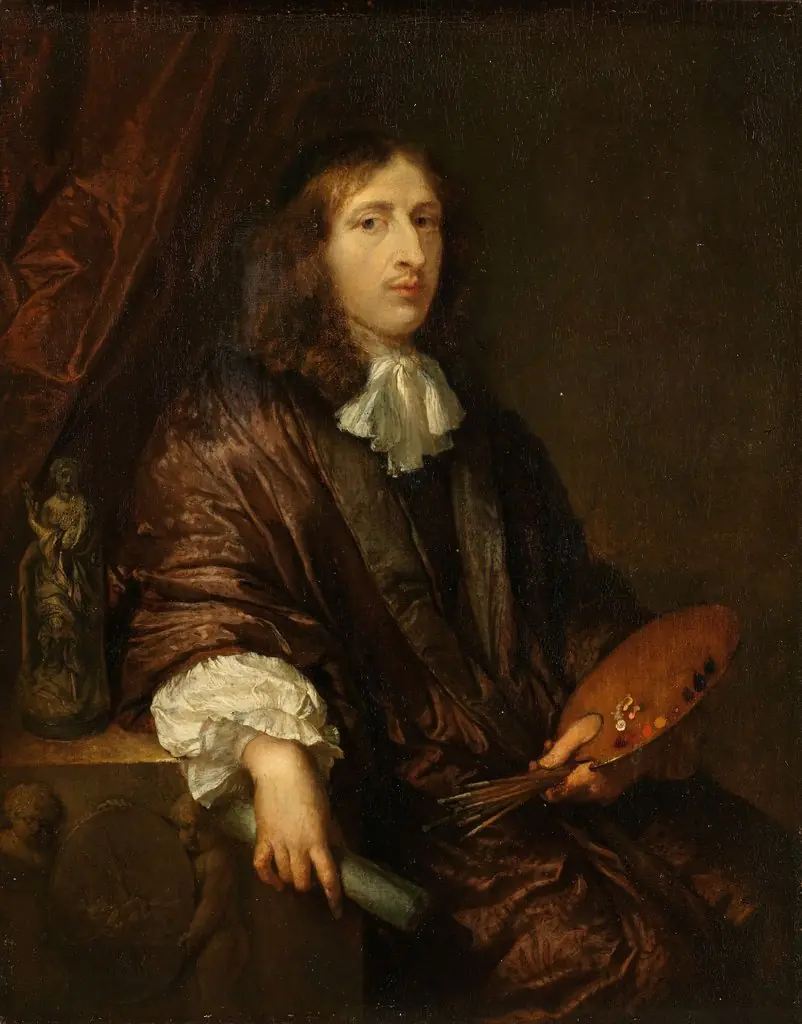
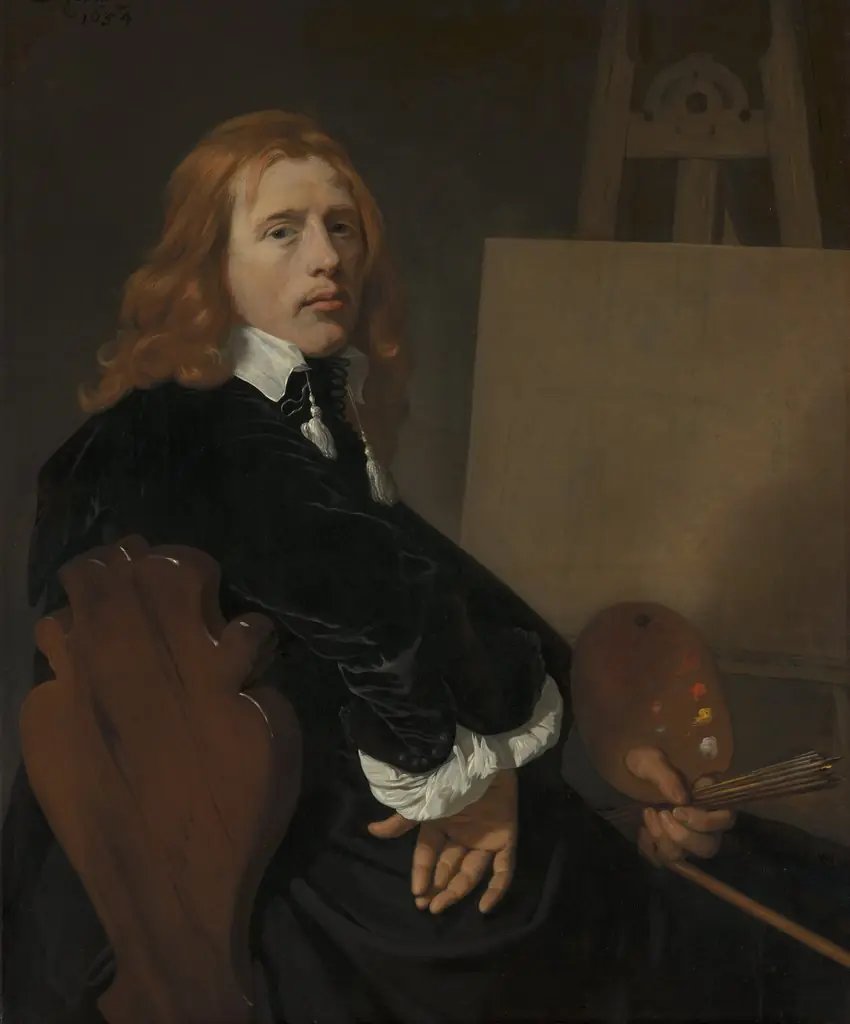
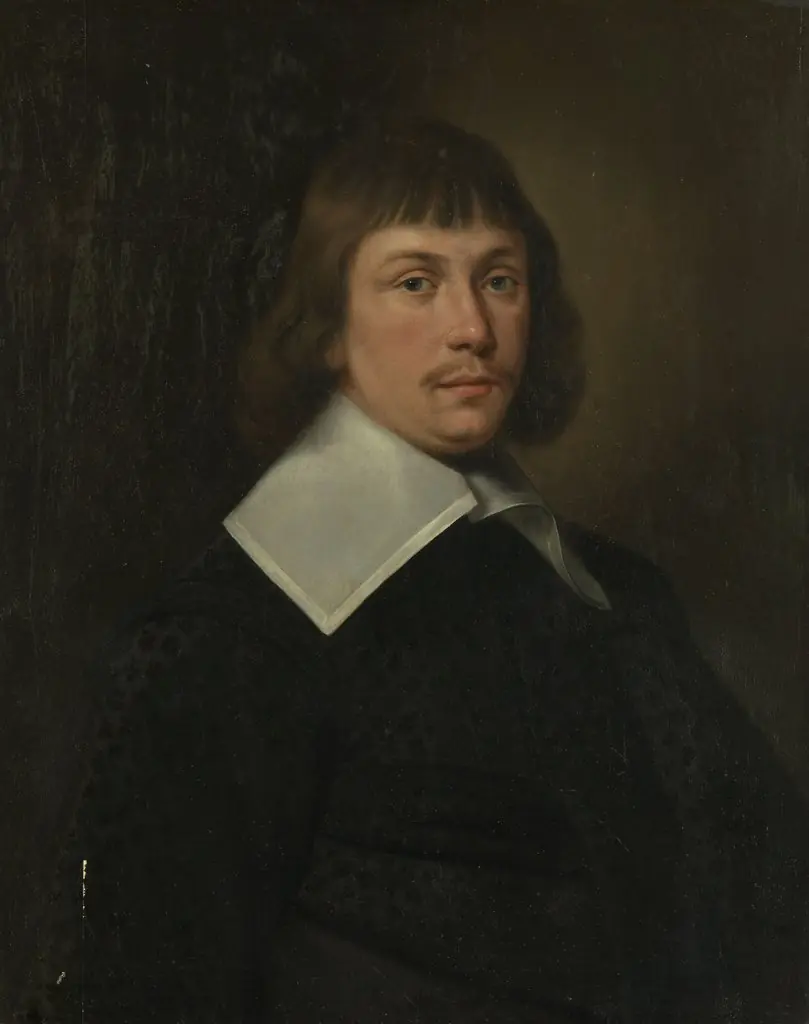
Created in 1652, this oil self‑portrait presents the Dutch painter Cornelis de Beet at work. The canvas is part of the Rijksmuseum’s collection, where it is displayed among other seventeenth‑century Dutch works. The composition centers the artist’s face and upper body against a muted background, emphasizing his presence as both subject and creator.
Subject & Meaning
The sitter is identified as de Beet himself, shown with curly hair, a solemn expression, and attire typical of a mid‑17th‑century gentleman—a black coat and a white lace collar. By holding a brush and palette, the painting underscores his professional identity, offering a visual statement about the status of the artist within his own society.
Technique & Style
Executed in oil on canvas, the work employs chiaroscuro to model the facial features, with light striking the cheekbones and forehead while the surrounding darkness recedes. The brushwork is restrained, focusing on precise rendering of the lace collar and the texture of the coat, while the plain backdrop serves to isolate the figure.
History & Provenance
Since its completion in 1652, the portrait has remained in the Netherlands, eventually entering the Rijksmuseum’s holdings. Documentation traces its acquisition to the museum’s early 20th‑century collection efforts, where it was catalogued as a representative example of Dutch self‑portraiture from the period.
Context
During the Dutch Golden Age, self‑portraiture functioned as a means for artists to assert their craftsmanship and social standing. De Beet’s depiction aligns with contemporary conventions, presenting the painter as a respectable, learned individual, while the modest setting reflects the period’s preference for personal rather than allegorical representation.
Artist & collection

Artist
Dutch painter Cornelis de Biet left two small oil self portraits from 1652. Both show the artist in a dark coat with the faintest brush of white collar, his face lit from the side so one cheek catches the light. He…