Artwork
Self portrait
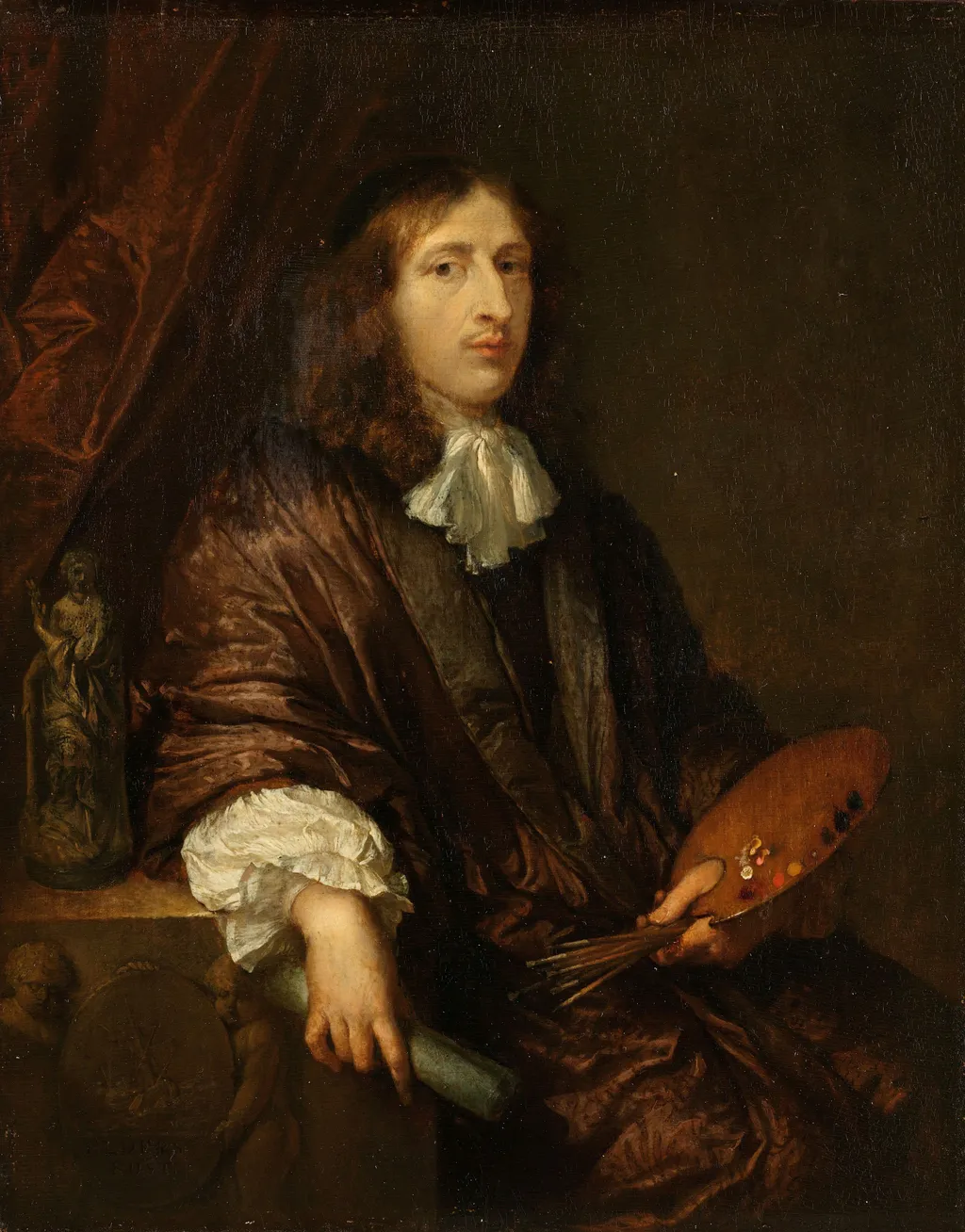
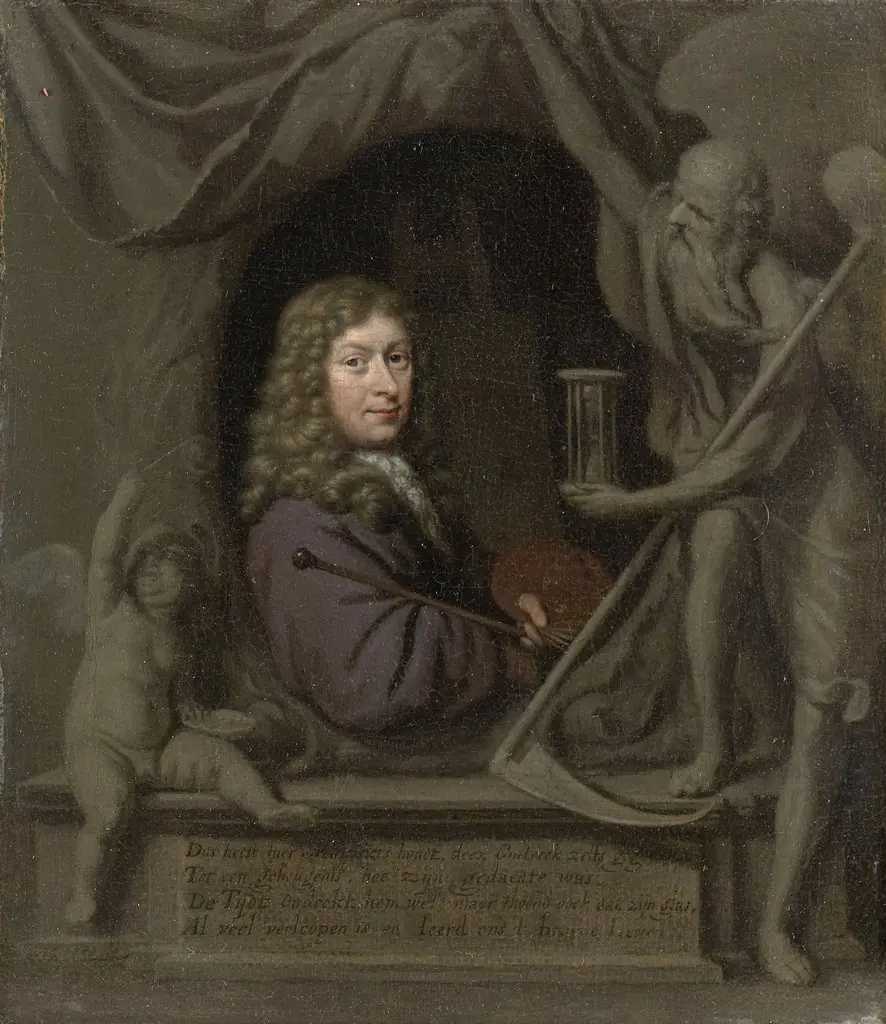
Self portrait is an oil painting by the Dutch Golden Age artist Caspar Netscher. It dates from 1672 and is held in the collection of the Rijksmuseum.
About this work
Overview
It reflects the conventions of the era, where artists depicted themselves with the tools of their trade to emphasize their craft and intellectual standing.
Caspar Netscher's Self-Portrait, executed in 1672, presents the artist in a three-quarter view, seated and holding a palette and brush in his right hand. The composition is defined by a strong chiaroscuro effect, where a focused light source illuminates the sitter's face and the white lace cuffs of his shirt, contrasting sharply with the dark brown coat and the shadowed background. Behind the figure, a heavy dark curtain partially conceals a draped statue, a motif often used in Dutch Golden Age portraiture to allude to artistic lineage or classical ideals. Painted in oil on canvas, the work demonstrates Netscher's characteristic technical refinement, particularly in the smooth blending of the skin tones and the delicate rendering of the lace. Created during the height of his career in The Hague, this image serves as a professional declaration of his status as a skilled portraitist. It reflects the conventions of the era, where artists depicted themselves with the tools of their trade to emphasize their craft and intellectual standing. The painting remains a significant example of Netscher's ability to combine realistic detail with a dignified, composed atmosphere.
Subject & Meaning
The figure portrayed is Netscher himself, presented as a professional artist at work. By holding his tools and looking directly at the viewer, he emphasizes his identity and status within the artistic community of the Dutch Golden Age. The calm expression suggests confidence and a contemplative approach to his craft.
Technique & Style
Rendered in oil on canvas, the portrait displays smooth, blended brushwork, particularly on the skin tones, creating a lifelike surface. Light falls on the sitter’s face, while the background recedes into shadow, employing chiaroscuro to model form and give depth. The careful rendering of textures—fabric, lace, and the metallic palette—demonstrates Netscher’s meticulous technique.
History & Provenance
Since its completion in the late 17th century, the painting has remained in Dutch collections, eventually entering the Rijksmuseum’s holdings. The museum acquired the work as part of its effort to represent the period’s portraiture and to preserve Netscher’s contribution to Dutch art history.
Own this work as a print
Artist & collection

Artist
Caspar Netscher was a Dutch painter. He was a master in depicting oriental rugs, silk and brocade and introduced an international style to the Northern Netherlands.

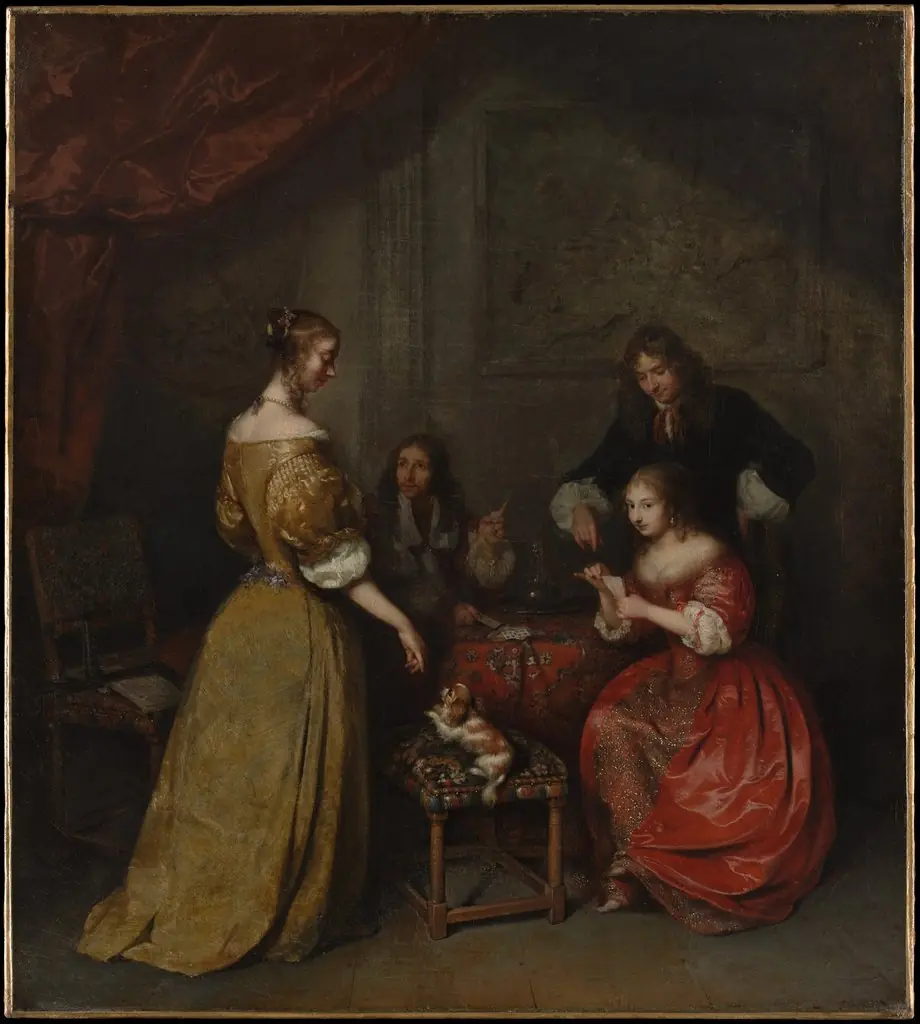 The Card Party
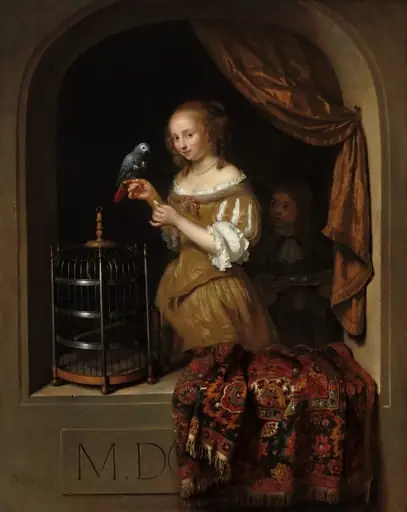 A Woman Feeding a Parrot, with a Page
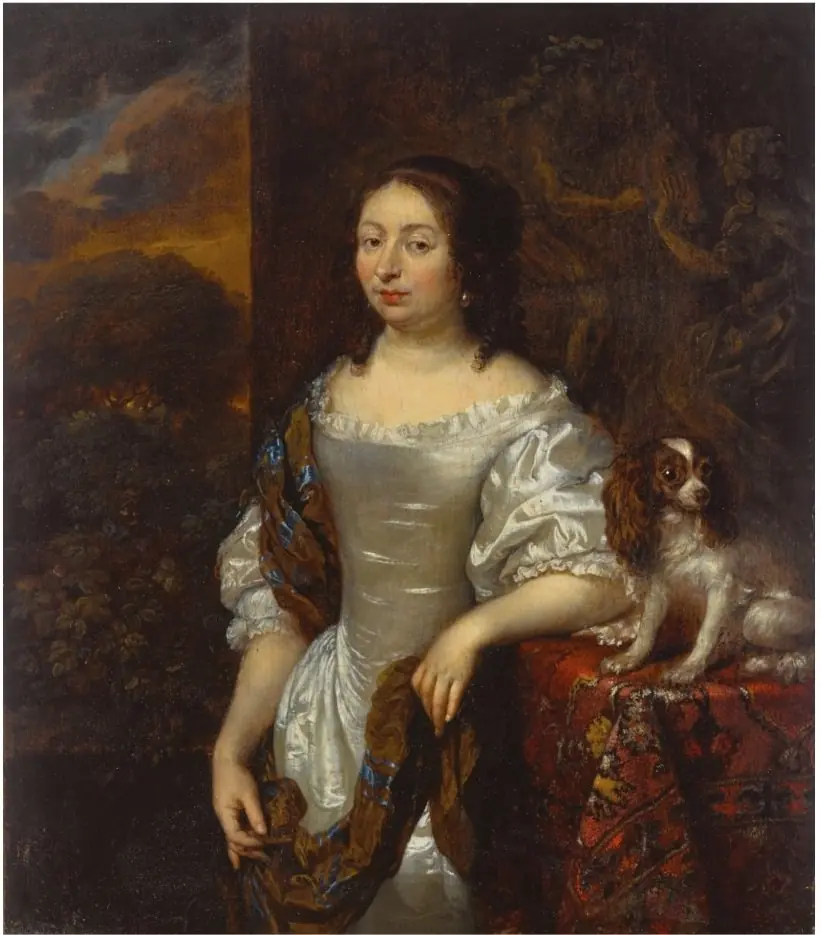 Portrait of a Lady with a Dog on a Table
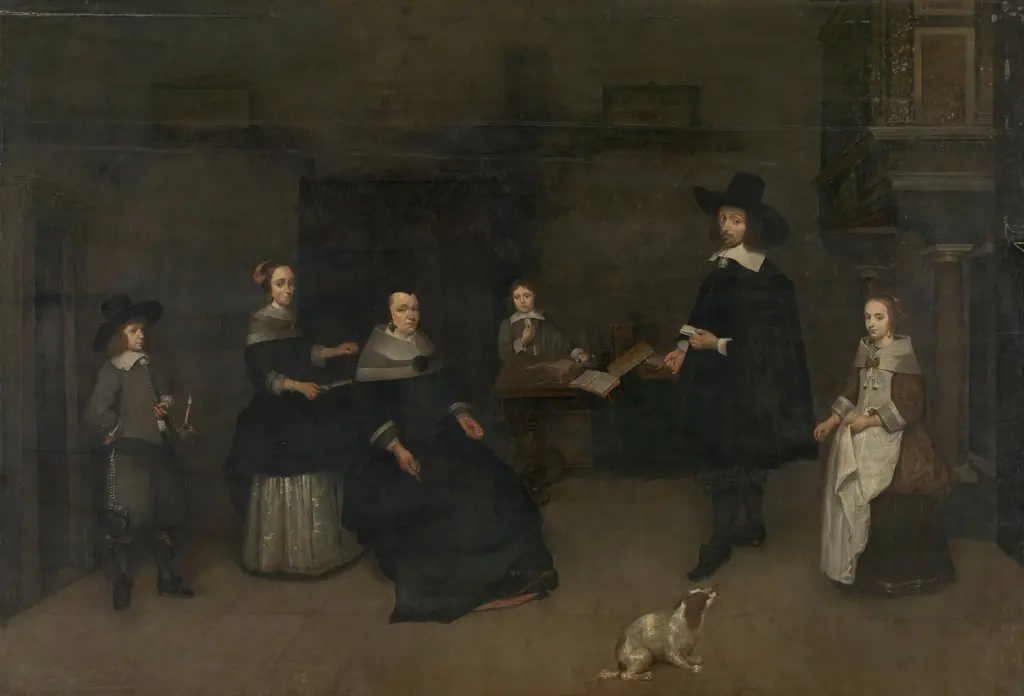 Family scene
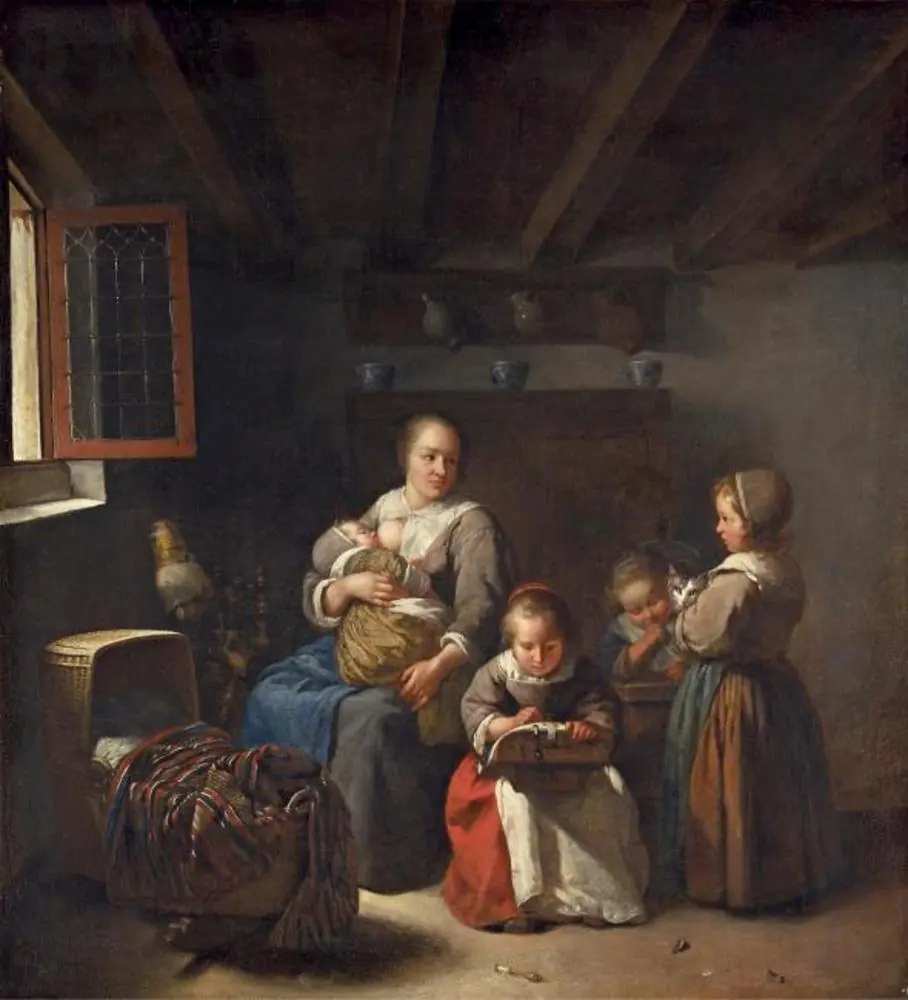 Nursing mother with three girls
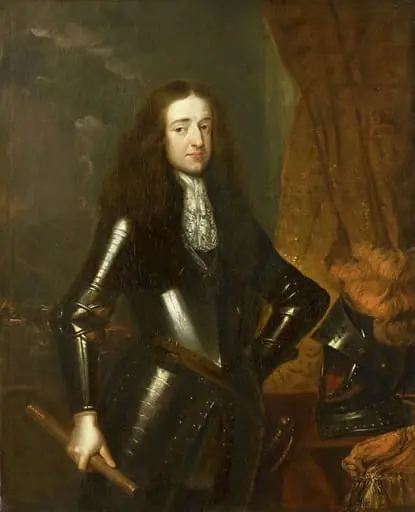 Portrait of Willem III (1650-1702), Prince of Orange and since 1689, King of England
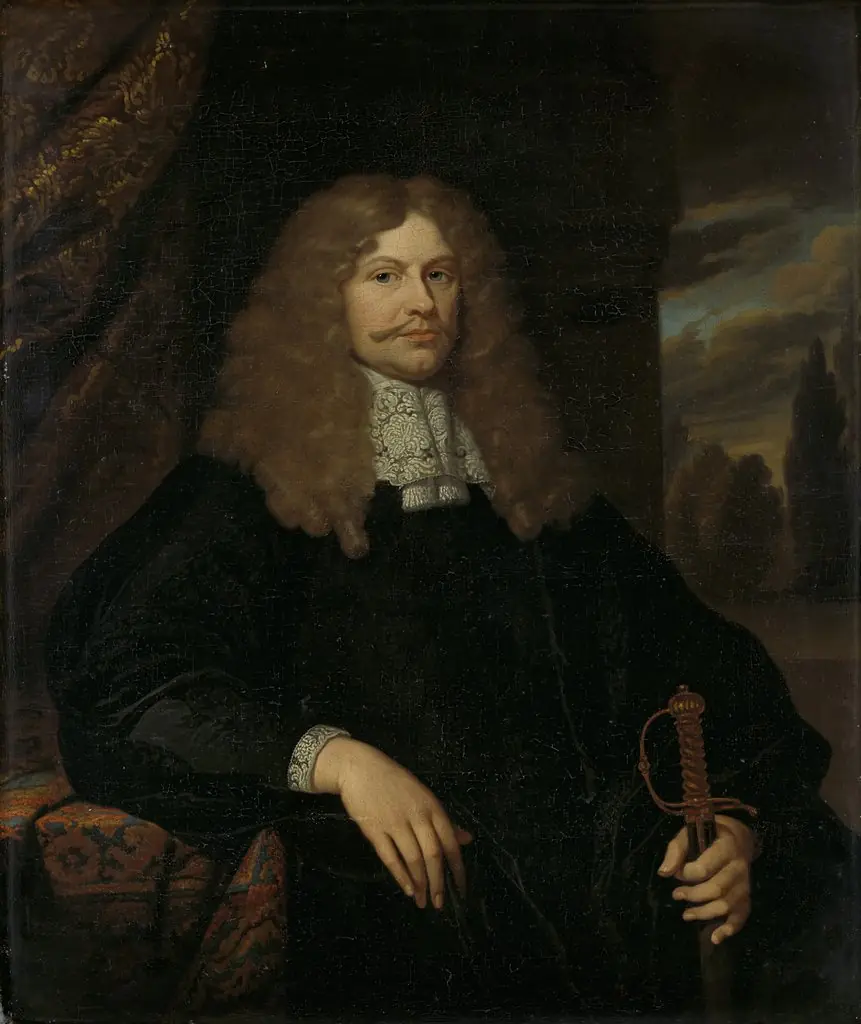 Portrait of Cornelis Backer (1633-81), councillor, alderman, and colonel of the Amsterdam militia
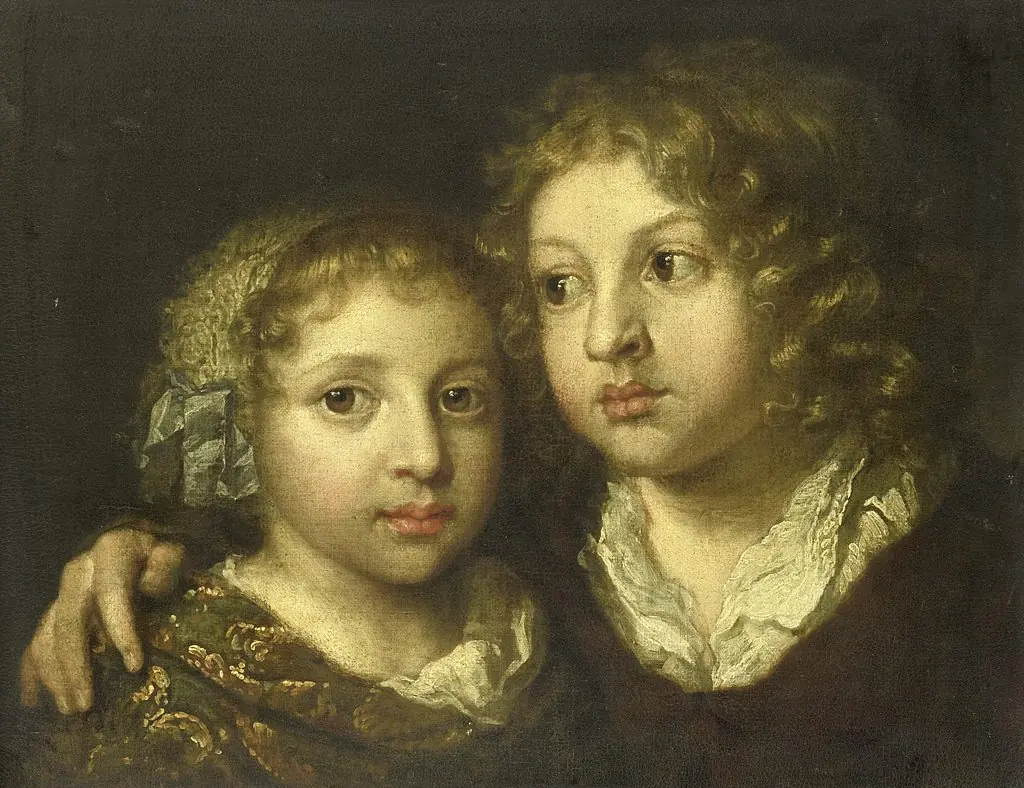 A daughter and a son (Constantijn?) of the artist