Artwork
Landscape with Cattle and Figures
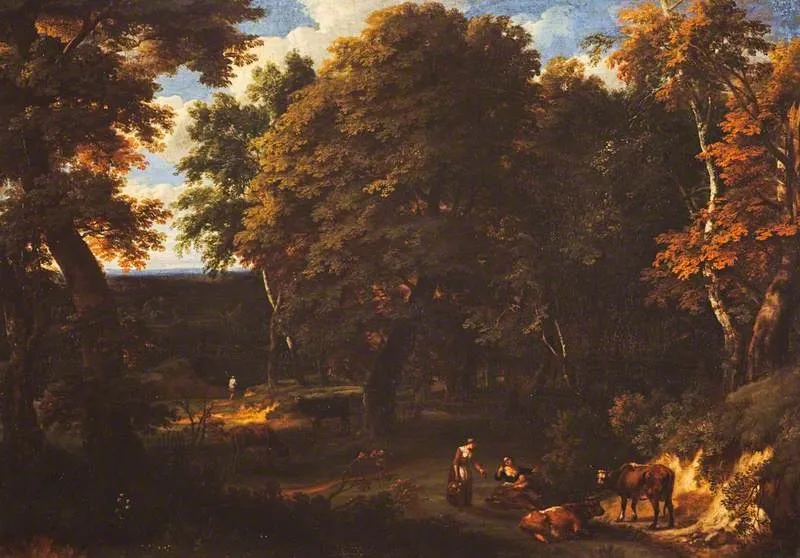
Landscape with Cattle and Figures is an oil painting by the Dutch Golden Age artist Cornelis Huysmans. It dates from 1700 and is held in the collection of the National Galleries Scotland.
About this work
Overview
Active across Antwerp, Brussels, and Mechelen, Huysmans specialized in compositions that blended Northern European detail with imagined Italianate topography.
Painted in 1700 by Cornelis Huysmans, this oil-on-canvas landscape reflects the Flemish tradition of idealized rural scenes. Active across Antwerp, Brussels, and Mechelen, Huysmans specialized in compositions that blended Northern European detail with imagined Italianate topography. The work is part of a broader 17th-century trend in Dutch and Flemish painting that elevated pastoral life into contemplative visual narratives.
Subject & Meaning
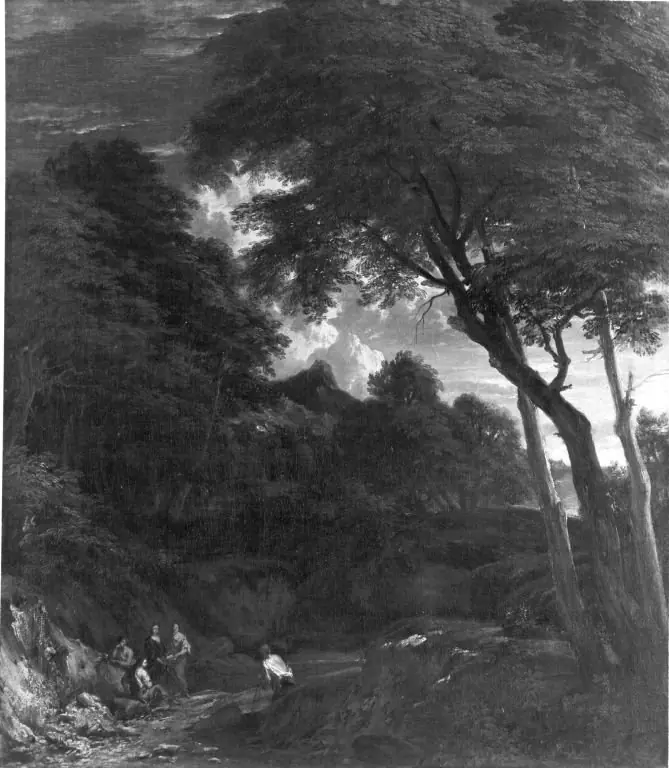
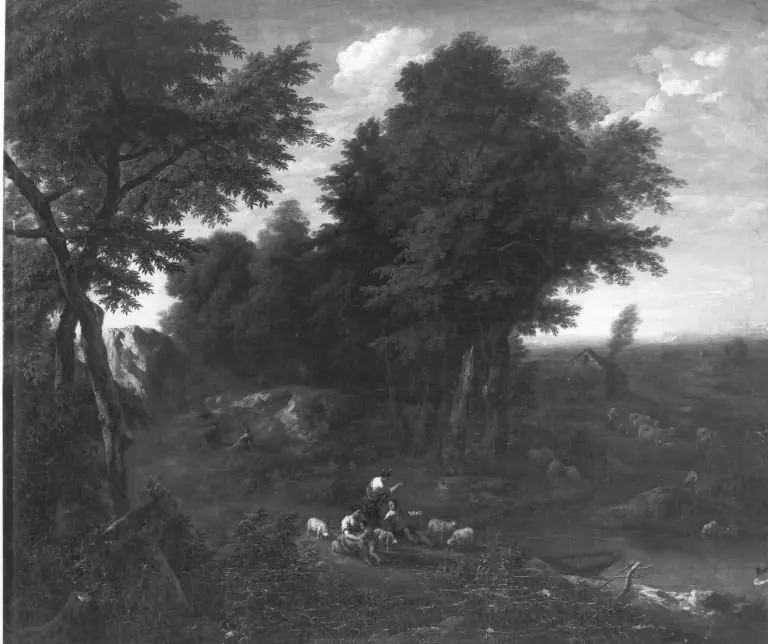
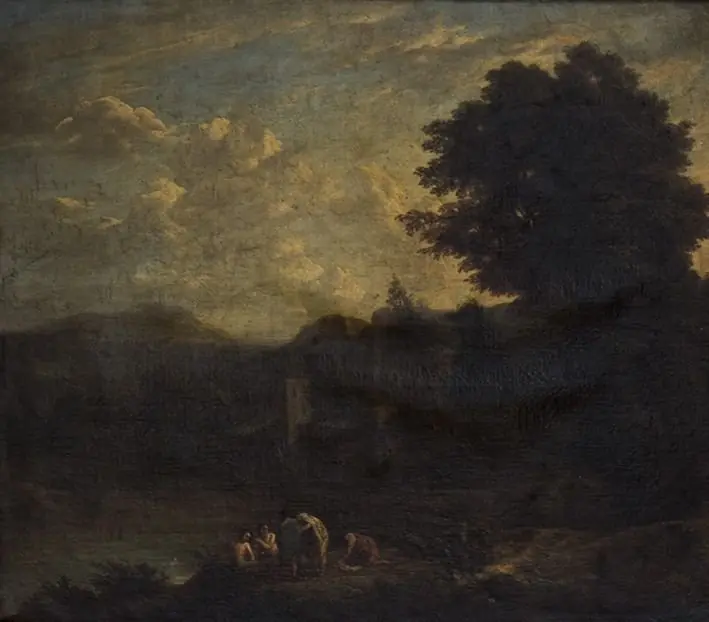
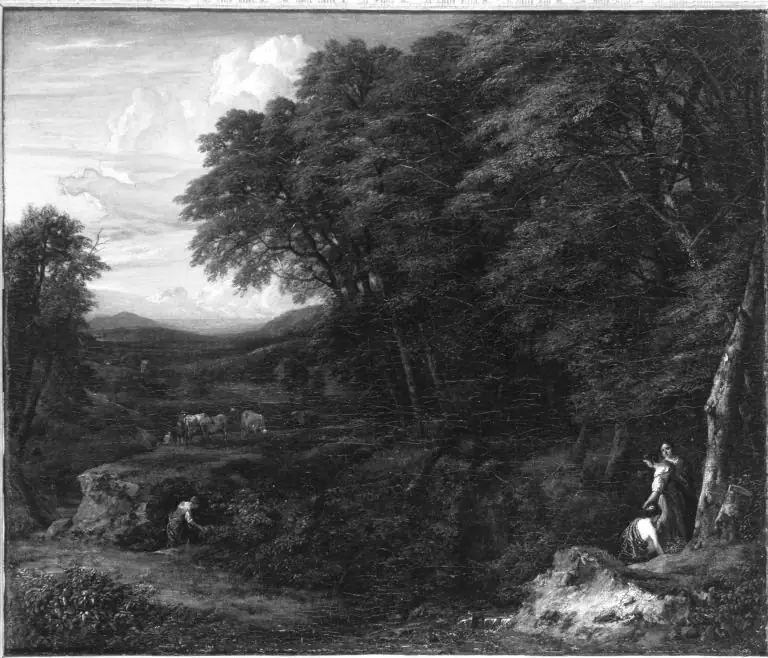
The scene portrays a quiet countryside where cattle graze undisturbed and figures move with subdued purpose—herders, travelers, or laborers engaged in daily routines. No dramatic event interrupts the stillness; instead, the painting conveys harmony between humans, animals, and nature. The absence of narrative tension invites quiet reflection, aligning with contemporary ideals of order and balance in the natural world.
Technique & Style
Huysmans employed layered oil glazes to build depth, using warm earth tones in the foreground that gradually cool toward the hazy horizon. Soft transitions between light and shadow suggest atmospheric perspective, while delicate brushwork defines foliage and animal forms. His approach echoes the compositional discipline of Poussin, yet retains the textured realism characteristic of Flemish landscape practice.
History & Provenance
The painting entered the collection of the Scottish National Gallery in the 19th century, though its earlier ownership remains undocumented. It was likely acquired during a period of increased interest in Flemish Old Masters among British collectors. Its preservation in good condition reflects consistent care, though no records detail its journey from Huysmans’ studio to its current home.
Context
In the early 1700s, landscape painting in the Low Countries had evolved beyond topographical accuracy into idealized visions of nature. Huysmans’ pseudo-Italianate style responded to elite tastes for classical serenity, blending local observation with borrowed motifs from Italianate traditions. His work occupied a middle ground between Dutch realism and French academic idealism, appealing to collectors seeking both familiarity and refinement.
Legacy
Huysmans’ landscapes, though not widely celebrated today, contributed to the persistence of pastoral themes in Northern European art. His synthesis of Flemish detail with Italianate composition influenced regional painters who sought to elevate everyday scenes into timeless visions. The painting remains a representative example of how landscape art functioned as a vehicle for quiet contemplation in the early 18th century.
Artist & collection
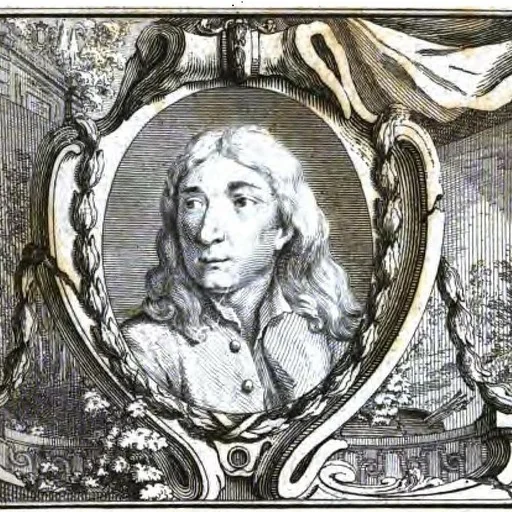
Artist
Cornelis Huysmans (baptized 2 April 1648 in Antwerp; died 1 June 1727 in Mechelen) was a Flemish landscape painter who was active in Antwerp, Brussels and Mechelen.

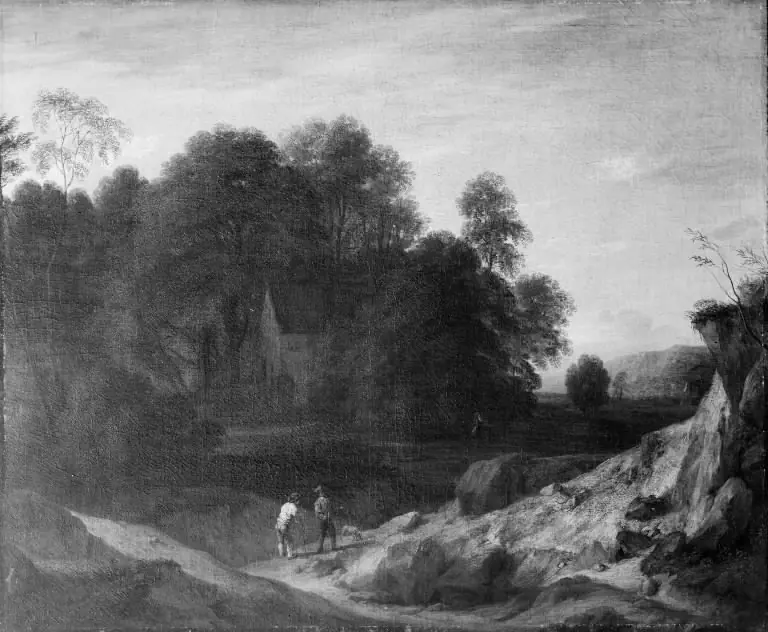
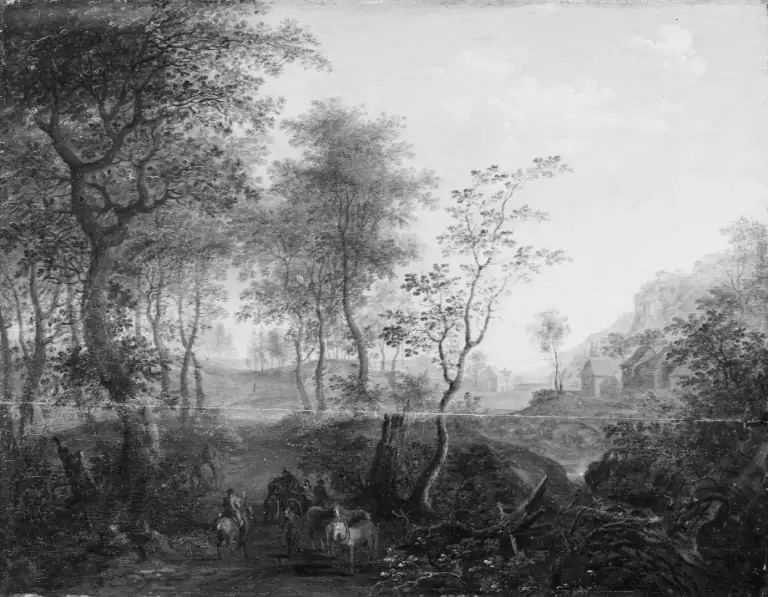
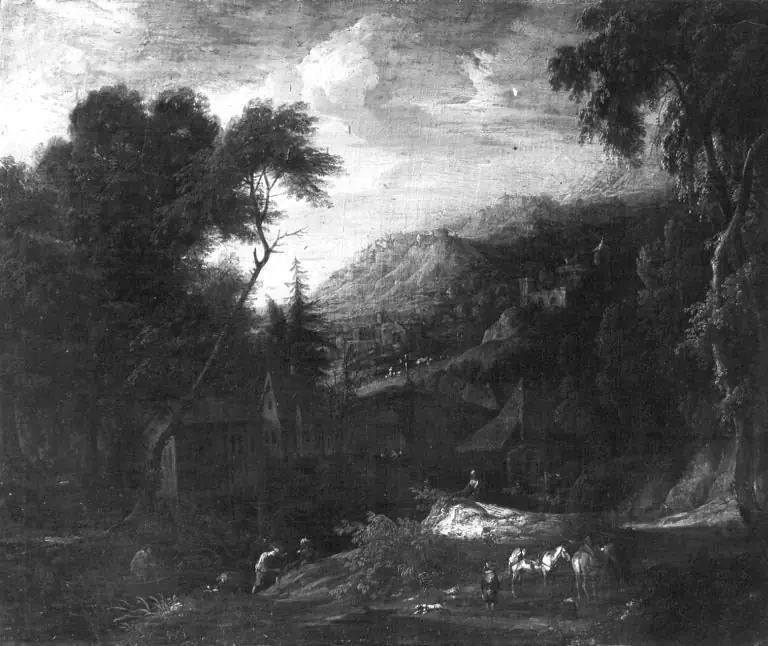
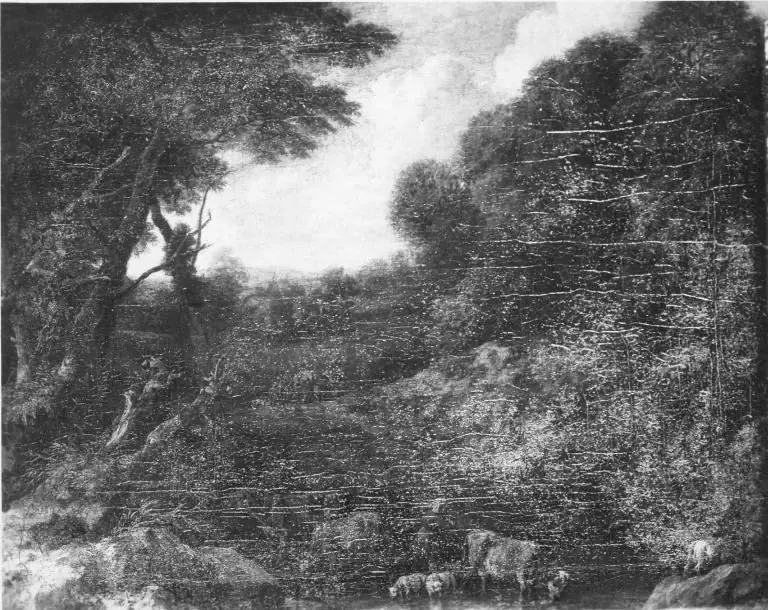
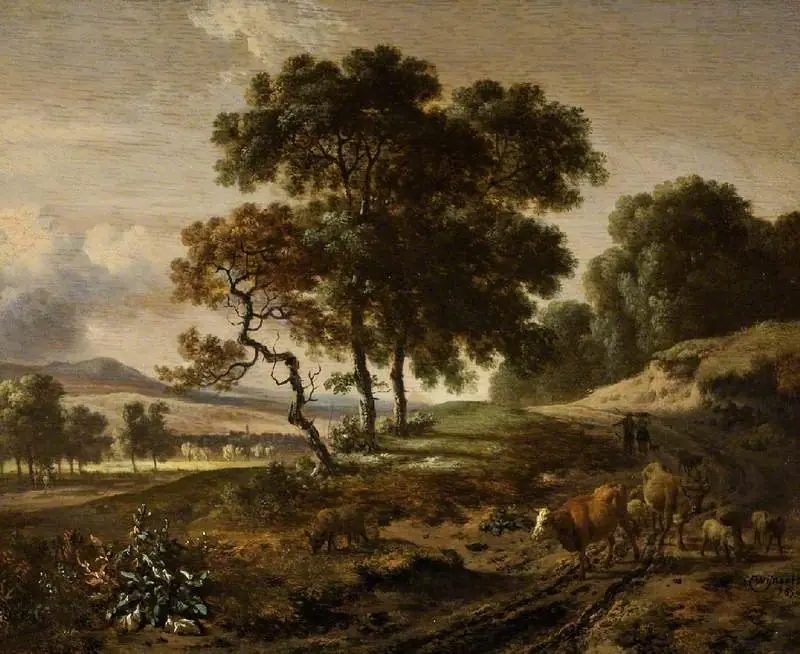 Landscape with cattle
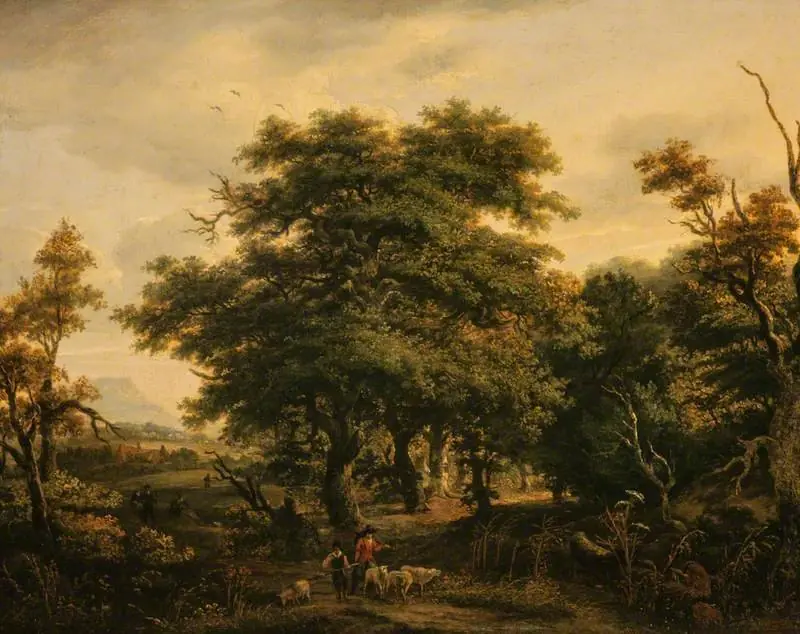 Woody Landscape with Figures and Sheep
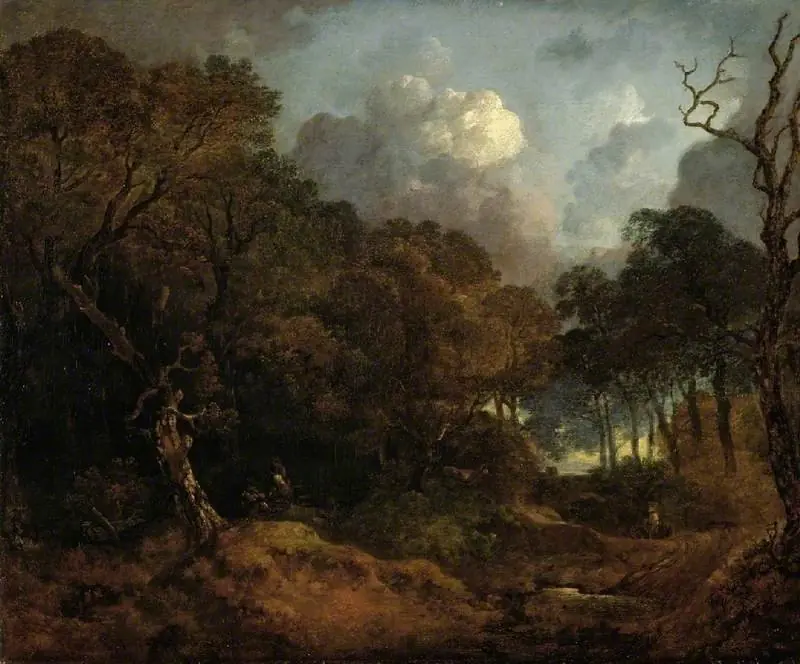 A forest road
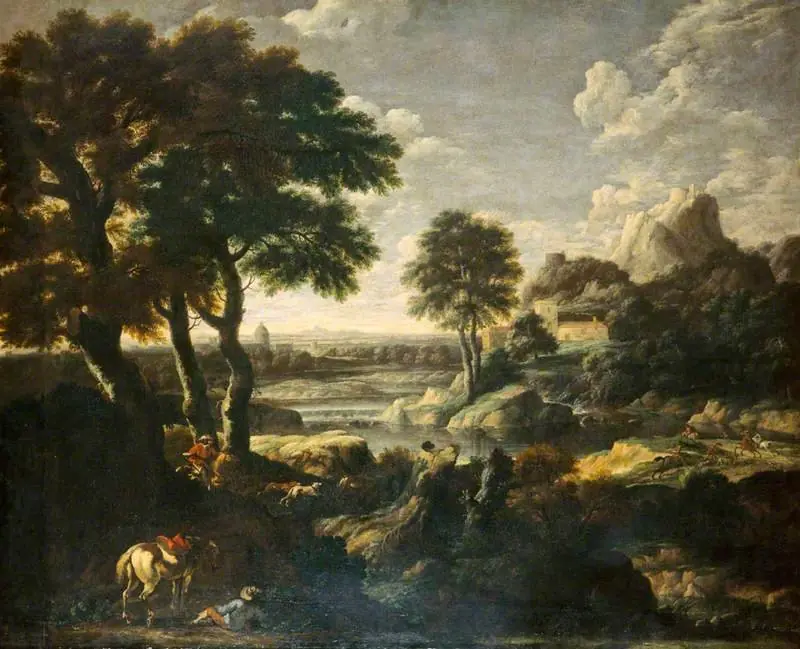 River Landscape with a Hunt
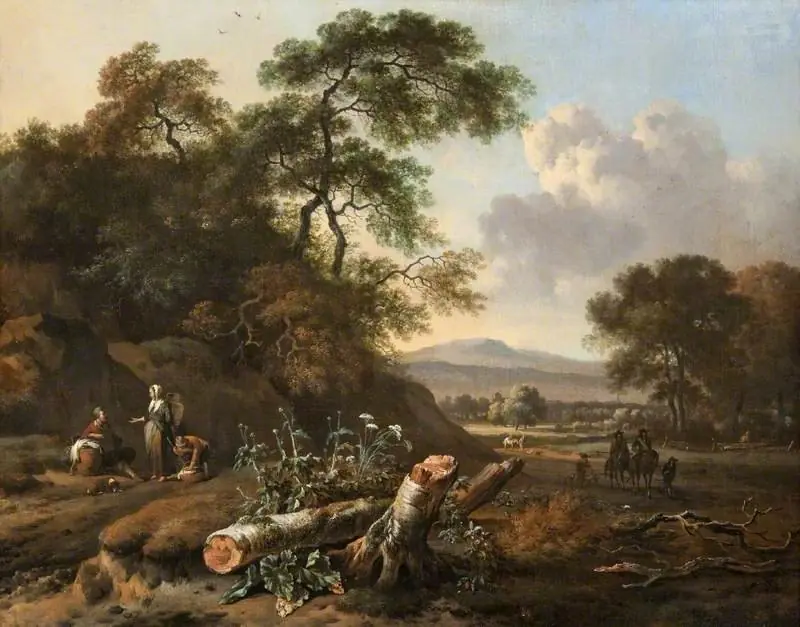 Landscape with a Fallen Tree, Peasants and Huntsmen
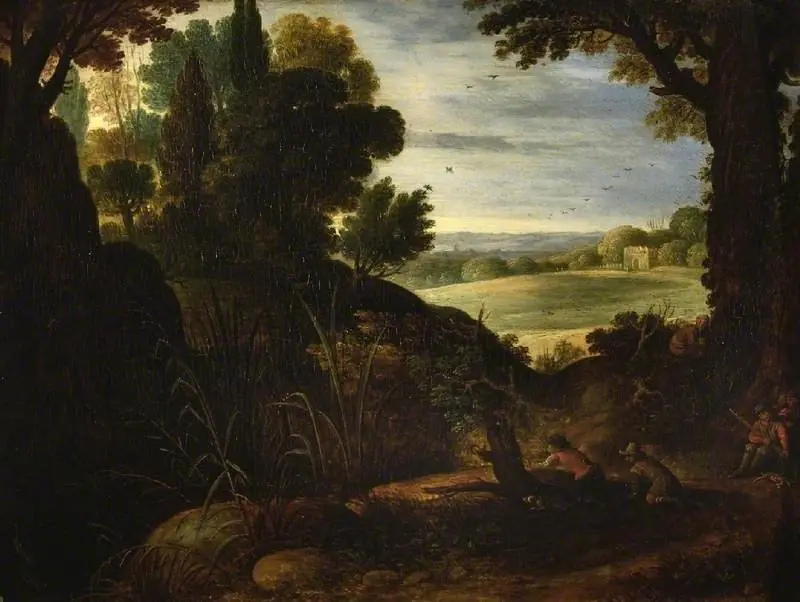 Landscape with sportsmen
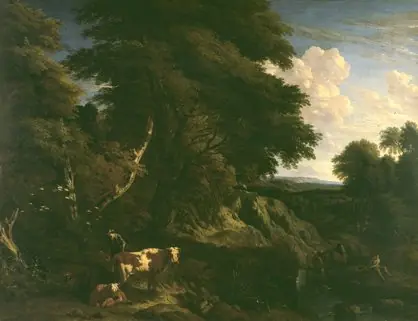 Landscape with animals
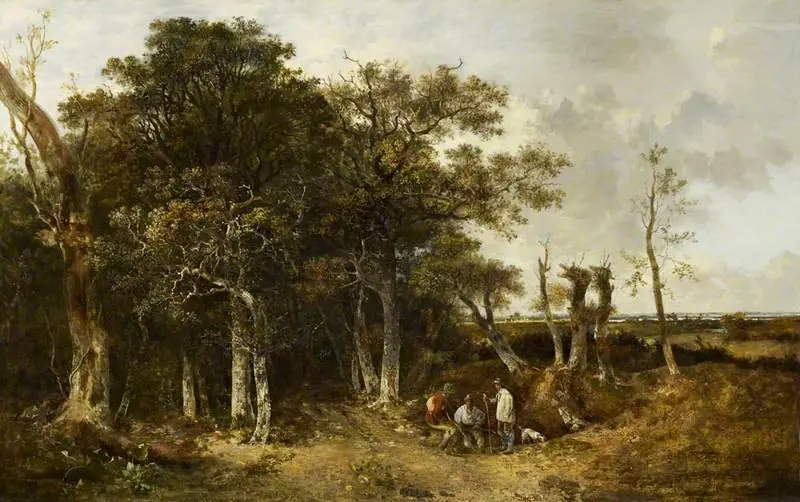 The Beaters
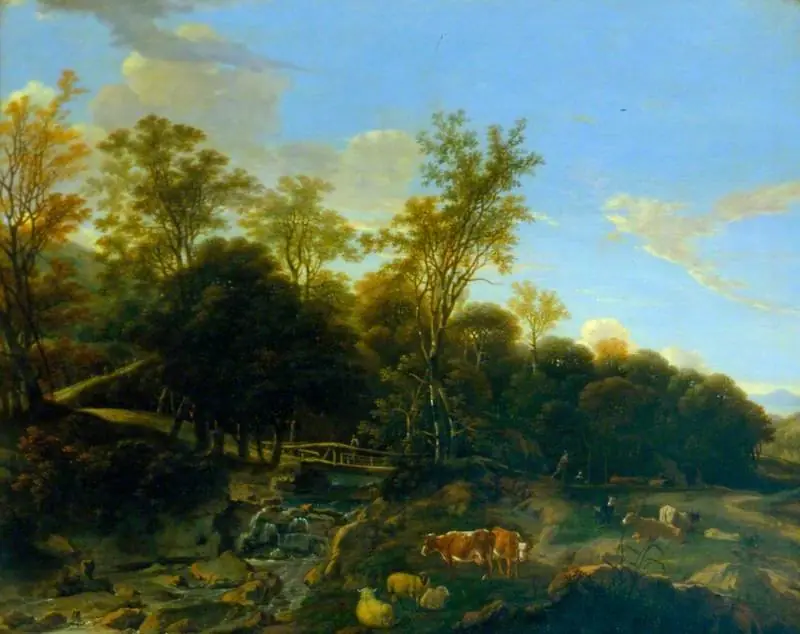 Landscape with a Rustic Bridge and Cattle
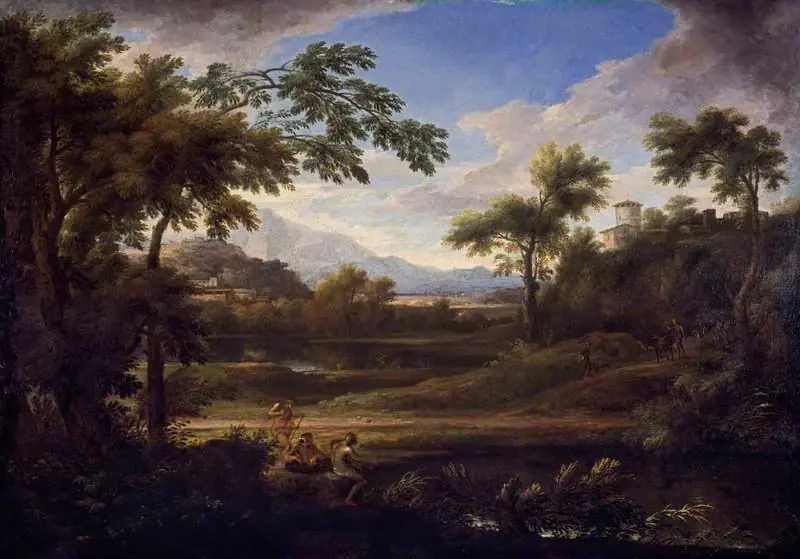 Classical Landscape
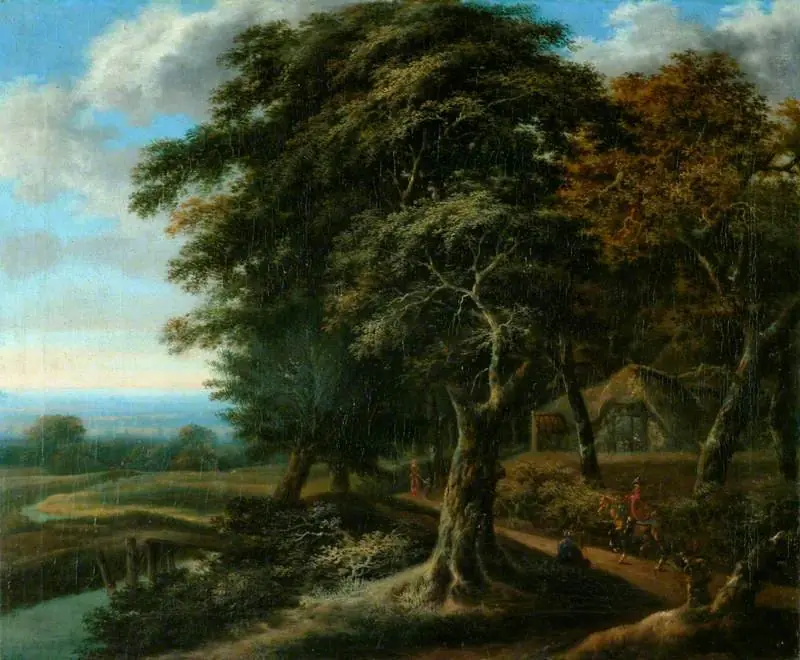 Landscape with a Figure on Horseback
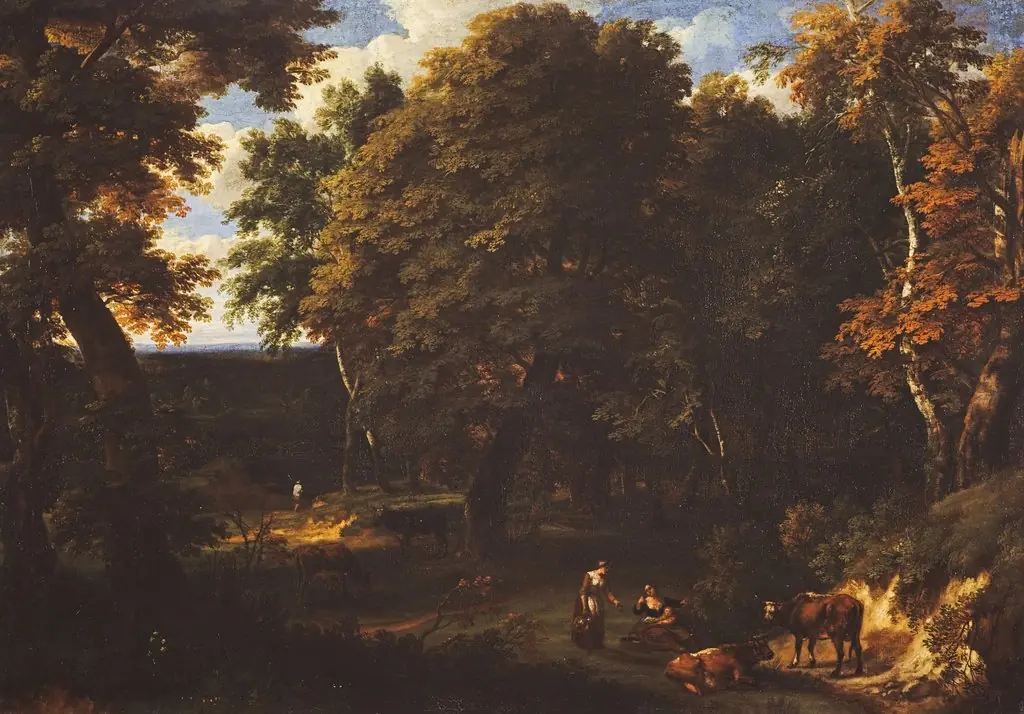 Landscape with Cattle and Figures