Artwork
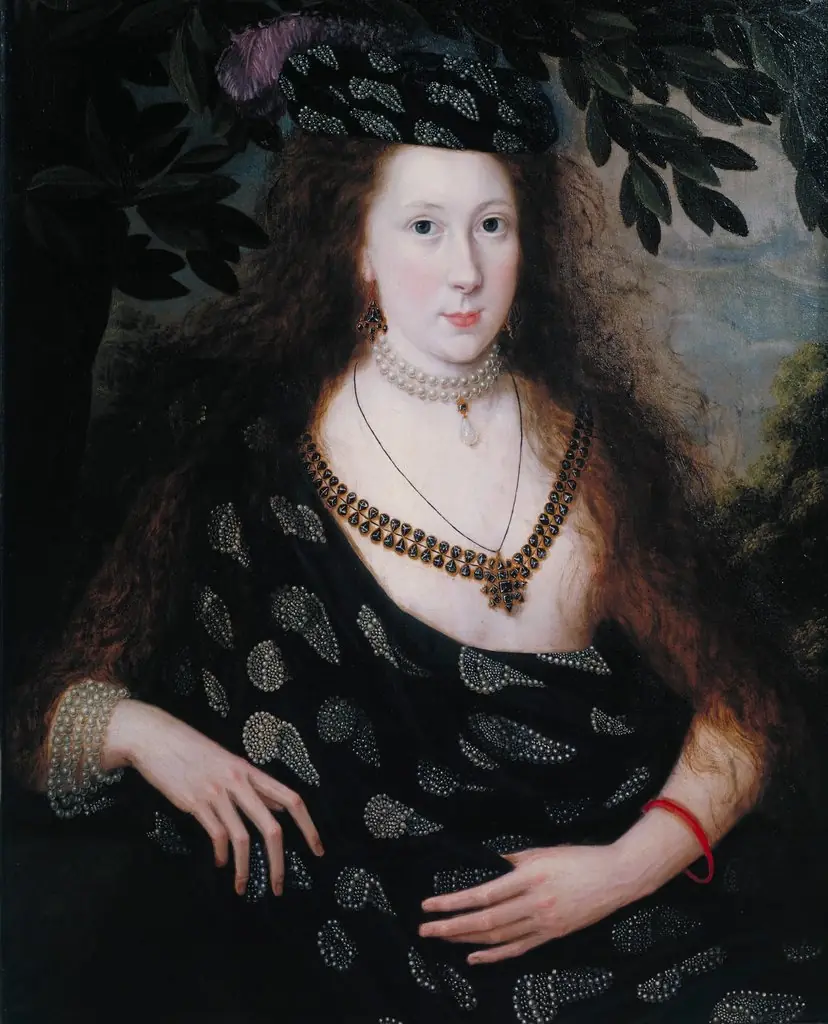
Portrait of a Woman in a Dress worked with Flowers
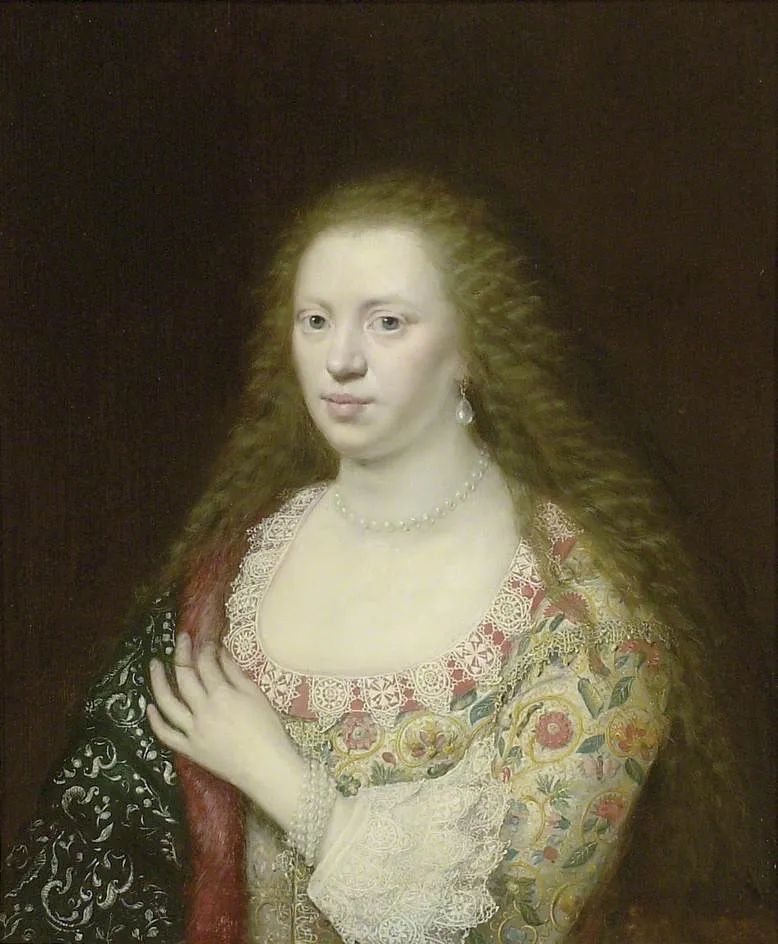
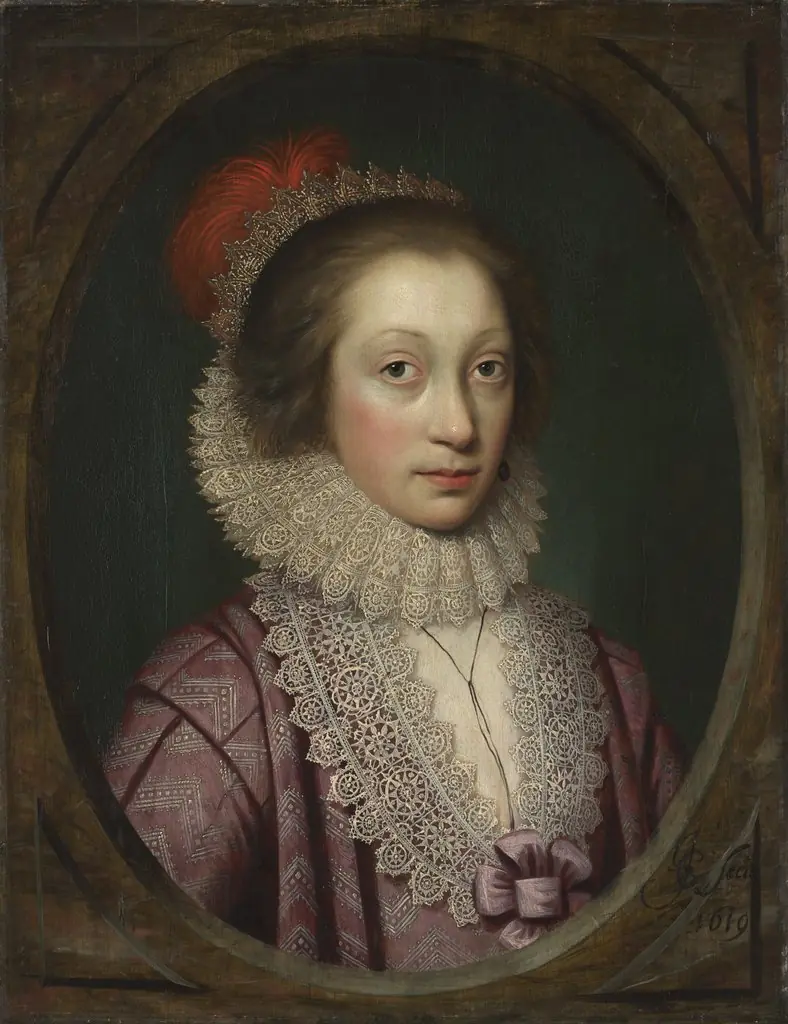
Portrait of a Woman in a Dress worked with Flowers is an oil painting by the Dutch Golden Age artist Cornelis Janssens van Ceulen. It dates from 1637 and is held in the collection of the Ashmolean Museum.
About this work
Overview
Born in London to parents who had fled religious conflict, he became a prolific portraitist, producing hundreds of signed works.
Painted around 1637, this oil portrait is attributed to Cornelis Janssens van Ceulen, an artist of Anglo-Dutch heritage active in England during the early 17th century. Born in London to parents who had fled religious conflict, he became a prolific portraitist, producing hundreds of signed works. The painting is part of the Ashmolean Museum’s collection and exemplifies the refined portraiture favored by England’s merchant and gentry classes during the Dutch Golden Age.
Subject & Meaning
The sitter is depicted in formal attire, her right hand resting gently on her chest, suggesting composure and quiet dignity. The elaborate floral embroidery on her dress signals wealth and attention to detail, common in portraits of affluent women. The absence of overt symbolism or narrative context points to a focus on status and personal presence rather than allegory, reflecting the era’s preference for restrained, individualized representation.
Technique & Style
Van Ceulen employed fine brushwork to render the intricate floral patterns of the dress, using subtle tonal shifts to suggest texture and depth. The dark, unmodulated background isolates the figure, enhancing the luminosity of the fabric and lace collar. His handling of light and detail aligns with Dutch portraiture traditions, emphasizing realism and material precision without theatricality or embellishment.
History & Provenance
The painting has remained within institutional care since at least the 19th century, entering the Ashmolean Museum’s collection through documented acquisitions. Van Ceulen’s extensive output and consistent signature style have allowed scholars to attribute numerous works to him, though the specific provenance of this portrait prior to museum acquisition remains partially undocumented.
Context
Created during a period of cultural exchange between the Netherlands and England, the portrait reflects the influence of Dutch artistic conventions among English elites. Van Ceulen, part of a community of migrant artists, catered to a clientele seeking refined, lifelike likenesses. The dress’s floral motif, while fashionable, also subtly aligned with broader European trends in textile design and domestic display.
Legacy
Van Ceulen’s body of work contributes to the understanding of portraiture in early 17th-century England, particularly among non-noble patrons. Though less celebrated than contemporaries like Van Dyck, his consistent output and technical skill offer insight into the broader market for portraiture outside royal circles. This painting remains a quiet example of the era’s emphasis on personal identity through dress and demeanor.
Artist & collection
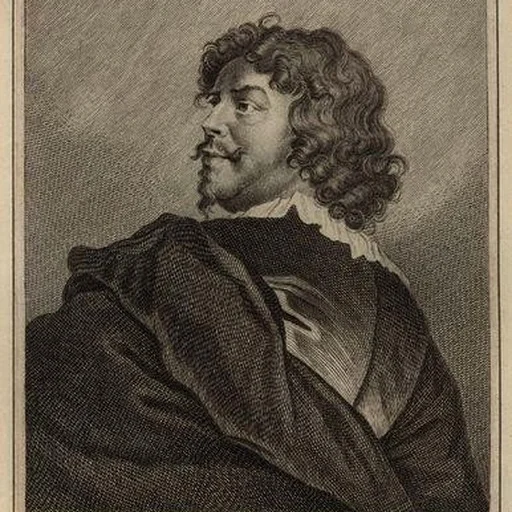
Artist
Cornelis Janssens (born Cornelis Janssens van Ceulen, Dutch: ; bapt. 14 October 1593 – bur. 5 August 1661) was an Anglo-Dutch painter of portraits. Born of Dutch or Flemish parents who fled to London from Antwerp to…

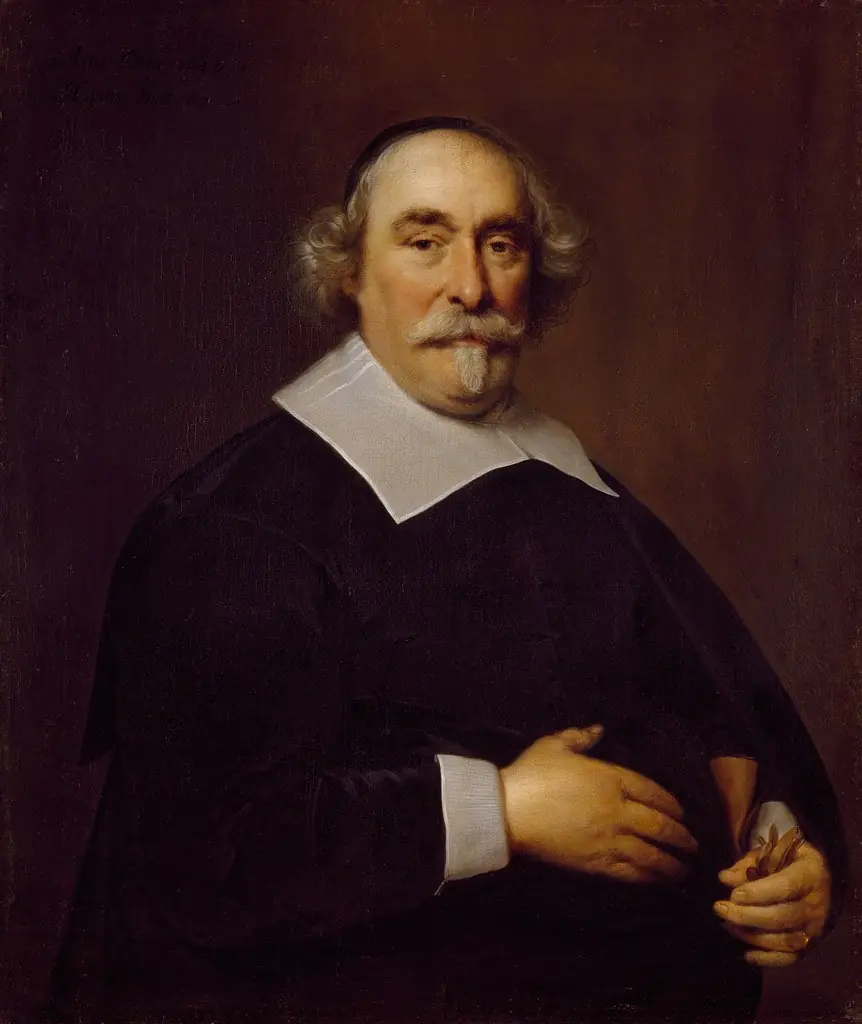
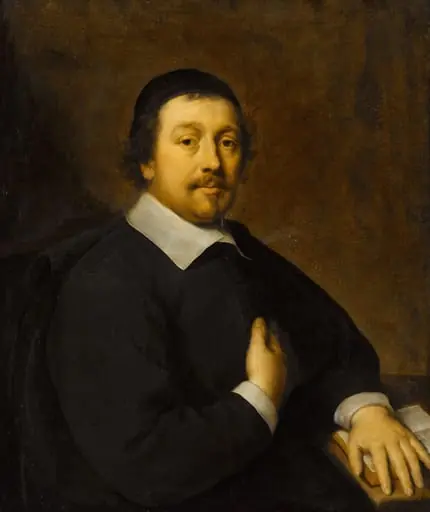
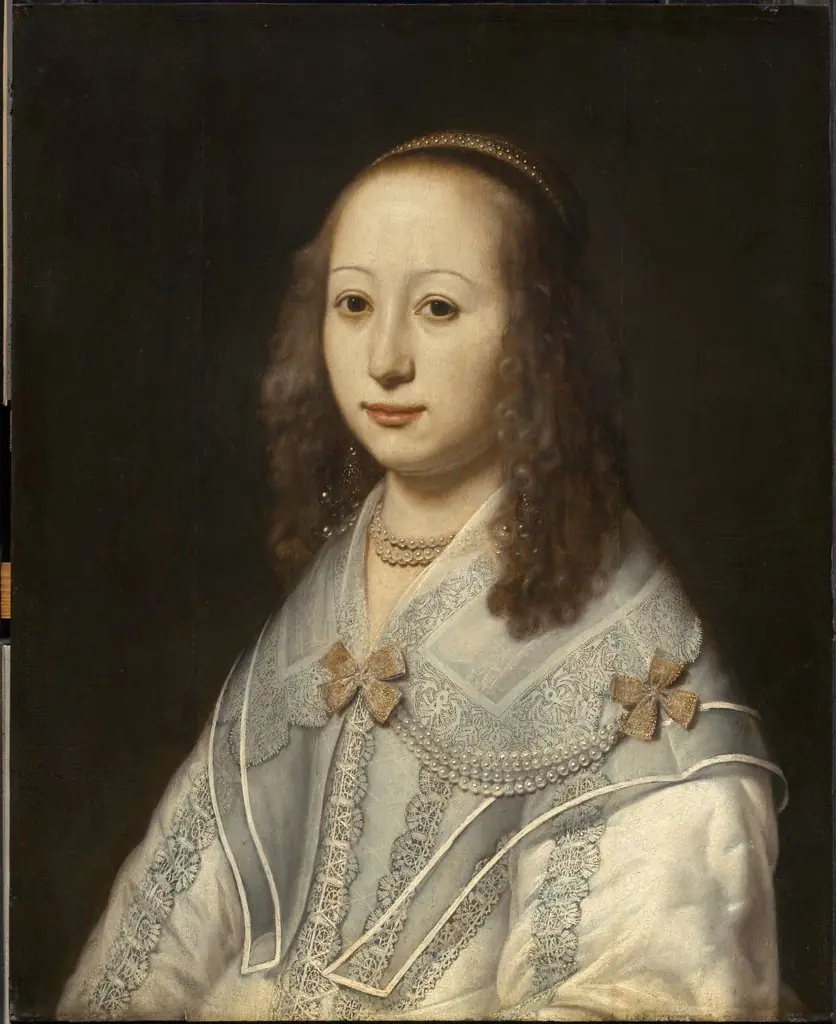 Portrait of a Woman
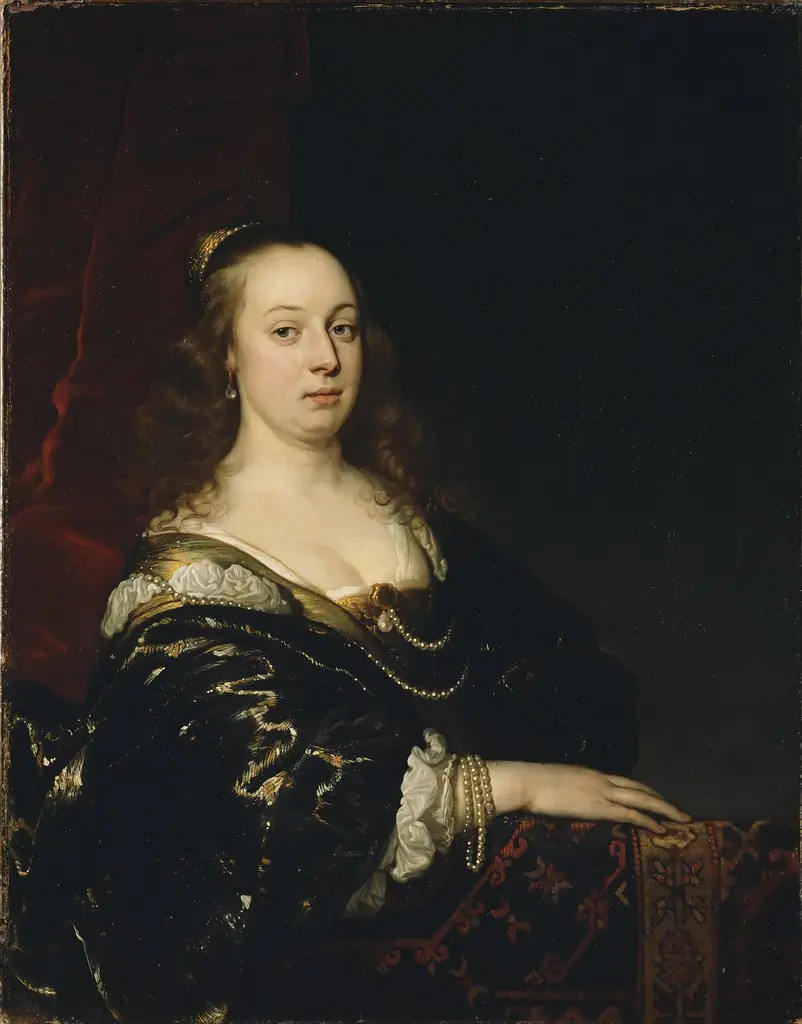 Portrait of a Woman
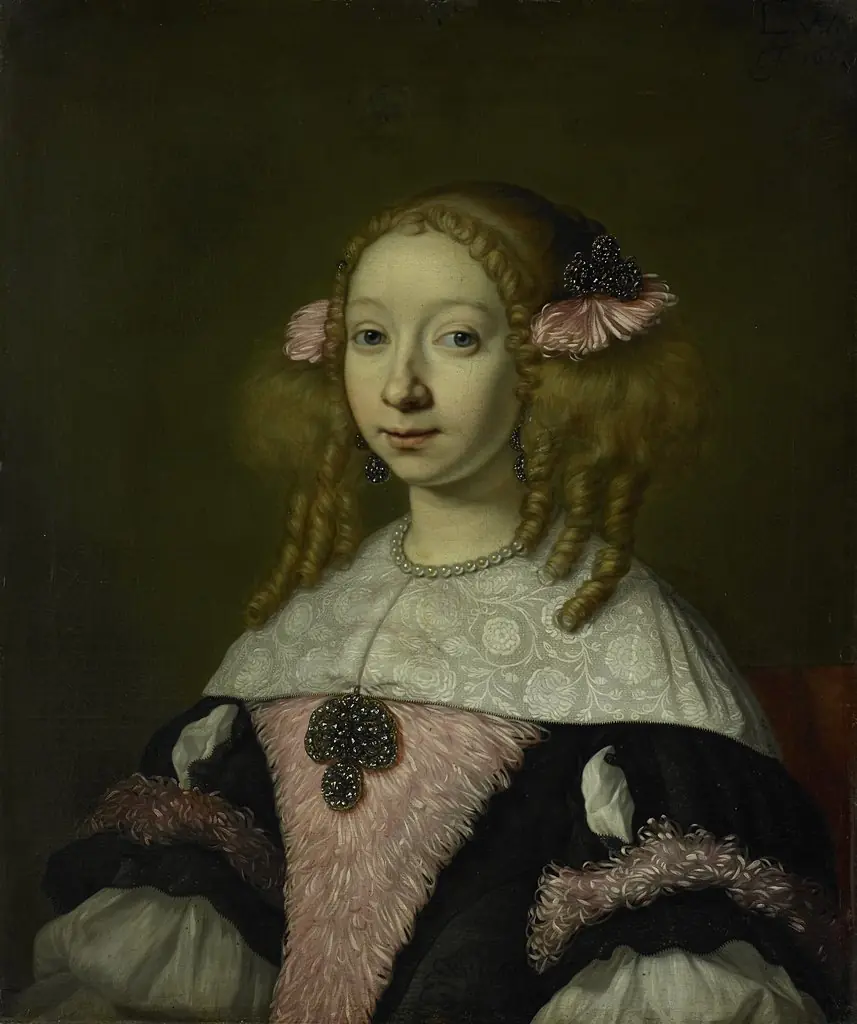 Adriana Jacobusdr Hinlopen (born 1646), wife of Johannes Wijbrants
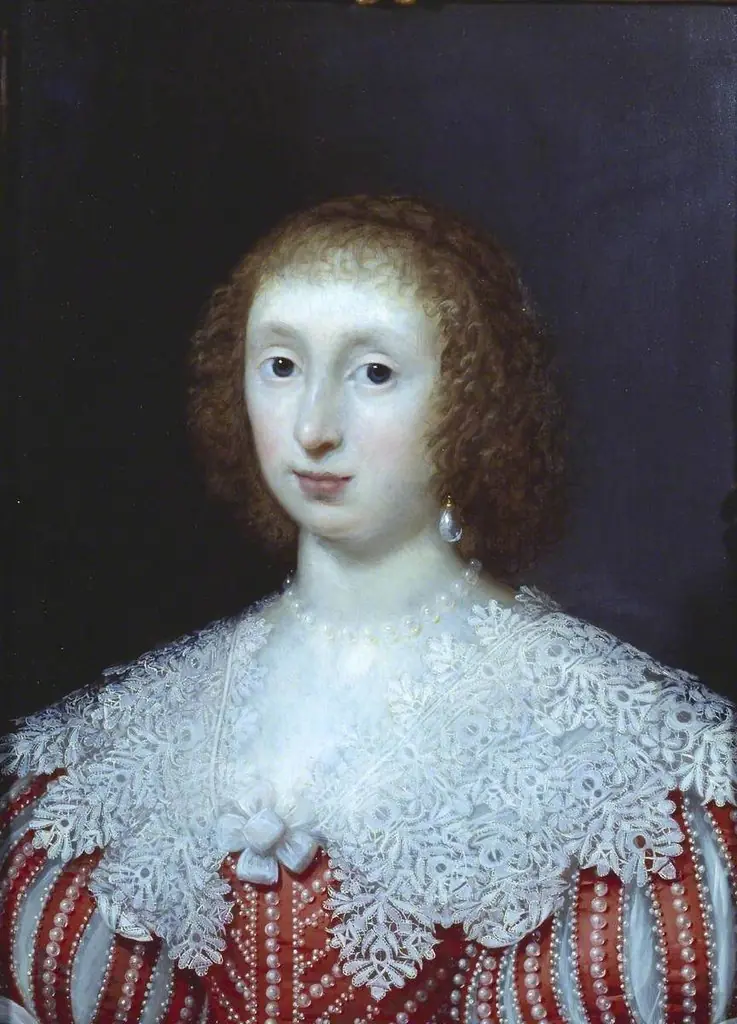 Portrait of an Unknown Lady
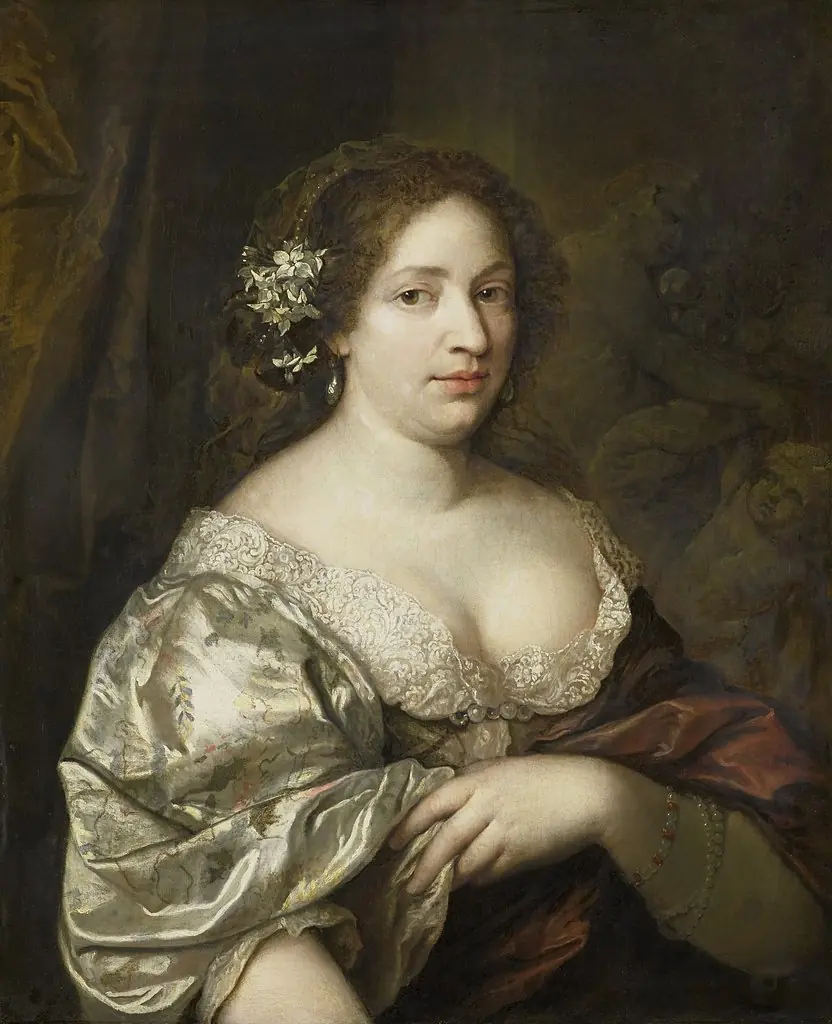 Portrait of Margaretha Godin (d. 1694), wife of the artist
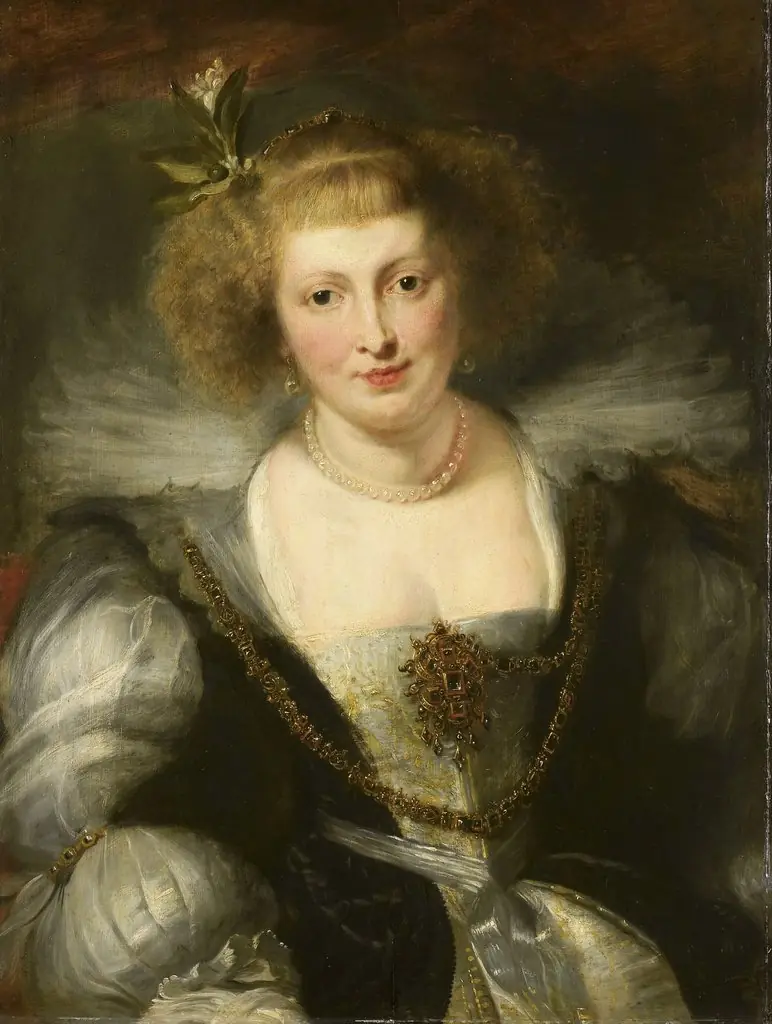 Helena Fourment (1614-73). The artist's second wife
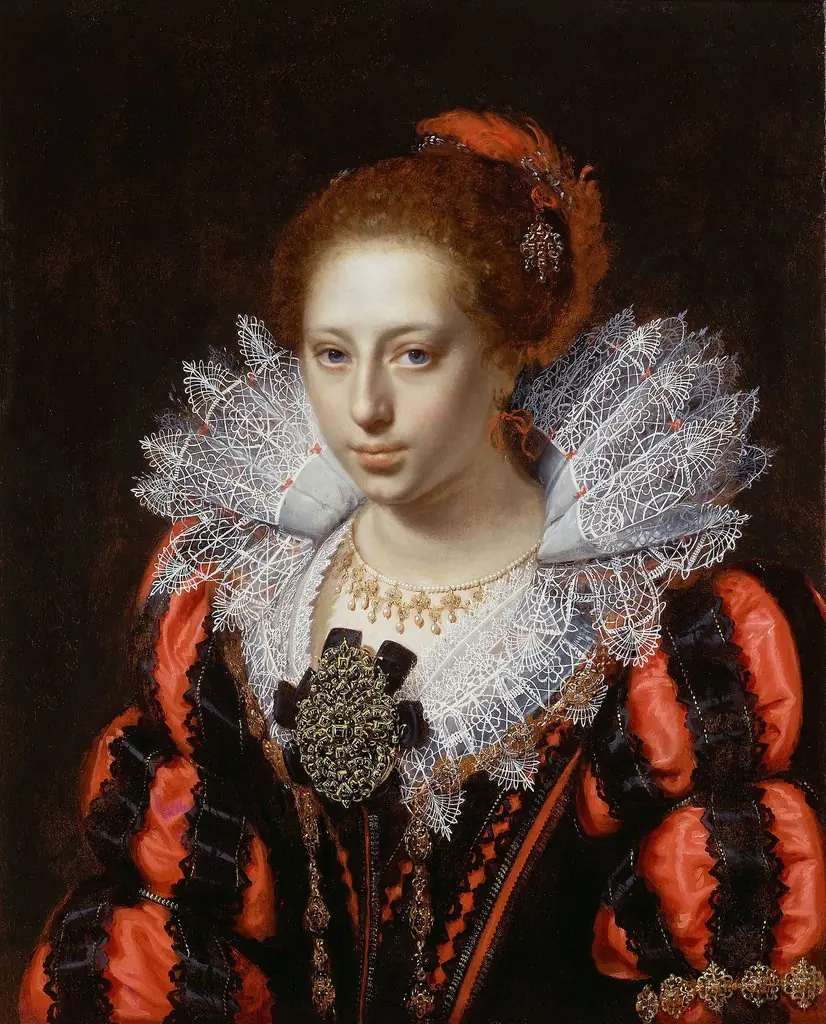 Portrait of a Young Lady
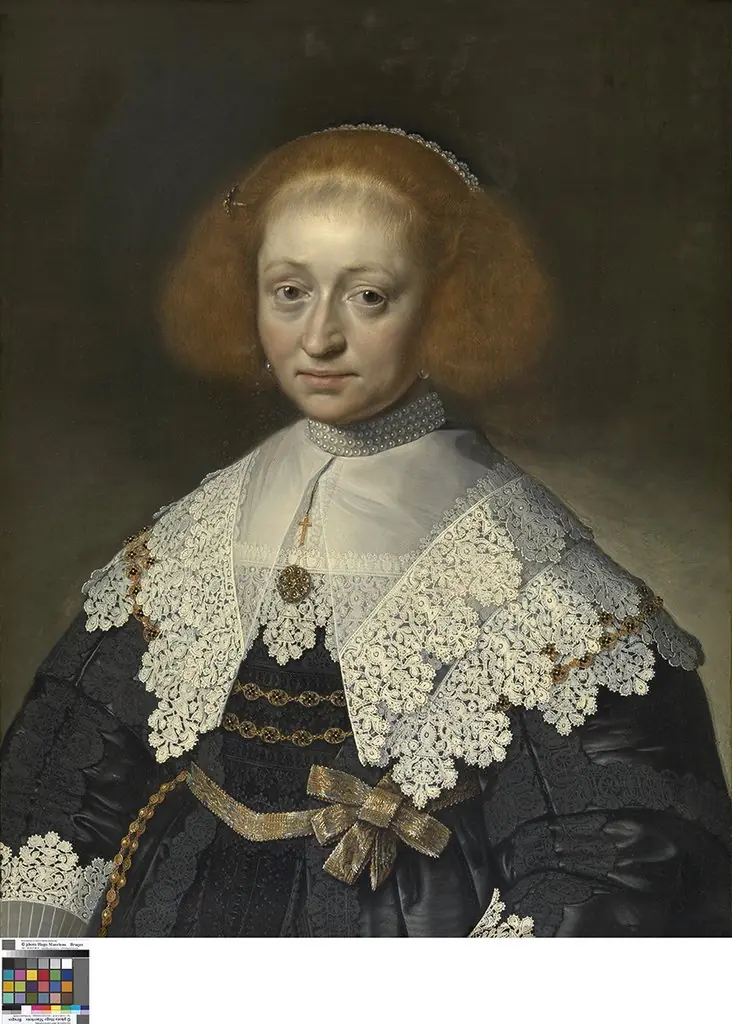 Portret van een vrouw
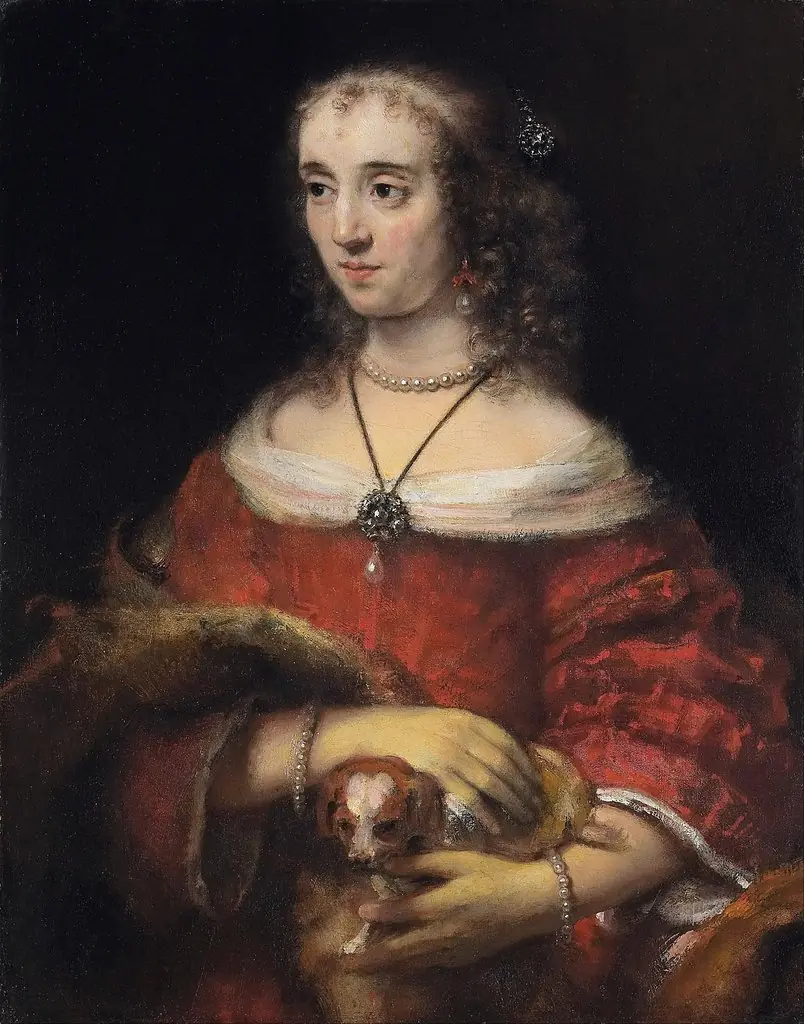 Portrait of a Lady with a Lap Dog
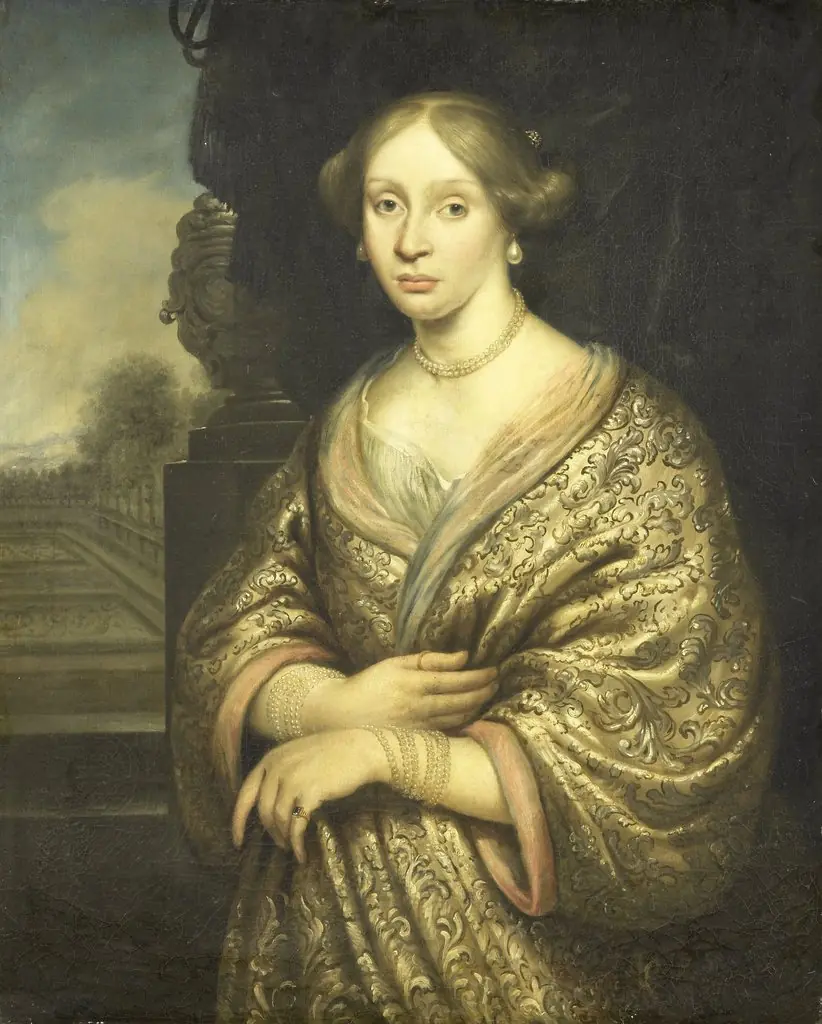 Maria van der Burght, eerste echtgenote van François Leidecker
 Lady Elizabeth Pope
 Mary, Lady Van Dyck