Artwork
Portrait of an Unknown Gentleman
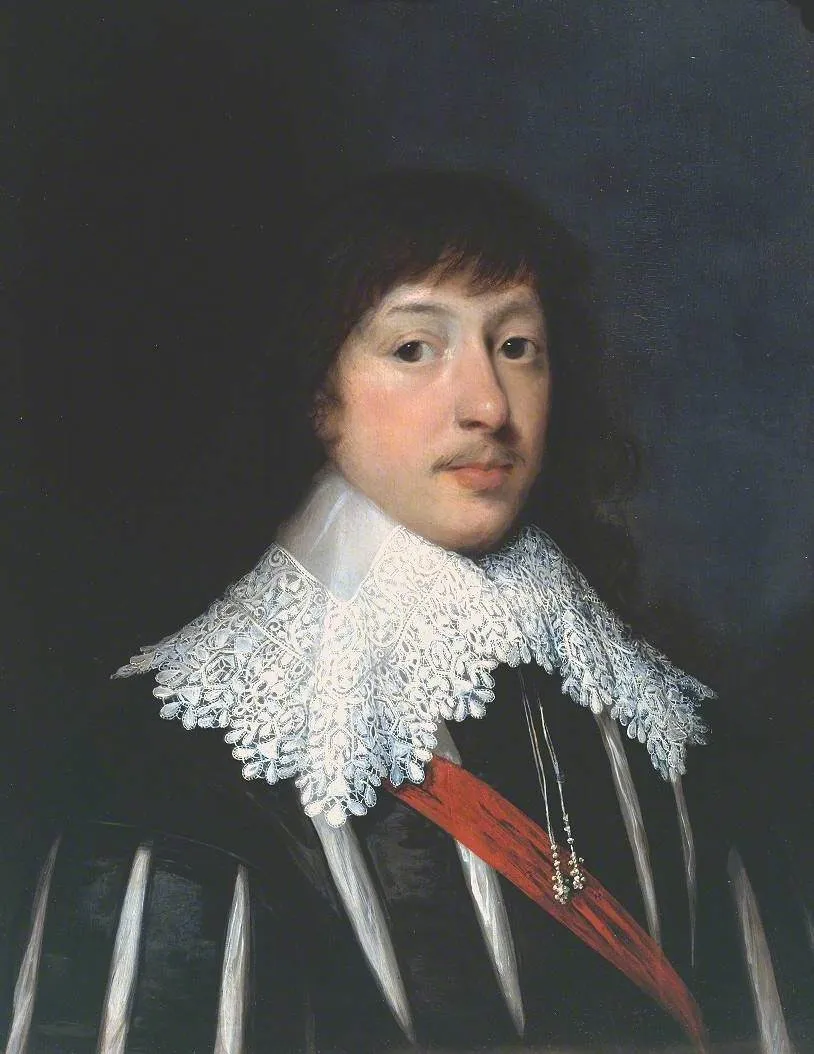
Portrait of an Unknown Gentleman is an oil painting by the Flemish Baroque painting artist Cornelis Janssens van Ceulen. It dates from 1629 and is held in the collection of the Tate Britain.
About this work
Overview
Van Ceulen, born in London to Flemish refugees, worked primarily in England between 1618 and 1643, producing numerous portraits for the gentry.
Painted in 1629 by Cornelis Janssens van Ceulen, this oil portrait captures an unidentified English gentleman of the early 17th century. Van Ceulen, born in London to Flemish refugees, worked primarily in England between 1618 and 1643, producing numerous portraits for the gentry. The work exemplifies his steady, professional style and remains part of Tate Britain’s collection, reflecting his role in shaping Anglo-Dutch portraiture during a period of cultural exchange.
Subject & Meaning
The sitter, dressed in a black coat with white striped trim and a delicate lace collar, conveys quiet dignity rather than overt status. His pose, slightly turned to the right, suggests restraint and composure, typical of bourgeois portraiture in post-Reformation England. The absence of identifying symbols or heraldry implies a deliberate focus on personal presence rather than lineage or profession, aligning with emerging ideals of individuality among the merchant class.
Technique & Style
Van Ceulen employed chiaroscuro to model the sitter’s face and clothing, creating subtle volume against a dark, undefined background. Brushwork is precise but not overly ornate, emphasizing texture in the lace and fabric without distraction. The palette is restrained—dominated by blacks, whites, and muted browns—enhancing the portrait’s solemnity. His technique reflects Flemish training adapted to English tastes, favoring clarity and naturalism over theatricality.
History & Provenance
The painting has remained in British collections since its creation, though its early ownership is undocumented. It entered Tate Britain’s holdings as part of the broader acquisition of 17th-century English portraiture. Van Ceulen signed and dated many of his works, aiding attribution; this portrait bears his signature and the year 1629, confirming its place within his documented output during his most active years in London.
Context
Created during the reign of Charles I, the portrait reflects a time when portraiture flourished among England’s rising elite, influenced by continental styles brought by Flemish and Dutch artists. Van Ceulen, part of a wave of migrant painters, helped bridge Northern European traditions with English conventions. His work emerged alongside but distinct from courtly portraiture, catering to a more modest, urban clientele seeking dignified representation.
Legacy
Van Ceulen’s prolific output contributed to the development of a distinct Anglo-Dutch portrait tradition in early Stuart England. Though less celebrated than contemporaries like Van Dyck, his consistent technique and accessibility to non-noble patrons left a quiet imprint on the period’s visual culture. This portrait stands as a representative example of professional portraiture outside the royal court, preserving the aesthetic values of a broader social class.
Artist & collection
Artist
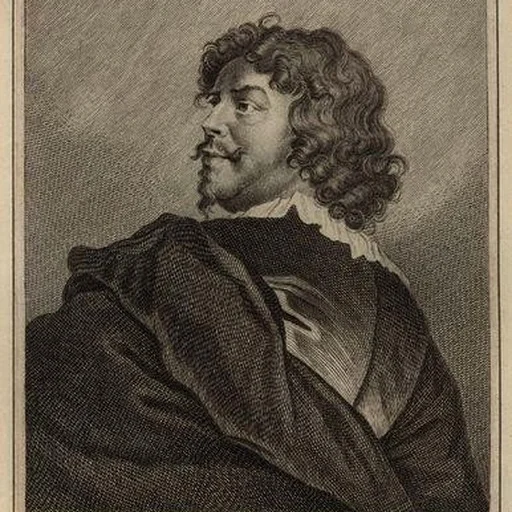
Cornelis Janssens (born Cornelis Janssens van Ceulen, Dutch: ; bapt. 14 October 1593 – bur. 5 August 1661) was an Anglo-Dutch painter of portraits. Born of Dutch or Flemish parents who fled to London from Antwerp to…

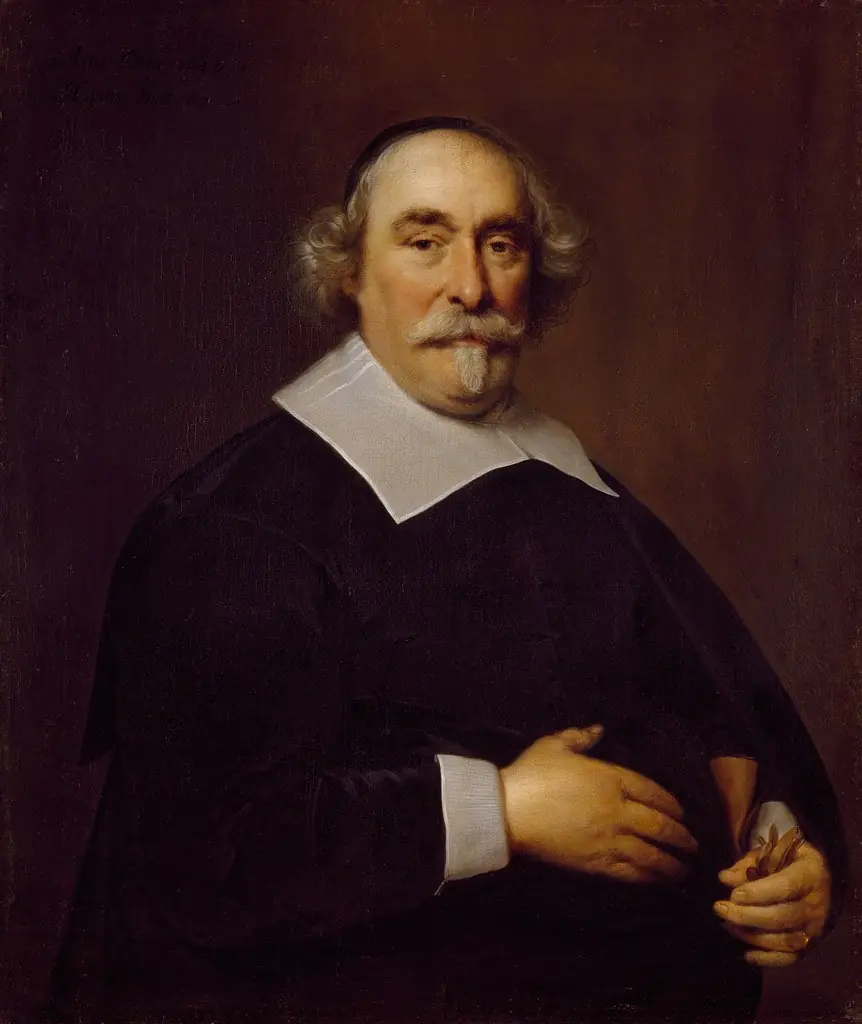
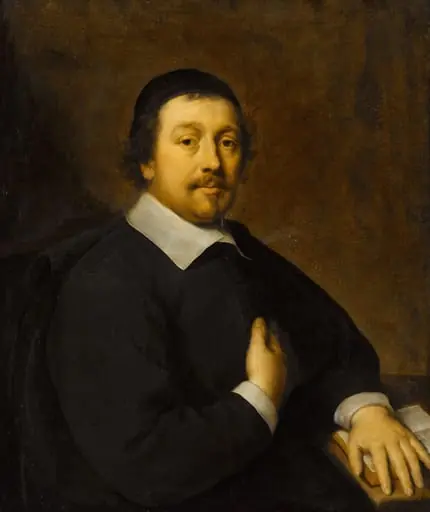
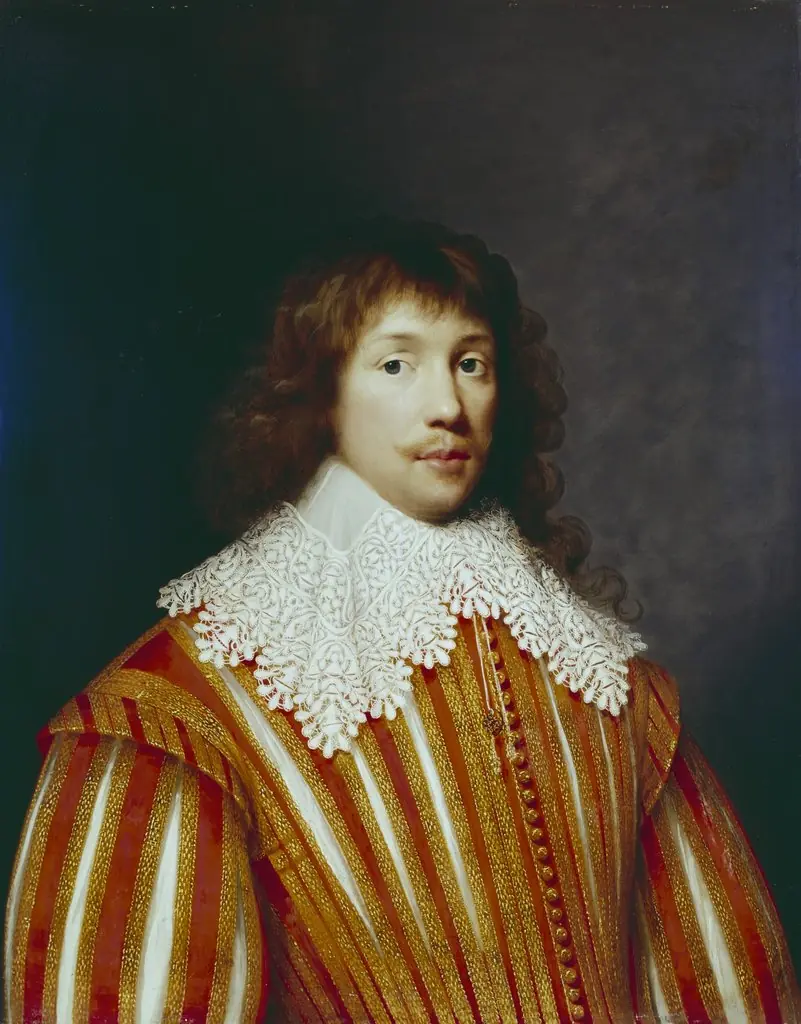 William Fitzwilliam, Second Lord Fitzwilliam of Liffer
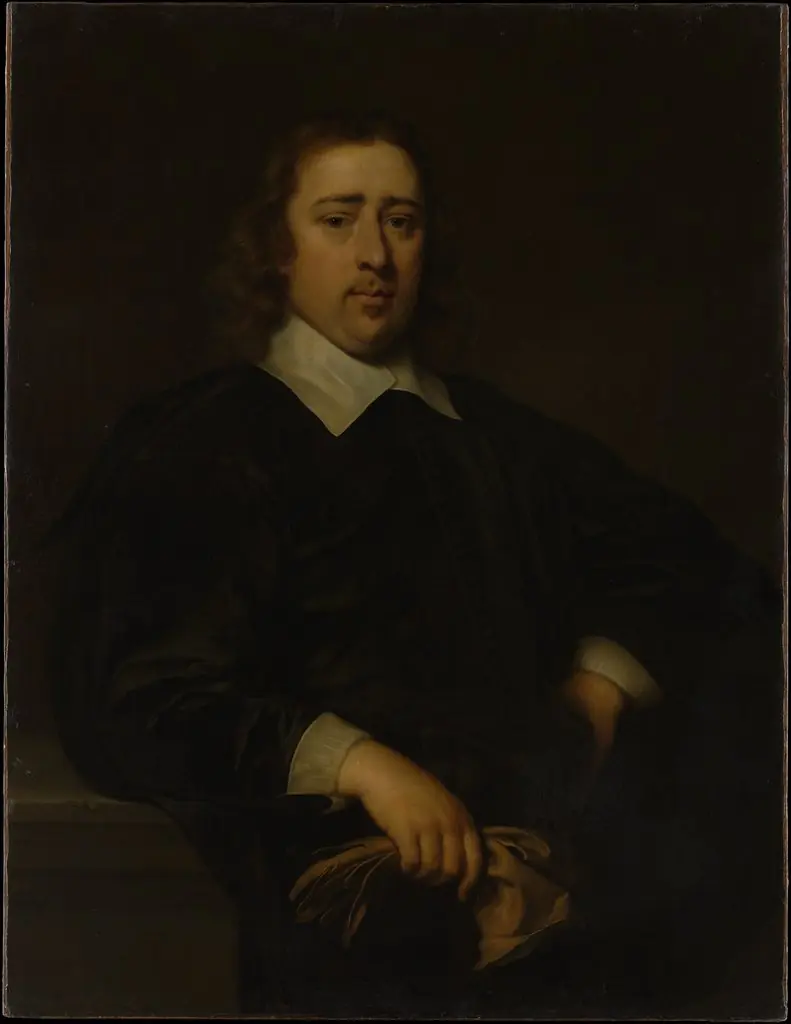
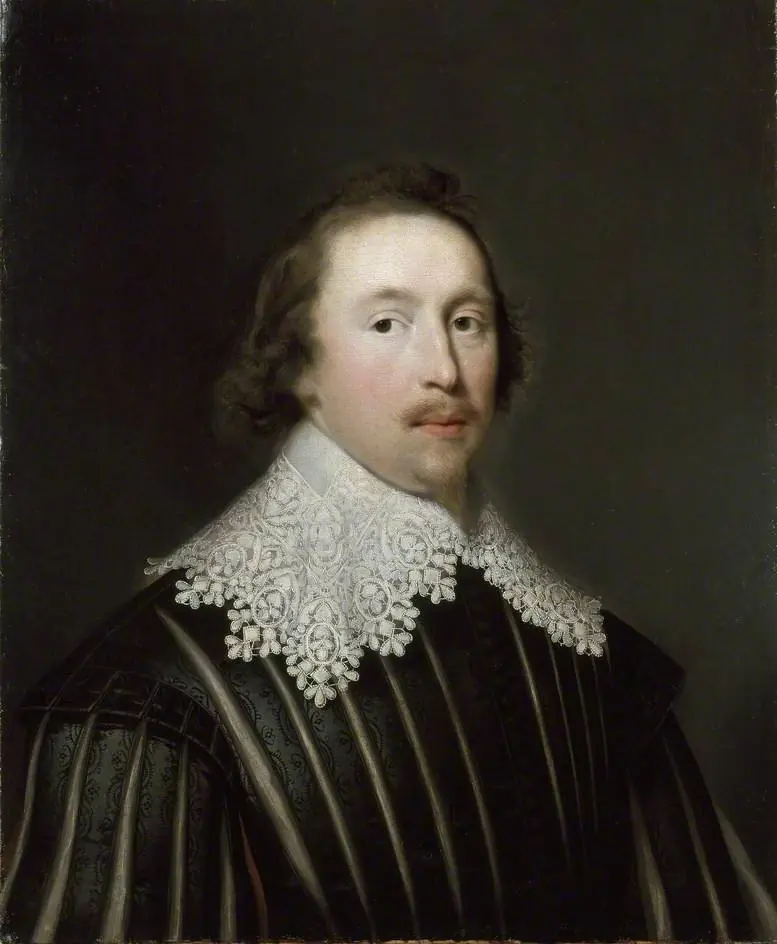 Portrait of a Man
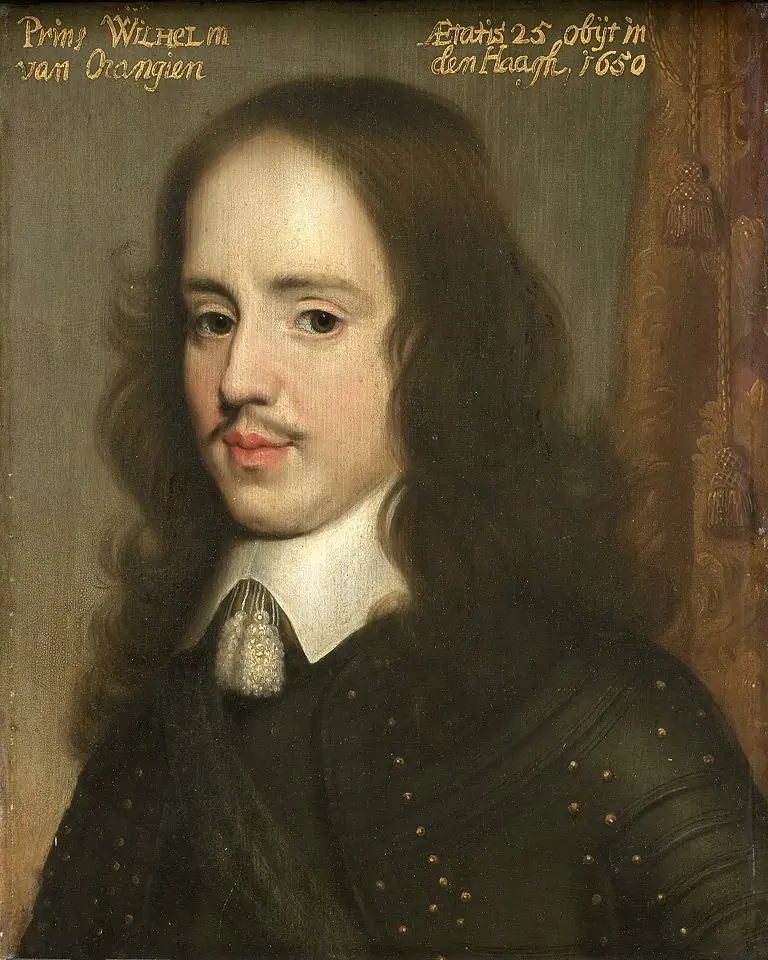 Portrait of Willem II (1626-50), Prince of Orange
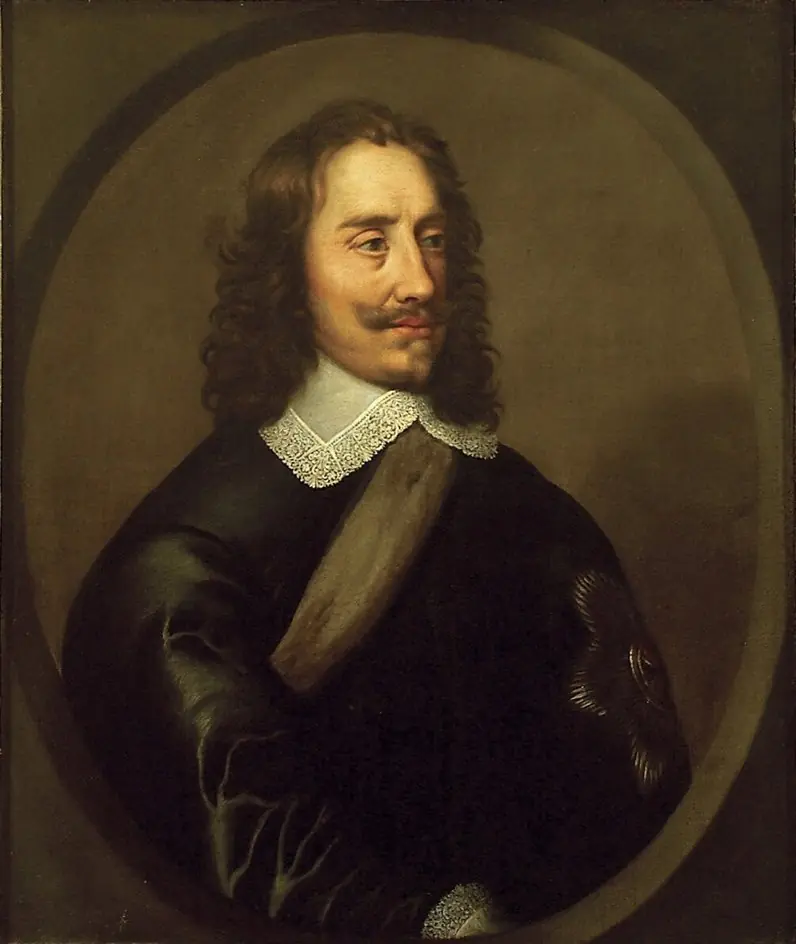 Charles I
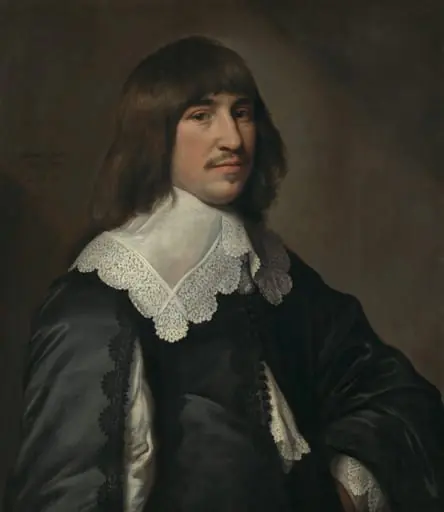 Portrait of Henrick Hooft
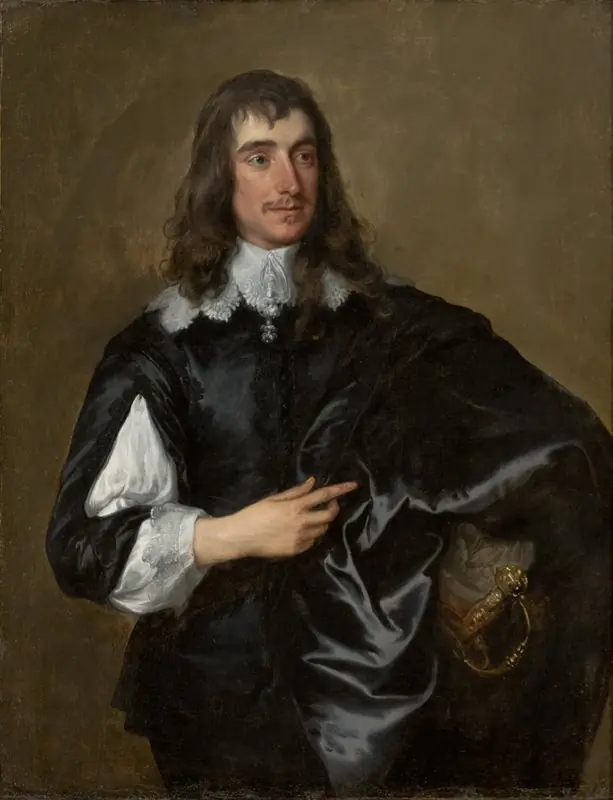 Portrait of a man, possibly William Howard, Viscount of Stafford
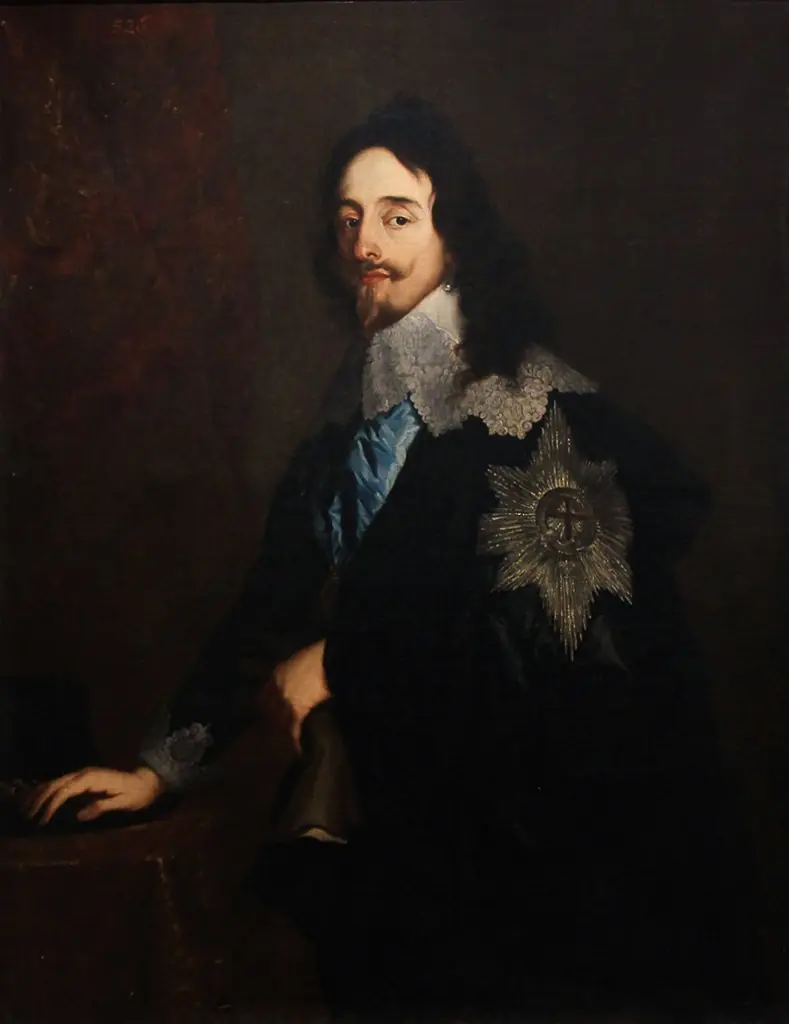 Portrait of Charles I of England
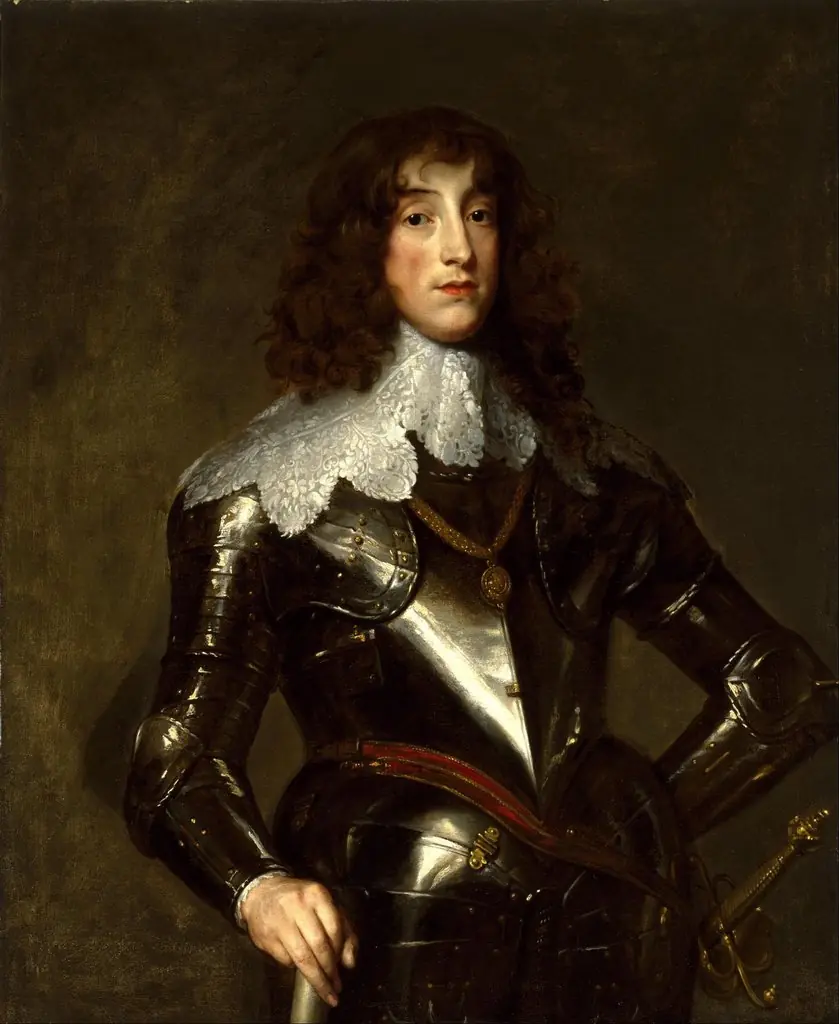 Charles Louis, Elector Palatine
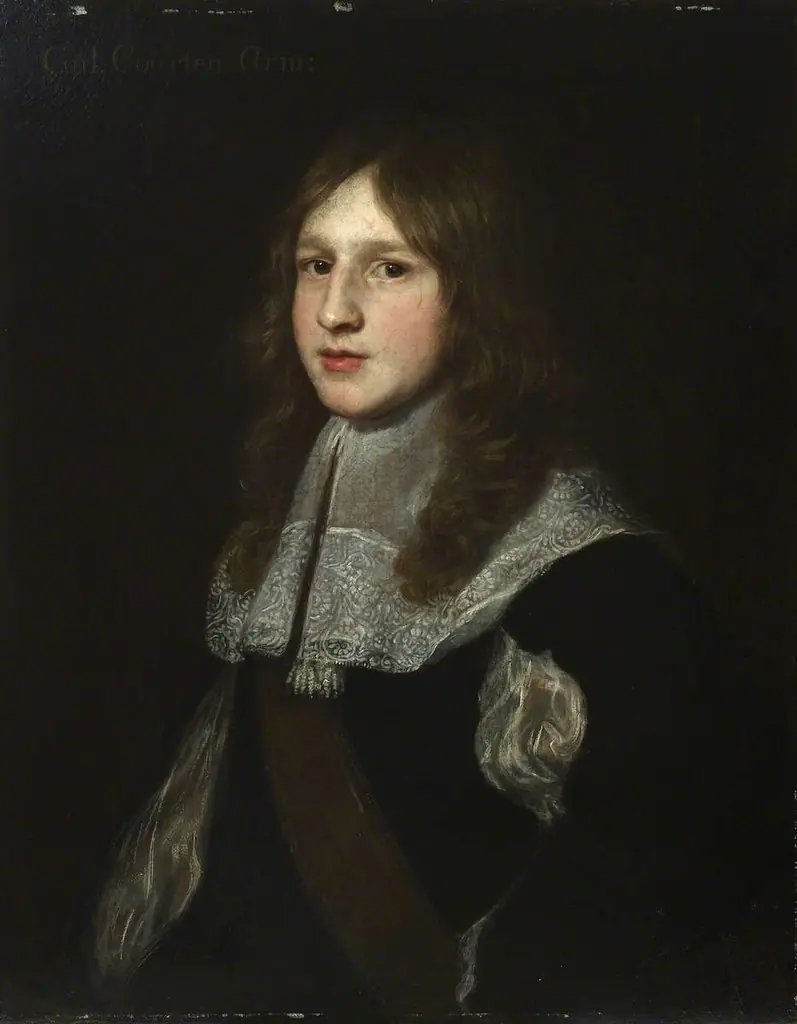 William Courten (alias Charleton, 1642–1702), When Young
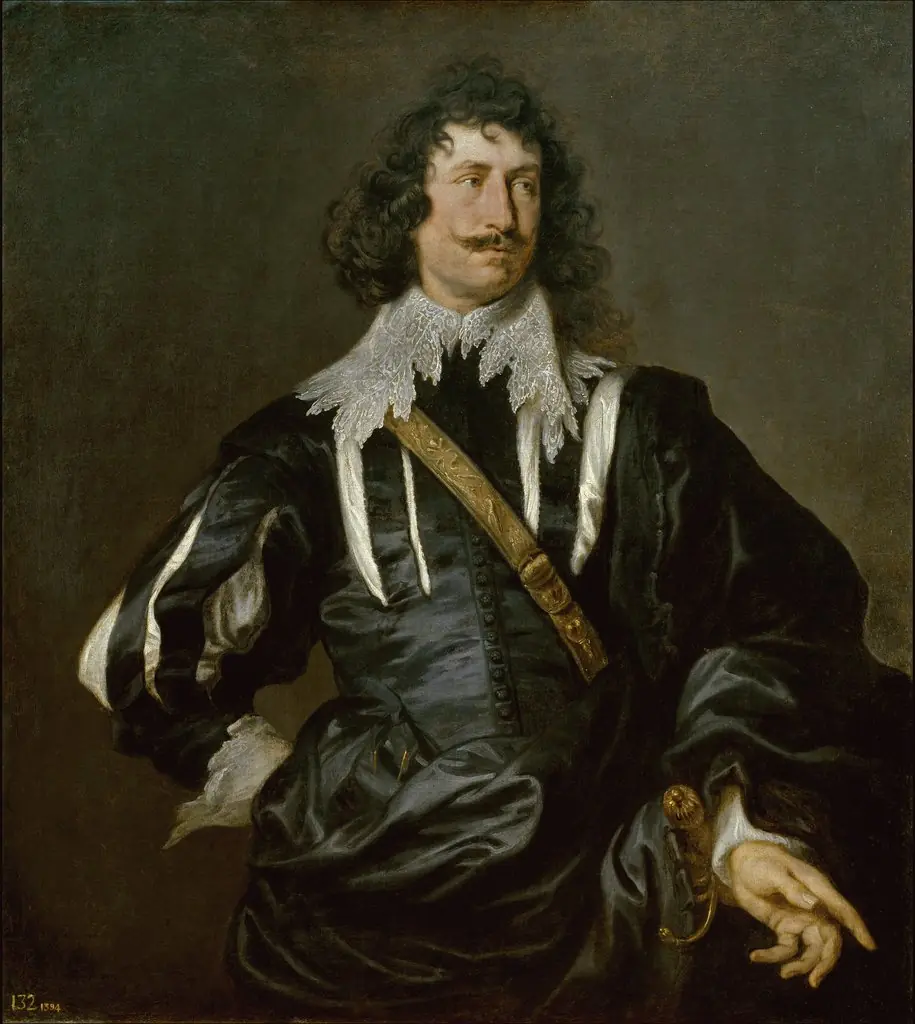 Portrait of a Man