Art Museum
Tate Britain

Image: Wikimedia Commons.
Tate Britain is an art museum in City of Westminster, United Kingdom.
About Tate Britain
Identity & Overview
Tate Britain is an art museum located on Millbank in the City of Westminster, London, serving as the national gallery of British art from 1500 to the present day. Originally known as the National Gallery of British Art upon its opening in 1897, it was subsequently renamed the Tate Gallery in 1932 before adopting its current name in 2000 to distinguish its focus on British art from the newly established Tate Modern, which houses international modern and contemporary works. The institution holds the most comprehensive collection of British art in the world, encompassing works from the Elizabethan and Jacobean eras through to the contemporary period.
History & Founding
The gallery was founded through the benefaction of sugar tycoon Sir Henry Tate, who donated his collection of modern British art and funded the construction of the building. The site previously housed a reformatory prison from 1816 to 1842, followed by temporary accommodation for convicts bound for Australia. The decision to build the gallery on this site was made in 1892, with Henry Tate making an anonymous donation. The gallery opened to the public on August 16, 1897, by the Prince of Wales. Significant expansions followed, including the Duveen Galleries for Turner's works, funded by Sir Joseph Joel Duveen and opened in 1910 and 1937.
Building & Architecture
The original building was designed by architect Sidney Smith in a Neoclassical style and opened in 1897. The structure features a central rotunda, which was refurbished between 2012 and 2013 to reflect the original design, including clamshell motifs. The gallery has undergone six extensions, most notably the Duveen Galleries designed by John Russell Pope, which were the first public galleries in England specifically designed for sculpture. The Clore Gallery, opened in 1987, was added to house the world's finest collection of works by J.M.W. Turner. The building complex also includes the Prints and Drawings Rooms and the Friends room.
Collection Highlights
The collection commences with Elizabethan and Jacobean examples and is exceptionally well represented in the 18th and 19th centuries. Key holdings include masterpieces by Joshua Reynolds, Thomas Gainsborough, William Hogarth, George Stubbs, John Constable, and William Blake. The gallery is particularly renowned for its Pre-Raphaelite works, such as John Everett Millais's 'Ophelia'. It also houses the world's largest collection of works by J.M.W. Turner, displayed in the Clore Gallery. The museum organizes career retrospectives and the Triennial exhibition to showcase contemporary British art.
Significance & Legacy
Tate Britain is recognized as the most comprehensive collection of its kind in the world. Its history includes resilience during crises, such as the 1928 flood where 226 oil paintings were submerged due to the collapse of the Thames embankment wall, and the evacuation of artworks during both World Wars. The gallery's transformation in 2000 to focus exclusively on British art allowed for a clearer distinction in the Tate network, with international modern art moving to Tate Modern. It remains a central institution for the study and display of British artistic heritage, hosting the annual Turner Prize.
What to see at Tate Britain
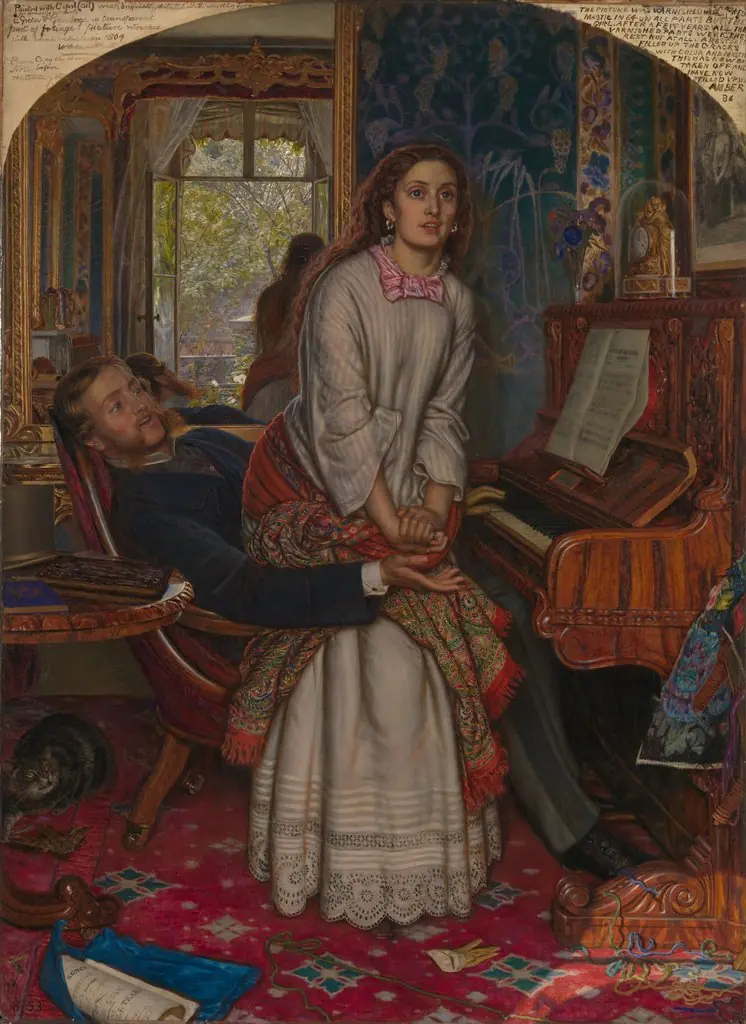
Start with The Awakening Conscience by William Holman Hunt.


Plan your visit
Tate Britain
- Website
- www.tate.org.uk
- Part of
- Tate
What's on
- James McNeill Whistler1 Oct 2023 – 27 Sep 2026
- Aleksandra Kasuba: Shelters for the Senses1 Oct 2023 – 4 Oct 2026
- Hurvin Anderson1 Oct 2023 – 23 Aug 2026
- Tracey Emin: A Second Life1 Oct 2023 – 31 Aug 2026