Artwork
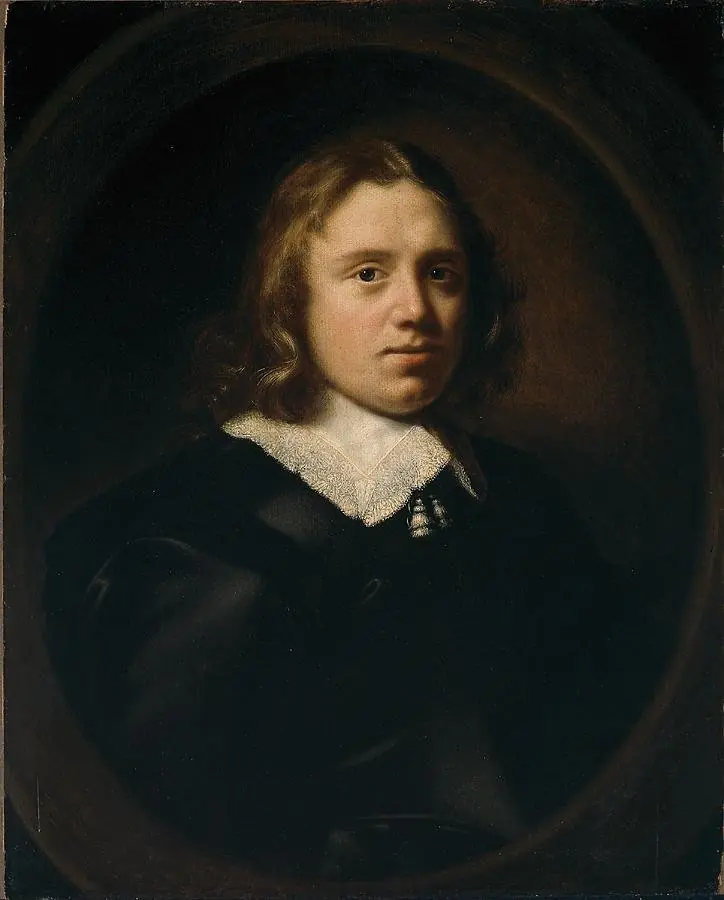
Portrait of Henrick Hooft
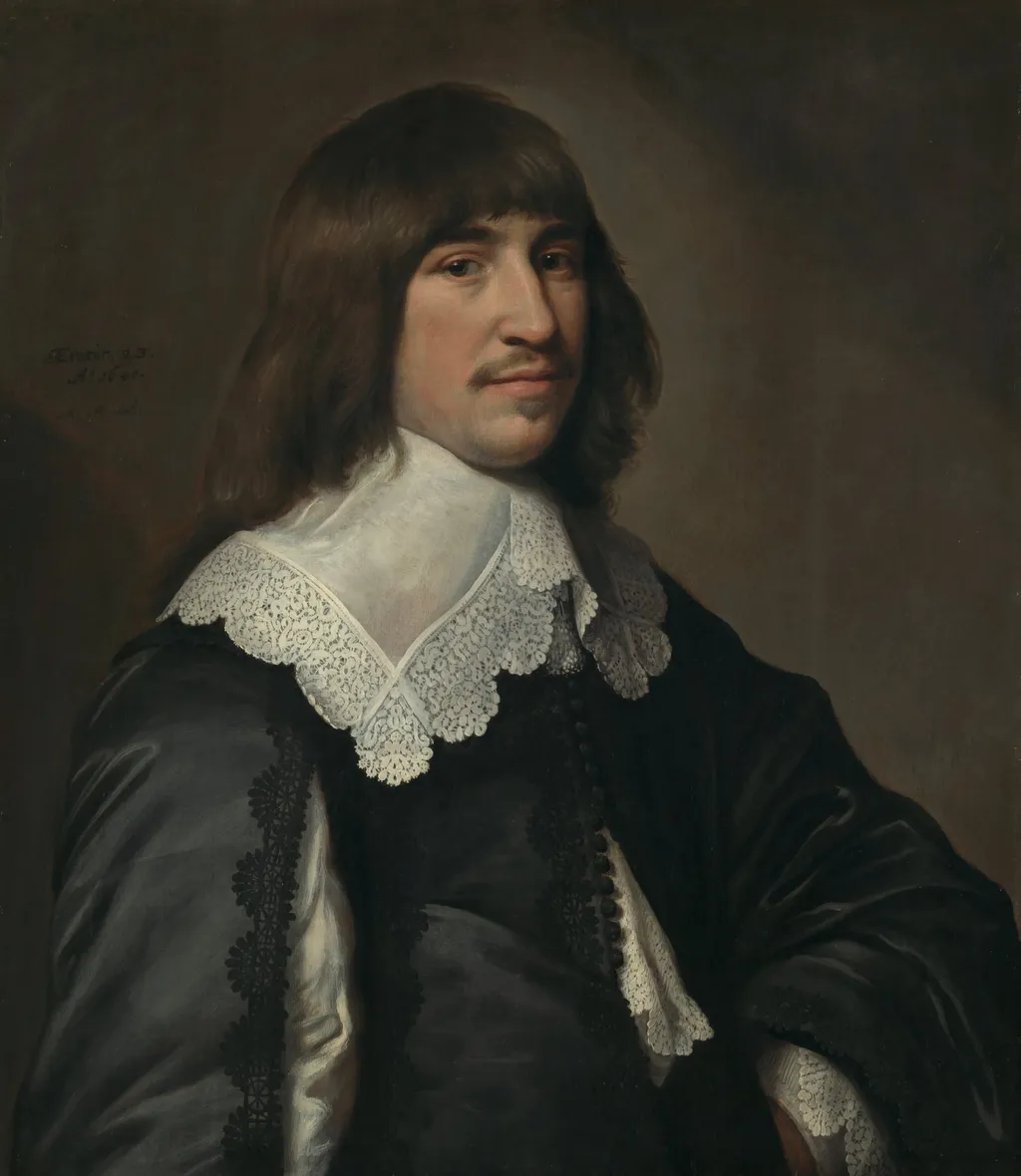
Portrait of Henrick Hooft is an unspecified painting by the Baroque artist Unknown. It dates from 1640 and is held in the collection of the Rijksmuseum. Created in 1640, this oil portrait depicts Henrick Hooft, a young Dutch gentleman, at the time of his marriage.
About this work
Look up Michiel Jansz van Miereveld to see another portraitist from his time.
This painting shows a young man in a black suit. His white lace collar is the first thing you notice. The background is plain, so all focus stays on him.
The man is Henrick Hooft. He had this made with his wife on their wedding day. The painter used oil to make the lace look real and shiny.
It was made in the Netherlands in 1640, when portraits were popular. Many people wanted painted records of themselves back then.
Look up Michiel Jansz van Miereveld to see another portraitist from his time.
Overview
Created in 1640, this oil portrait depicts Henrick Hooft, a young Dutch gentleman, at the time of his marriage. Rendered against an unadorned backdrop, the work concentrates attention on the sitter’s attire—a black costume highlighted by a crisp white lace collar—showcasing the period’s emphasis on personal representation.
Subject & Meaning
The painting commemorates Hooft’s union with Aegje Hasselaer of Amsterdam, both in their twenties. By commissioning a joint portrait, the couple affirmed their social status and the permanence of their marital bond, a common practice among the Dutch bourgeoisie of the era.
Technique & Style
Mierevelt employed oil layers to achieve a luminous quality in the lace, rendering it with a tactile sheen that contrasts with the matte black fabric. The plain background eliminates distractions, a stylistic choice that underscores the sitter’s individuality and the painter’s focus on precise surface detail.
History & Provenance
The portrait was produced by Michiel Jansz van Mierevelt, Delft’s most prolific portraitist, whose workshop reportedly delivered around ten thousand likenesses. While contemporary accounts may exaggerate, his reputation extended well beyond Delft, attracting patrons from across the Dutch Republic, including the Hooft family.
Context
In the mid‑seventeenth century, the Dutch Republic experienced a surge in demand for personal portraiture, reflecting growing wealth and a cultural interest in documenting individual identity. Artists like Mierevelt met this demand, supplying a visual record for the emerging middle class.
Legacy
The work remains a representative example of Dutch civic portraiture, illustrating both the technical skill of Mierevelt’s studio and the social customs surrounding marriage commissions in the Golden Age.
Artist & collection

 Domestic Scene
 Giacomo and Cardinal Marco, investing Andrea, Abbot of San Zeno, with his Benefice
 The Nymph of Fontainebleau
 Portrait of a Woman
 Madonna and Child with Saints in the Enclosed Garden
 Venus and Minerva
 Family Group of Four on Sofa
 Wall painting from Room H of the Villa of P. Fannius Synistor at Boscoreale
 Portrait of Willem Hartigsvelt, Director of the Rotterdam Chamber of the Dutch East India Company, elected 1657
 Portrait of a Man
 Portrait of Mr. Jan Bernd Schaep (1633-1666)
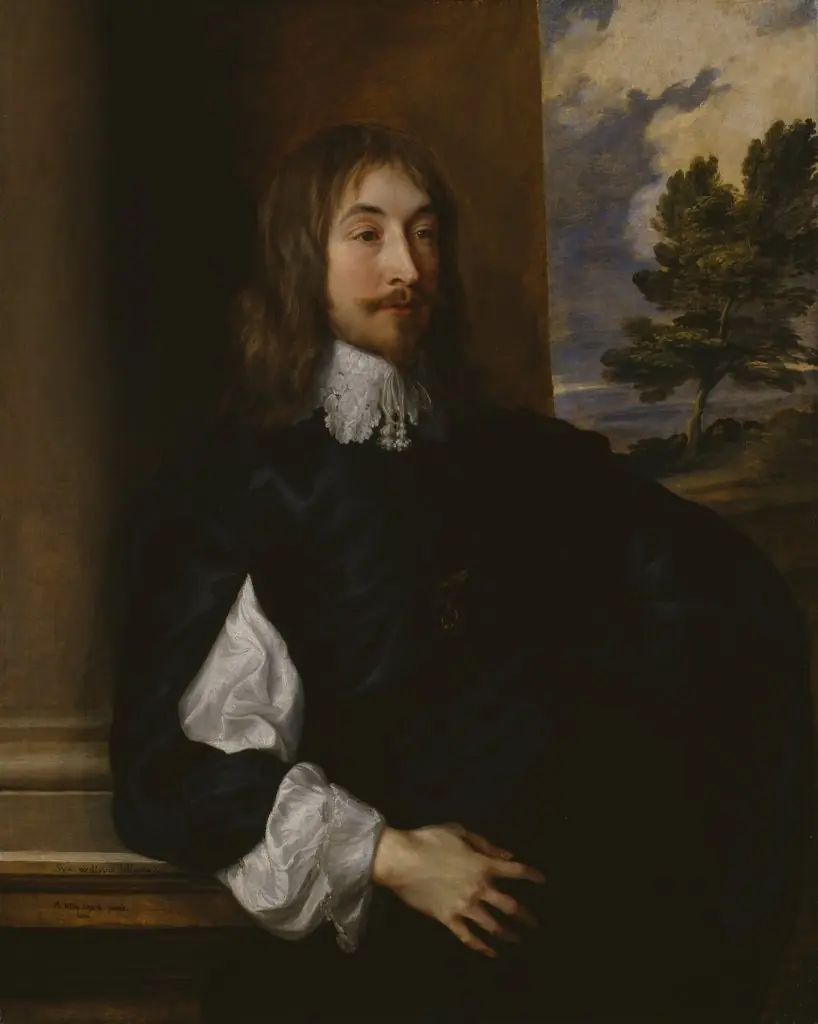 Portrait of Sir William Killigrew
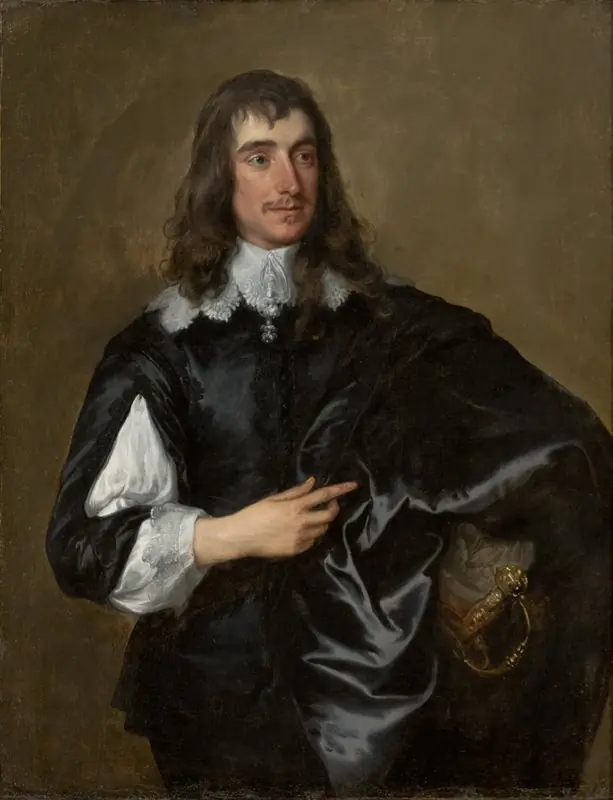 Portrait of a man, possibly William Howard, Viscount of Stafford
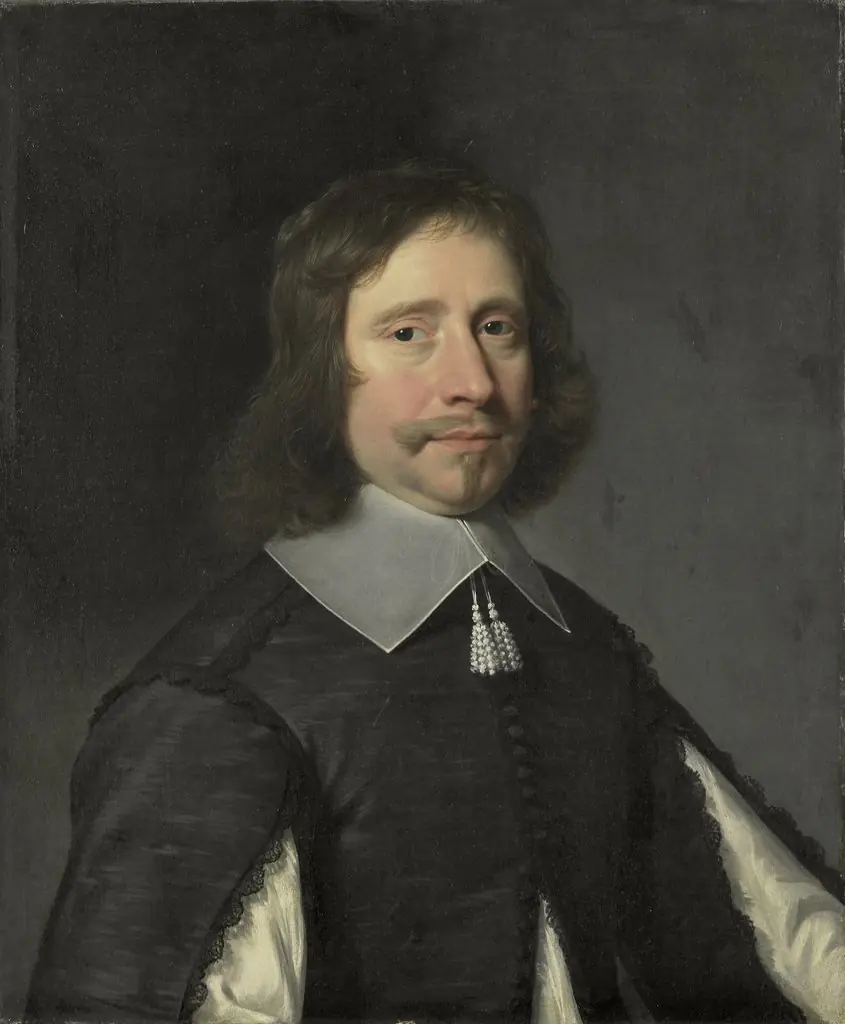 Portrait of a man, perhaps Philippe de la Trémoïlle (1596-?), count of Olonne
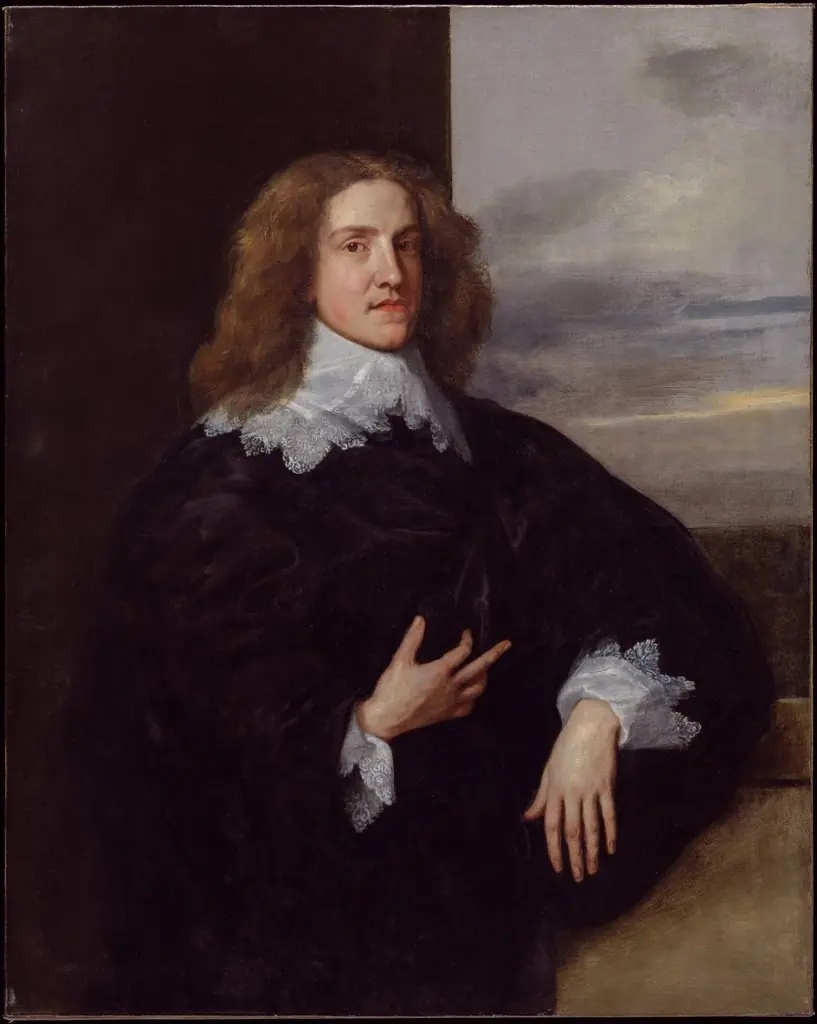 Young Gentleman (Earl of Downe?)
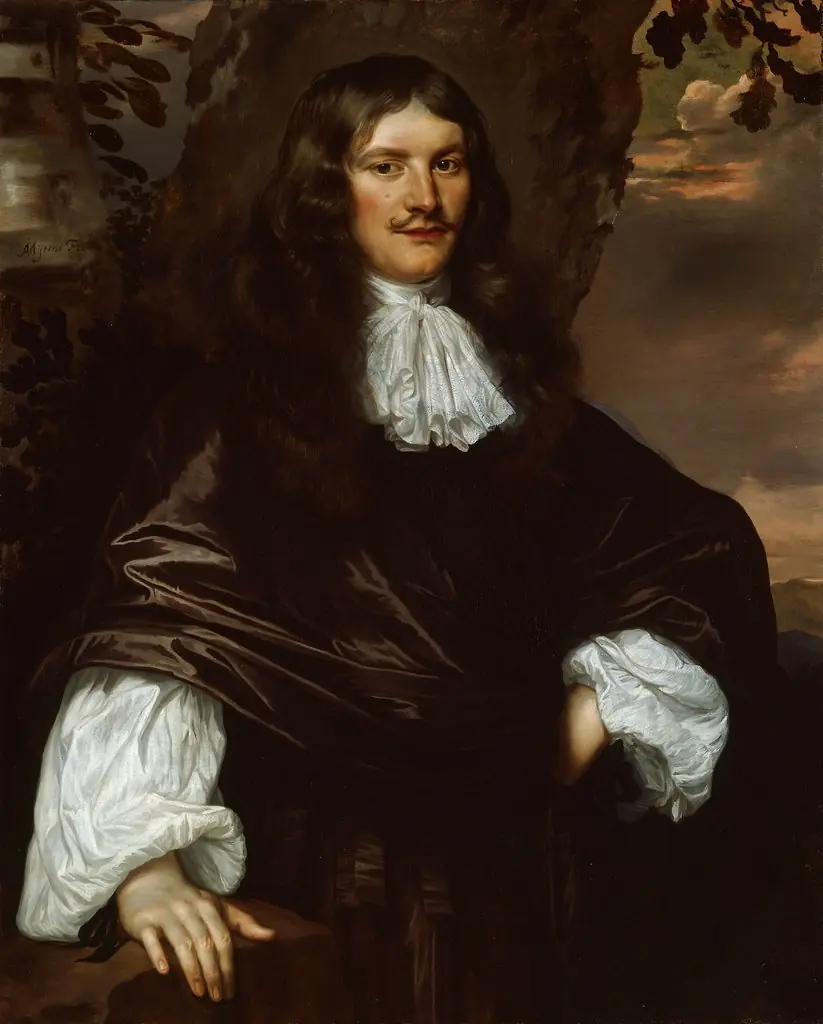 Portrait of a Man
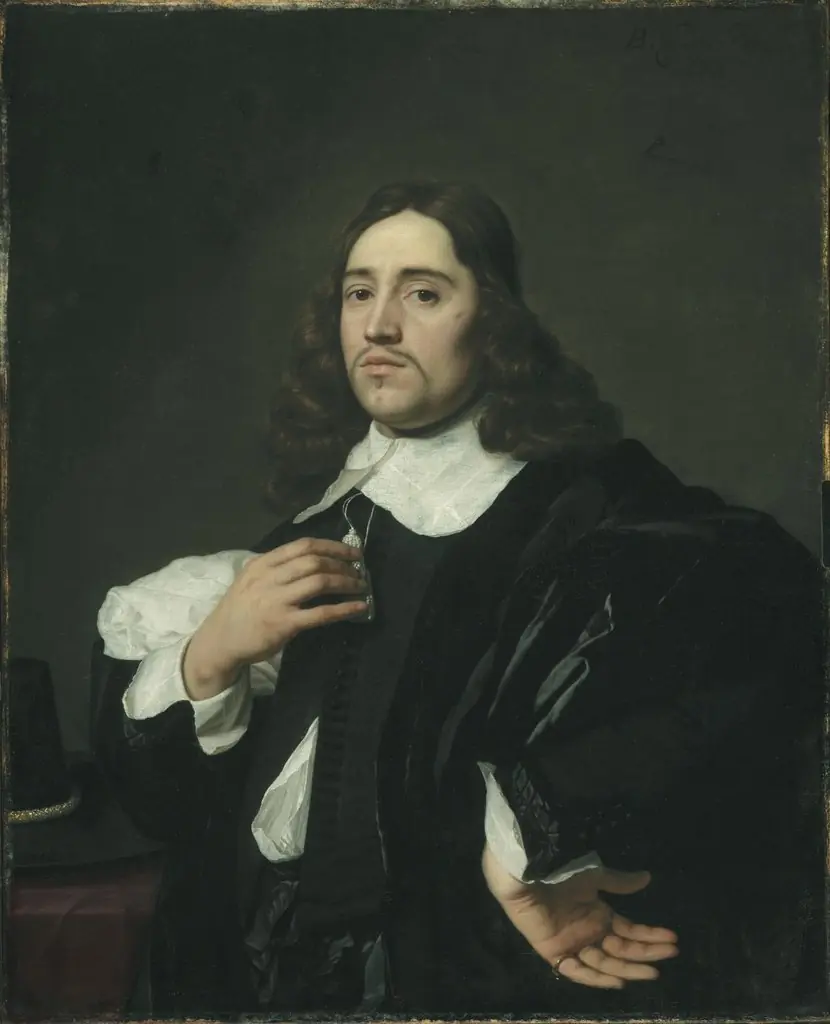 Portrait of a Gentleman (hand on hip)
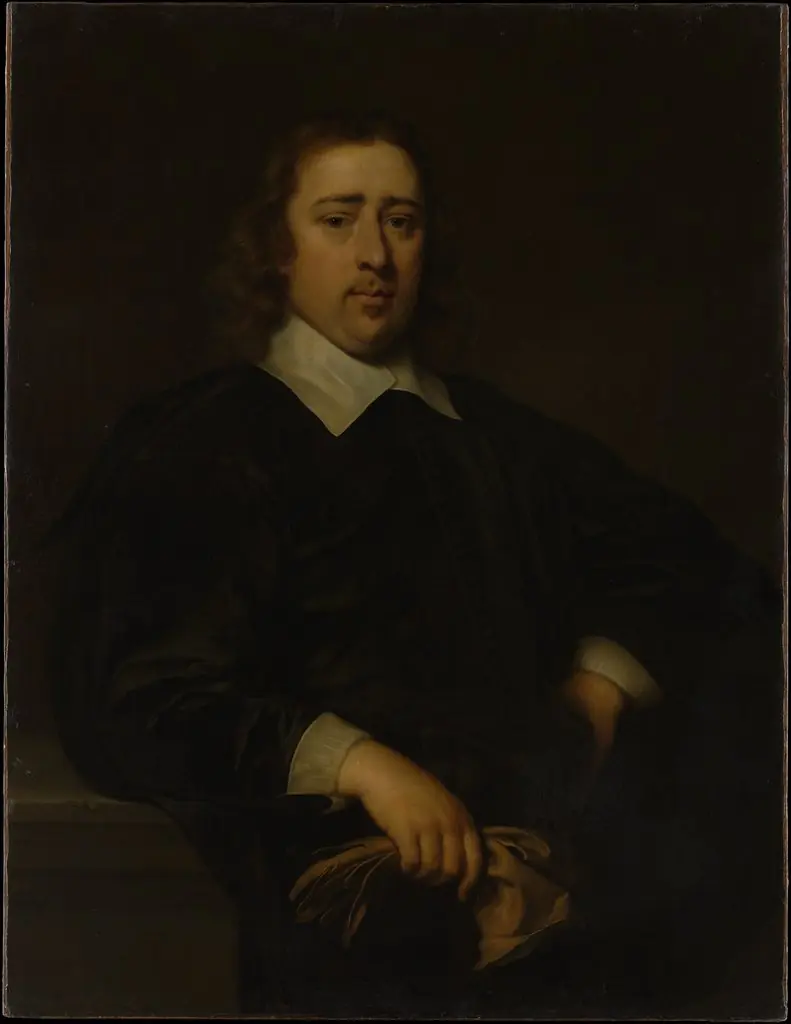 Portrait of a Man
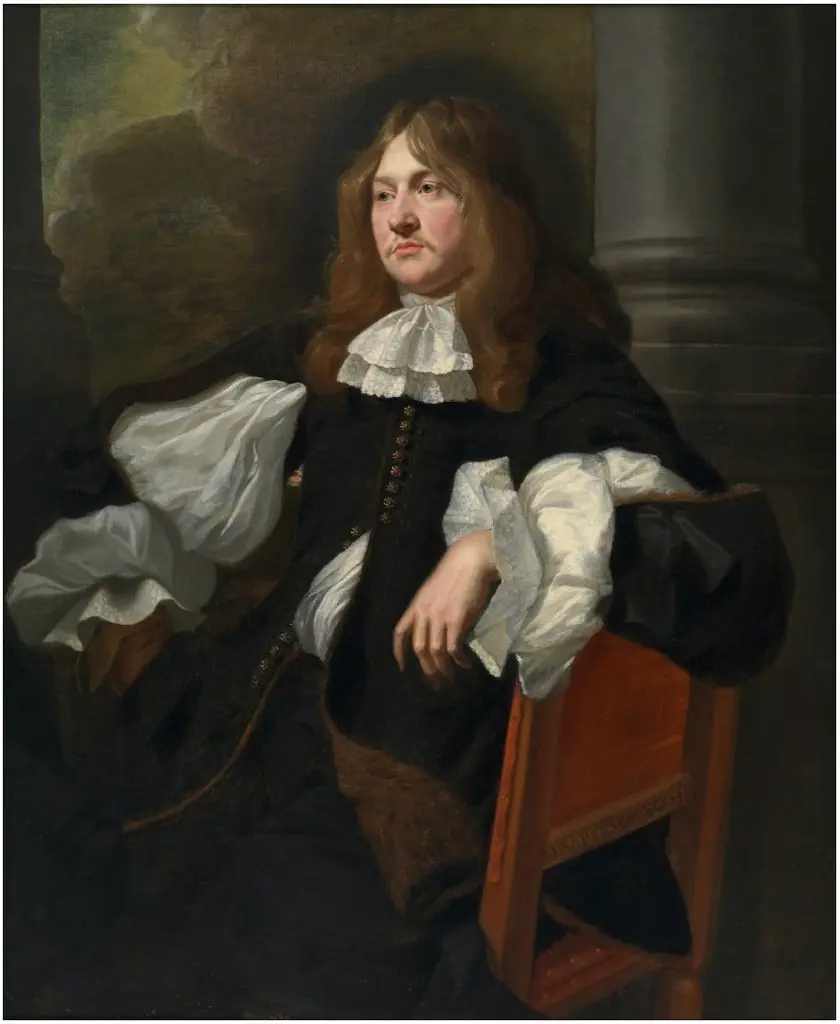 Portrait of Edward Hyde
 Portrait of a Dutch gentleman