Artwork
Saying Grace
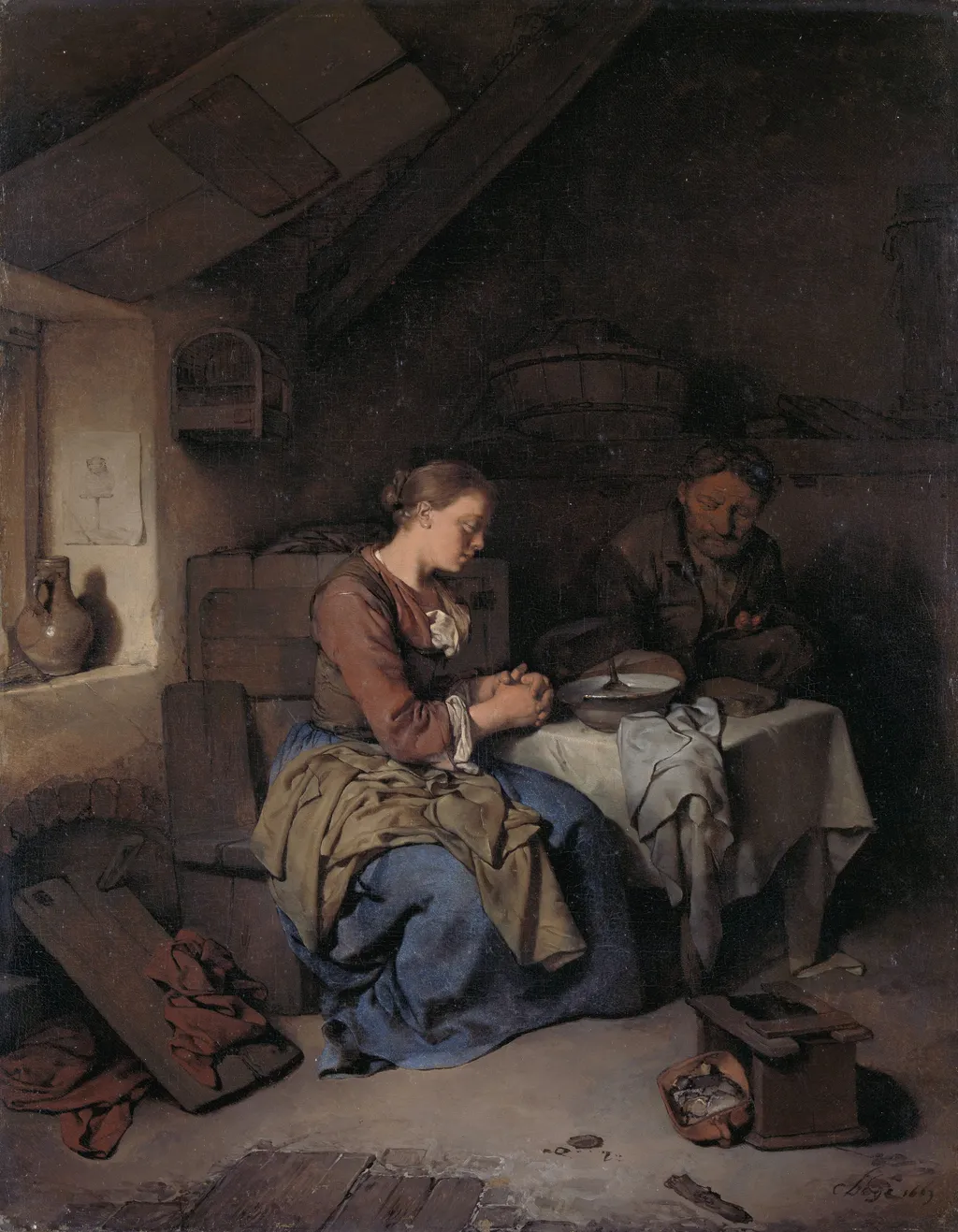
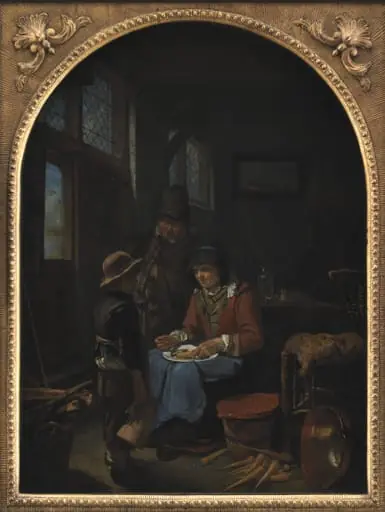
Saying Grace is an oil painting by the Dutch Golden Age artist Cornelis Pietersz Bega. It dates from 1663 and is held in the collection of the Rijksmuseum.
About this work
Overview
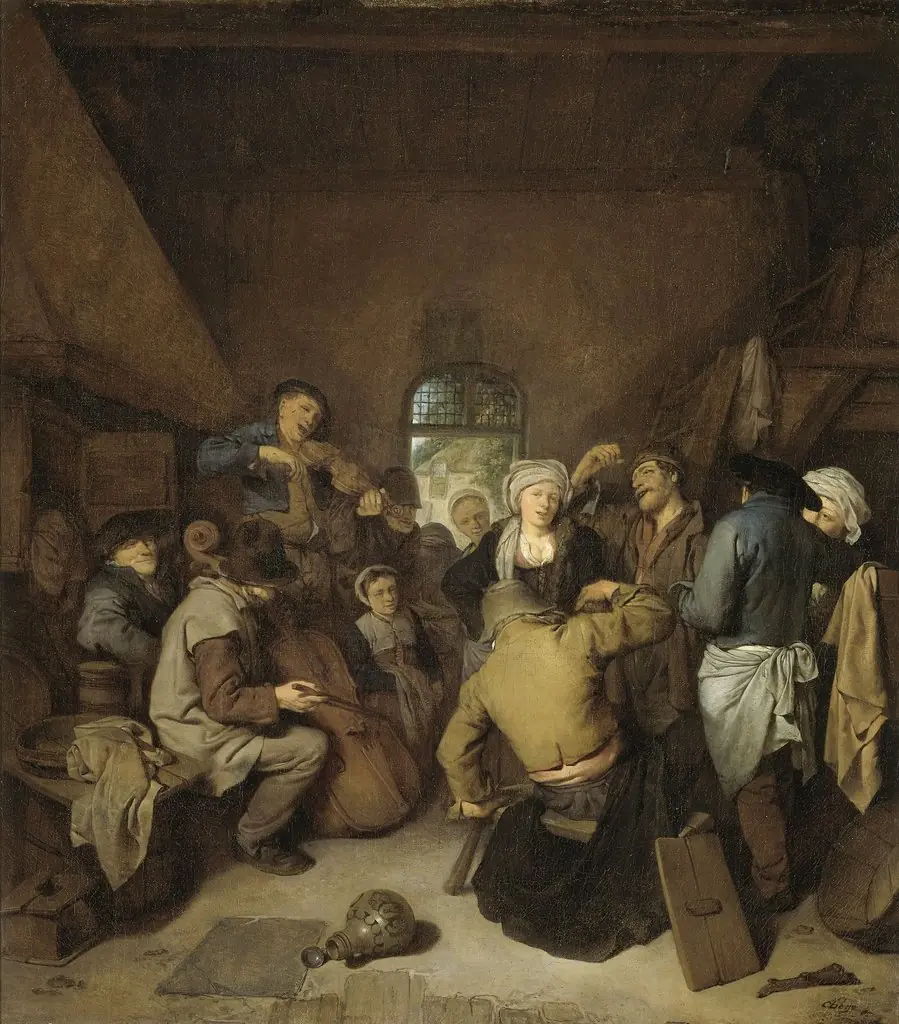
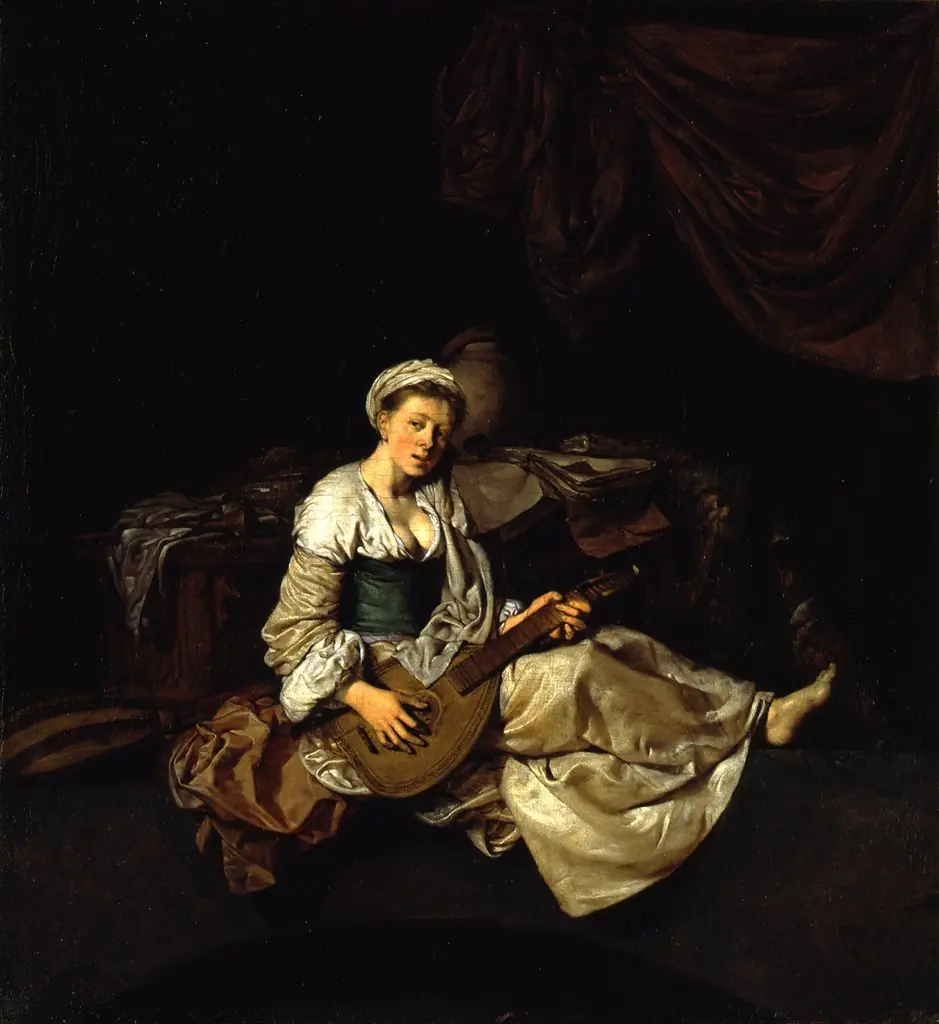
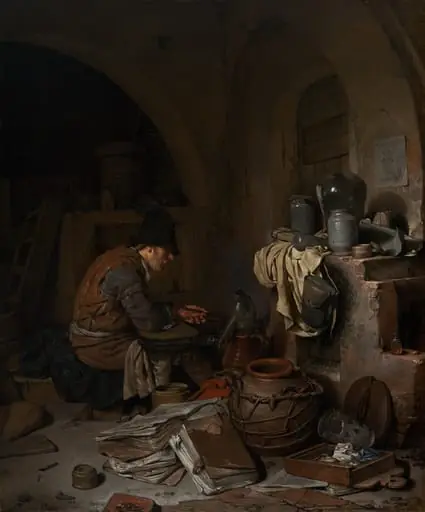
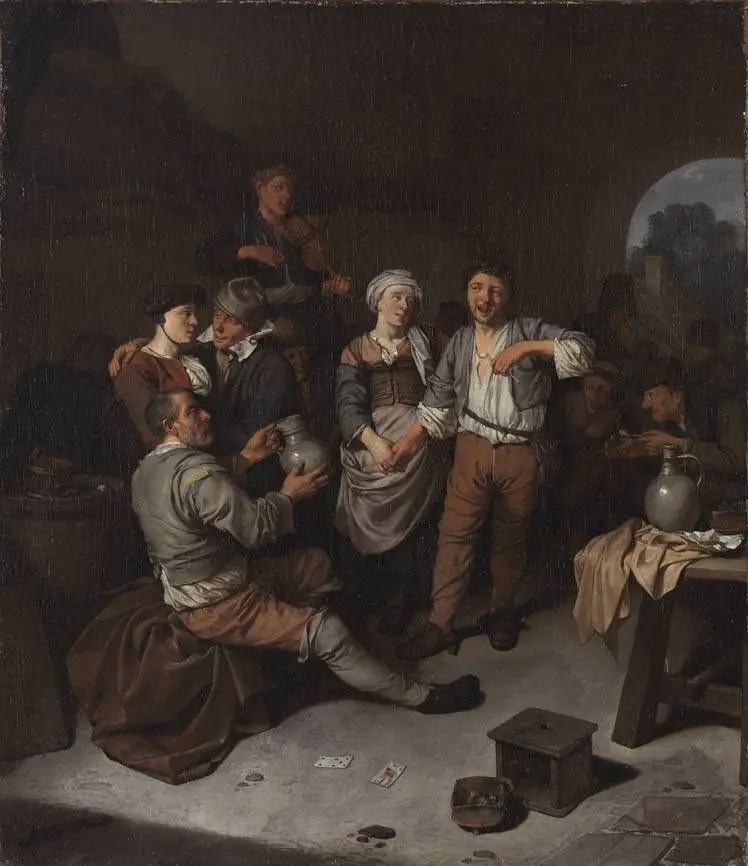
Cornelis Pietersz Bega’s *Saying Grace* is an oil painting completed in 1663, representative of the Dutch Golden Age. A Haarlem-based artist, Bega specialized in genre scenes, often portraying modest interiors populated by small groups. This work, now in the Rijksmuseum, captures a private, devotional moment within a household, reflecting the period’s interest in domestic piety and everyday life.
Subject & Meaning
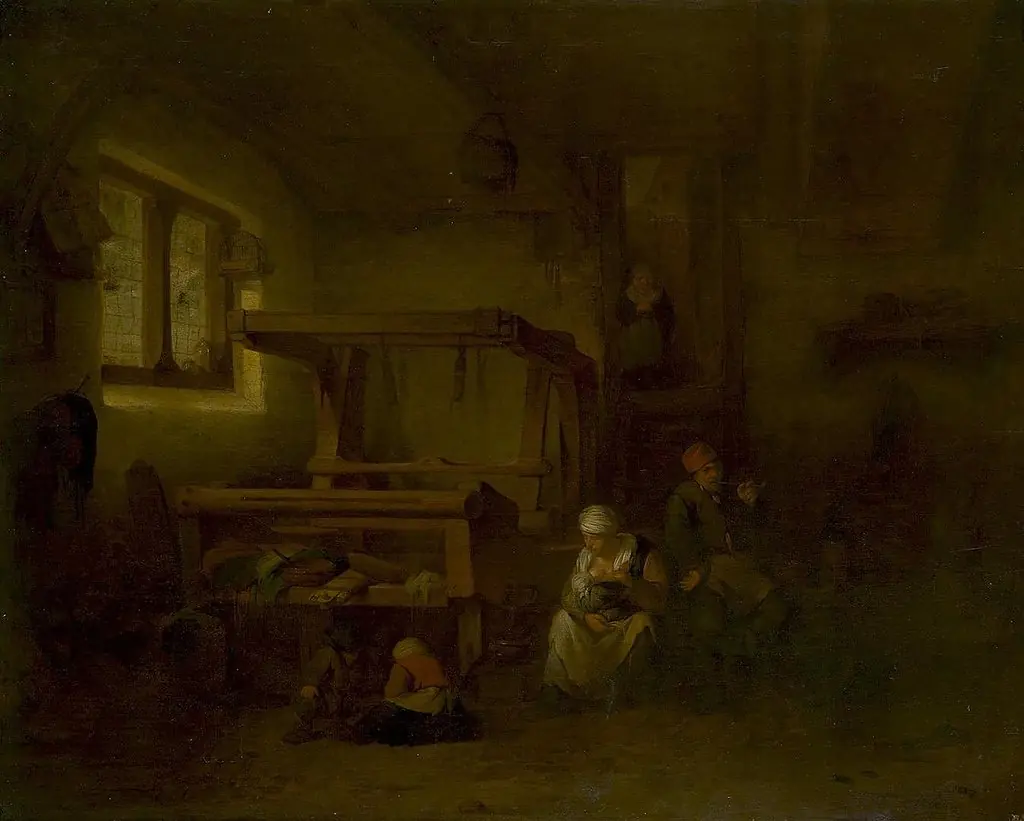
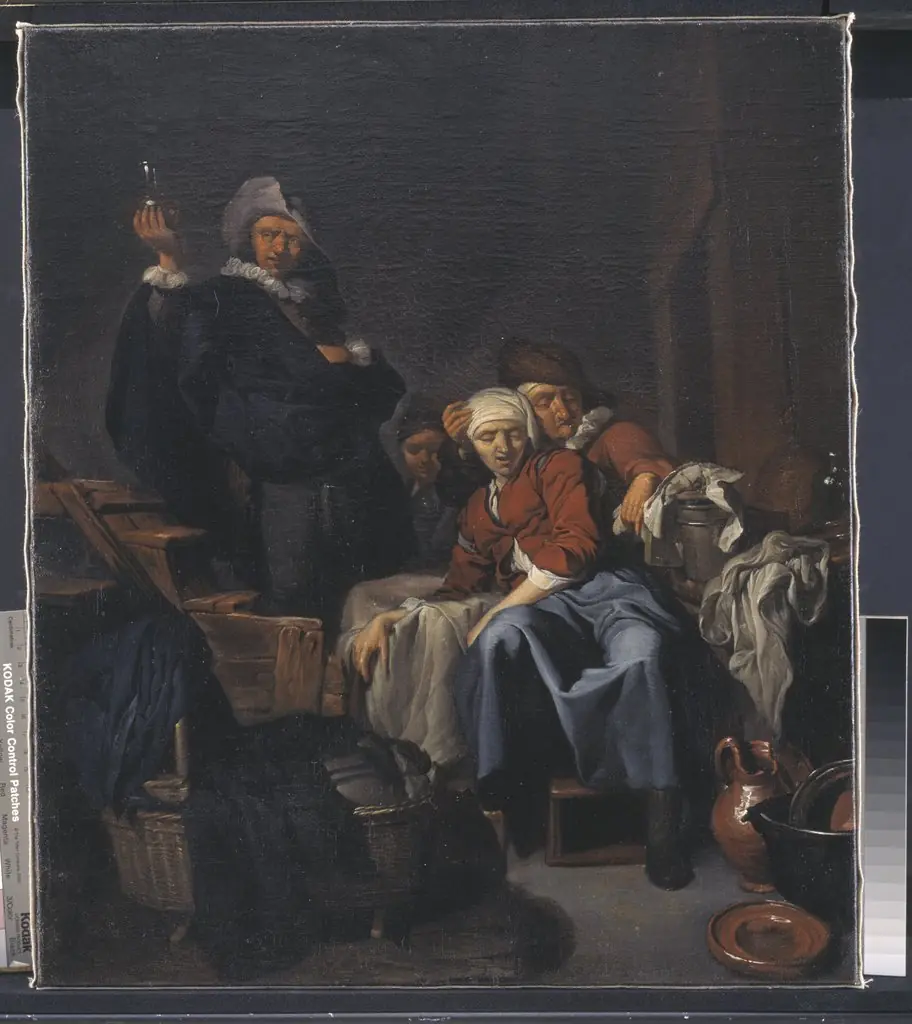
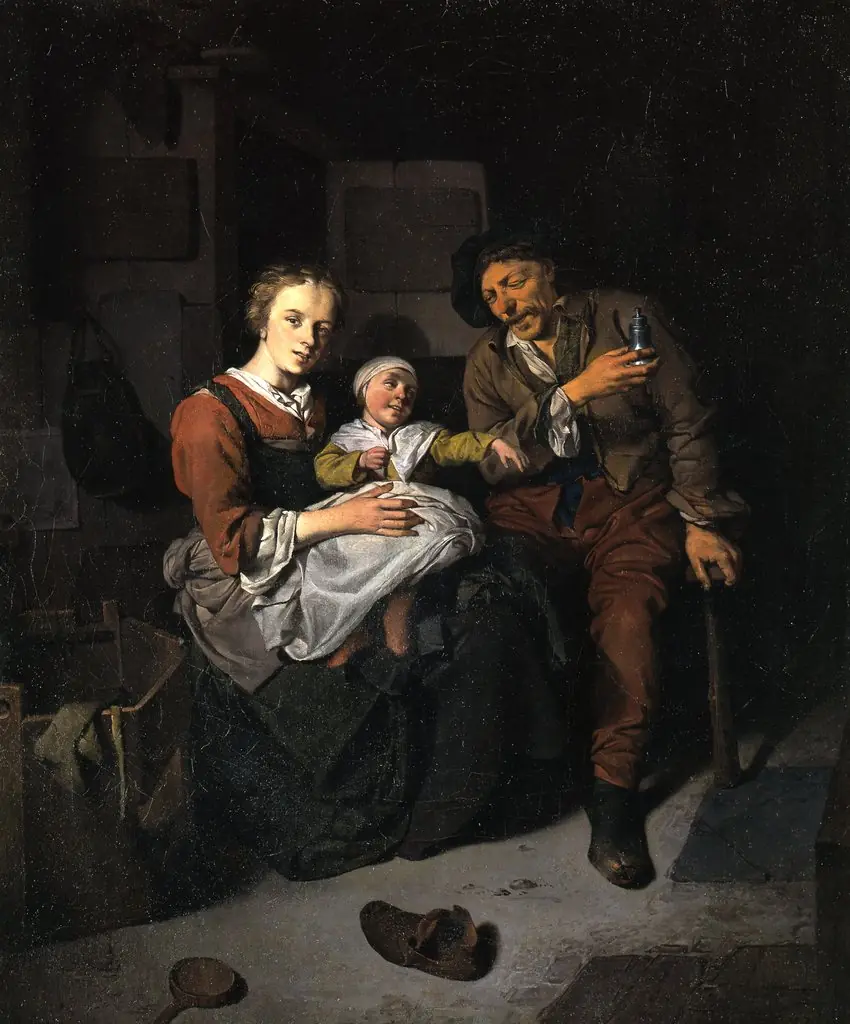
The painting depicts a man and woman seated at a table, heads bowed in prayer before a meal. Their simple attire—a woman’s apron and long skirt, a man’s dark jacket—suggests a working-class or rural setting. The act of grace, a common Protestant practice, underscores themes of humility and gratitude. The subdued composition emphasizes the sincerity of the ritual over ostentation.
Technique & Style
Bega employs chiaroscuro to heighten the scene’s intimacy, contrasting the figures’ illuminated forms with the surrounding dimness.
Bega employs chiaroscuro to heighten the scene’s intimacy, contrasting the figures’ illuminated forms with the surrounding dimness. Warm, earthy tones dominate, reinforcing the domestic atmosphere. The brushwork is precise yet unobtrusive, focusing attention on the figures while rendering secondary details—such as the jug on a shelf or basket on the floor—with understated realism. The style aligns with Dutch Golden Age genre painting, prioritizing narrative clarity and emotional resonance.
History & Provenance
Created in 1663, *Saying Grace* reflects Bega’s training under Adriaen van Ostade, whose influence is evident in the painting’s focus on peasant life. The work entered the Rijksmuseum’s collection, where it remains part of the institution’s holdings on Dutch Golden Age art. Its provenance prior to acquisition is not extensively documented, though its survival attests to the enduring appeal of genre scenes from this period.
Context
During the Dutch Golden Age, genre painting flourished, often depicting scenes of daily life infused with moral or religious significance. *Saying Grace* exemplifies this trend, portraying a moment of private devotion within a secular setting. Such works resonated with a Protestant audience that valued personal piety and frugality, offering visual affirmations of virtuous conduct in ordinary circumstances.
Legacy
Bega’s *Saying Grace* contributes to the broader canon of Dutch genre painting, illustrating the period’s ability to elevate mundane subjects through composition and technique. While less celebrated than some contemporaries, Bega’s works endure as studies of quiet domesticity and religious observance. The painting’s preservation in the Rijksmuseum ensures its continued role in discussions of 17th-century Dutch art and cultural values.
Own this work as a print
Artist & collection
Artist
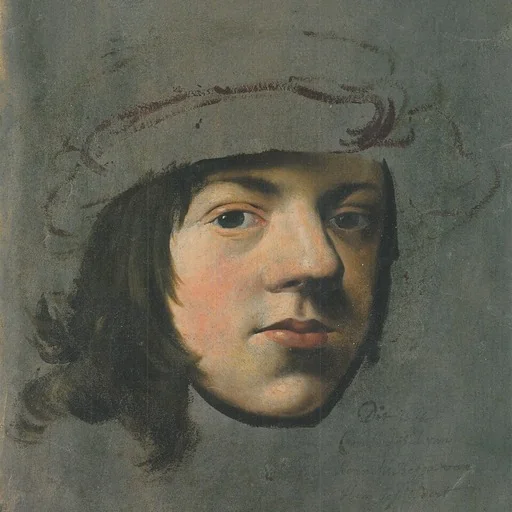
Cornelis Pietersz Bega, or Cornelis Pietersz Begijn (1631/32 – 27 August 1664) was a Dutch Golden Age painter and engraver.