Artwork
The Alchemist
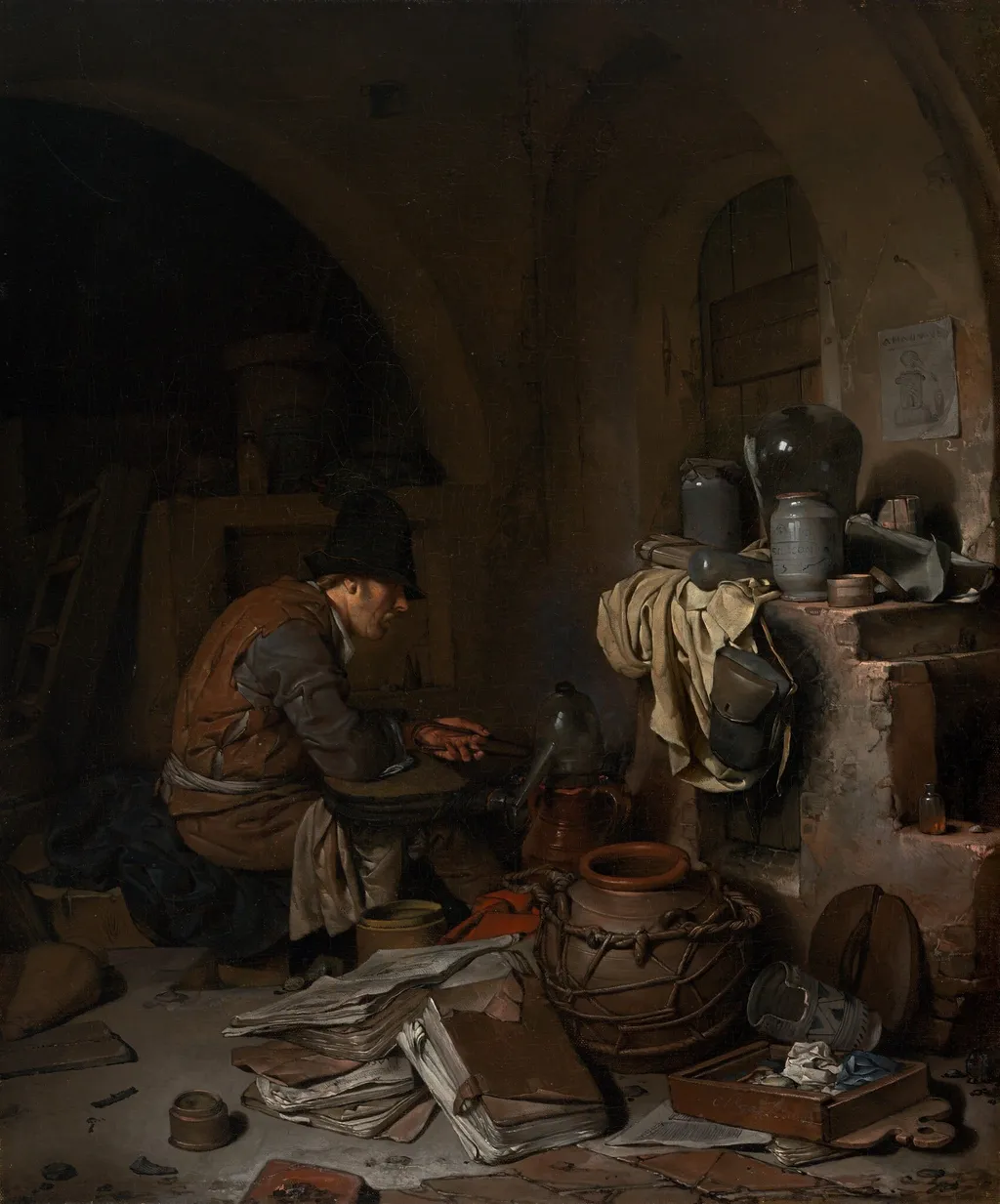
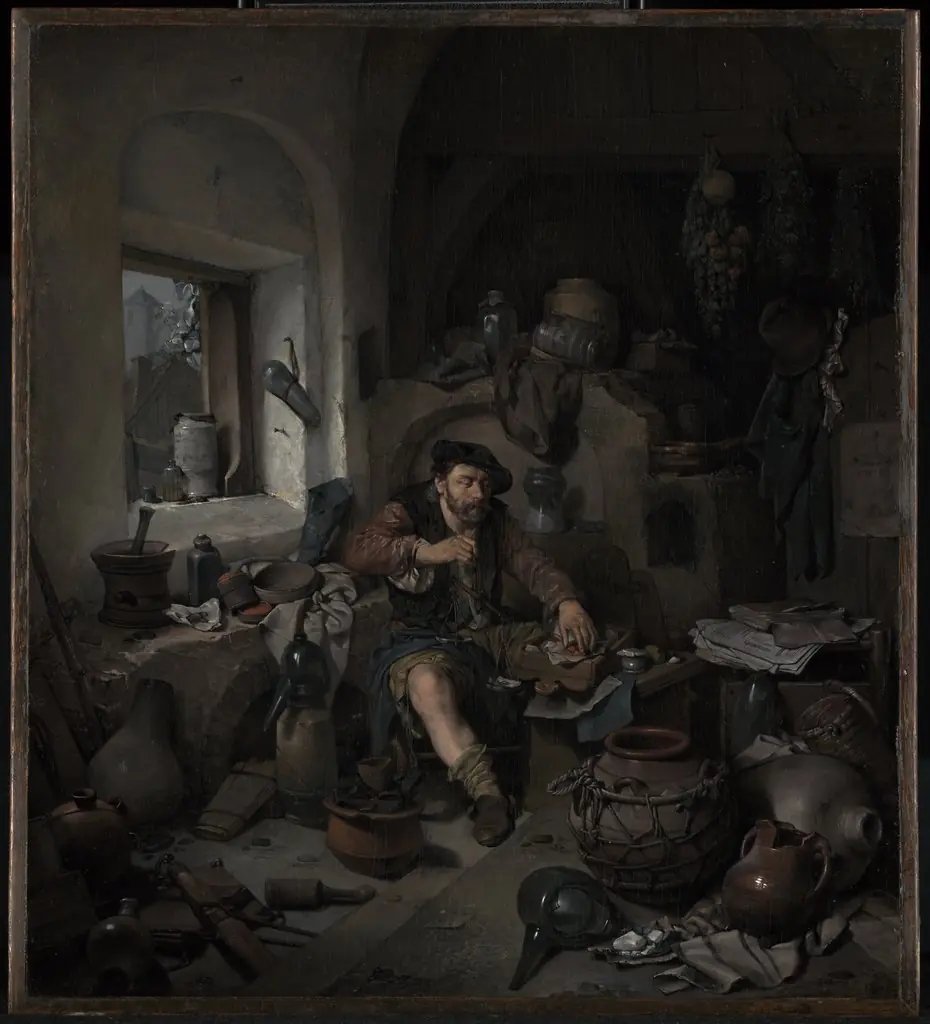
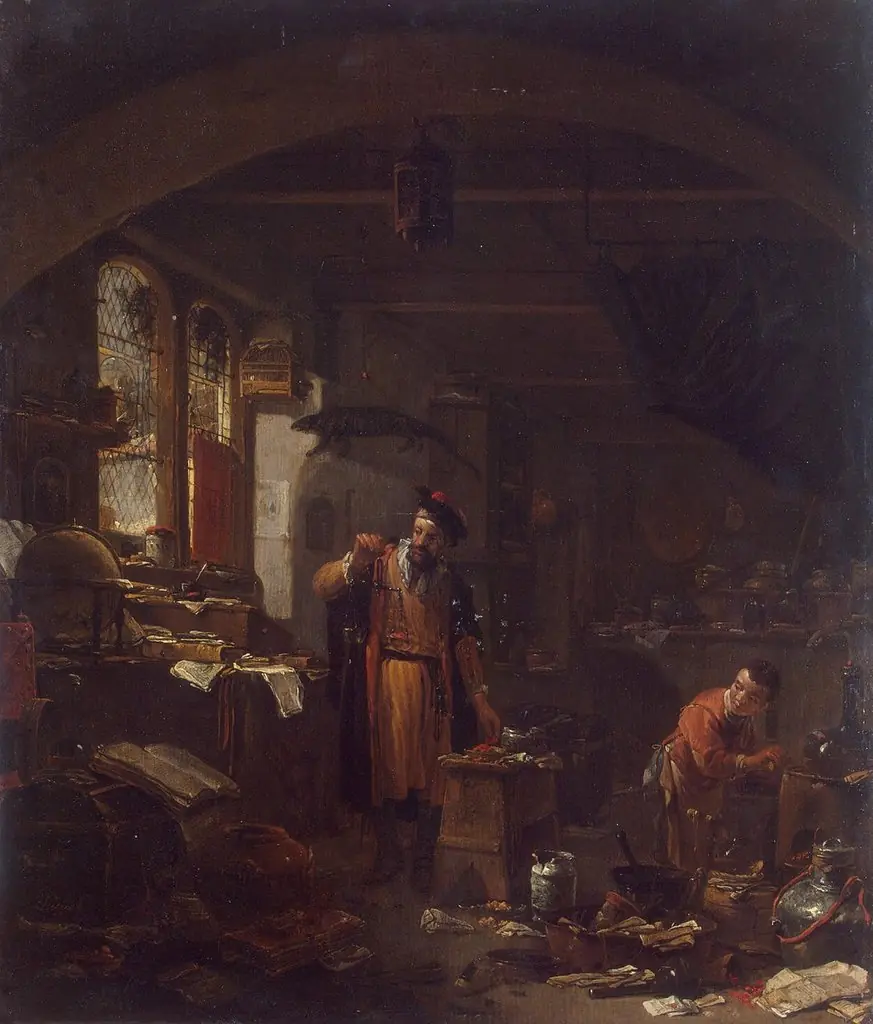
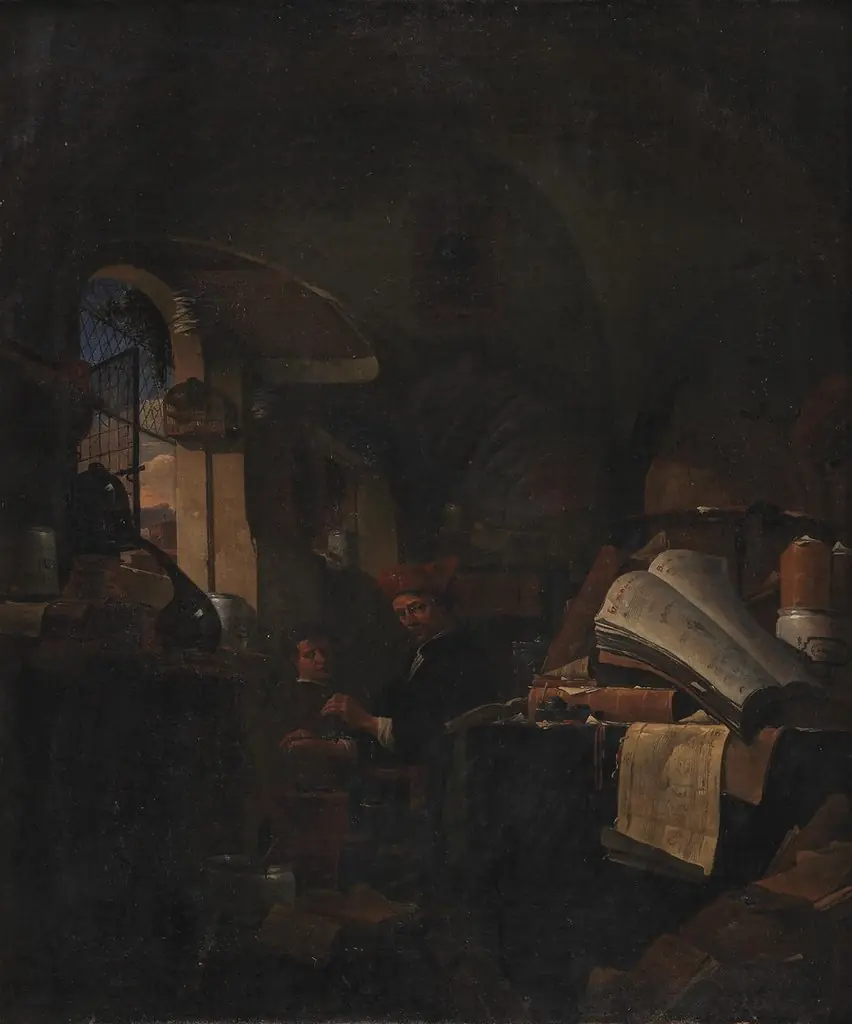
The Alchemist is an oil painting by the Baroque artist Cornelis Pietersz Bega. It dates from 1663 and is held in the collection of the National Gallery of Art.
About this work
Overview
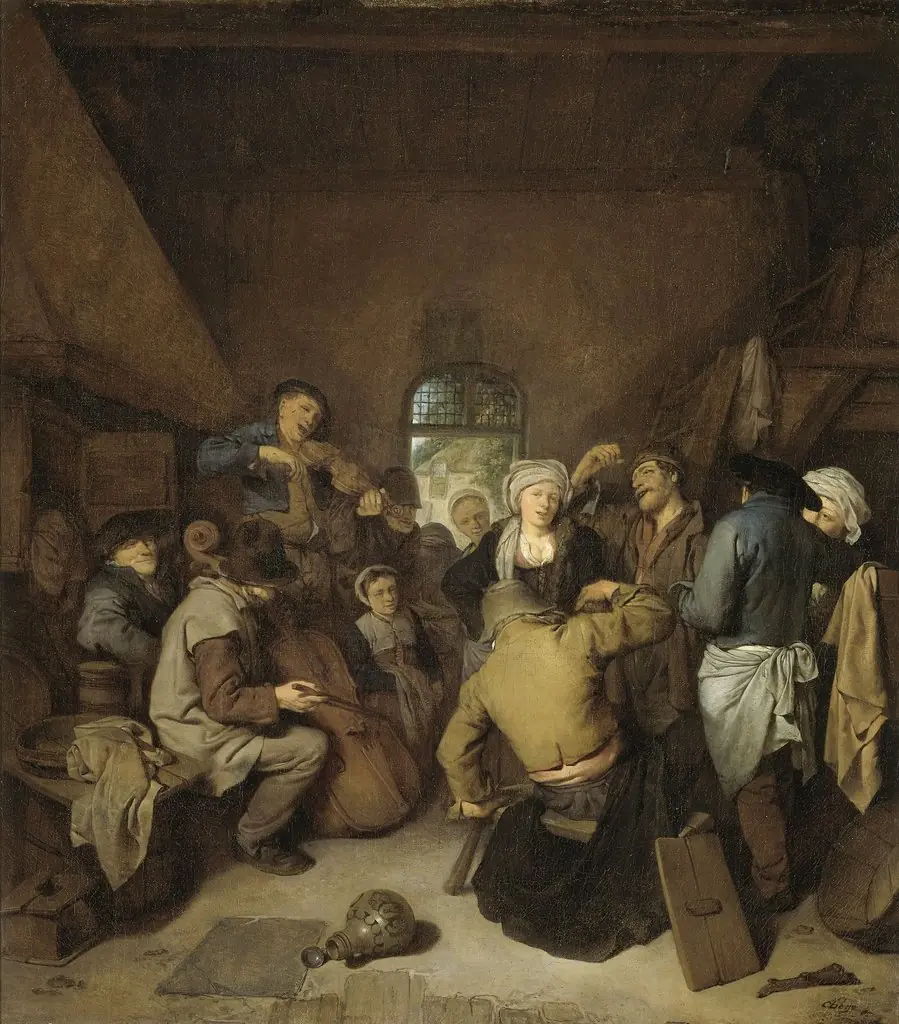
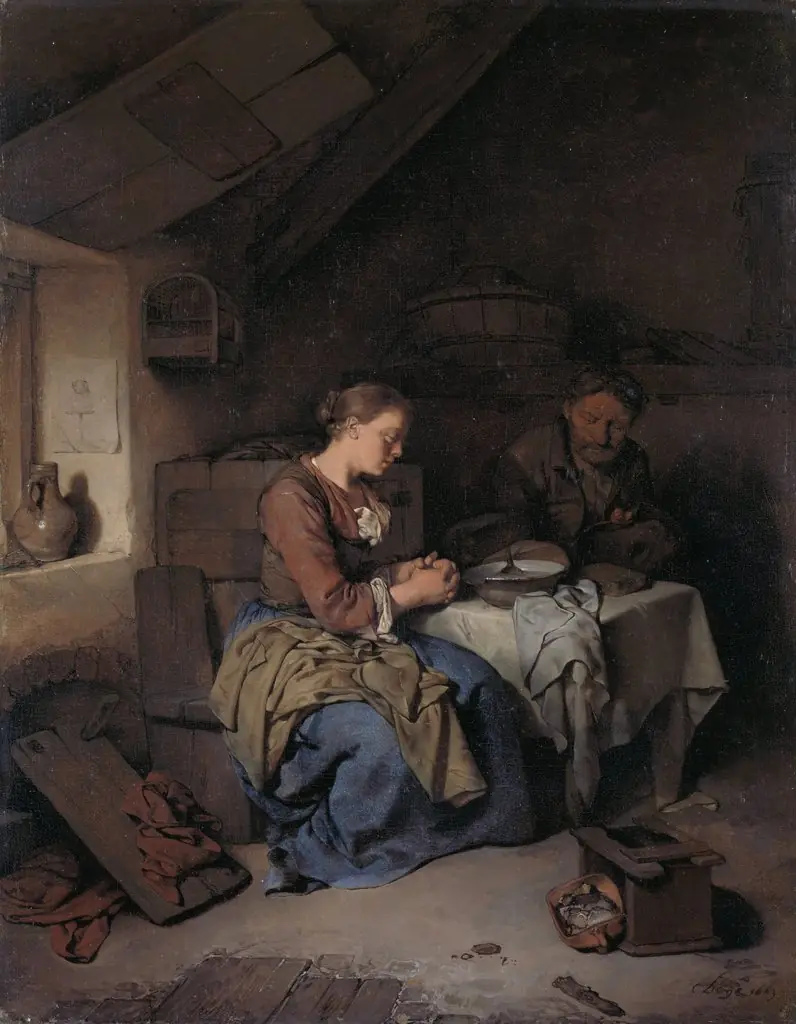
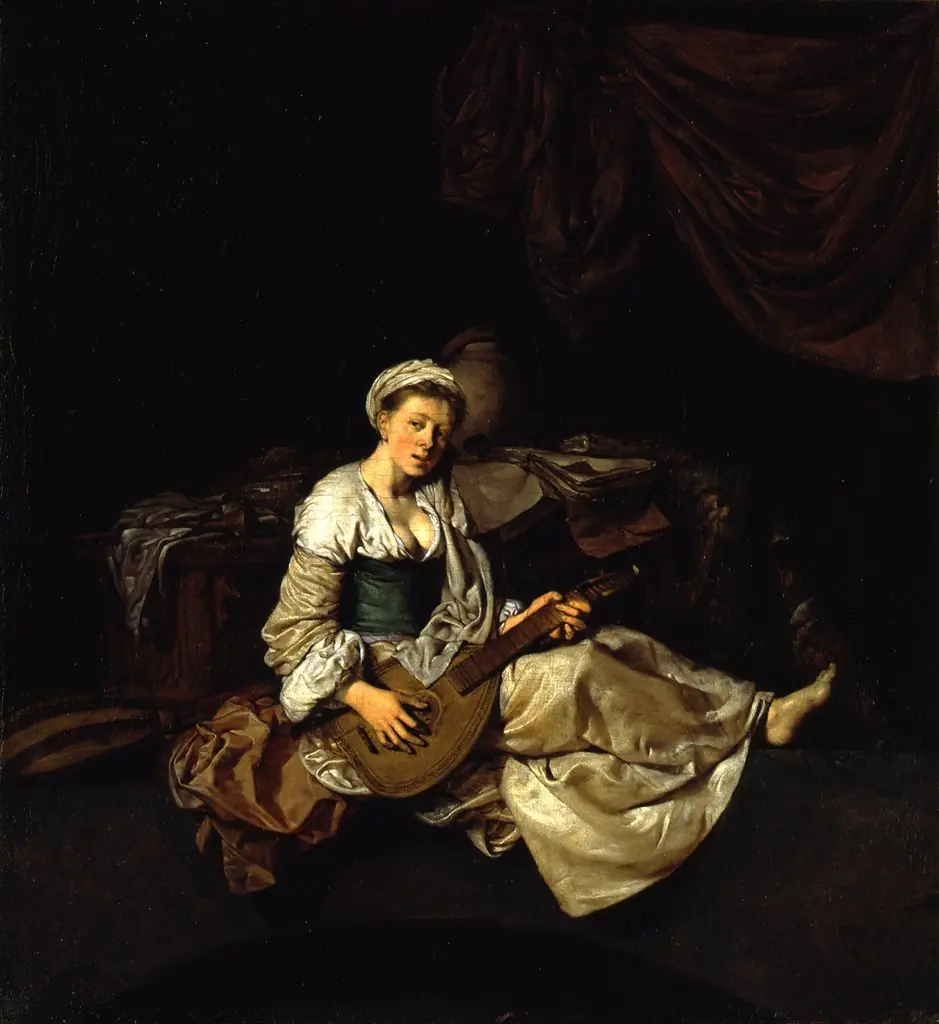
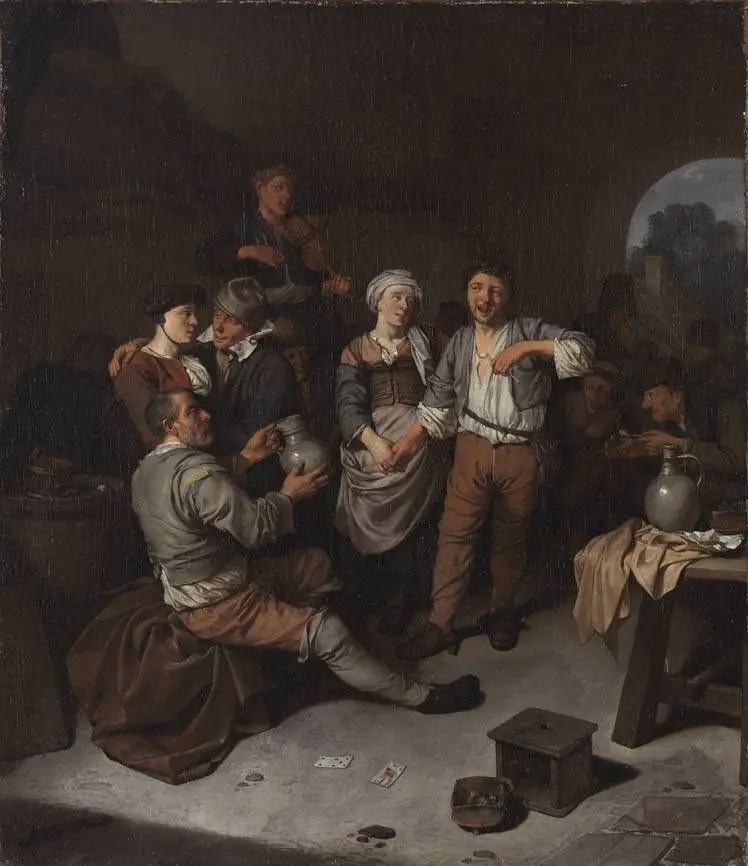
Cornelis Pietersz Bega, active in Haarlem during the Dutch Golden Age, produced *The Alchemist* in 1663. Trained by Adriaen van Ostade, Bega specialized in genre scenes, typically rendering modest interiors populated by a handful of figures. This oil-on-panel work exemplifies his focus on quotidian subjects, presenting a solitary practitioner absorbed in his craft.
Subject & Meaning
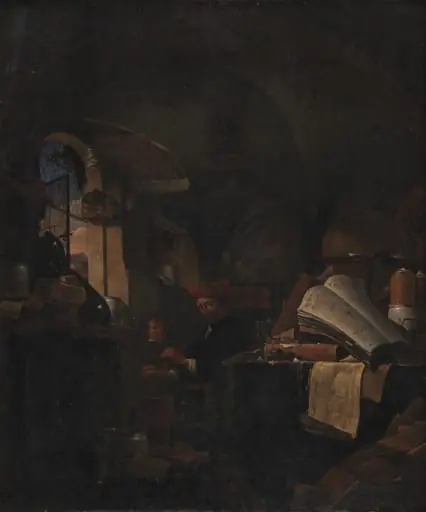
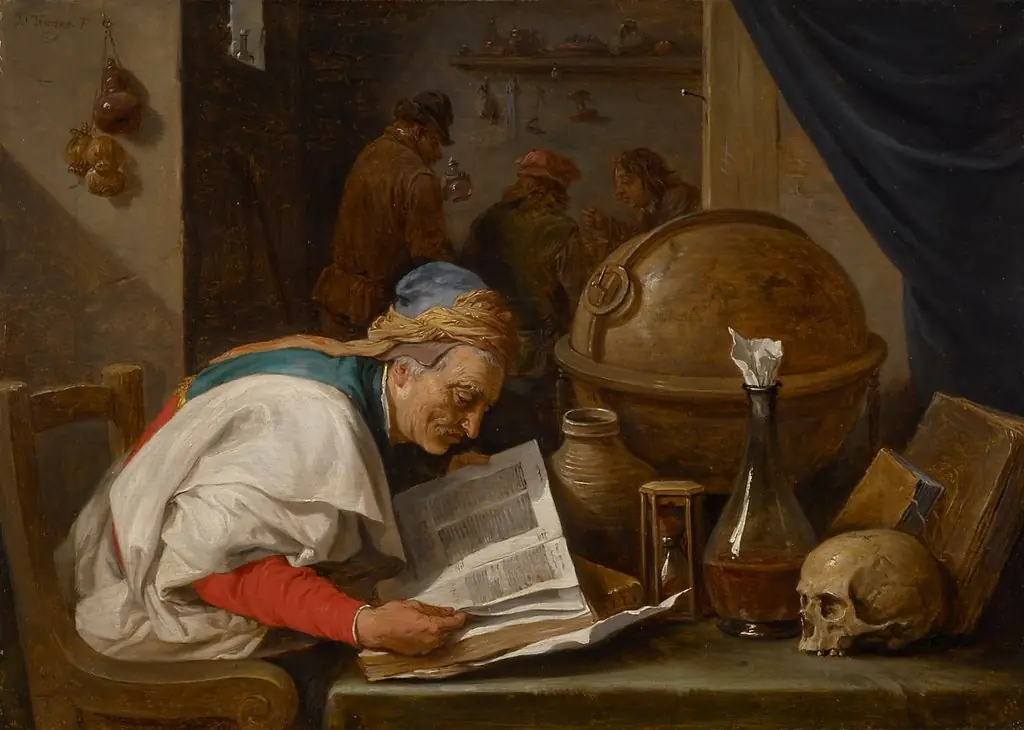
The composition centers on an alchemist engrossed in his laboratory. Dressed in a dark hat and work-worn vest, he manipulates apparatuses amid a dense accumulation of books, glassware, and tools. The scene evokes the period’s fascination with transformation—both material and intellectual—while subtly questioning the boundaries between empirical inquiry and esoteric pursuit.
Technique & Style
Bega’s brushwork balances meticulous detail with loose, expressive strokes, particularly in the rendering of fabrics and metallic surfaces. A restrained palette of earth tones and muted hues directs attention to the interplay of light and shadow, enhancing the spatial depth of the vaulted chamber. The cluttered arrangement of objects underscores the alchemist’s obsessive labor.
History & Provenance
Executed in 1663, *The Alchemist* reflects Bega’s engagement with Haarlem’s artistic circles, where genre painting flourished. The work’s early ownership history remains fragmentary, though it entered public collections in the 19th century. Its survival intact testifies to the enduring appeal of Dutch Golden Age interiors, which continue to be studied for their social and scientific implications.
Context
The painting’s cluttered setting mirrors the era’s expanding material culture, where curiosity cabinets and laboratories symbolized both progress and folly.
Alchemy occupied a liminal space in 17th-century Europe, straddling proto-scientific experimentation and mystical tradition. Bega’s depiction aligns with contemporary Dutch genre scenes that often juxtaposed diligent labor with moral ambiguity. The painting’s cluttered setting mirrors the era’s expanding material culture, where curiosity cabinets and laboratories symbolized both progress and folly.
Own this work as a print
Artist & collection
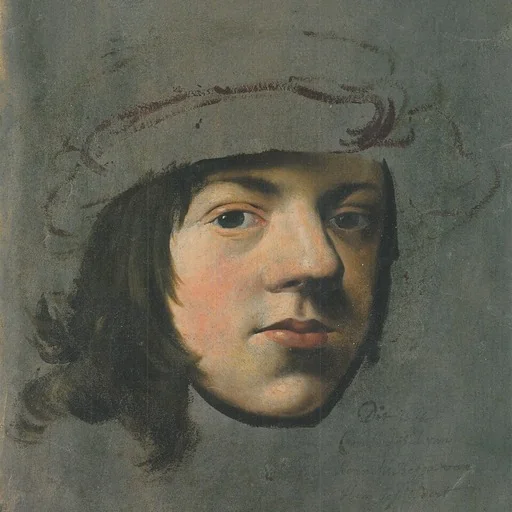
Artist
Cornelis Pietersz Bega, or Cornelis Pietersz Begijn (1631/32 – 27 August 1664) was a Dutch Golden Age painter and engraver.