Artwork
Saint Peter
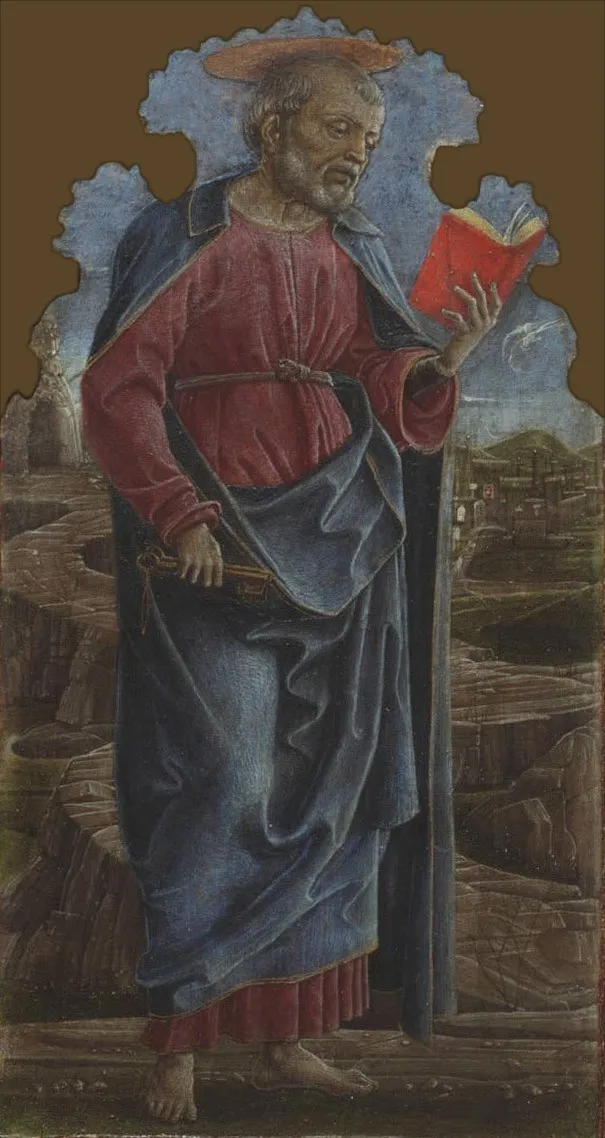
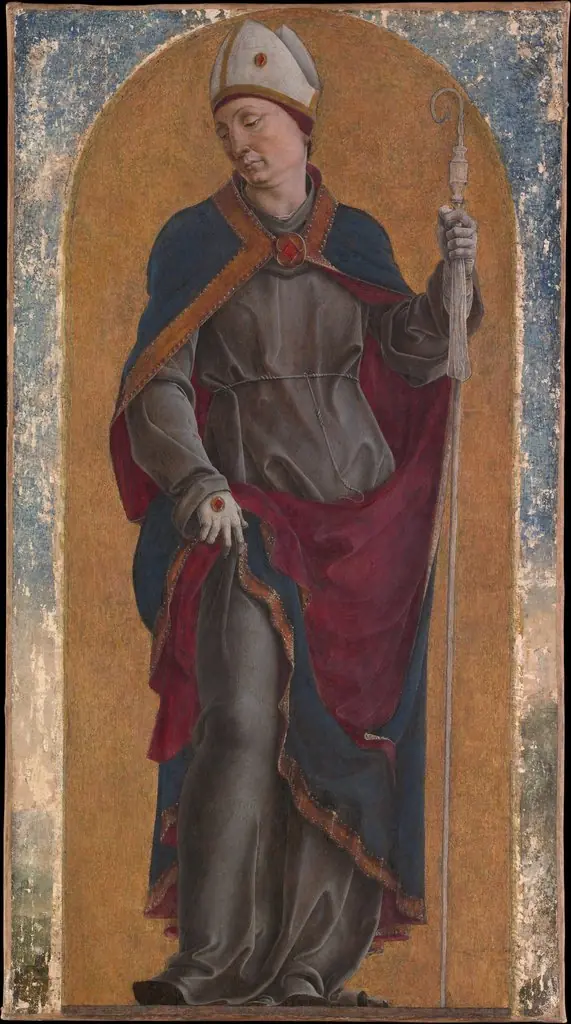
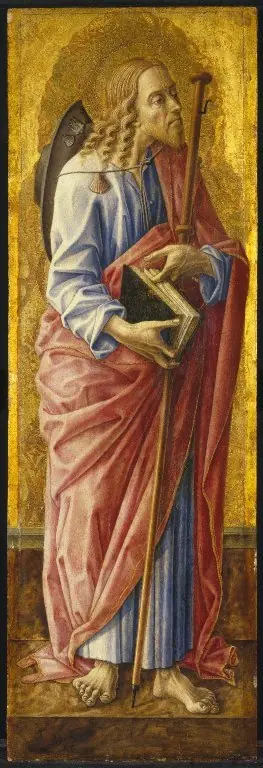
Saint Peter is an oil painting by the Early Renaissance artist Cosimo Tura. It dates from 1474 and is held in the collection of the Philadelphia Museum of Art.
About this work
Overview
The painting is part of the Philadelphia Museum of Art’s collection, where it remains a key example of northern Italian devotional art from the Quattrocento.
Painted in 1474 by Cosmè Tura, this oil-on-panel work portrays Saint Peter, one of Christianity’s foundational apostles. Executed during the early Renaissance, it reflects Tura’s role in establishing the distinctive style of the Ferrarese school. The painting is part of the Philadelphia Museum of Art’s collection, where it remains a key example of northern Italian devotional art from the Quattrocento.
Subject & Meaning
The figure of Saint Peter is identified by his halo, traditional red tunic, and blue cloak, garments associated with his apostolic authority. He holds a book, symbolizing his role as a transmitter of sacred teaching. The austere rocky backdrop suggests spiritual solitude and the earthly trials of faith, reinforcing his identity as the first pope and keeper of the keys to heaven.
Technique & Style
Tura employed oil paint with meticulous detail, rendering textures in fabric and stone with a crystalline precision unusual for the period. His figures exhibit elongated proportions and angular drapery, characteristic of Ferrara’s courtly aesthetic. The background landscape, though minimal, is rendered with atmospheric depth, enhancing the figure’s solemn presence without distracting from its devotional focus.
History & Provenance
The painting was likely created for private devotion or a small ecclesiastical setting in Ferrara, where Tura served as court painter to the Este family. Its documented presence in Philadelphia dates to the early 20th century, following acquisition from a European collection. No earlier provenance is firmly established, but its style aligns with other known works from Tura’s mature period.
Context
In 15th-century Ferrara, religious imagery was shaped by the Este court’s patronage and a blend of northern European realism with Italian formalism. Tura’s work stood apart for its intense emotional restraint and decorative linearity. This portrait of Peter reflects a broader trend in northern Italy of personalizing apostolic figures for contemplative worship, distinct from the more monumental styles of Florence or Rome.
Legacy
Tura’s *Saint Peter* exemplifies the quiet innovation of the Ferrarese school, influencing later artists through its synthesis of emotional gravity and stylized form. Though less widely known than contemporaries like Mantegna, his approach to sacred portraiture contributed to the evolution of psychological depth in Renaissance religious art, particularly in northern Italian contexts.
Artist & collection
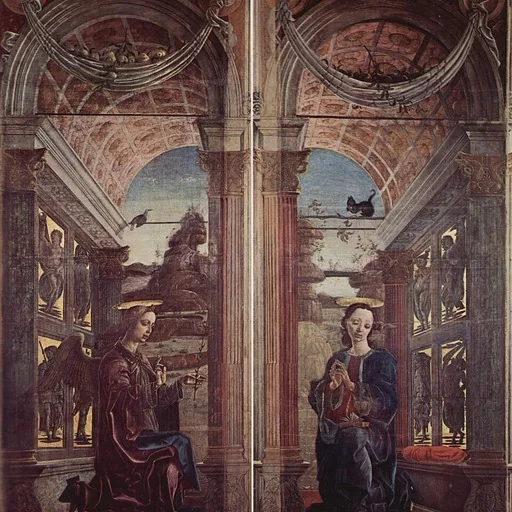
Artist
Cosmè Tura (Italian pronunciation: ; c. 1430 – 1495), also known as Il Cosmè or Cosimo Tura, was an Italian early-Renaissance (or Quattrocento) painter and considered one of the founders of the School of Ferrara. He…