Artwork
L'Heure (The Hour)
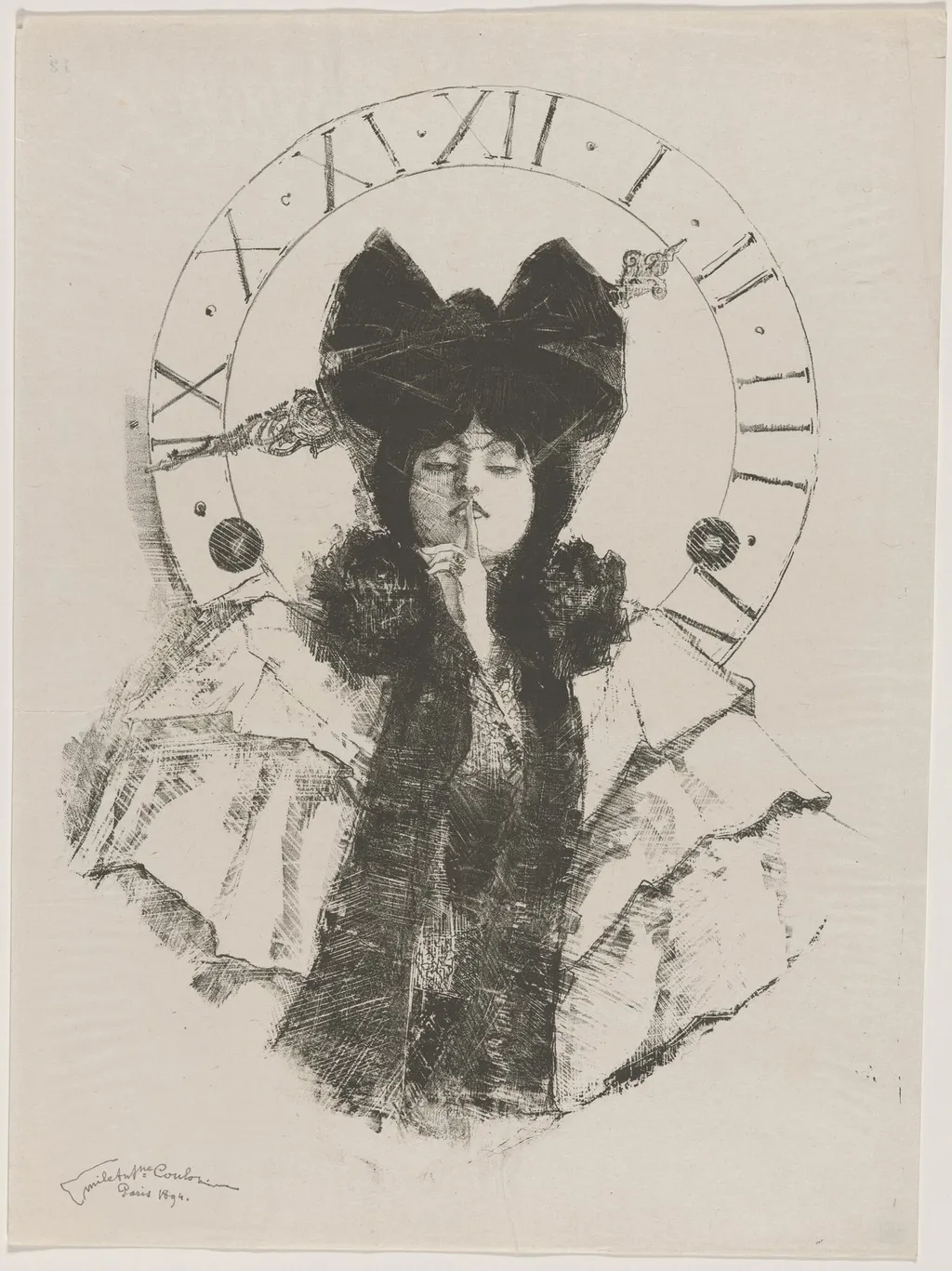
L'Heure (The Hour) is an ink print by the Impressionist artist Emile Coulon. It dates from 1894 and is held in the collection of the National Gallery of Art.
About this work
Overview
Its rough, sketch-like lines and unpolished surface suggest it was made as a rapid study rather than a finished composition.
L'Heure (The Hour), created in 1894 by Emile Coulon, is a lithograph executed in black ink on thin china paper. The work presents a solitary female figure in a large hat, engaged with a cigarette holder. Its rough, sketch-like lines and unpolished surface suggest it was made as a rapid study rather than a finished composition. The artist’s signature appears in one corner, reinforcing its intimate, personal character.
Subject & Meaning
The figure, partially illuminated, holds a cigarette holder with quiet composure, suggesting introspection or a moment of pause. Behind her, a clock face with Roman numerals but no hands evokes time’s presence without measurement. The absence of hands and the sketchy background imply a meditation on time’s ambiguity rather than its passage. The scene resists narrative clarity, favoring mood over story.
Technique & Style
Coulon employed lithography to achieve a tactile, almost drawn quality, using coarse, scratchy lines that echo pencil sketches. The china paper’s texture enhances the work’s rawness, allowing ink to sit unevenly and amplify the sense of spontaneity. The clock’s numerals are rendered with minimal detail, surrounded by ambiguous marks that blur the boundary between background and doodle, reinforcing the piece’s unfinished character.
History & Provenance
Created in 1894, L'Heure emerged during a period when lithography was widely used by artists for experimental, small-scale works. Coulon, less known than contemporaries, produced intimate prints often reflecting personal observation. The work’s survival as a single impression suggests it was never intended for mass reproduction, preserving its status as a private artistic gesture rather than a commercial product.
Context
In late 19th-century France, lithography offered artists a medium for immediacy and informal expression, often used for studies or personal projects. Coulon’s work aligns with this trend, echoing the introspective figures of Symbolist and Post-Impressionist circles. The clock motif, common in art of the era, here avoids moralizing—offering no warning or urgency, only a silent, empty frame.
Legacy
L'Heure remains a quiet example of late 19th-century lithographic experimentation, valued for its emotional restraint and technical honesty. It reflects an artist’s willingness to leave a work open-ended, embracing imperfection as part of its meaning. While not widely exhibited, it contributes to understanding how lesser-known artists used printmaking to explore mood over monumentality.
Artist & collection

 Polaire
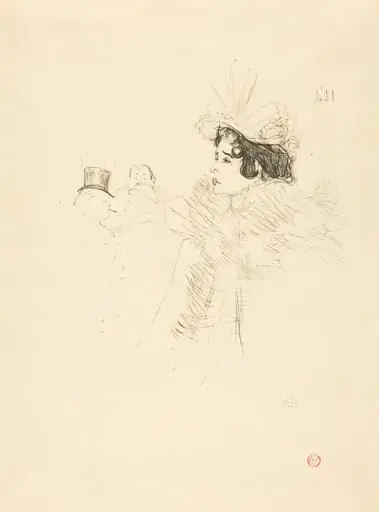 Miss May Belfort in the Irish and American Bar, rue Royale (Miss Belfort Belfort au Irish and American Bar, Rue Royale)
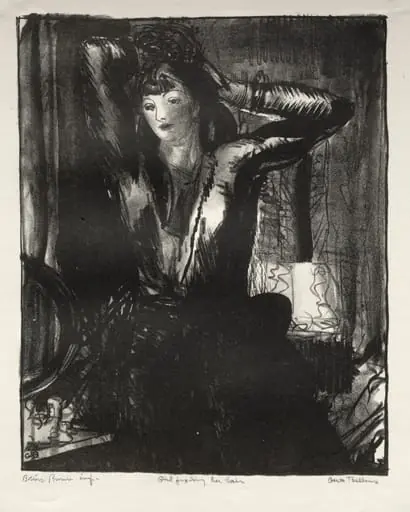 Girl Fixing Her Hair
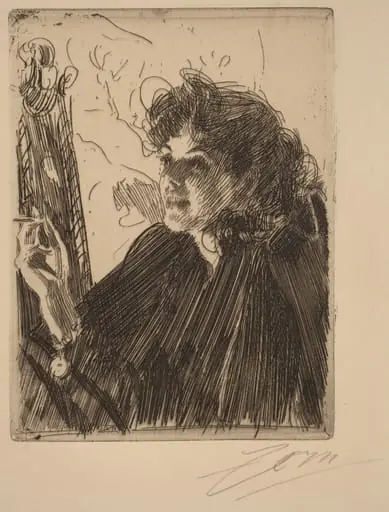 Girl with a Cigarette II
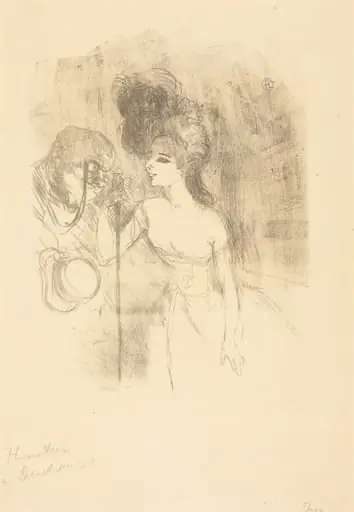 Anna Held and Baldy (Anna Held et Baldy)
 Etude
Etude In "La glu" (Dans "La glu")
 La Femme (frontispiece)
 Apparition
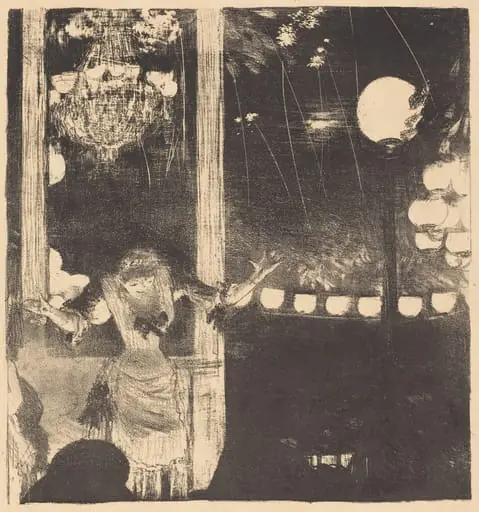 Mademoiselle Bécat at the Cafe des Ambassadeurs (Aux Ambassadeurs: Mlle Bécat)
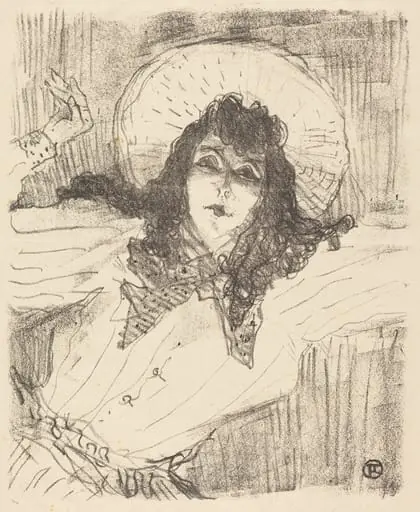 Eva Lavallière