Artwork
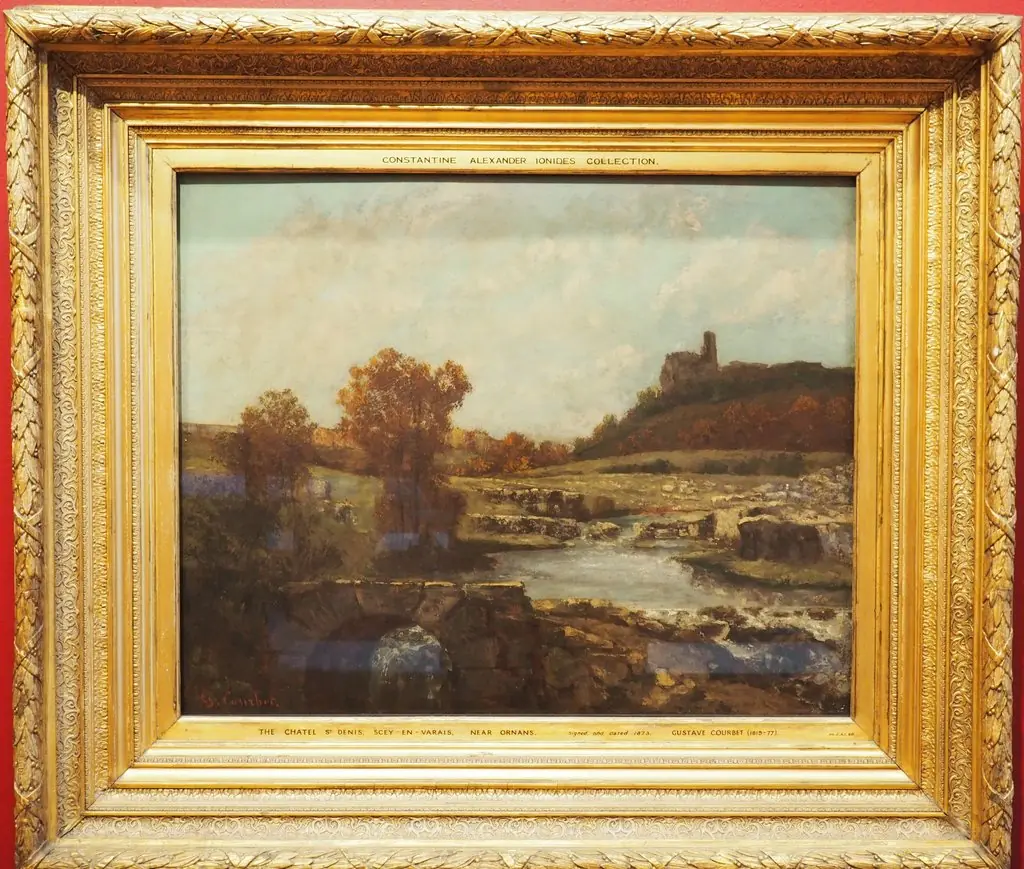
Landscape, with the Chatel St Denis, Scey-en-Varais
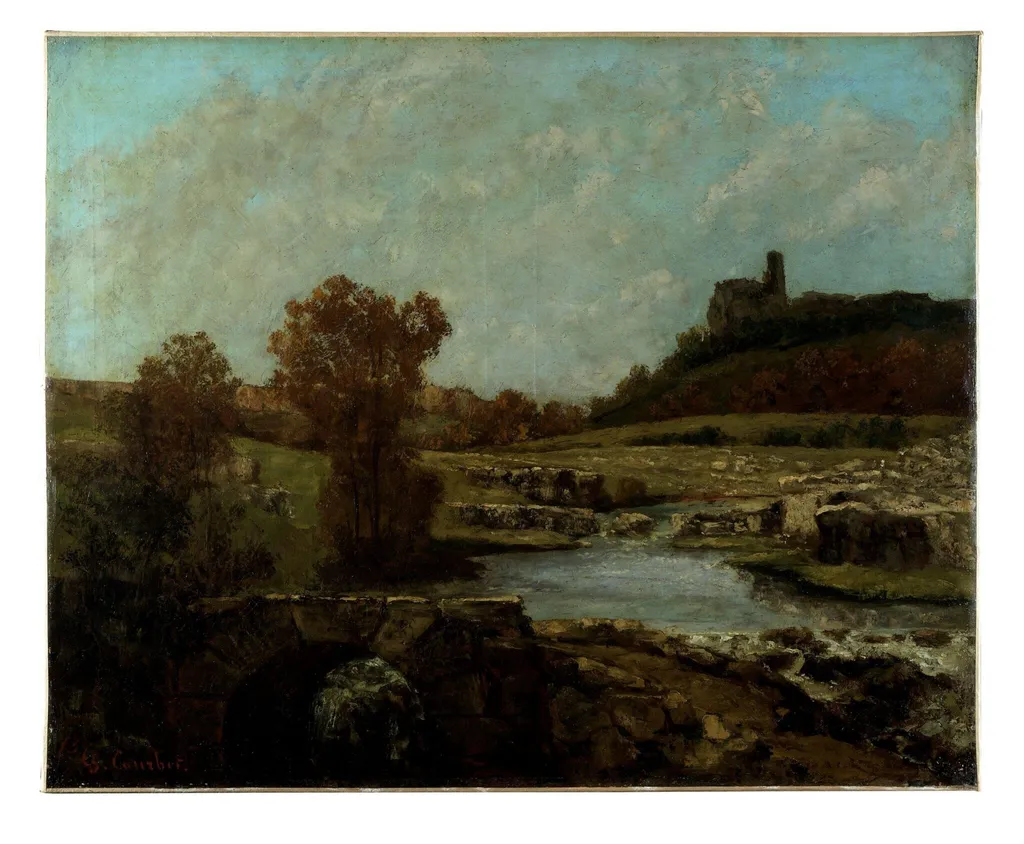
Landscape, with the Chatel St Denis, Scey-en-Varais is an oil painting by the Impressionist artist Gustave Courbet. It dates from 1873 and is held in the collection of the Victoria and Albert Museum.
About this work
Overview
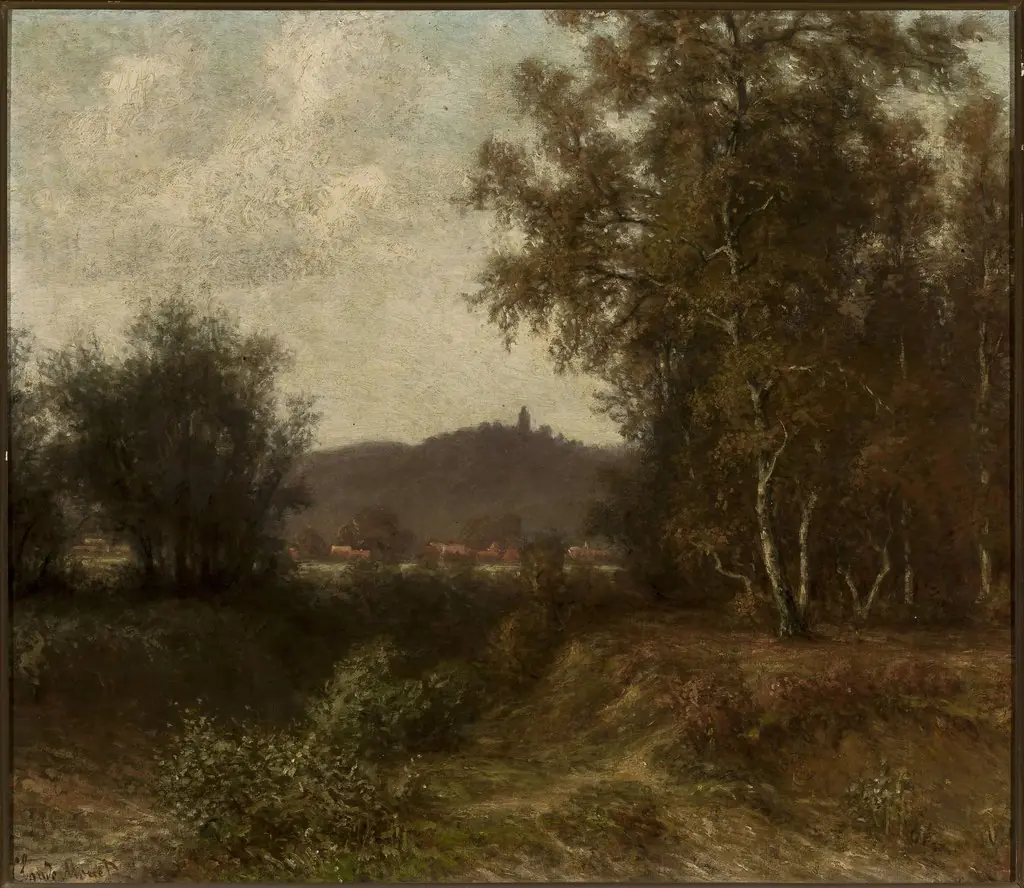
Painted in the later years of his career, this oil landscape by Gustave Courbet depicts the Château Saint-Denis in Scey-en-Varais, near his native Ornans.
Painted in the later years of his career, this oil landscape by Gustave Courbet depicts the Château Saint-Denis in Scey-en-Varais, near his native Ornans. It reflects a shift from his earlier realist focus toward a more atmospheric, expressive handling of paint. The scene is quiet and unidealized, capturing a rural French vista with subtle tonal shifts and textured brushwork that suggest movement and light without overt detail.
Subject & Meaning
The painting presents a modest, unromanticized view of a local château nestled within rolling hills and dense trees. Rather than emphasizing the building’s grandeur, Courbet integrates it into the broader natural environment. This approach reflects his commitment to depicting the ordinary landscape of his homeland, grounding the scene in personal and regional familiarity rather than historical or mythological narrative.
Technique & Style
Courbet employed loose, tactile brushstrokes and layered pigments to build the landscape’s surface, a method influenced by Dutch Old Masters seen during his 1846 trip to the Netherlands. The application of paint is varied—thin washes suggest distance, while thicker impasto conveys foliage and earth. This technique moves beyond strict realism, introducing a tactile immediacy and luminous quality that prefigures later Impressionist concerns with light and texture.
History & Provenance
Created during Courbet’s mature period, the work stems from his sustained engagement with the landscapes surrounding Ornans after his return to eastern France. Though exact dates of execution are uncertain, it aligns with his late 1860s–1870s output, when he increasingly focused on regional scenery. The painting remained in French collections, preserving its connection to the artist’s personal and geographic roots.
Context
Courbet painted this during a time when French art was moving away from academic conventions. While he rejected idealized landscapes, he also distanced himself from emerging Impressionist circles. Yet his evolving brushwork—emphasizing direct observation and materiality—resonated with their goals. His focus on local terrain, free of narrative, aligned with broader 19th-century shifts toward secular, sensory-based representation.
Legacy
This work exemplifies Courbet’s role in bridging 19th-century realism and modern landscape painting. His rejection of studio conventions in favor of direct observation, combined with his textured, expressive technique, influenced later generations seeking authenticity in depiction. Though not widely exhibited in his lifetime, the painting’s quiet innovation contributed to a broader redefinition of what a landscape could express.
Own this work as a print
Artist & collection
Artist
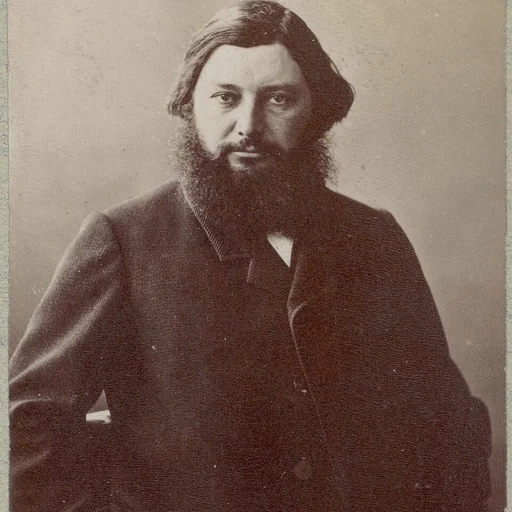
Jean Désiré Gustave Courbet (UK: KOOR-bay; US: koor-BAY; French: ; 10 June 1819 – 31 December 1877) was a French painter who led the Realism movement in 19th-century French painting.

 Countryside landscape with trees
 Rocas
Rocas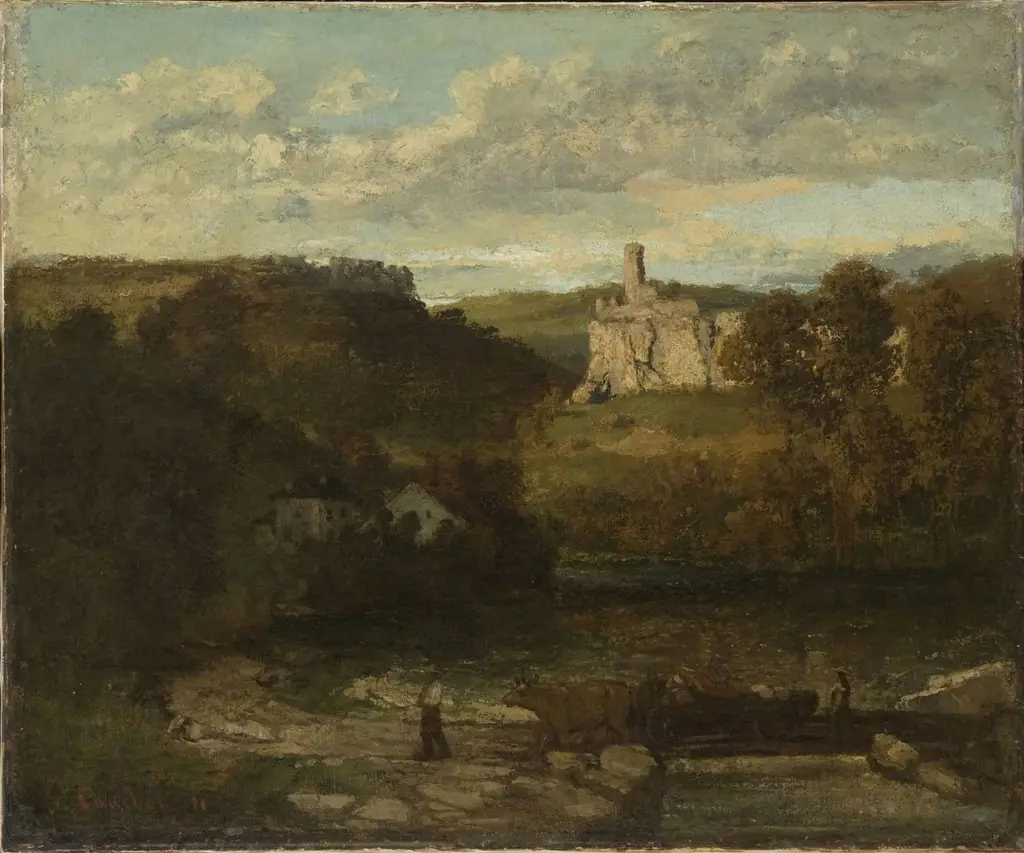 Landscape at Ornans
 Landscape from Helgenæs with rain clouds
 The Seine: Morning
 Hampstead Heath
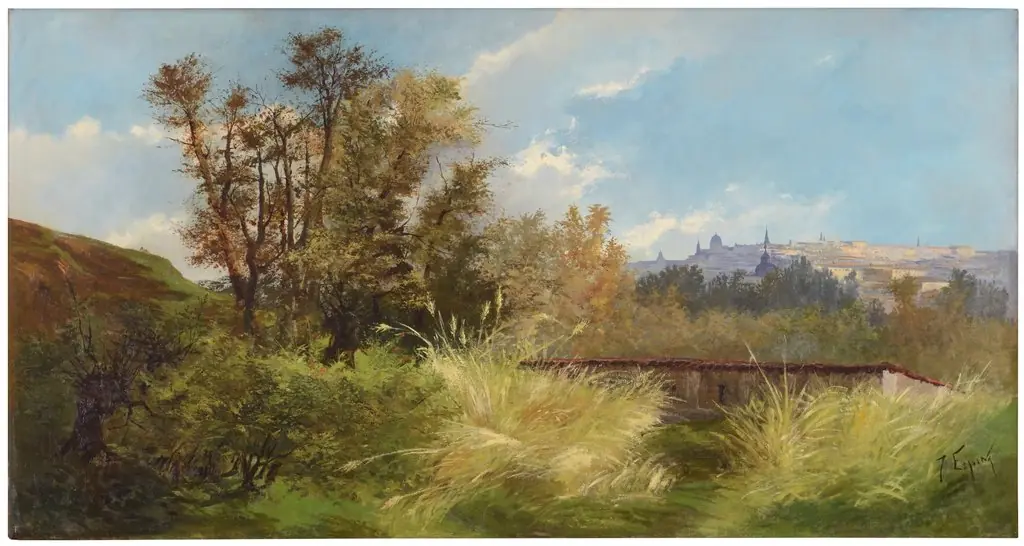 Impresión de la luz de Madrid
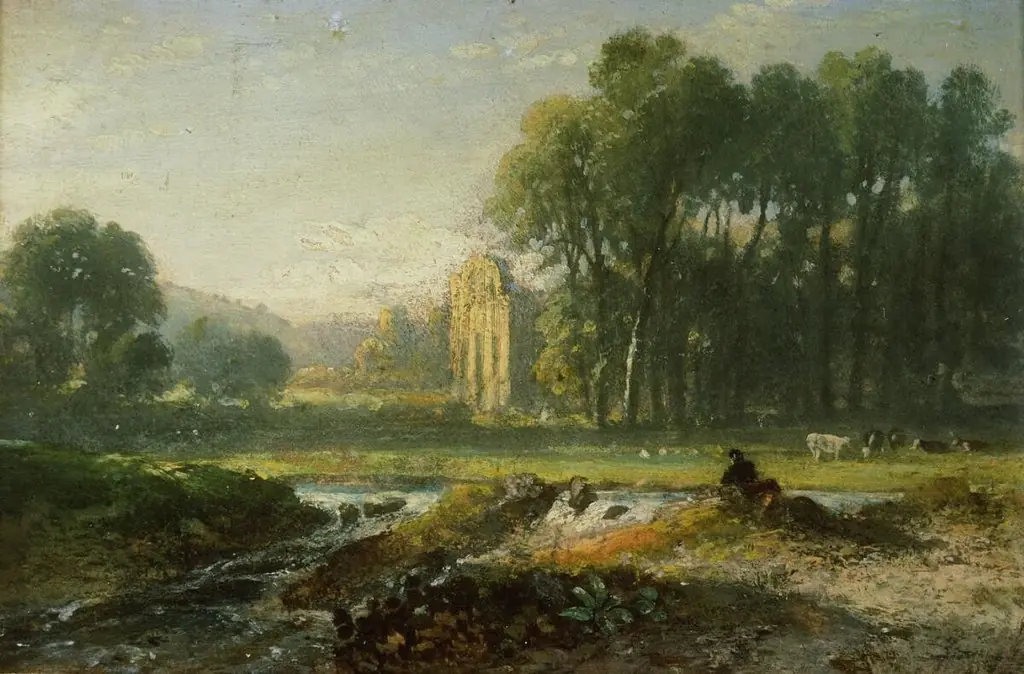 Valle Crucis Abbey
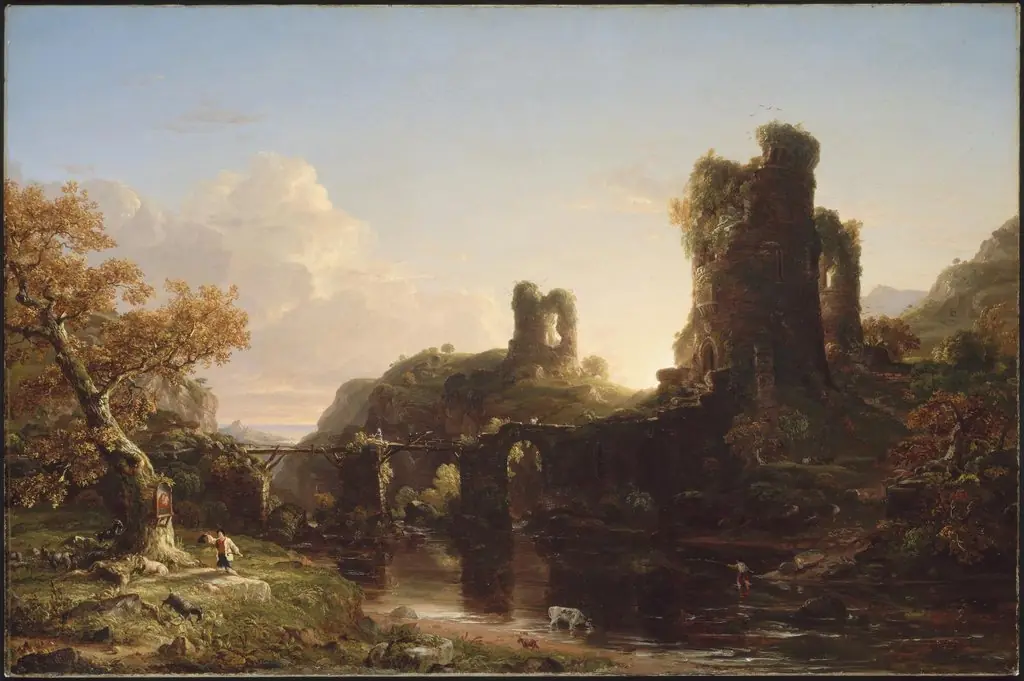 An Italian Autumn
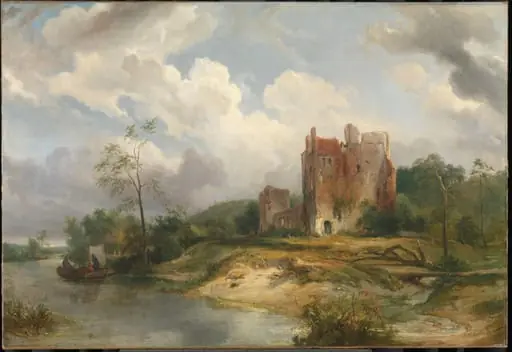 River Landscape with Ruin
 Landscape near Blokhus, Jutland
 Landscape, with the Chatel St Denis, Scey-en-Varais