Artwork
Impresión de la luz de Madrid
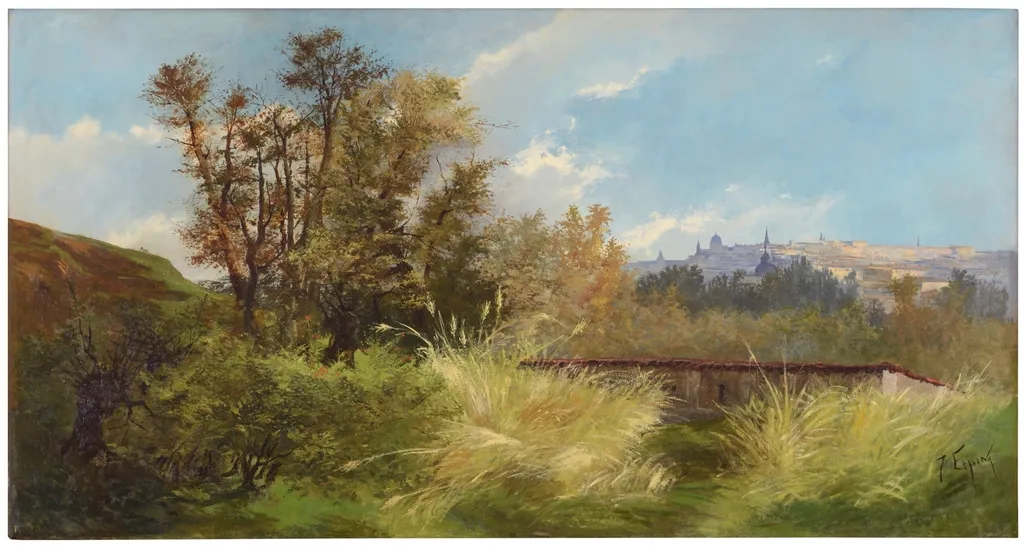
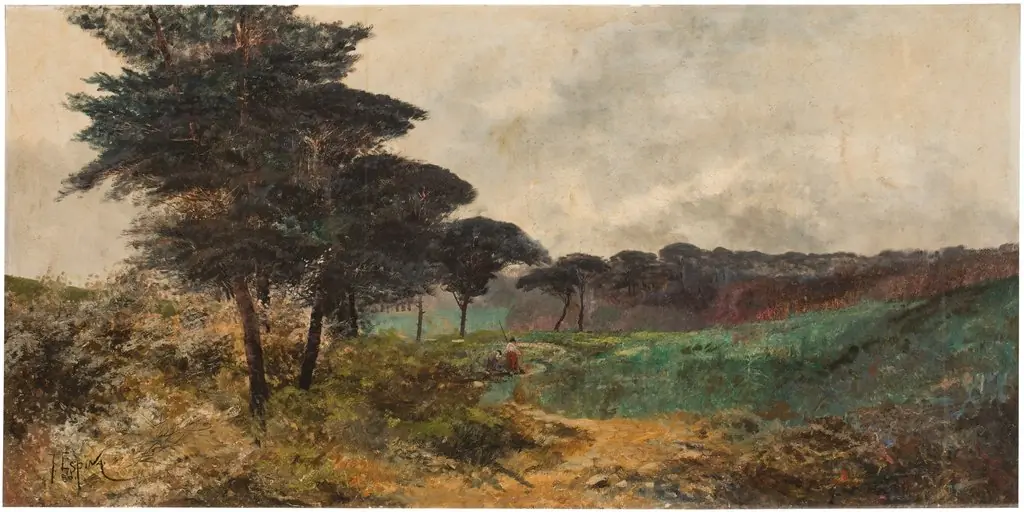
Impresión de la luz de Madrid is an oil painting by the Post-Impressionist artist Juan Espina y Capo. It dates from 1891 and is held in the collection of the Museo del Prado.
About this work
Overview
Painted in 1891 by Spanish artist Juan Espina y Capo, *Impresión de la luz de Madrid* is an oil-on-canvas landscape that captures the atmospheric qualities of the Spanish capital’s outskirts. Influenced by the Barbizon school’s focus on naturalism, the work reflects a quiet, observational approach to rural and suburban scenes near Madrid, blending plein air sensibilities with a subdued tonal palette.
Subject & Meaning
The painting presents a tranquil view of Madrid’s periphery, with a modest structure nestled among dense foliage, framed by rolling hills and a hazy urban horizon. Rather than depicting the city’s bustle, Espina y Capo emphasizes stillness and the subtle interplay of light across land and sky. The composition invites contemplation of nature’s quiet persistence amid urban expansion.
Technique & Style
Espina y Capo employed soft, layered brushwork to render shifting light and atmospheric depth. Subtle contrasts between warm earth tones and cool sky hues guide the eye toward the distant skyline. While not overtly dramatic, the use of chiaroscuro lends volume to forms, particularly in the trees and building, enhancing the painting’s sense of spatial recession without theatrical effect.
History & Provenance
Its acquisition reflects the institution’s interest in late 19th-century Spanish landscape painting that engaged with European naturalist trends.
Completed in 1891, the painting entered the collection of the Museo del Prado, where it remains today. Its acquisition reflects the institution’s interest in late 19th-century Spanish landscape painting that engaged with European naturalist trends. Unlike more celebrated contemporaries, Espina y Capo’s work was not widely exhibited during his lifetime, contributing to its relative obscurity in art historical narratives.
Context
Created during Spain’s post-impressionist phase, the work aligns with broader European movements that prioritized direct observation of nature over idealized composition. While French Barbizon painters inspired Espina y Capo, his focus on Madrid’s specific light and topography grounds the piece in local experience, distinguishing it from imported styles and offering a quiet counterpoint to urban modernization.
Legacy
Though not widely recognized outside Spain, *Impresión de la luz de Madrid* stands as a representative example of regional landscape painting that sought emotional resonance through subtle light and texture. Its presence in the Prado underscores a broader, if understated, tradition of Spanish artists who, in the late 19th century, turned from grand narratives to intimate, atmospheric observations of their surroundings.
Artist & collection
Artist
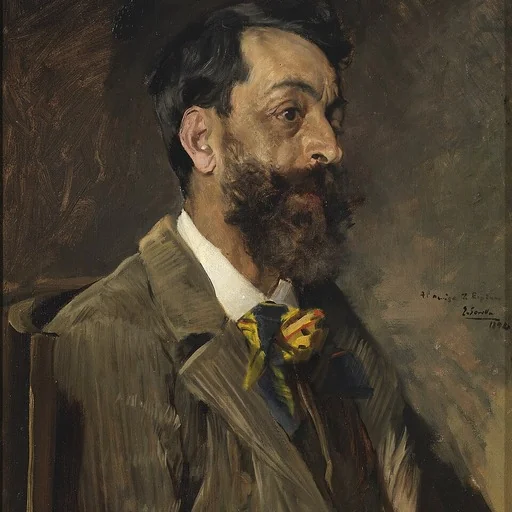
Juan Espina y Capó (1848, Madrid - 15 December 1933, Madrid) was a Spanish painter and engraver, influenced by the Barbizon school, who specialized in landscapes.

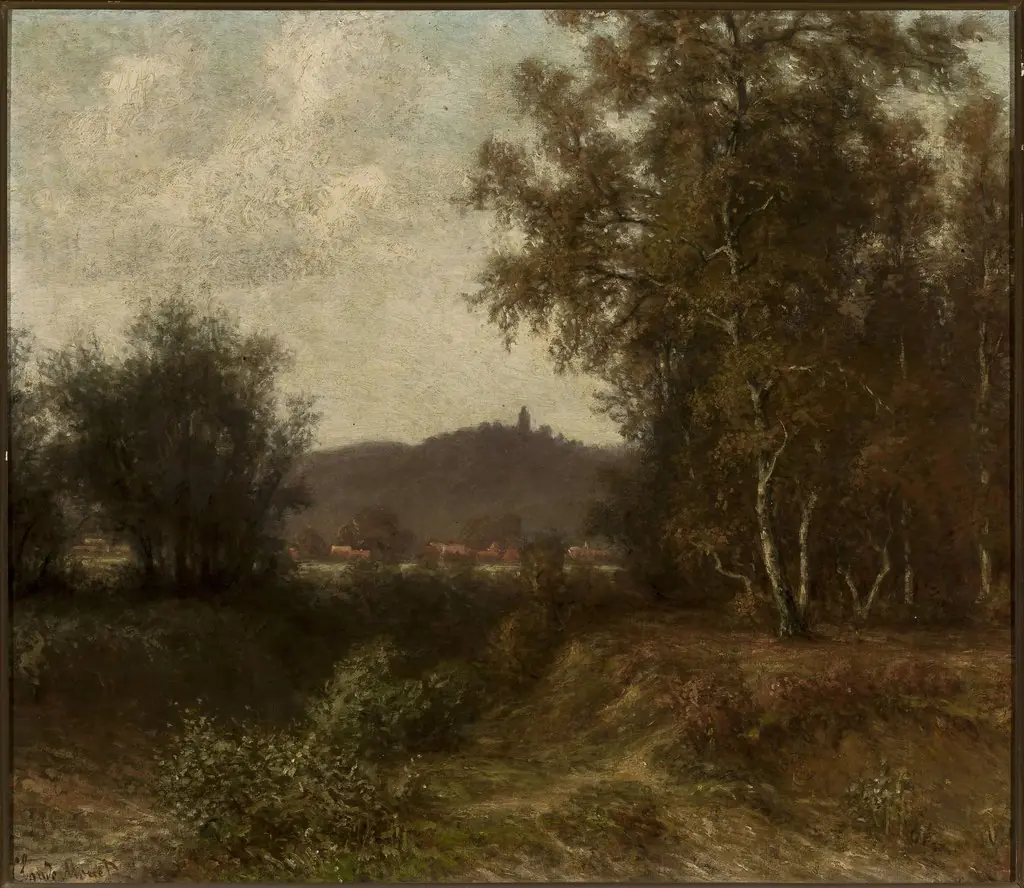 Countryside landscape with trees
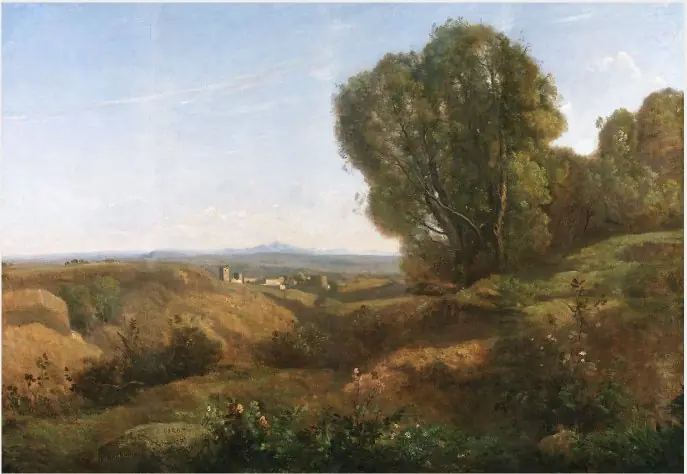 Souvenir of Roquemaure in the Gard
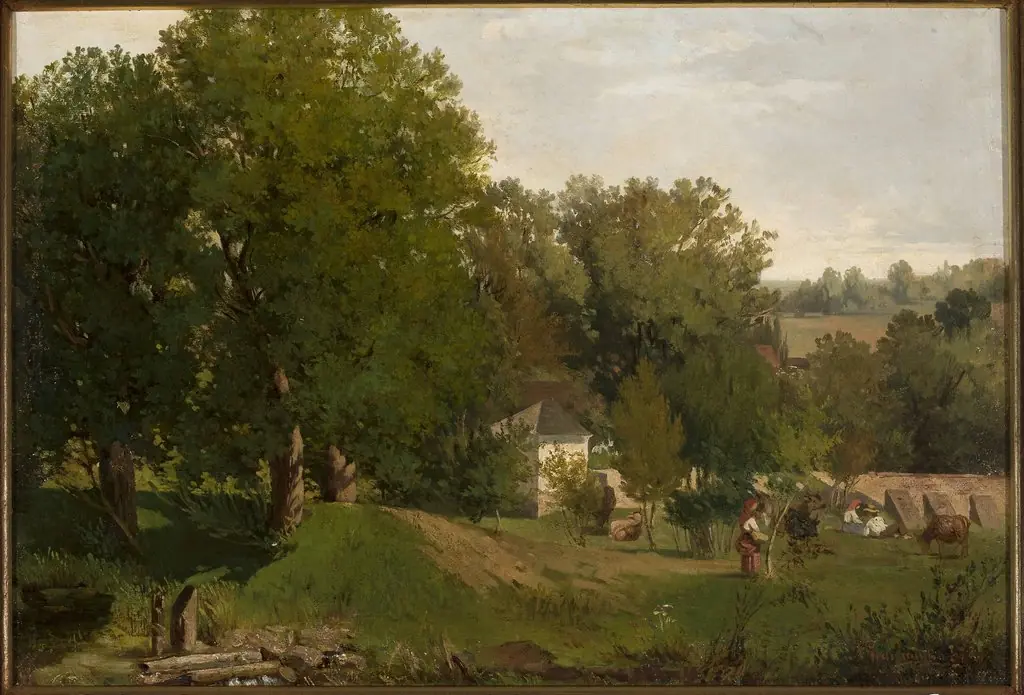 View from Kalwaria Zebrzydowska
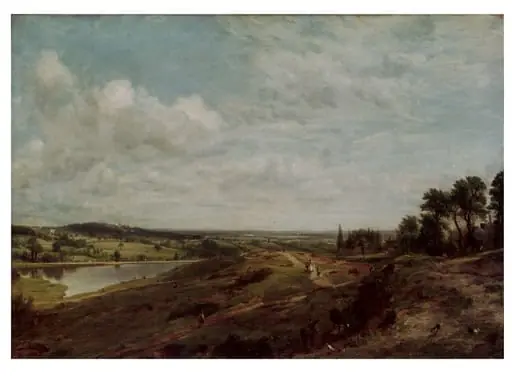 Hampstead Heath
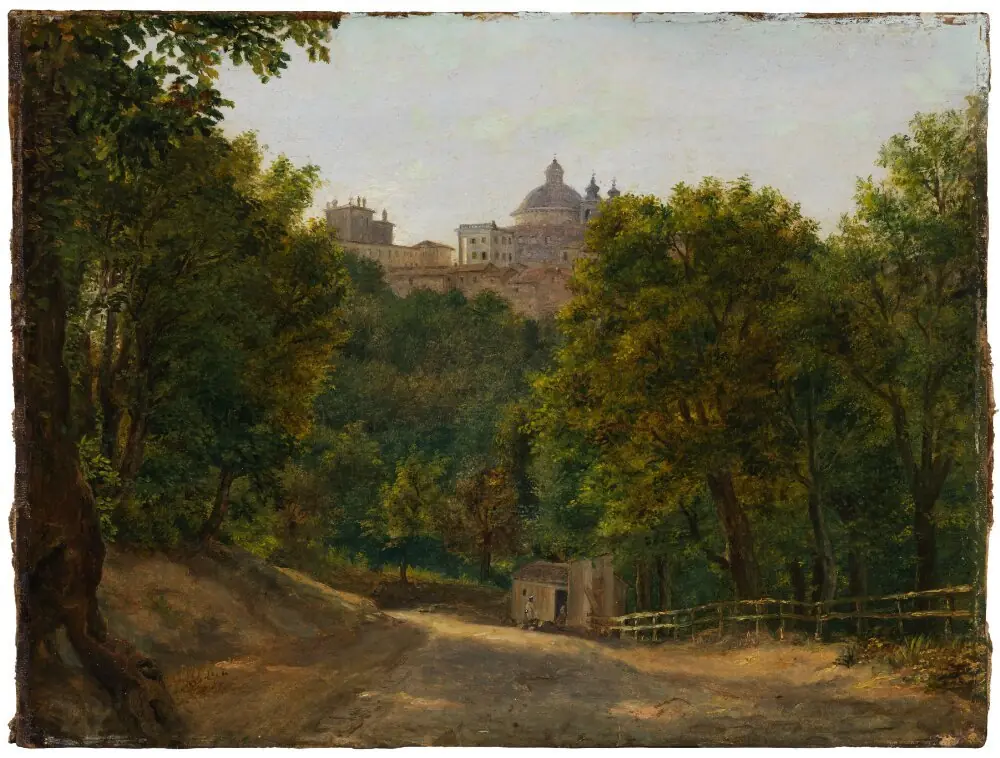 Landscape with Santa Maria Assunta in Ariccia
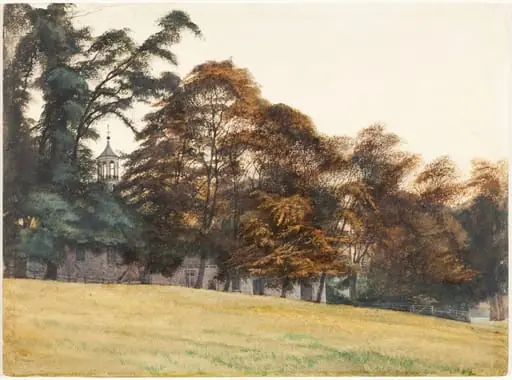 The Grounds at Castle Howard
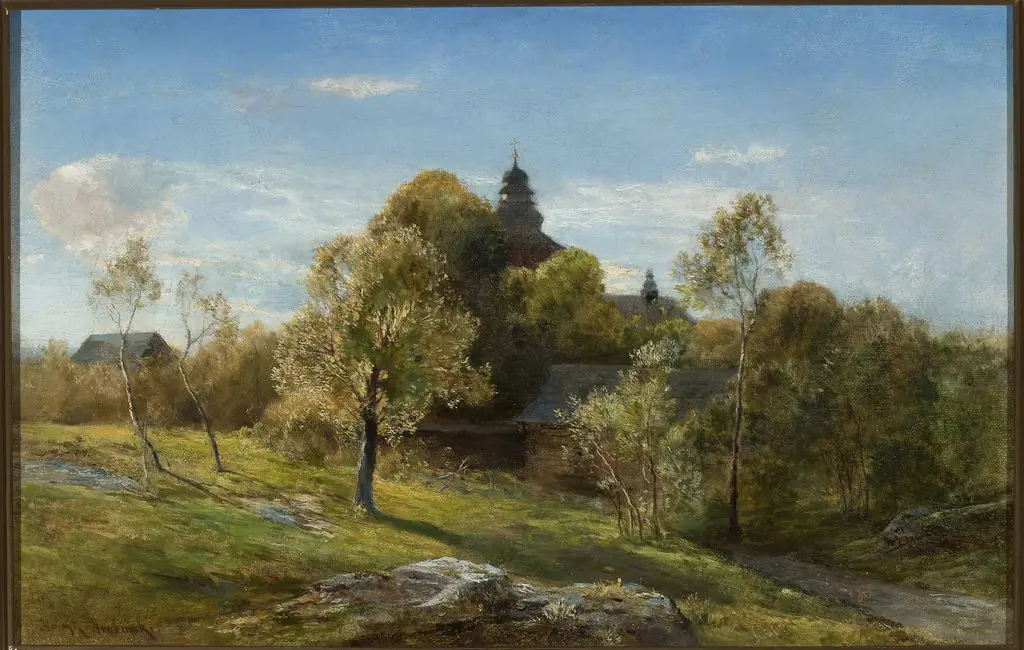 Landscape with a church hidden behind the trees
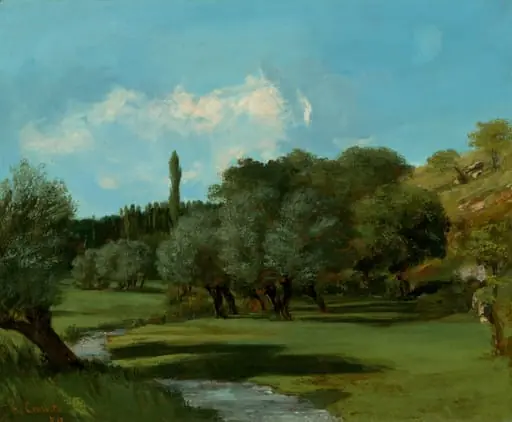 La Bretonnerie in the Department of Indre
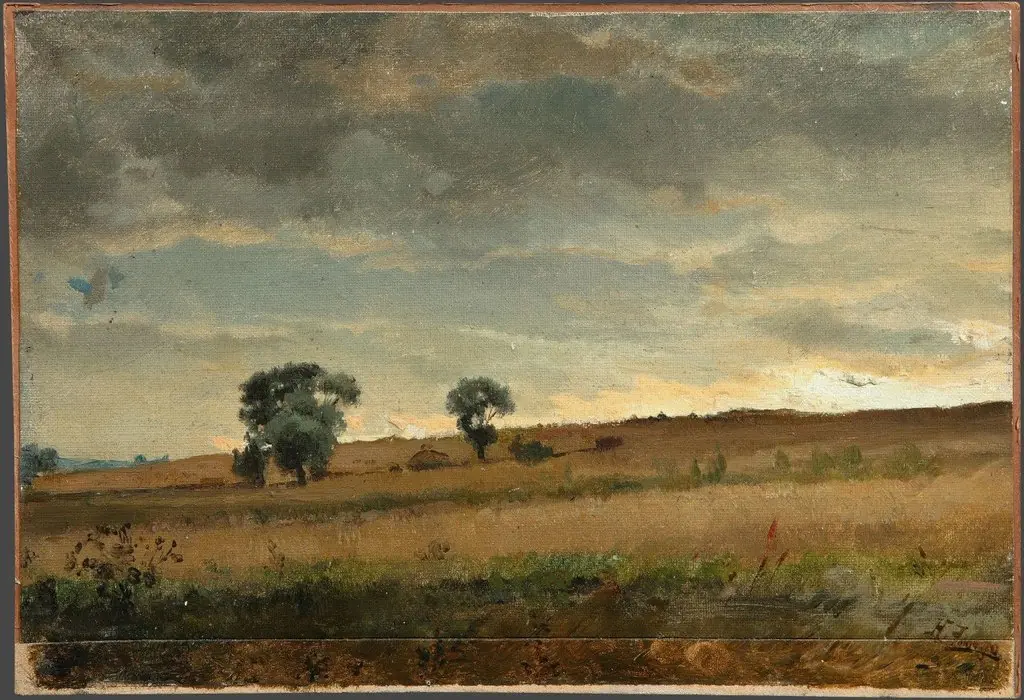 Перед грозой
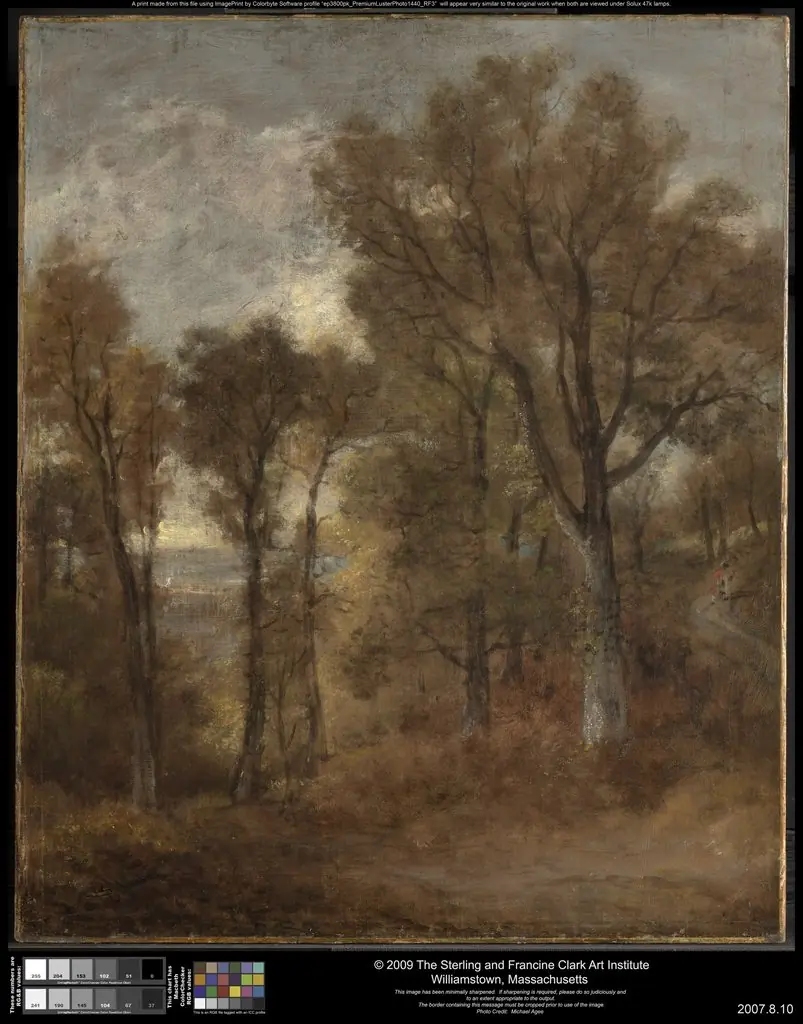 Woodland Scene Overlooking Dedham Vale
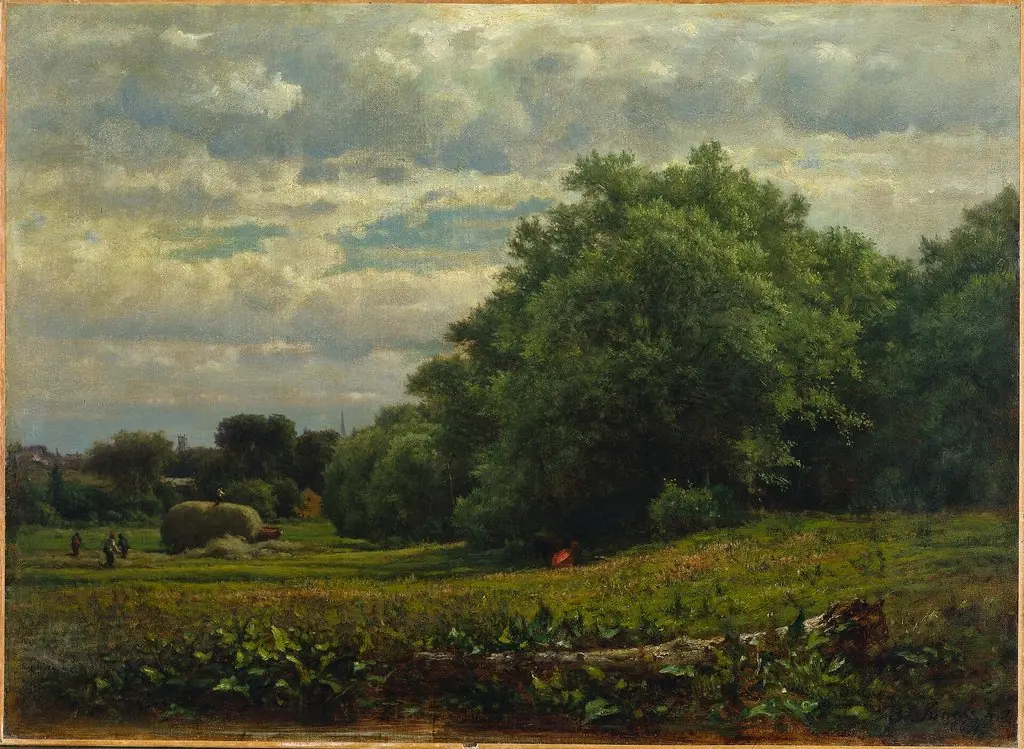 Harvest Time
 Pool in the Forest