Artwork
Christ on the Cross Between the Virgin and Saint John
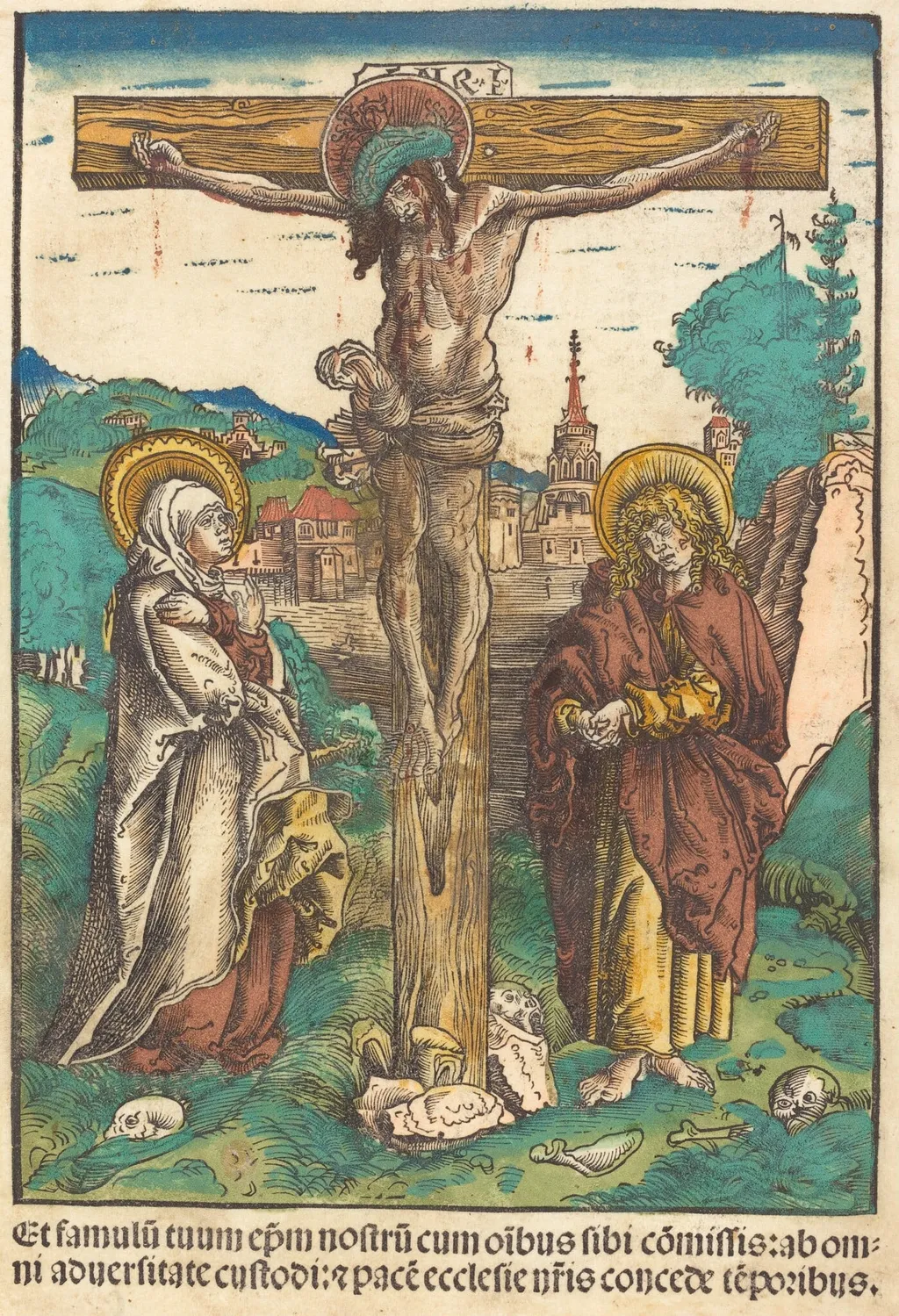
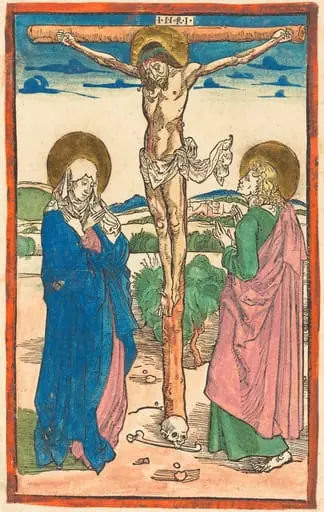
Christ on the Cross Between the Virgin and Saint John is an ink print by the Renaissance artist Lucas Cranach the Elder. It dates from 1502 and is held in the collection of the National Gallery of Art. Created around 1502, this hand‑colored woodcut on vellum presents a traditional crucifixion scene.
About this work
Overview
Created around 1502, this hand‑colored woodcut on vellum presents a traditional crucifixion scene. The central figure of Christ on the cross is flanked by the Virgin Mary and Saint John, whose gestures convey sorrow. The composition is set against a modest landscape of rolling hills and trees, rendered in subdued earth tones.
Subject & Meaning
The image follows established Catholic iconography, showing Jesus crowned with thorns and clothed only in a loincloth, while Mary and John kneel in reverent concern. Their placement on either side of the cross underscores the theological emphasis on compassion and intercession, inviting contemplation of Christ’s sacrifice and the human response to it.
Technique & Style
Cranach employed a woodcut matrix that was subsequently hand‑colored, a process that imparts a tactile surface and nuanced coloration. The palette is restrained, dominated by browns, muted greens, and soft blues, which enhance the solemn atmosphere. The linear precision of the cut combined with the painterly application of pigment reflects early Renaissance printmaking practices.
History & Provenance
The work originates from the workshop of Lucas Cranach the Elder, a leading German painter and printmaker who served the Electors of Saxony. Produced before his overt alignment with the Protestant Reformation, the piece exemplifies his early Catholic commissions. Its survival on vellum indicates a purpose for private devotion or elite collection, typical of early 16th‑century prints.
Artist & collection
Artist
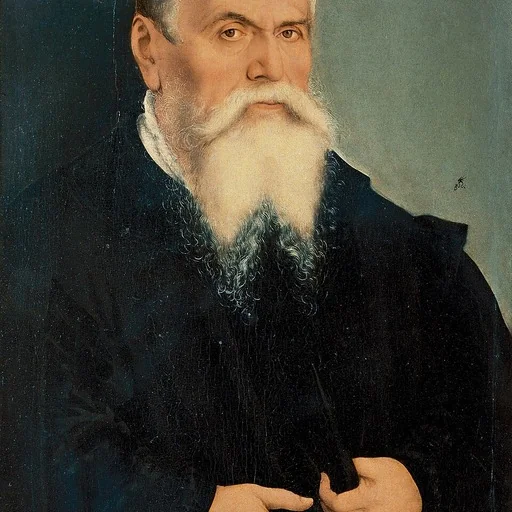
Lucas Cranach the Elder was a German Renaissance painter and printmaker in woodcut and engraving.

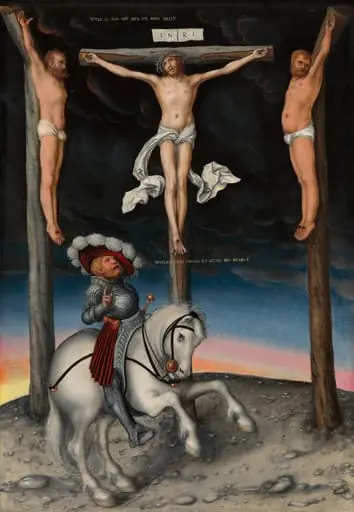
 Christ on the Cross Between the Virgin and Saint John
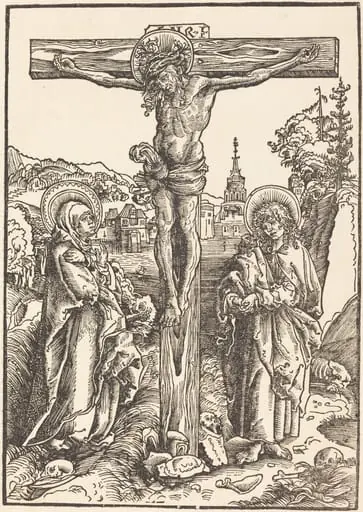 Christ on the Cross Between the Virgin and Saint John
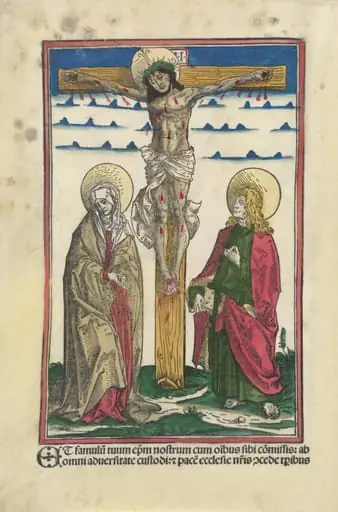 Christ on the Cross with the Virgin and Saint John
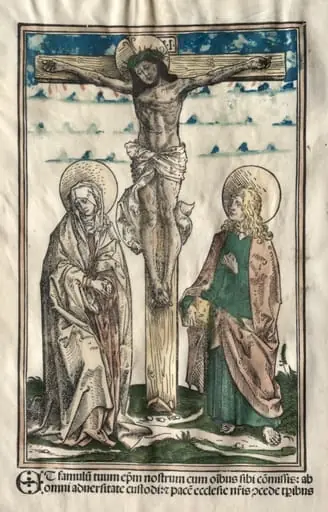 Christ on the Cross between Mary and John
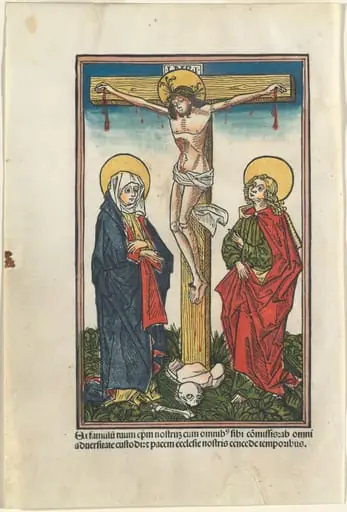 Christ on the Cross with the Virgin and Saint John
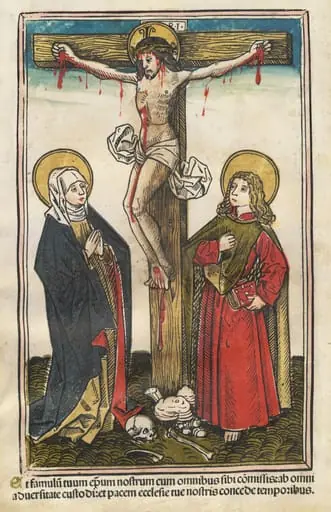 Christ on the Cross with the Virgin and Saint John
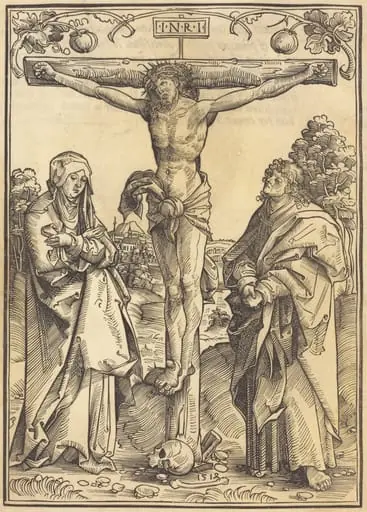 Christ on the Cross with the Virgin and Saint John the Evangelist
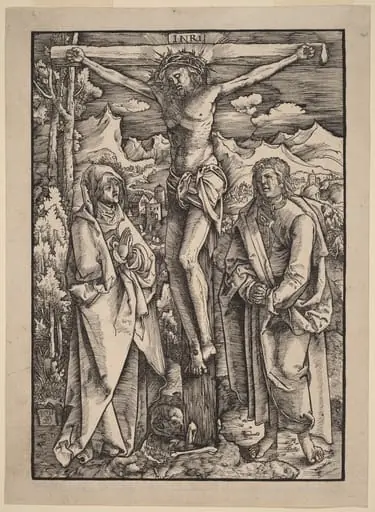 Christ on the Cross between the Virgin and Saint John