Artwork
Forest scene with oak trees
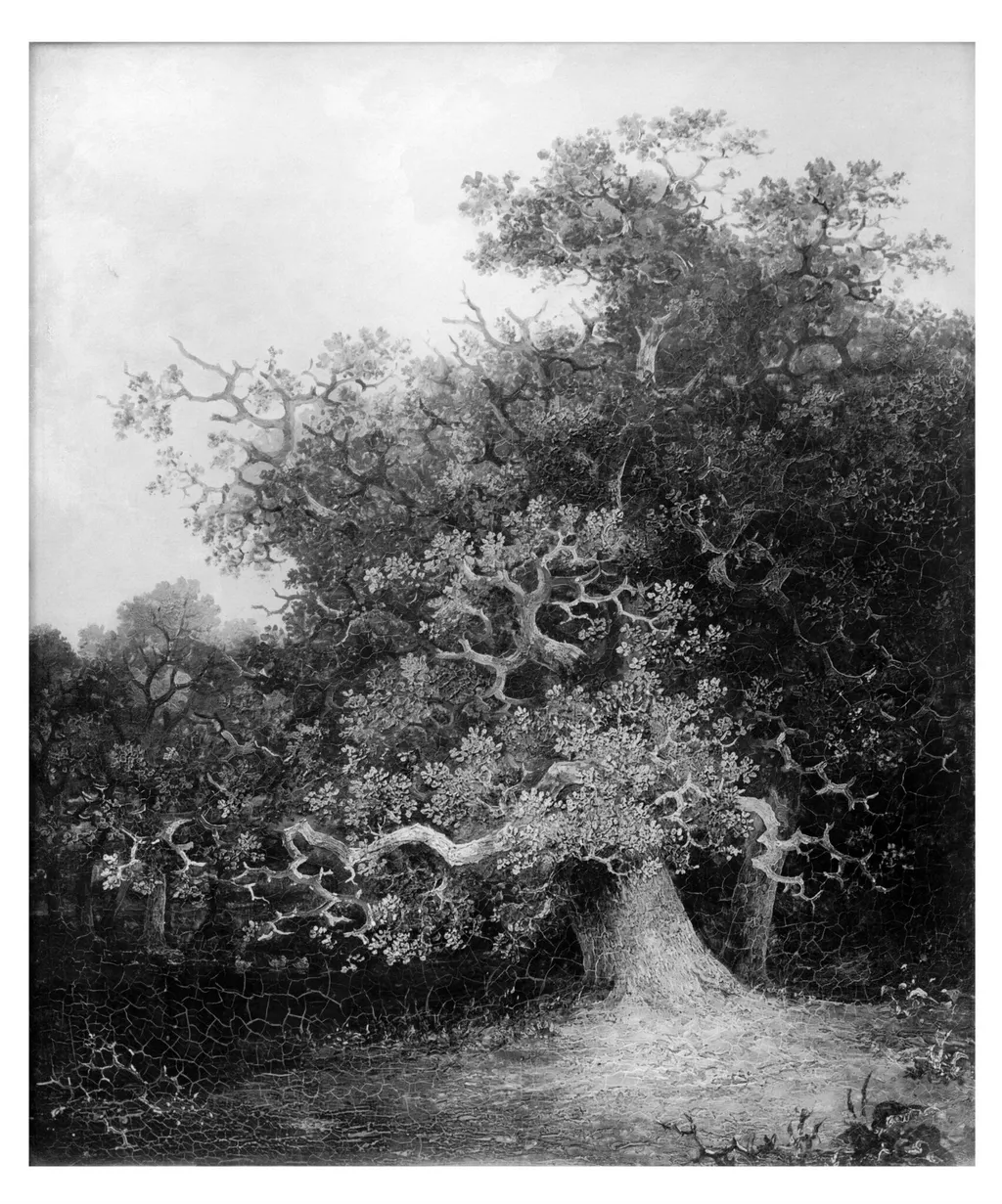
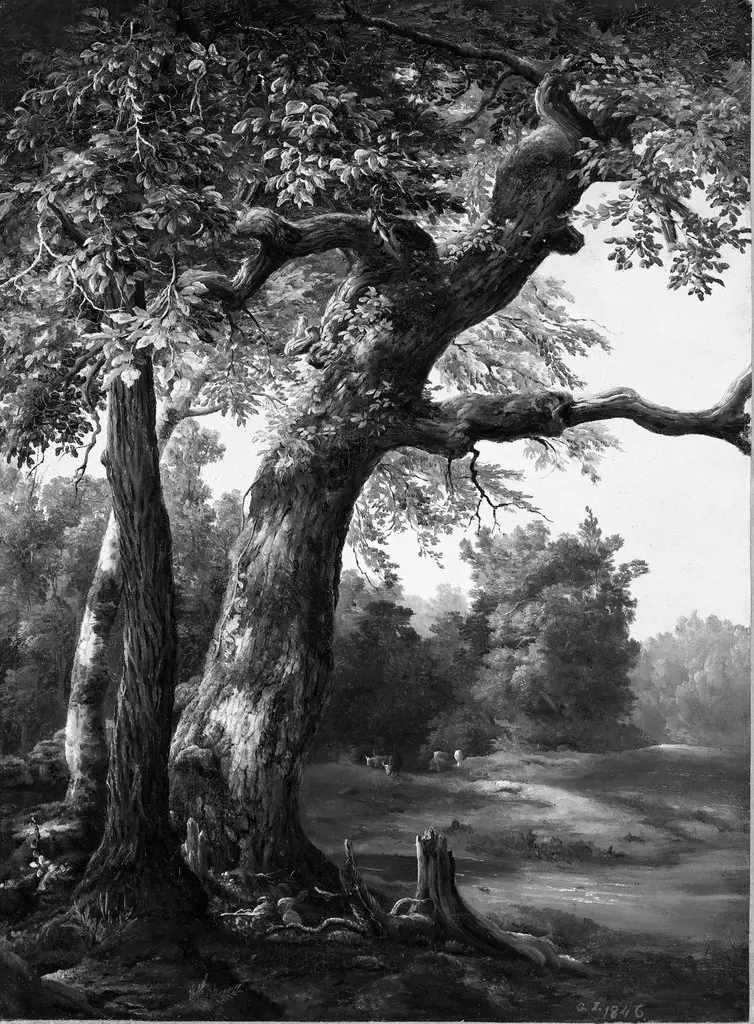
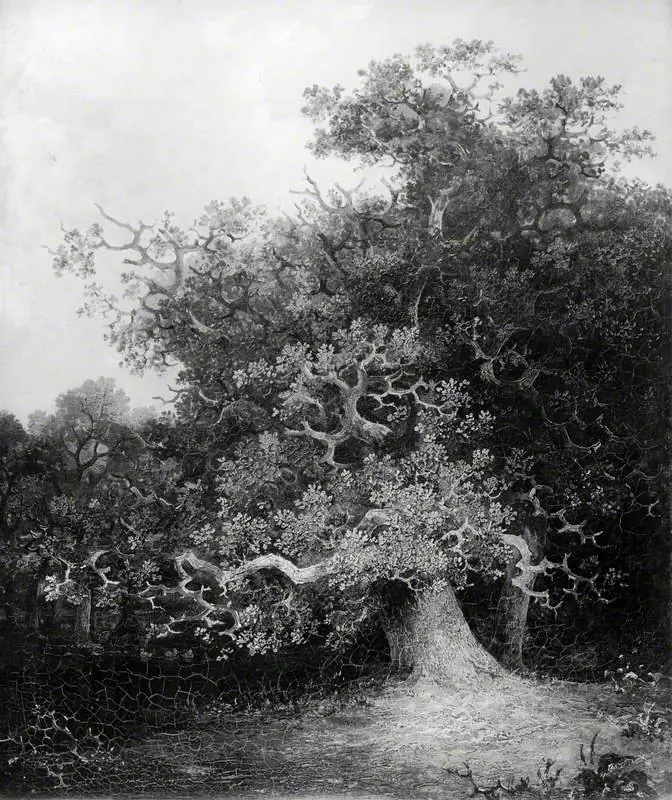
Forest scene with oak trees is an oil painting by John Crome. It is held in the collection of the Victoria and Albert Museum. Painted in 1850, this oil-on-canvas work presents a quiet woodland interior centered on two ancient oaks.
About this work
Overview
Its composition and tonal harmony reflect broader European landscape traditions, particularly those of the Dutch Golden Age, adapted to local English scenery.
Painted in 1850, this oil-on-canvas work presents a quiet woodland interior centered on two ancient oaks. Attributed to John Crome, a central figure in the Norwich School, the piece exemplifies the group’s dedication to depicting the English countryside with observational precision. Its composition and tonal harmony reflect broader European landscape traditions, particularly those of the Dutch Golden Age, adapted to local English scenery.
Subject & Meaning
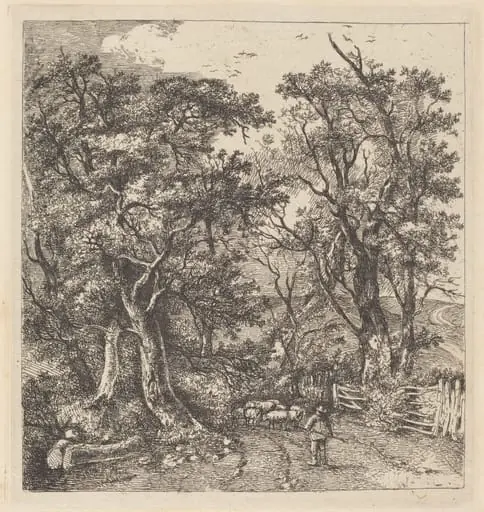
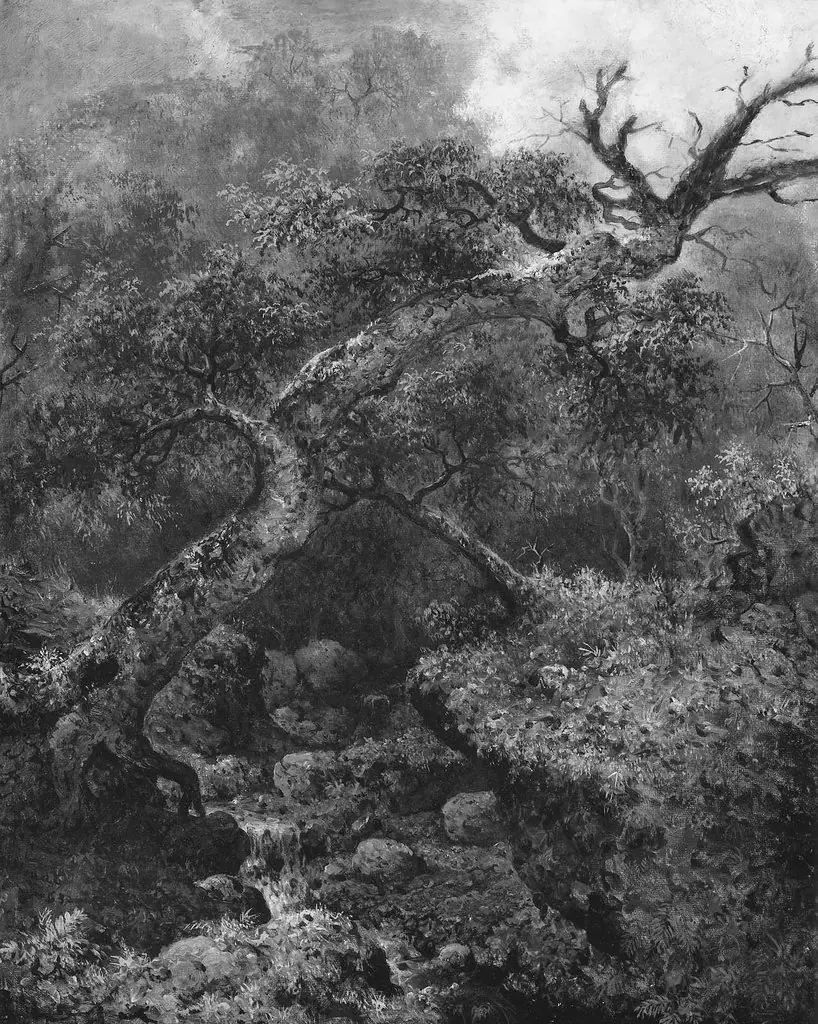
The painting focuses on the enduring presence of oak trees within a natural forest setting. Their twisted forms and dense canopies dominate the composition, suggesting resilience and timelessness. A narrow path invites the viewer’s gaze inward, implying quiet contemplation rather than narrative action. The scene conveys no human presence, emphasizing nature’s autonomy and the subtle rhythms of the woodland environment.
Technique & Style
Crome employs layered glazes and careful modulation of light to achieve depth and atmosphere. The foliage is rendered with textured brushwork, avoiding idealized forms in favor of observed detail. Shadows under the canopy and dappled sunlight on the forest floor create a tangible sense of space. The palette remains restrained, grounded in earth tones and muted greens, reinforcing the painting’s naturalistic intent.
History & Provenance
The painting entered the Victoria and Albert Museum’s collection in 1875, acquired from the London dealers Hogarth and Son. It was initially cataloged under the name 'Old Crome,' a common contemporary reference to John Crome to distinguish him from his son, also a painter. Its early ownership history reflects the growing institutional interest in provincial British art during the mid-nineteenth century.
Context
As a founding member of the Norwich School, Crome helped establish Britain’s first self-sustaining regional art movement outside London. His work, rooted in direct observation of Norfolk’s landscapes, countered the academic preference for classical or dramatic subjects. This painting aligns with the school’s ethos: valuing local scenery, personal vision, and technical discipline over grand historical themes.
Legacy
Crome’s approach influenced later generations of British landscape painters who sought authenticity over romanticism. His focus on native trees and unidealized woodland settings contributed to a broader shift in how nature was represented in art. Though not widely celebrated in his lifetime beyond regional circles, his work is now recognized as foundational to the development of a distinctly English landscape tradition.
Artist & collection


 Woodland Vista
 Woodland Sketch
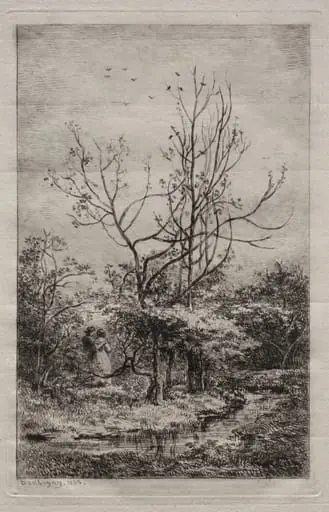 The Orchard
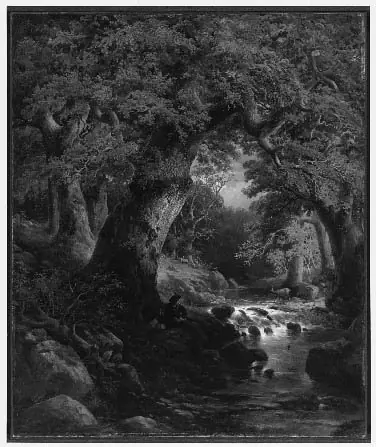 Jacques and the Forest of Arden
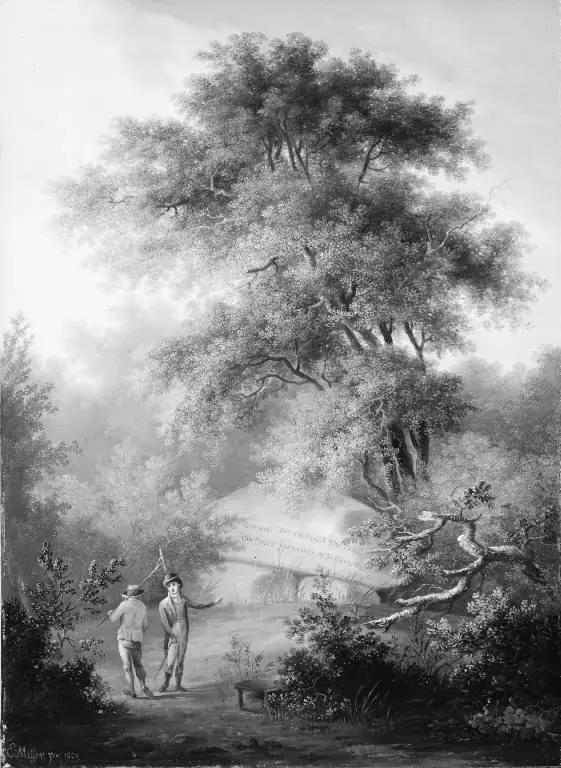 En gravhøj ved Løvenborg
 En gravhøj ved Løvenborg
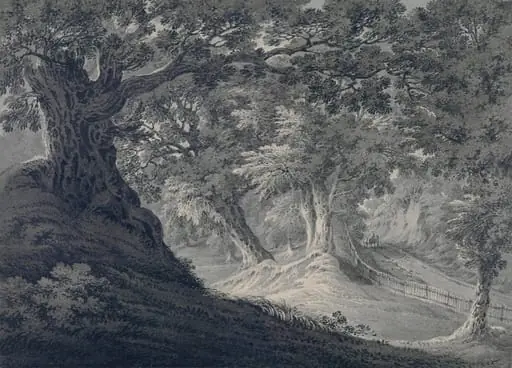 Beddington, Surrey
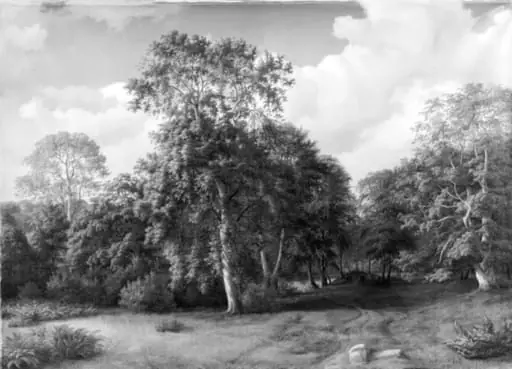 Forest Scenery from Præstevangen near Frederiksborg
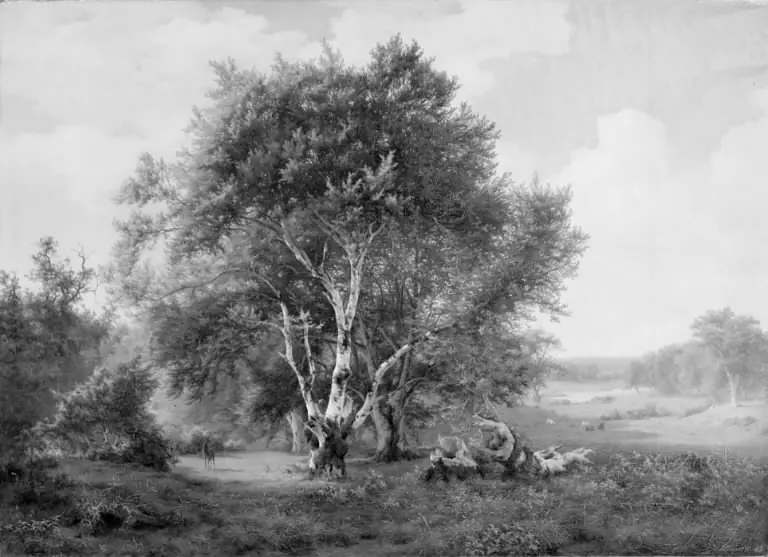 A Landscape near Frederiksborg Castle
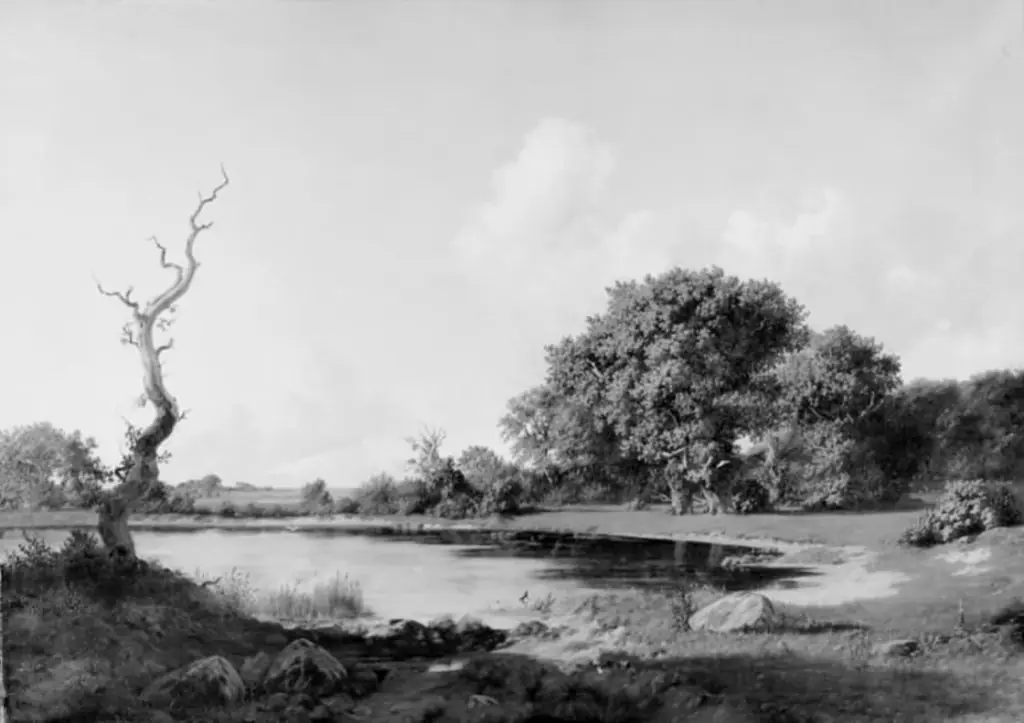 Skovparti, sen eftermiddag
 Landskab fra Frijsenborg Dyrehave. Bygevejrsdag
 Forest Scene with Oak Trees