Artwork
Leonard Willan
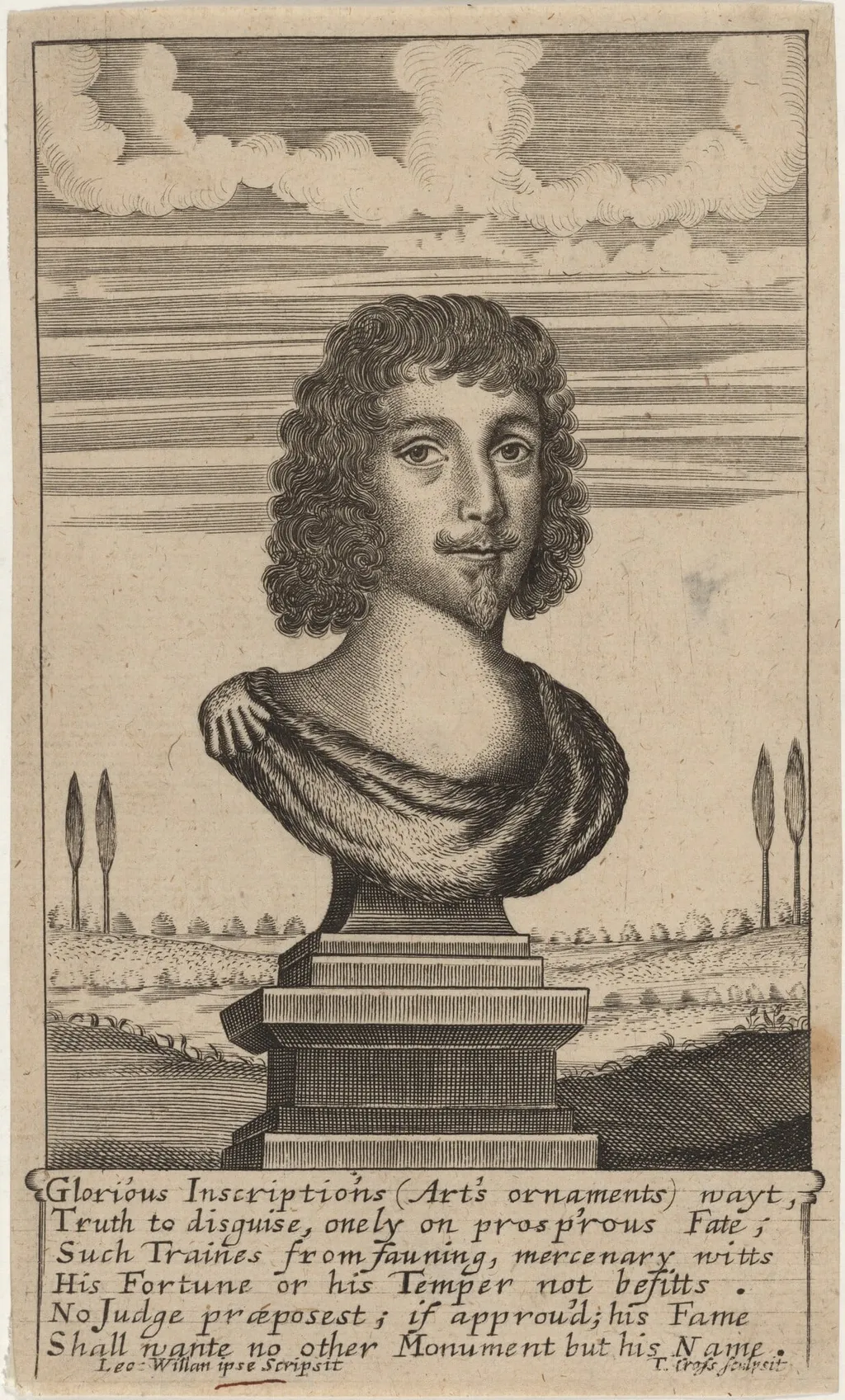
Leonard Willan is an ink print by the Baroque artist Thomas Cross. It dates from 1657 and is held in the collection of the National Gallery of Art.
About this work
Overview
Executed in fine linear detail, the work belongs to the tradition of British printmaking during the mid-seventeenth century.
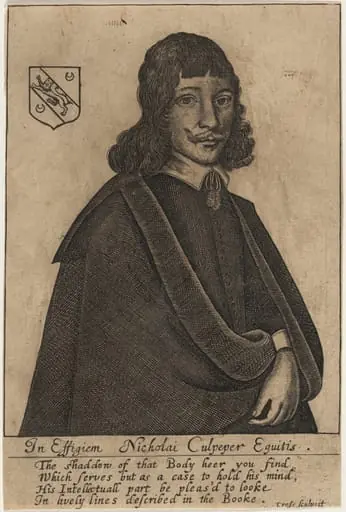
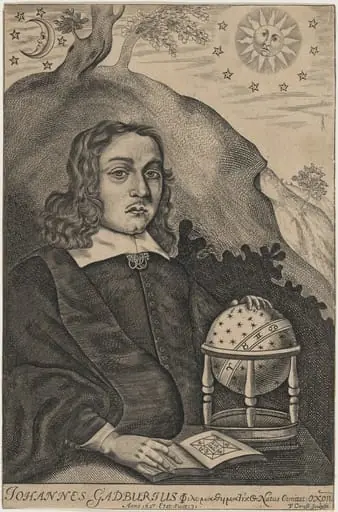
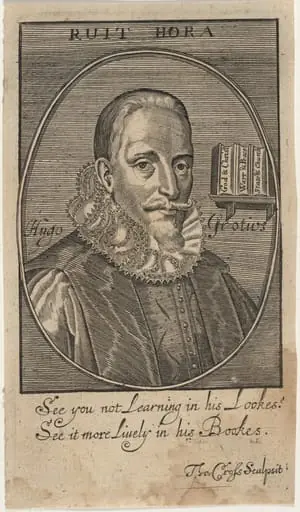
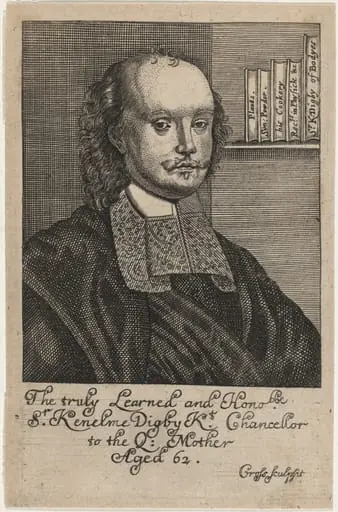
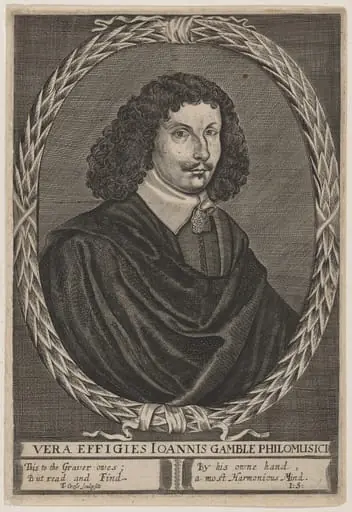
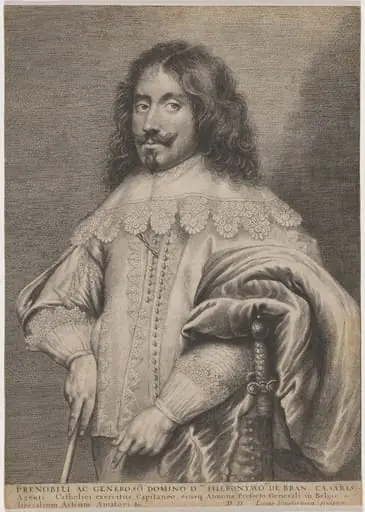
Created in 1657 by Thomas Cross, this engraving depicts Leonard Willan, a figure of unknown prominence beyond his portrait. Executed in fine linear detail, the work belongs to the tradition of British printmaking during the mid-seventeenth century. The composition presents a seated male figure against a softly rendered natural backdrop, emphasizing both individual likeness and atmospheric context through meticulous engraving techniques.
Subject & Meaning
Leonard Willan is portrayed with a calm, direct gaze and a modest, draped garment that suggests scholarly or civic status rather than aristocratic grandeur. His curled hair and mustache reflect contemporary male fashion, while the absence of symbols or inscriptions leaves his identity largely unexplained. The portrait functions as a personal commemoration, likely commissioned by family or associates, rather than a public statement of power or achievement.
Technique & Style
Thomas Cross employed fine cross-hatching and parallel lines to model form and suggest texture in fabric, hair, and landscape. The background features subtle gradations of tone to evoke depth and sky, contrasting with the sharper delineation of the figure. This method, rooted in Northern European engraving traditions, prioritizes precision over boldness, aligning with the restrained realism typical of English prints of the period.
History & Provenance
The engraving was produced in 1657 during the Interregnum, a time when portraiture in England shifted from royalist patronage to private commissions. No documented ownership history exists prior to its inclusion in institutional collections, suggesting it may have circulated among private collectors or been retained by the sitter’s family. Its survival reflects the durability of copperplate prints from this era.
Context
In mid-17th century England, engraving was a primary medium for disseminating likenesses outside of painting. While continental Baroque art emphasized drama and movement, English portraiture retained a quieter, more intimate character. Cross’s work fits within this national tendency, blending naturalistic detail with subdued tonal variation, reflecting local tastes rather than continental flamboyance.
Legacy
The engraving remains a modest but representative example of English printmaking during a transitional political era. It contributes to the understanding of how non-royal individuals were visually recorded in the absence of courtly patronage. Though not widely reproduced or studied, it holds value as a material artifact of private commemoration in 17th-century Britain.
Artist & collection